
Last updated October 15, 2026
 Sweep & inspection
 Caps & crowns
 Flue relining
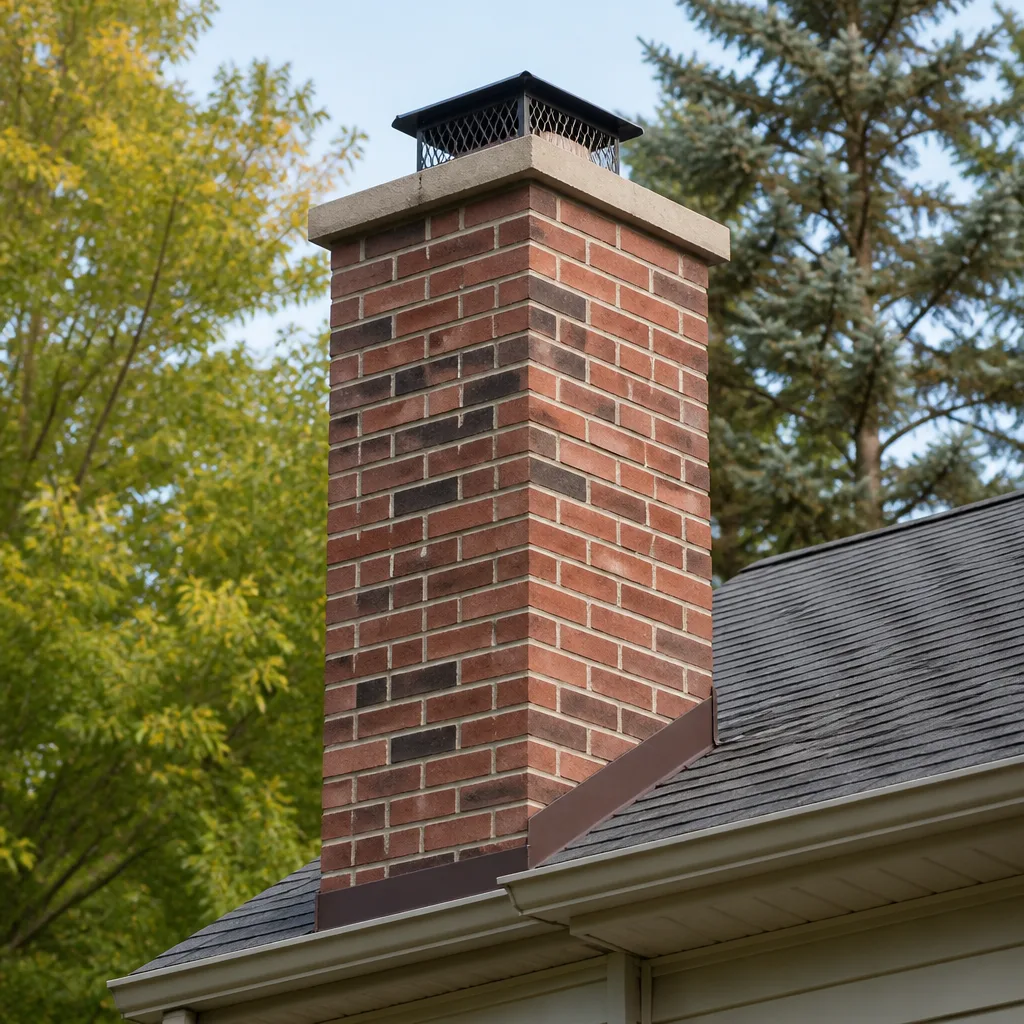 Masonry repair
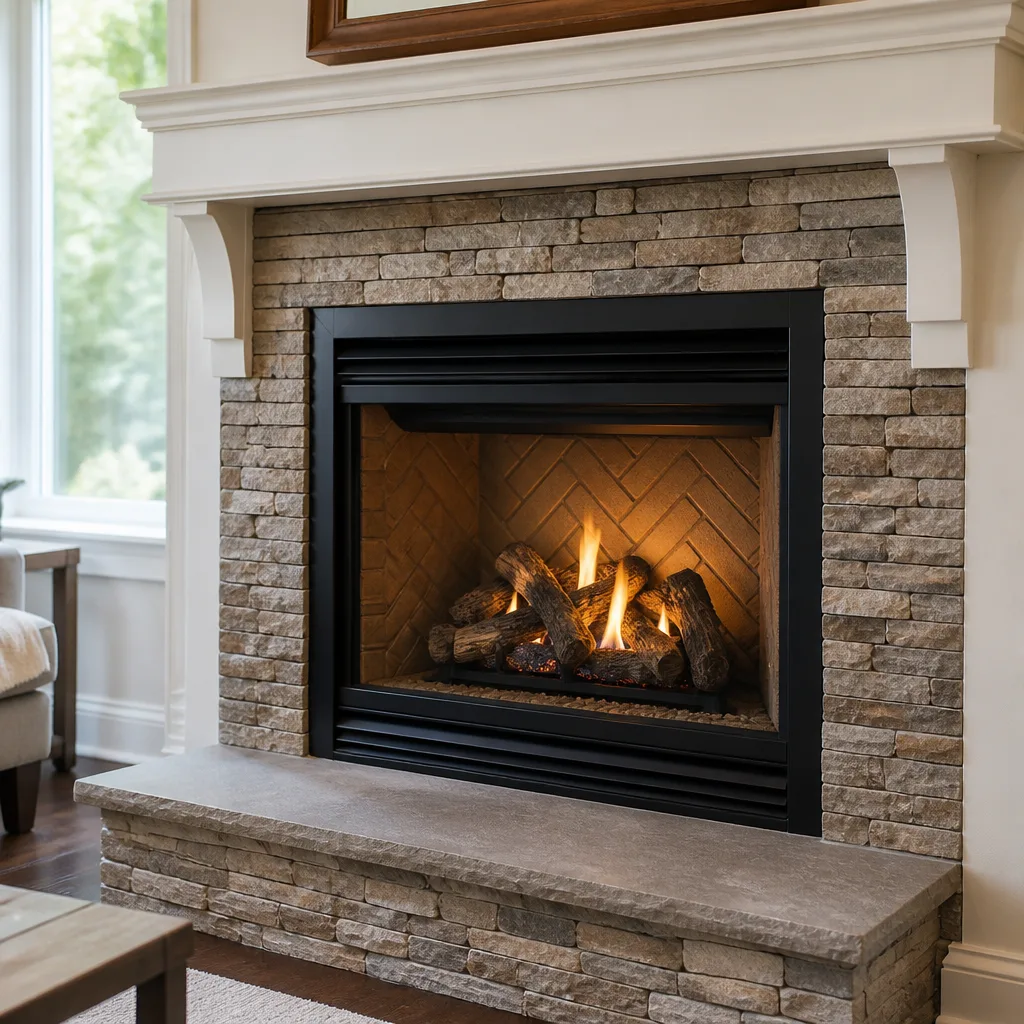 Gas fireplace service
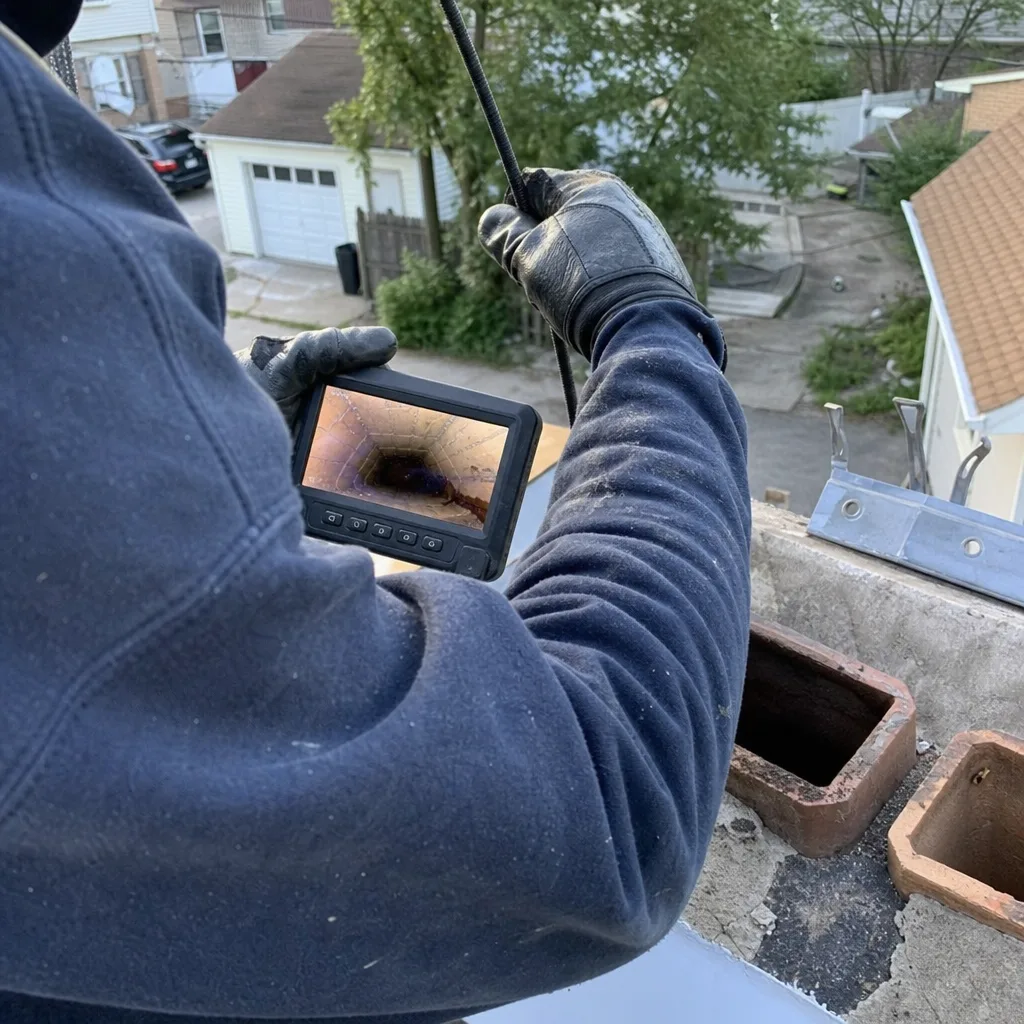
Level 1 sweep and inspection to the NFPA 211 annual standard - flue, crown, cap, and flashing checked and photographed
Chimney sweep logs do not sweep chimneys. They loosen some creosote - which then falls where a brush and vacuum still have to collect it.
DIY vs Professional Chimney Cleaning: The Queens Homeowner’s Decision Guide
You can buy a chimney cleaning kit at Home Depot for about $40 and remove visible soot from the firebox. But in a Queens rowhouse with a 6-inch clay-tile flue built in 1948, the creosote that actually causes chimney fires is glazed onto the tile walls in a layer your brush won’t touch. This guide walks through what DIY cleaning can and cannot do in the specific housing stock and flue configurations found across Queens, what your homeowner’s insurance policy likely says about self-cleaned chimneys, and how to decide when a professional chimney sweep in Queens is the only sensible option.
Styles & brands we work with
Quick Answer
For most Queens homeowners, professional chimney cleaning is the safer and ultimately cheaper choice. A consumer brush kit can remove loose soot, but it cannot remove glazed creosote, cannot reach the flue offsets common in prewar rowhouses, and cannot produce the documented inspection report your insurer will ask for if a fire ever occurs. DIY is reasonable for one task only: removing cold ash from the firebox. Everything above the damper needs a professional.
Table of Contents
- What DIY Chimney Cleaning Kits Actually Do
- The Queens Flue Problem: Why Narrow, Offset Flues Defeat Consumer Tools
- What Your Homeowner’s Insurance Policy Says About Self-Cleaned Chimneys
- The One DIY Task Queens Homeowners Can Safely Do (and What You’ll Need)
- Cost-Benefit: DIY Kit vs Professional Cleaning in Queens
- What Professional Documentation Looks Like (and Why Adjusters Care)
- What a Professional Sweep Actually Does, Step by Step
- Common Mistakes to Avoid
- When to Call a Professional
- Frequently Asked Questions
- The Bottom Line
What DIY Chimney Cleaning Kits Actually Do
A standard consumer chimney cleaning kit, the kind sold at Home Depot, Lowe’s, or on Amazon, typically includes a stiff polypropylene brush head, four or six fiberglass rods that screw together, and sometimes a tarp or plastic sheeting. The kit is designed for one job: scrubbing loose, flaky soot off the interior walls of a straight, open flue. That’s it.
Soot is the soft, powdery byproduct of incomplete combustion. It brushes off easily. It’s also not the primary thing that causes chimney fires. The dangerous material is creosote, the tar-like buildup that forms when wood smoke cools and condenses inside the flue. Creosote appears in three stages: Stage 1 is flaky and can sometimes be brushed away. Stage 2 is a hardened, shiny glaze. Stage 3 is a thick, tar-like coating that requires chemical treatments or specialized rotary tools to remove. A consumer brush kit does not remove Stage 2 or Stage 3 creosote. Period. If you burn wood regularly in a Queens fireplace, you are producing creosote, and some of it is glazing onto your flue walls right now.
The kits also create a mess problem their manufacturers don’t advertise. When you brush a flue from the bottom up, dislodged soot and creosote fall into the firebox. Some of it becomes airborne. Without a professional-grade HEPA vacuum and proper containment, you are trading a dirty chimney for a dirty living room and a fine layer of soot on every surface within ten feet of the fireplace.
The Queens Flue Problem: Why Narrow, Offset Flues Defeat Consumer Tools
Queens housing stock is old. Tens of thousands of homes in neighborhoods like Astoria, Jackson Heights, Woodside, and Richmond Hill were built between 1920 and 1960. Many have original clay-tile flues. Those flues are typically 6 inches in diameter, sometimes smaller in older apartments. They were built to code in their day, but they have two characteristics that make consumer brush kits nearly useless.
First, the flues are narrow. A 6-inch flue leaves very little clearance around a brush that’s already 6 inches in diameter. The brush compresses, the bristles flatten, and the scrubbing action weakens. You end up polishing a strip down the center while leaving the tile walls untouched, which is exactly where glazed creosote lives.
Second, many prewar Queens rowhouses have offset flues. Builders ran chimneys through interior walls, around structural beams, and between floor joists. The flue doesn’t run straight up from the firebox to the roof cap; it jogs left or right, sometimes at 15 or 30 degrees, sometimes in an S-curve. A consumer rod-and-brush kit cannot navigate an offset. The rods flex, the brush jams or spins, and the area behind the offset never gets cleaned. In our experience, offset flues in Queens are common enough that we treat them as the default, not the exception.
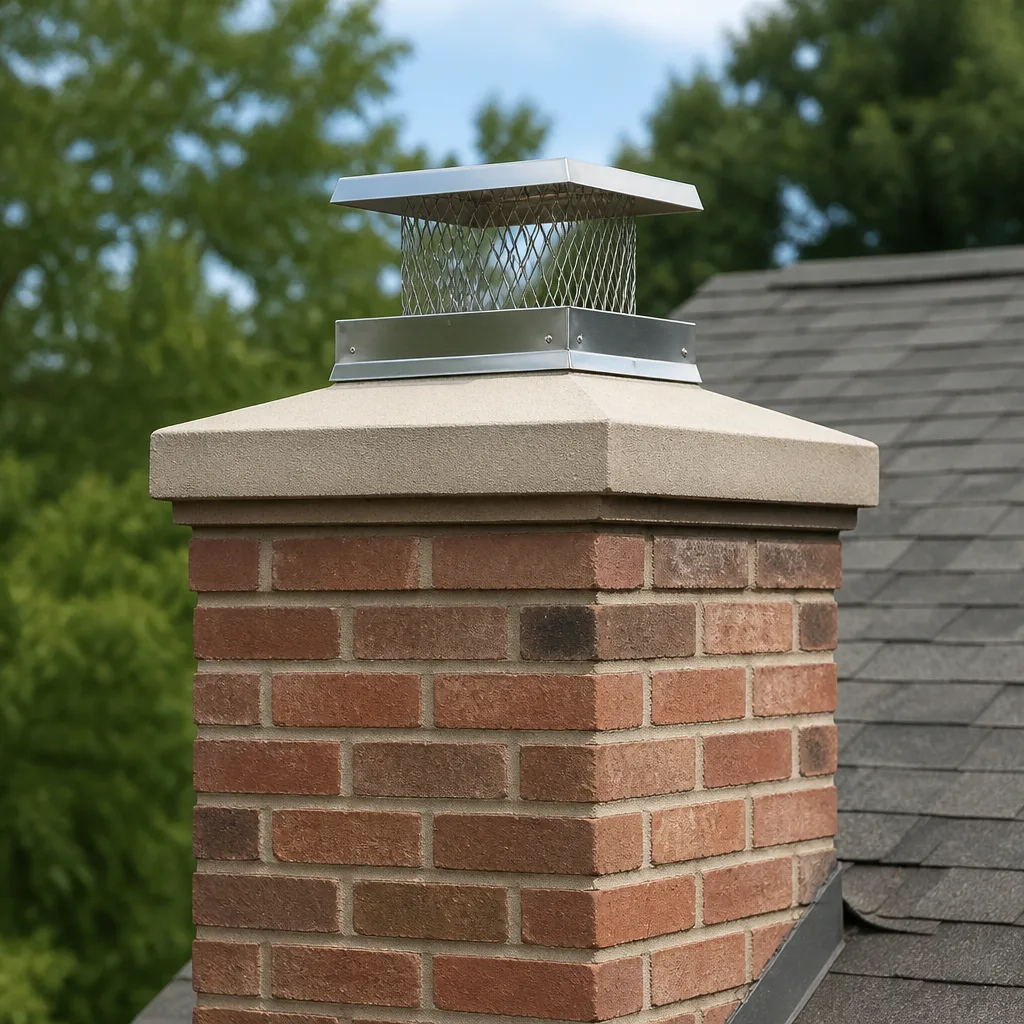
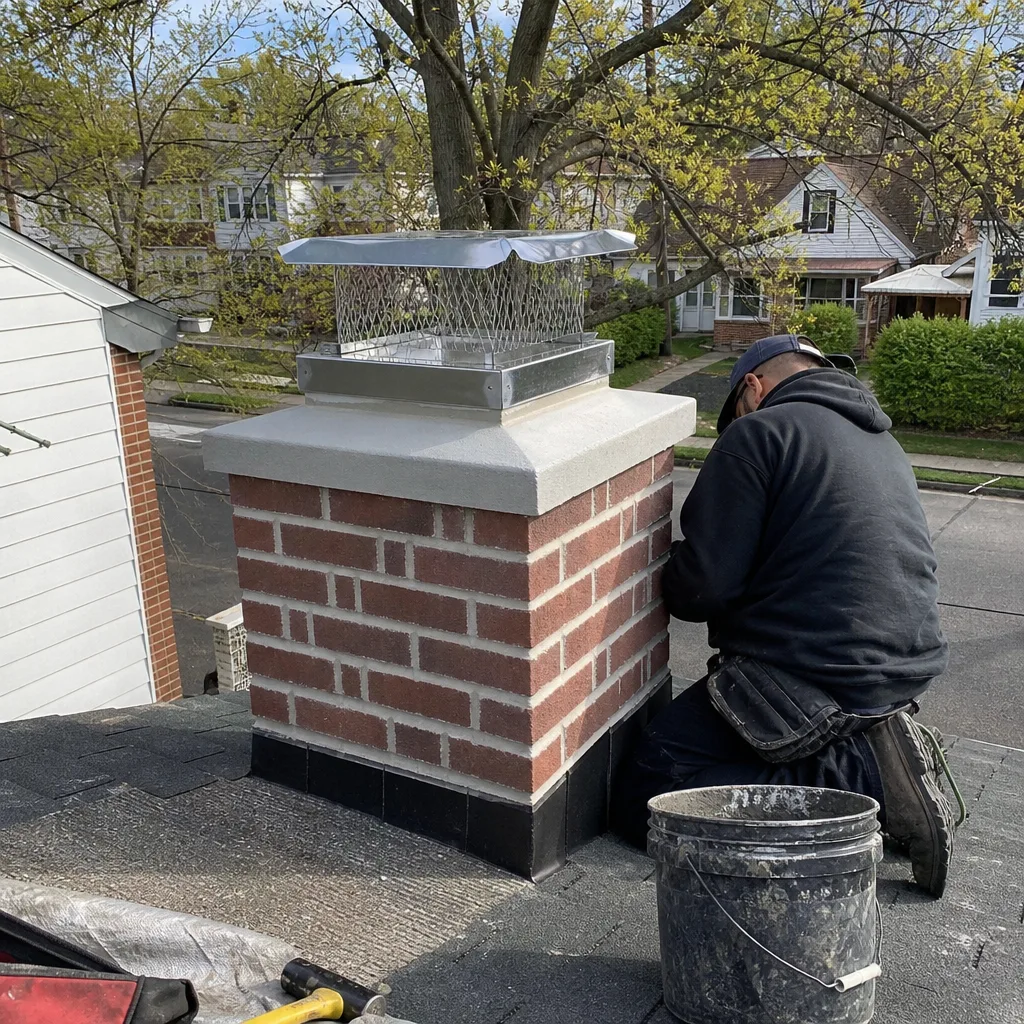
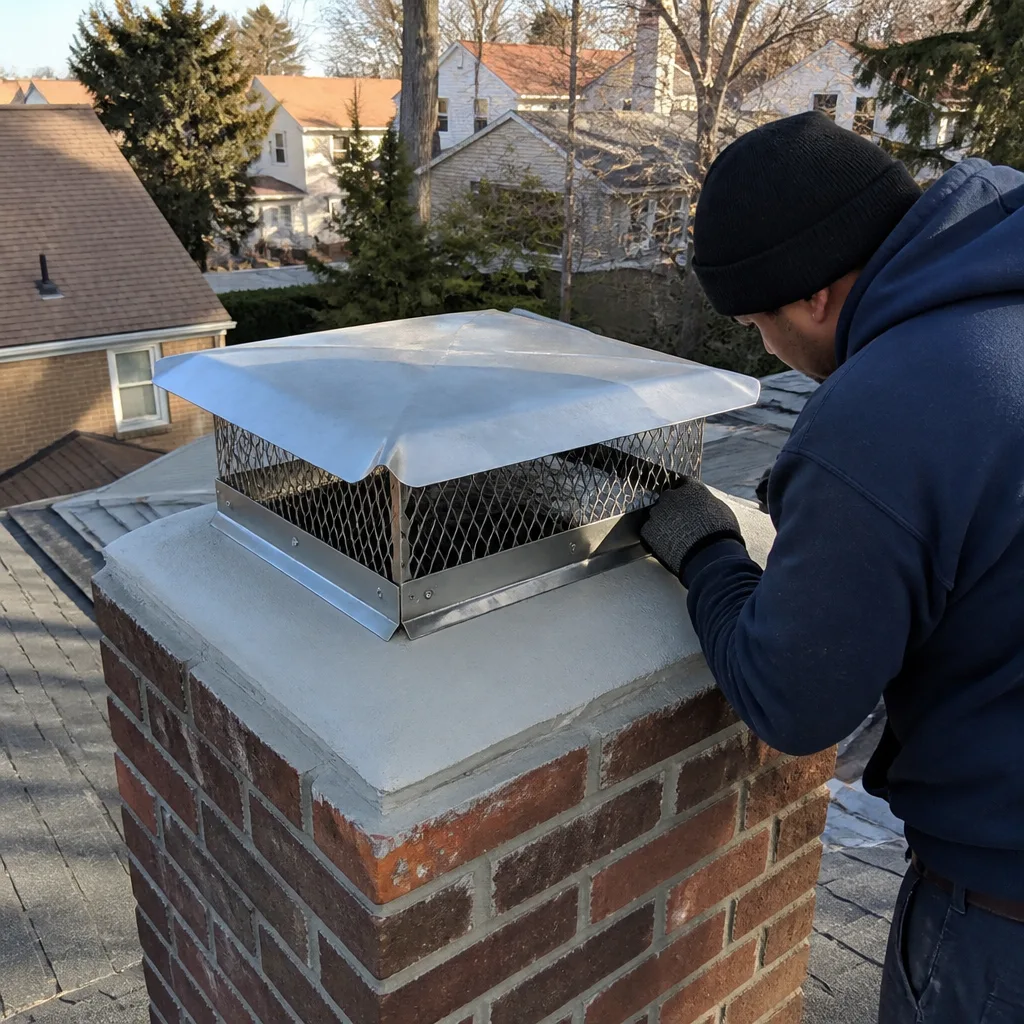
There’s also the crown and cap issue. Queens winters bring freeze-thaw cycles that crack masonry crowns. Rain and snow enter through those cracks. Moisture mixes with creosote and accelerates flue deterioration. A brush kit does nothing for the crown, nothing for the cap, and nothing for water intrusion. The homeowner with a DIY kit never sees these problems until the flue tile has already cracked through.
What Your Homeowner’s Insurance Policy Says About Self-Cleaned Chimneys
This is the part every cost-comparison conversation misses. Standard New York homeowner’s insurance policies contain language requiring homeowners to maintain their heating systems and chimneys. The policy won’t say “you must hire a professional chimney sweep.” It will say something closer to “the homeowner must take reasonable steps to maintain the property and prevent loss.” What counts as reasonable becomes the argument after a fire.
Here is what actually happens when a chimney fire damages a Queens home. The insurance adjuster looks for two things: the cause of the fire and the homeowner’s maintenance record. If the cause is creosote ignition, the adjuster asks when the chimney was last cleaned and by whom. A receipt from a certified, licensed chimney company with a documented inspection date, a written condition report, and a stated recommendation is evidence that you maintained the chimney. A receipt from Home Depot for a brush kit is evidence that you bought a brush. It does not prove you used the brush, that you used it correctly, that the flue was actually clean, or that you were aware of the existing creosote load. In the worst case, the adjuster argues the homeowner performed inadequate maintenance and failed to prevent a foreseeable loss. Claims get reduced or denied that way. The New York Department of Financial Services handles disputes like this every year, and the homeowner without documentation from a professional loses more often than they win.
Professional sweeps provide what adjusters call a “chain of maintenance.” A dated service record, condition notes, and repair recommendations. It’s not a guarantee against claim denial, but it is the documentation your insurer expects you to have. We’ve had customers tell us their adjuster specifically asked for the sweep company’s report after a chimney fire. Nobody ever asks for the brush receipt.
The One DIY Task Queens Homeowners Can Safely Do (and What You’ll Need)
There is exactly one chimney maintenance task a Queens homeowner should do themselves: removing cold ash from the firebox. That’s the floor area of the fireplace where wood burns. Ash removal is safe when done properly, it doesn’t require ladder work or roof access, and it has no bearing on the flue’s interior cleanliness. Here’s the full process.
- Wait at least 72 hours after the last fire. Ash holds heat surprisingly long, and hot embers can survive buried in ash for days.
- Lay a tarp or drop cloth across the hearth and the floor in front of the fireplace.
- Put on an N95 mask. Ash is fine silica and lime dust, and it doesn’t belong in your lungs.
- Use a metal ash shovel and a metal bucket with a tight-fitting lid. Never use plastic; a stray ember will melt through it.
- Scoop ash gently. Don’t sweep or blow it, which sends the fines airborne.
- Leave one inch of ash in the firebox. That layer insulates the firebrick and actually helps the next fire start.
- Take the ash bucket outside immediately. Never store it indoors, and never set it on a wooden deck or porch. Place it on concrete or bare soil, away from the house, for at least a week before disposing of the contents.
There are four other tasks homeowners sometimes attempt that require tools and training no consumer kit provides: removing glazed creosote (requires chemical or rotary tools with proper PPE), repairing a cracked flue tile (requires a resurfacing system like HeatShield, installed by a certified technician), replacing a damaged chimney cap (requires ladder or roof work and cutting off rusted bolts), and repointing masonry (requires mortar matching and structural knowledge). None of these are DIY jobs, and attempting them in Queens means working at height on a roof with real pitch, often in wind conditions that never show up on the homeowner’s “how hard can it be” mental math.
Cost-Benefit: DIY Kit vs Professional Cleaning in Queens
A standard chimney sweep in Queens typically runs $229 to $349 before any repairs. The range depends on the height of the chimney, whether it’s accessed from the roof or from inside, the flue’s condition, and whether it’s a standard open fireplace or a wood stove insert. A consumer brush kit runs $40 to $90. On paper, DIY saves about $200. Here’s what the full accounting looks like.
| Cost Item | DIY Kit | Professional Sweep |
|---|---|---|
| Equipment | $40-$90 | Included |
| HEPA vacuum rental | $30-$50/day (if available) | Included |
| Time (cleaning + setup + cleanup) | 4-8 hours for a novice | 60-90 minutes, you do nothing |
| Roof access | You climb your own roof | Technician climbs, insured |
| Glazed creosote removal | Not possible | Included if present |
| Flue inspection | Not possible from a brush | Included with camera |
| Written condition report | None | Included |
| Insurance documentation | None | Dated service record |
The real comparison isn’t $90 versus $300. It’s $90 plus an afternoon of labor plus a dirty fireplace plus no documentation versus $300 for a documented, inspected, guaranteed result. The professional sweep includes the inspection findings a DIY kit cannot produce: flue tile cracks, water damage, creosote stage classification, and repair recommendations. That information is what prevents a $2,000 liner replacement or a $40,000 fire. If cost is the only deciding factor, you’re looking at the wrong line item.
What Professional Documentation Looks Like (and Why Adjusters Care)
A legitimate chimney sweep in Queens produces more than a receipt. We give every customer a written condition report that includes the chimney’s physical dimensions, what we found inside the flue, what we removed, and what we recommend. If the customer approves a chimney inspection in Queens, we document it with camera footage and still photos. That report matters after a fire because it shows a maintenance timeline and a professional assessment of risk.
A report that satisfies an insurance adjuster includes these elements:
- The service date and the technician’s name
- The property address and the specific chimney serviced
- Flue dimensions and liner material
- Creosote stage present before cleaning
- Condition findings (cracks, water intrusion, animal nesting, cap damage)
- The method used (brush, rotary, chemical)
- Recommended repairs with a written estimate
- Post-cleaning status confirmation
If a chimney company hands you a receipt that says “swept and cleaned” and nothing else, that documentation is worth approximately what a brush kit receipt is worth: not much. In our experience, Queens adjusters want detail. They want to see that the homeowner hired a company that actually looked at the flue, not one that ran a brush up a chimney and collected a check. You can verify a sweep’s documentation quality before you ever book by asking one question: “Will I receive a written condition report with photos after the job?” If the answer is vague or defensive, call someone else. That report is half the value of the service.
What a Professional Sweep Actually Does, Step by Step
Understanding what a professional chimney sweep actually does, step by step, is the best way to evaluate whether DIY can replace it, and our How to Hire a Chimney Cleaning Contractor in Queens: A Step-by-Step Guide can help you choose the right pro. Here’s the full sequence we follow, and it’s essentially the same sequence any certified sweep in Queens follows.
- Protect the work area. Drop cloths down, fireplace opening sealed with a fire-resistant barrier, HEPA vacuum staged. The goal is zero soot in your living room.
- Assess the firebox and damper. We examine the firebrick, the damper seal, and the smoke shelf before we ever send a brush up. That initial look often catches problems the homeowner didn’t know existed.
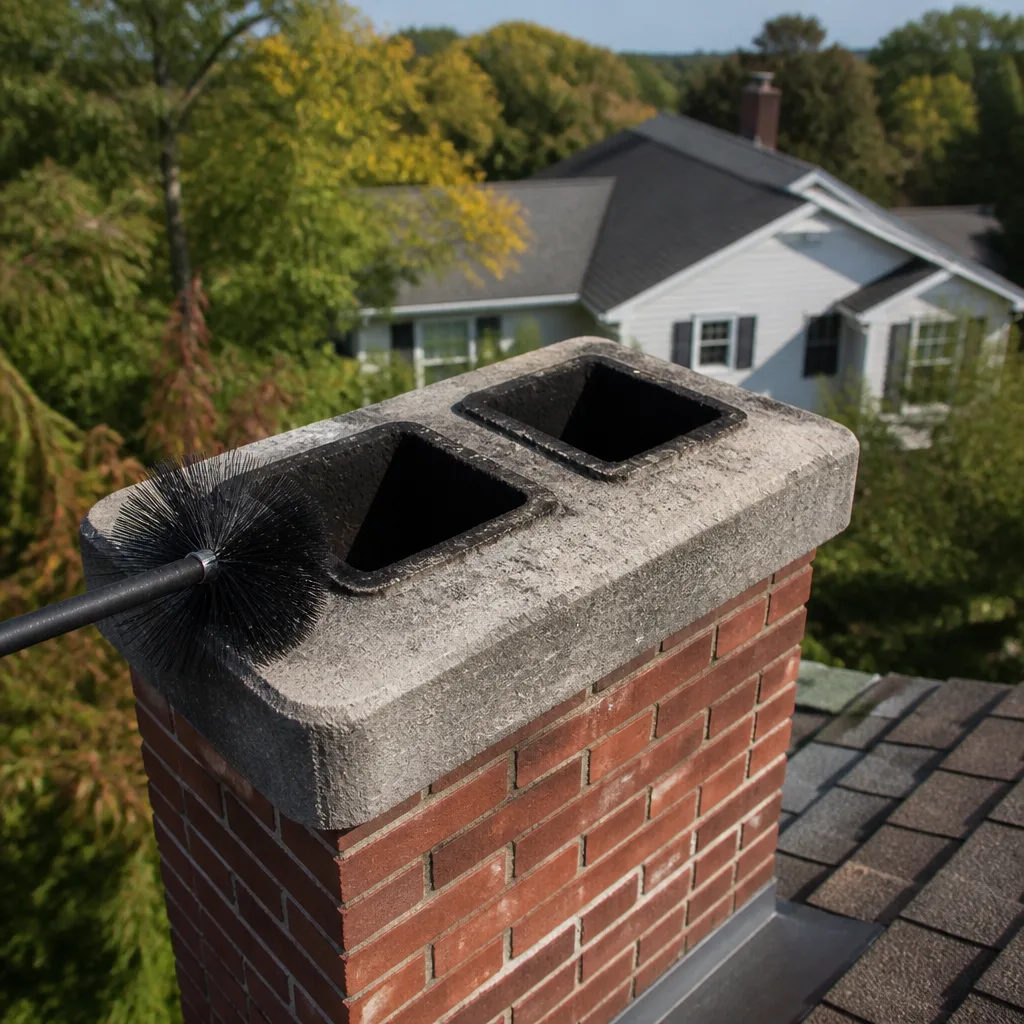
- Choose the right tool. Straight flues with Stage 1 creosote get a wire brush sized to the exact flue diameter. Offset flues or heavy Stage 2 and 3 creosote get rotary cleaning heads with flexible steel rods. These tools reach the areas behind offsets that consumer kits cannot.
- Clean top to bottom. If the roof is safely accessible, we clean from the top down so gravity works with us. If the pitch is too steep or the roof is inaccessible, we work from the firebox up. Either way, the brush does not skip the offset sections.
- Remove everything. The HEPA vacuum runs the entire time, pulling dislodged soot out of the air and out of the firebox. When we finish, the fireplace is cleaner than before we started.
- Inspect the flue. This is the step no DIY kit includes. We send a camera down the flue or perform a visual inspection with a bright light, documenting the condition of every tile, the mortar joints, and the flue cap. We look for the problems a brush cannot see: hairline cracks, missing mortar, rusted dampers, animal nests.
- File the report. The customer gets the written condition report described above. If repairs are needed, they get a written price before any work begins, and nothing is recommended without camera or visual evidence they can see themselves.
A professional sweep is a diagnosis, not just a cleaning. The cleaning is the part you can see. The diagnosis is the part that keeps your house from burning down.
Common Mistakes to Avoid
- Assuming a brush kit cleans glazed creosote. It doesn’t. Stage 2 and Stage 3 creosote require tools Home Depot doesn’t sell. If you burn wood regularly, you have glaze forming regardless of how often you brush.
- Cleaning from the bottom without a proper vacuum. The soot you knock loose has to go somewhere. Without a HEPA vac pulling it out of the air, it goes into your living room furniture, your HVAC returns, and your lungs. Queens apartments with limited ventilation make this worse.
- Climbing a Queens rowhouse roof with a drill and a brush. The pitch on many prewar rowhouses is steep, the parapet walls are old, and the roof decking wasn’t built for a homeowner pacing back and forth with a chimney brush. Falls from roofs are among the most common construction-related fatalities in New York City, and no money saved is worth that risk.
- Ignoring the damper and smoke shelf. Soot and creosote accumulate on the smoke shelf above the damper. A brush kit running straight up the flue misses it entirely. That buildup is a fire risk, and it also causes the smoky smell you notice on humid days.
- Treating chimney maintenance as optional. The National Fire Protection Association recommends annual chimney inspection, and cleaning when creosote reaches one-eighth inch. That’s not a suggestion; it’s the standard an insurance adjuster will reference if you file a claim after a fire.
- Using chemical creosote logs as a substitute for sweeping. They can help convert some Stage 2 glaze to a brushable form, but they don’t remove the creosote, and they don’t inspect the flue. They’re a supplement, never a replacement.
- Not checking for animals before lighting the first fire. Queens has a serious squirrel, raccoon, and bird population, and chimneys are their favorite autumn shelter. A DIY cleaning doesn’t tell you whether a nest is still active or whether the flue is blocked entirely. We pull dead birds and abandoned nests out of Queens chimneys more often than most homeowners would believe.
When to Call a Professional
Call a professional if you burn wood more than twice a week during the heating season. Call if you smell smoke inside the house when the fireplace is running. Call if you see black, shiny buildup when you shine a flashlight up the flue. Call if you’ve lived in the home more than two years and have never had the chimney inspected. Call if you’re buying a Queens rowhouse and the previous owner can’t produce a chimney maintenance record. Call if you found animal droppings or nesting material in the firebox. And call if you simply don’t want to climb a roof with a drill attached to fiberglass rods. Alcott Chimney Queens offers free estimates in Queens, and we answer the phone with a live person around the clock. Reach us at (518) 719-4643.
Frequently Asked Questions
A standard chimney sweep in Queens typically runs $229 to $349 before repairs. The final price depends on the flue height, the roof access situation, and the creosote stage present. You’ll receive a written price before any work begins, so there are no surprise charges at the end of the job. Call (518) 719-4643 for an exact quote, and estimates are free.
The National Fire Protection Association says a chimney should be inspected annually and cleaned whenever creosote buildup reaches one-eighth of an inch, which for most active wood burners in Queens means once per burning season-our Seasonal Chimney Cleaning Care for Queens: Year-Round Homeowner’s Guide breaks down the full maintenance calendar. If you burn firewood more than three times a week from November through March, schedule a sweep in early fall before burning season starts, and consider a mid-season check if you notice any change in performance.
Creosote builds up inside the flue, and creosote is combustible. A hot fire can ignite the glaze, producing a chimney fire that burns at over 2,000 degrees Fahrenheit, hot enough to crack clay flue tiles and spread into the home’s framing. Even if no fire occurs, the blocked airflow can push carbon monoxide back into your living space. In Queens rowhouses with shared walls, a chimney fire in one unit can spread to the adjoining property, which complicates every insurance claim involved.
When done by a professional with HEPA vacuum equipment and proper containment, no. We seal the fireplace opening and run a commercial-grade vacuum throughout the entire cleaning. The drop cloths come up when we leave. If someone tells you a chimney cleaning always leaves soot everywhere, they’ve only seen DIY jobs or under-equipped sweep companies.
Not necessarily, and you should be suspicious of any company that tells you a liner needs replacing without showing you camera evidence. Cracked tiles, missing mortar joints, or deteriorated clay are legitimate reasons. Sometimes a resurfacing system like HeatShield can repair a damaged liner at a fraction of the replacement cost. As a Queens homeowner, your rule should be simple: no camera photos, no repair approval. Call (518) 719-4643 and we’ll show you what we’re seeing before you spend a dollar on repairs.
You can remove loose soot from a straight, open flue with a consumer wire brush. You cannot remove glazed creosote, you cannot reach around flue offsets common in Queens prewar construction, and you cannot inspect the flue to document its condition. For anything beyond light surface soot, the brush creates a false sense of security, which is more dangerous than no cleaning at all.
Coverage depends on whether the insurance company determines you performed reasonable maintenance. Without a professional service record, you have no documentation to support that claim. A receipt for a brush kit shows you bought a brush. It doesn’t show you cleaned the flue correctly or that the creosote buildup was addressed. A dated service record from a professional sweep is the evidence your adjuster expects. Getting that documentation is one of the primary reasons to hire a sweep instead of doing it yourself, and you can find more guides & resources on our blog to help protect your home.
The Bottom Line
DIY chimney cleaning in Queens is a false economy for almost every homeowner. The brush kit costs less upfront, but it cannot clean the material that actually causes fires, cannot reach the flue configurations that define Queens’ older housing stock, and cannot produce the documentation your insurer will request after a claim. The one DIY task that’s genuinely safe, firebox ash removal with a metal bucket and an N95 mask, takes ten minutes and has nothing to do with the flue. Everything above the damper needs professional tools, professional training, and professional documentation. If you want a clean flue and a report that holds up in an adjuster’s hands, you want a certified chimney sweep serving Queens. If you want to see the technician’s name and photo before they arrive, and a written price before work starts, that’s exactly how we operate. We’ve been doing it since 2002. Call (518) 719-4643 for a free estimate, and a live person will answer.
Written by Ruben Castellano, Owner at Alcott Chimney Queens, serving Queens since 2002.
See the difference
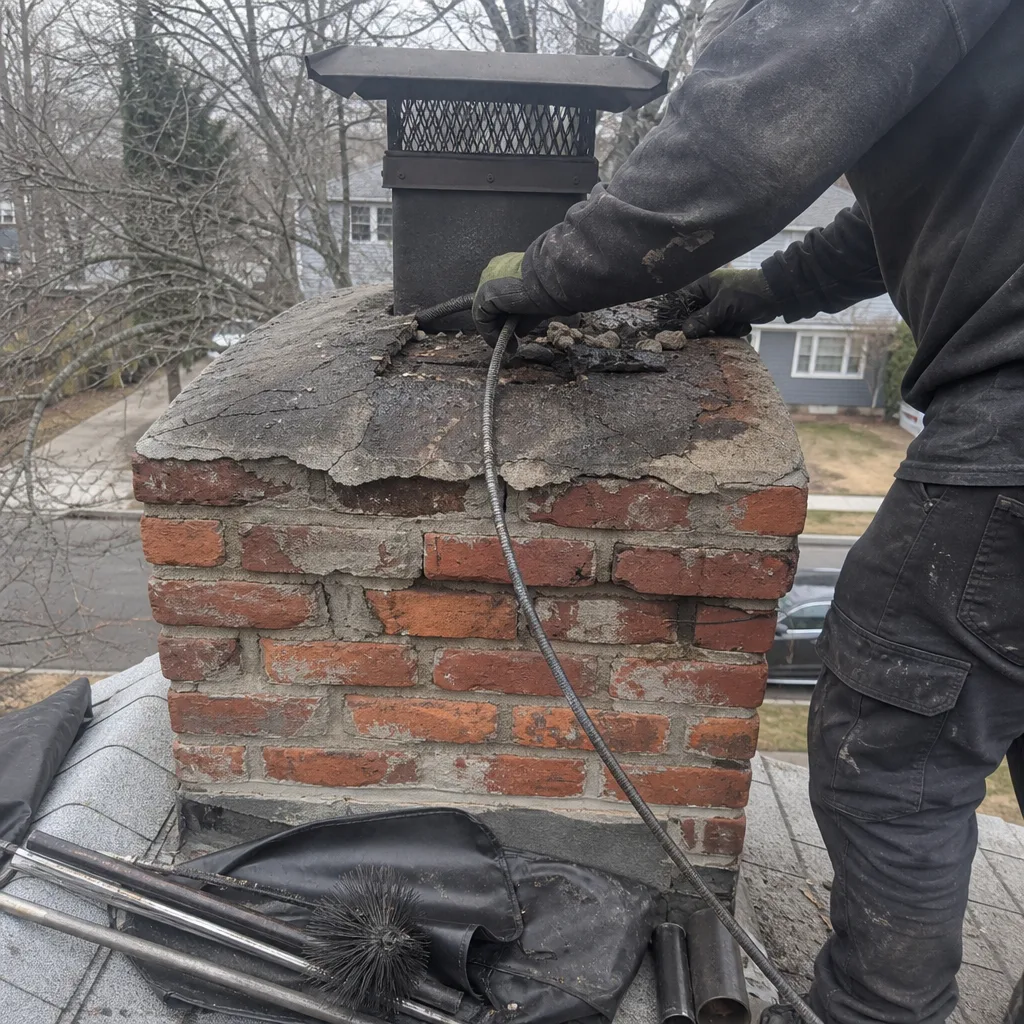 Before
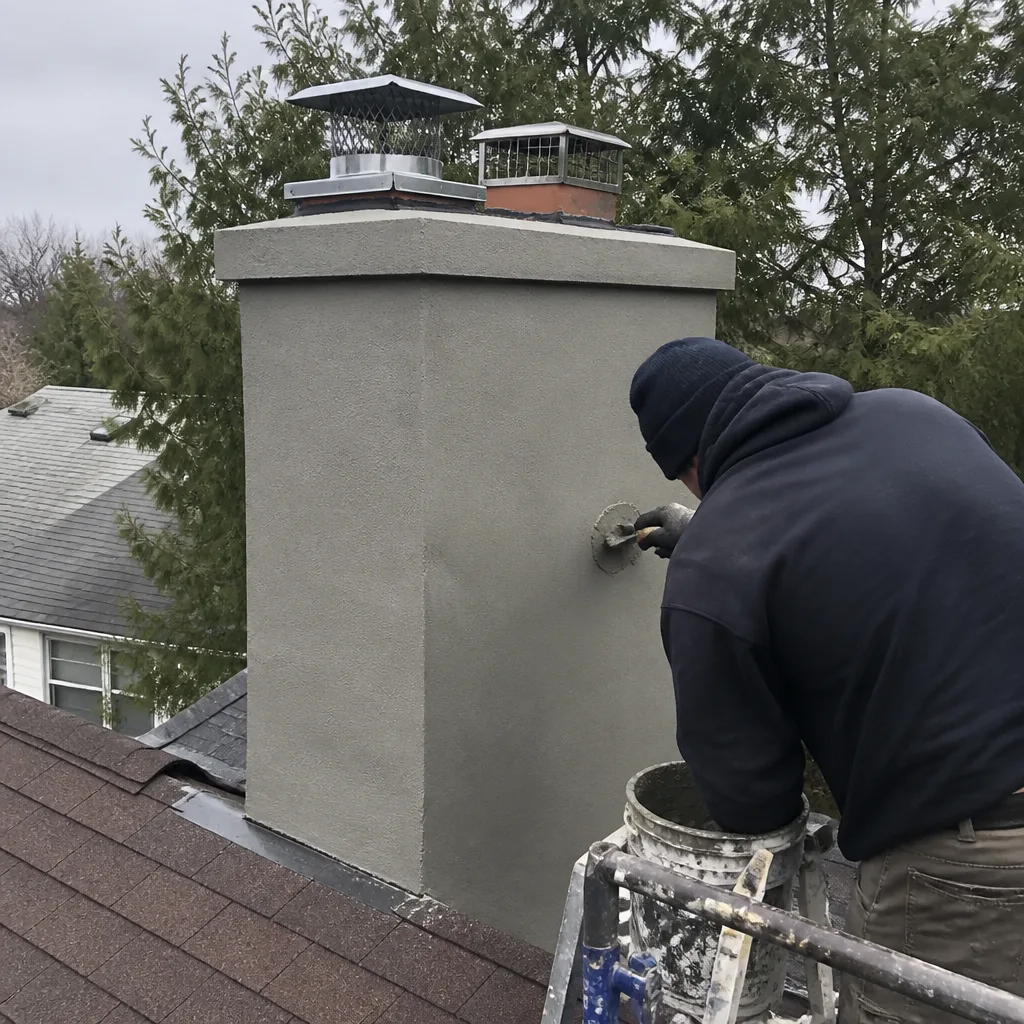 After
After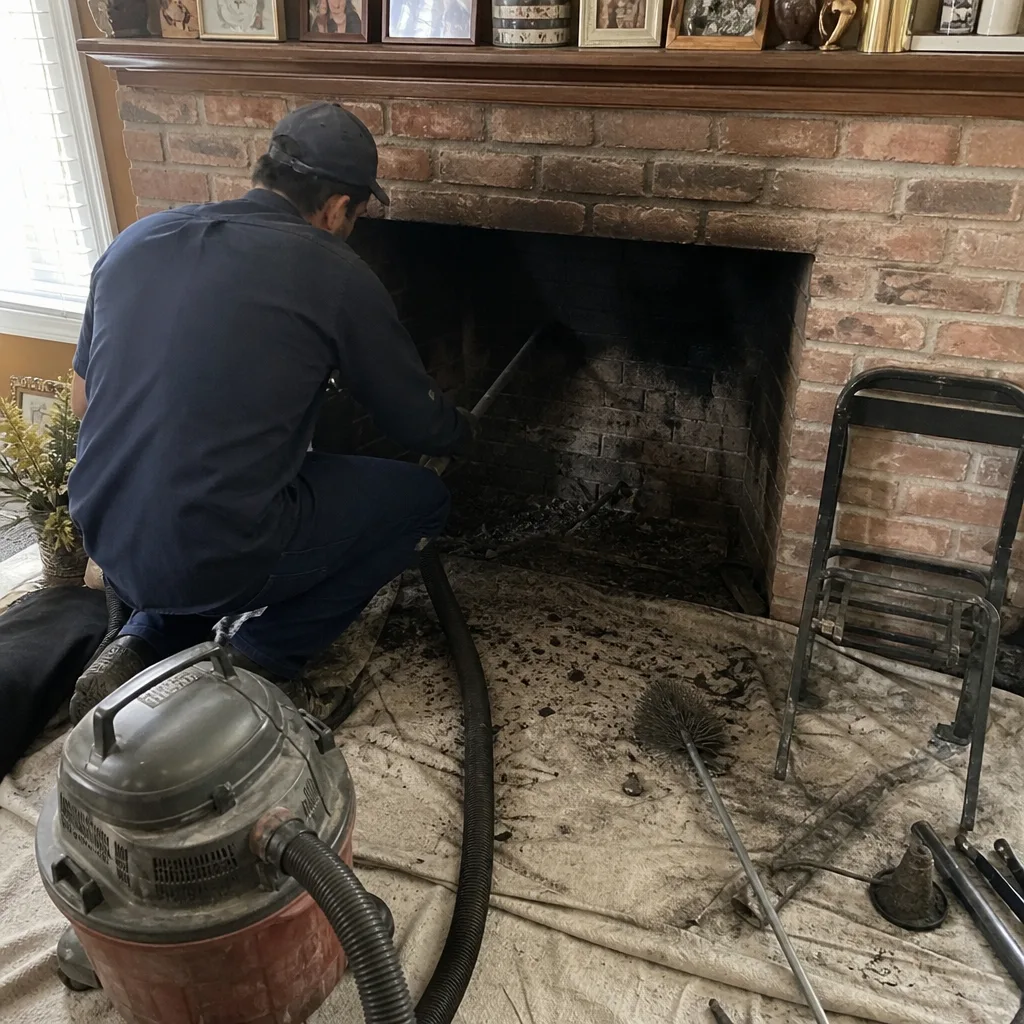 Before
 After
After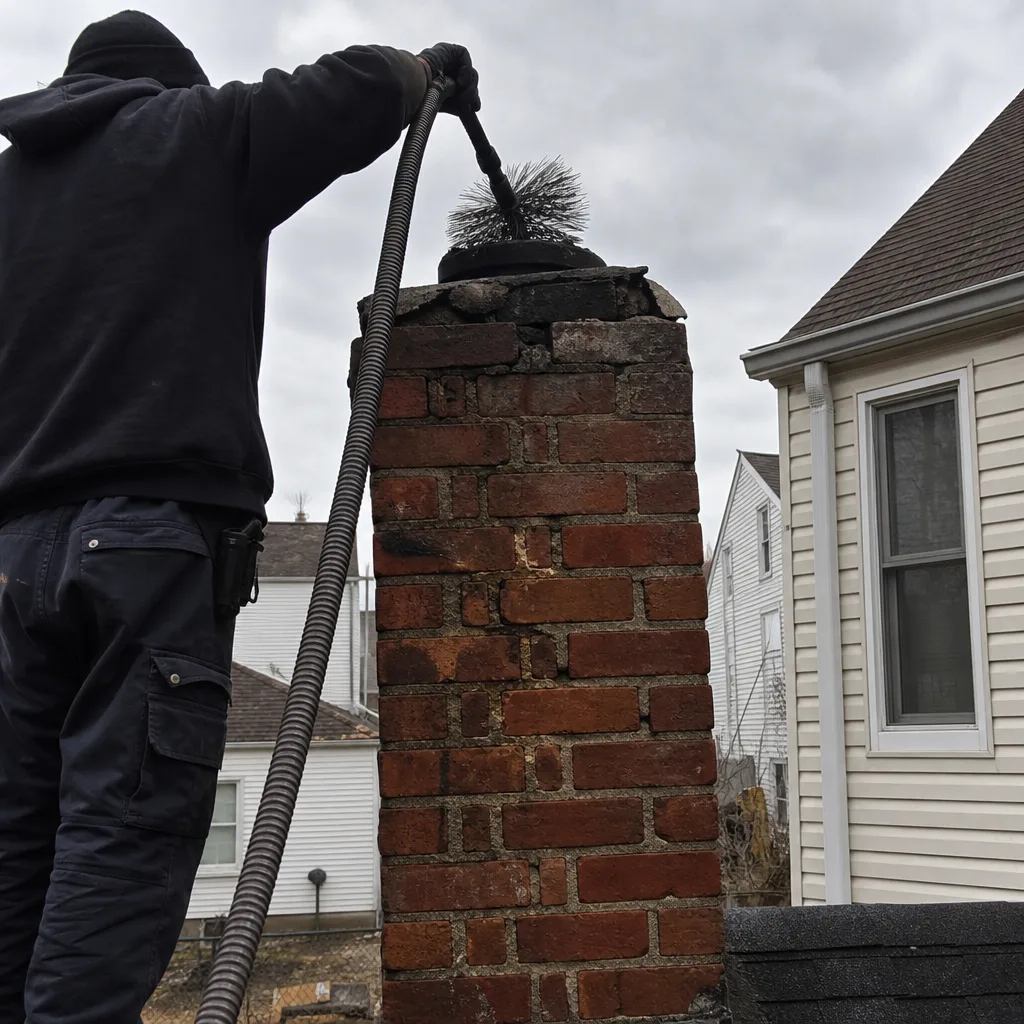 Before
 After
After