
Last updated October 15, 2026
 Sweep & inspection
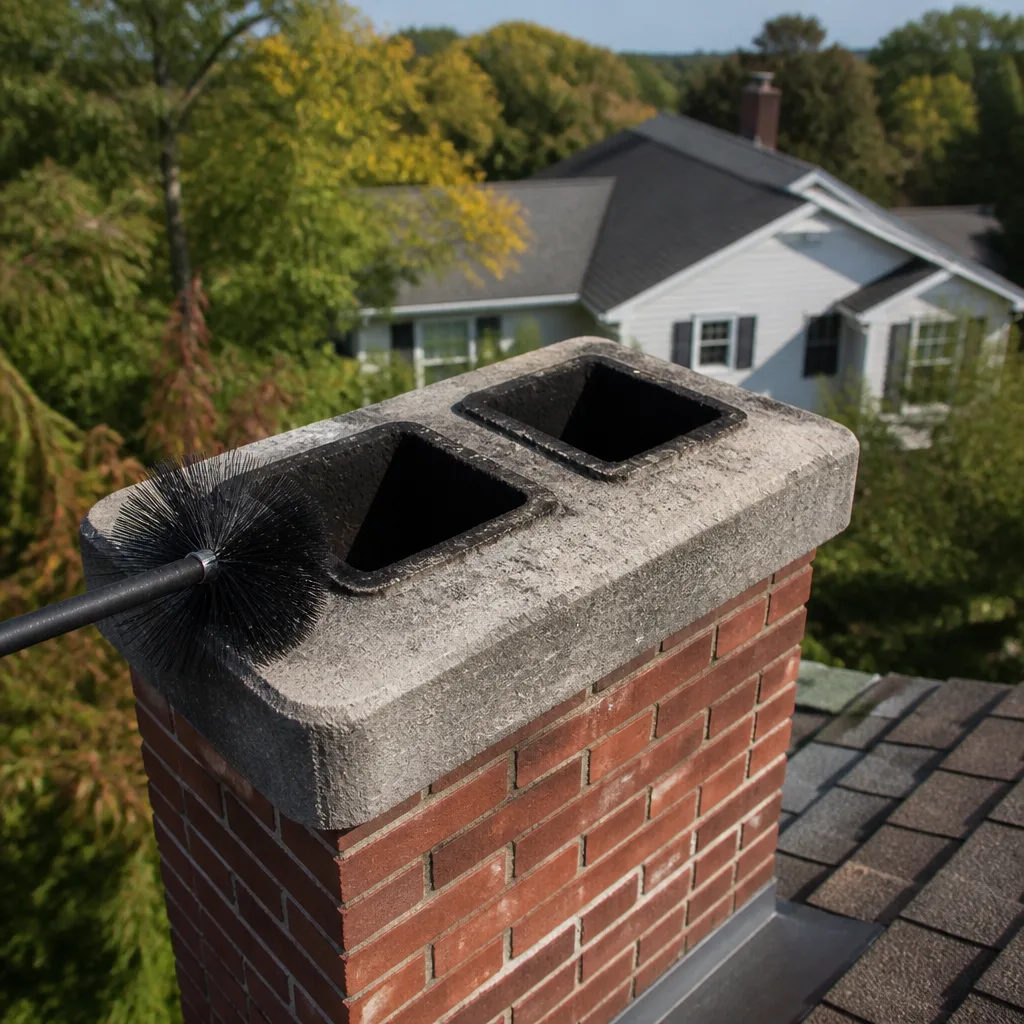
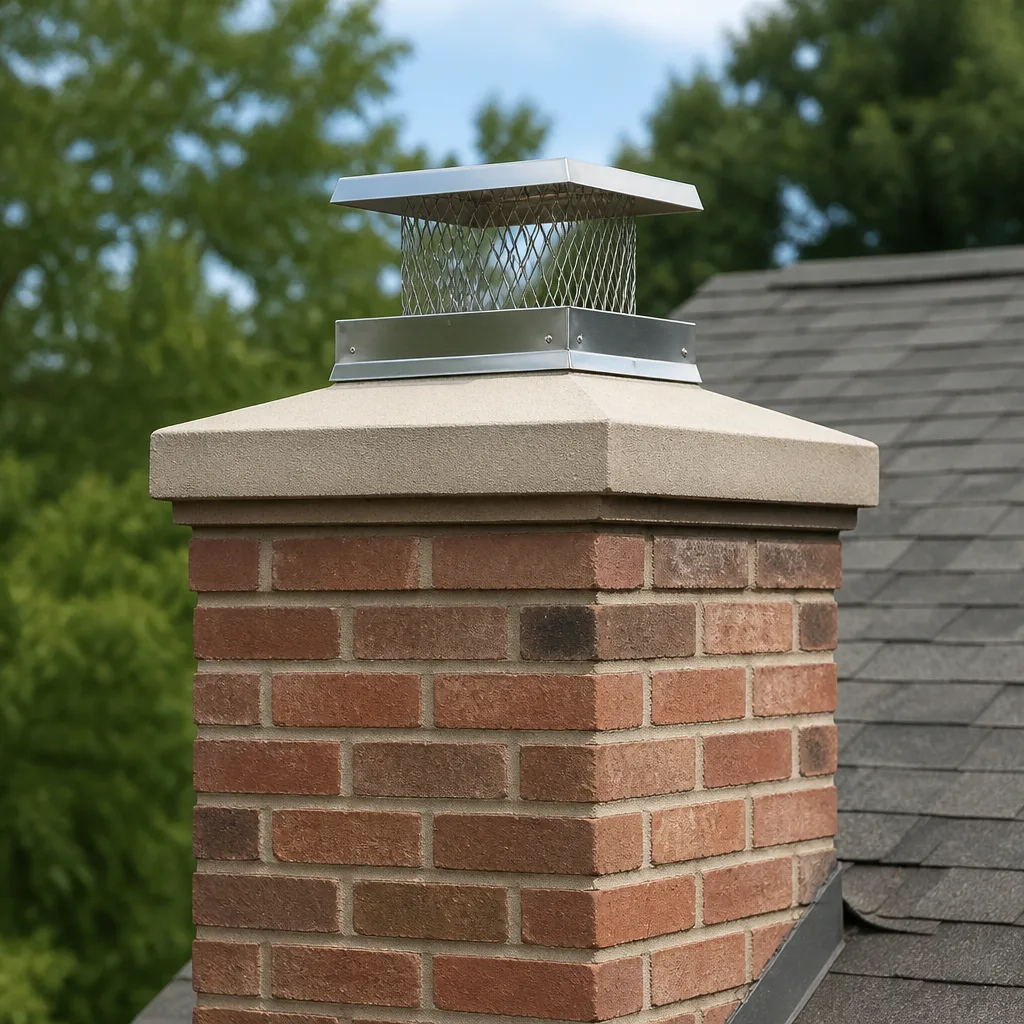 Caps & crowns
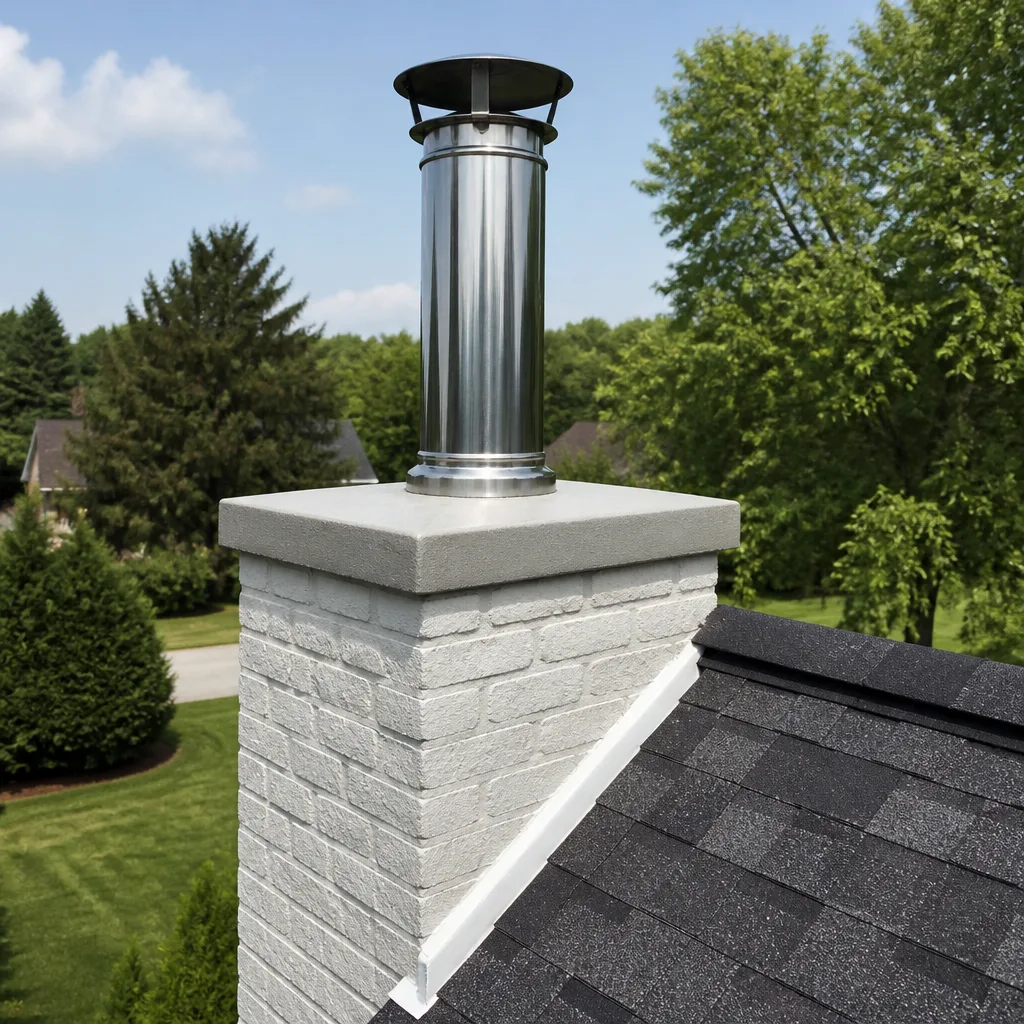 Flue relining
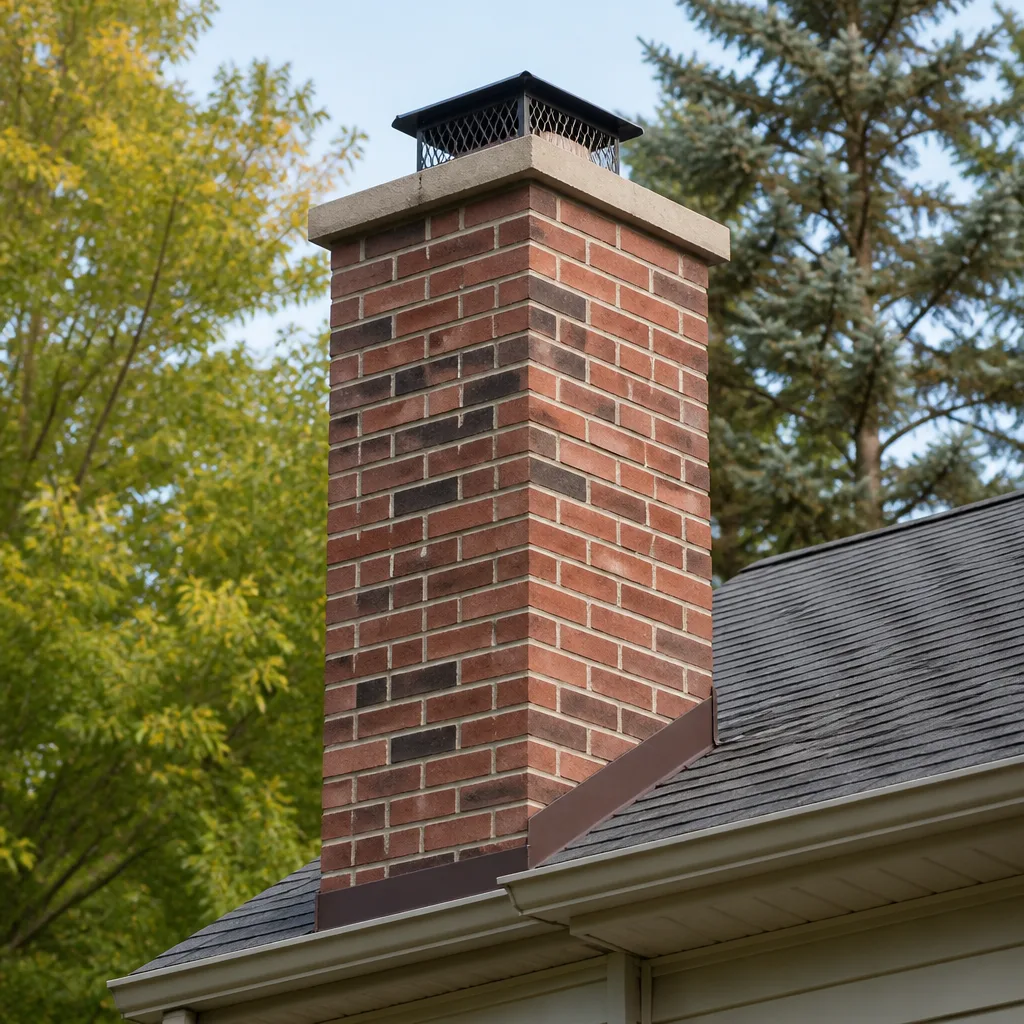 Masonry repair
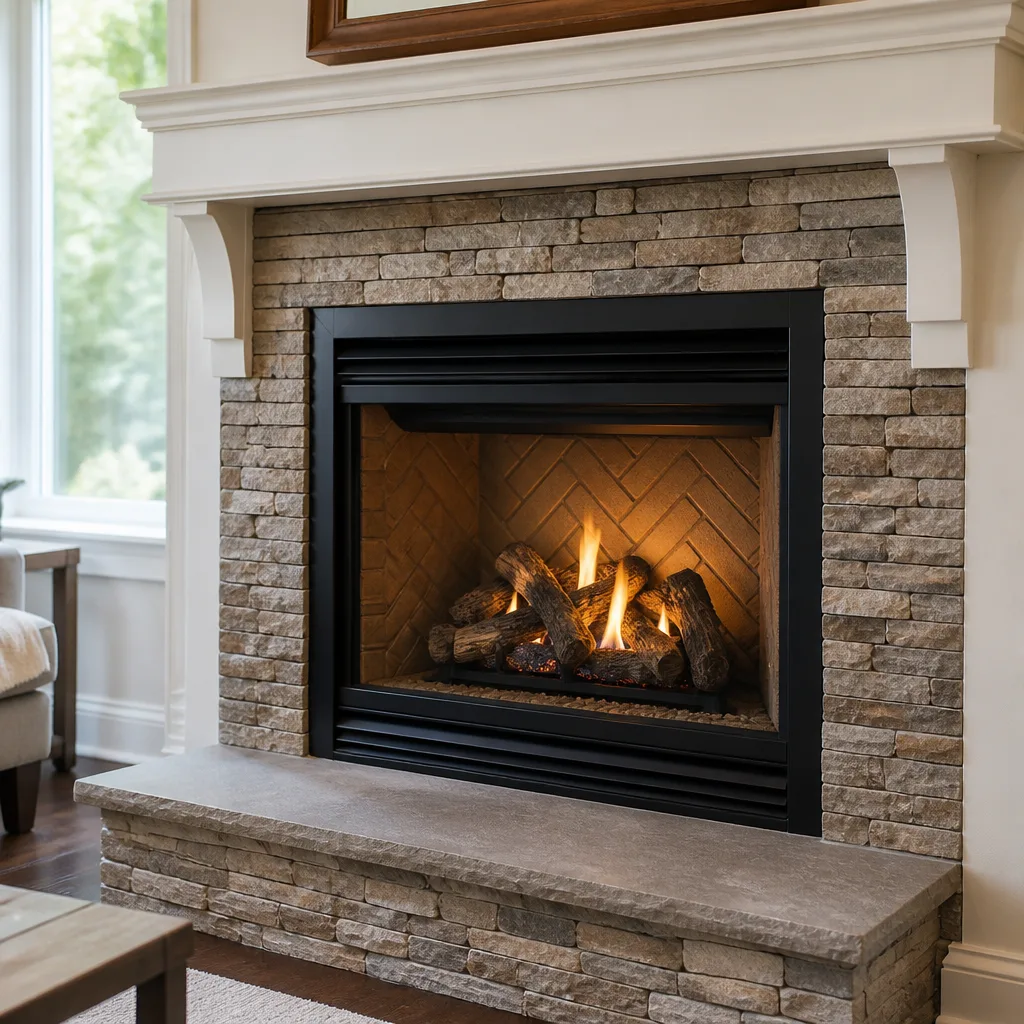 Gas fireplace service
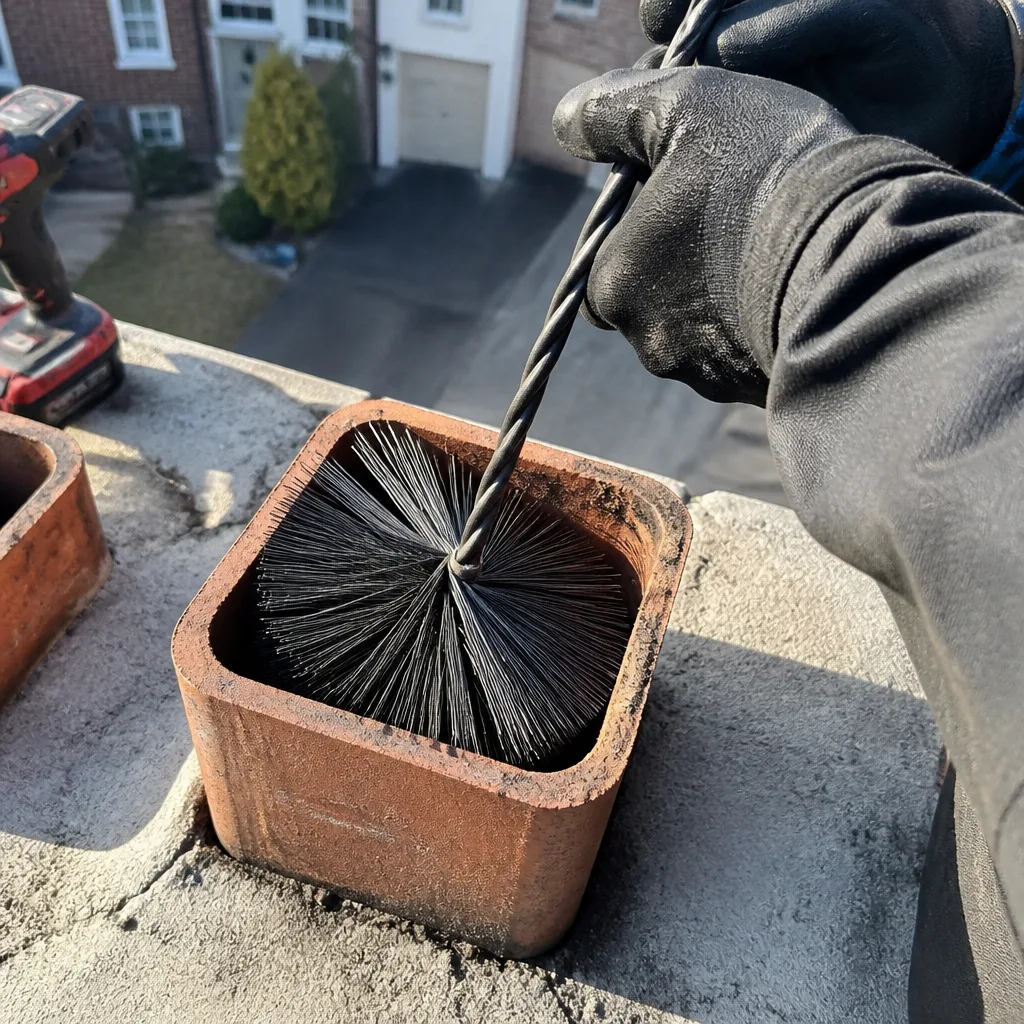
Level 1 sweep and inspection to the NFPA 211 annual standard - flue, crown, cap, and flashing checked and photographed
Chimney sweep logs do not sweep chimneys. They loosen some creosote - which then falls where a brush and vacuum still have to collect it.
How to Hire a Chimney Cleaning Contractor in Queens: A Step-by-Step Guide
The chimney sweep who rings your doorbell is often not the person whose photo you saw online. In Queens, where flyers appear under windshield wipers and lead-gen websites outnumber real local shops, the gap between who you think you hired and who shows up with a ladder is wide enough to hide a whole crew. This guide closes that gap. You’ll learn the exact verification checklist that catches impostors before the door opens, the three questions that expose a weak guarantee in thirty seconds, and the post-job walkthrough that protects you after the truck pulls away. Written from the perspective of a Queens chimney company that has seen how the other half operates, this is the process we’d want our own family to follow.
Styles & brands we work with
Quick Answer
To hire a chimney cleaning contractor in Queens, verify the specific technician’s name, photo ID, and certification number before you book, confirm they hold CSIA certification and New York State insurance, demand a written estimate that itemizes labor, materials, and exclusion language, and read the guarantee for what it actually covers after year one. A standard chimney sweep in Queens runs roughly $180 – $340 before any repairs (see our Chimney Cleaning Cost Breakdown: The Queens Homeowner’s Reference for 2026), and the most reliable signal of a legitimate operation is a company that volunteers its verification process rather than making you ask.
Table of Contents
- Step 1: Verify the Tech Before You Book – Name, Photo, and Credentials
- Step 2: Ask the Credential Questions That Matter in Queens
- Step 3: Get a Written Estimate That Cannot Hide Line Items
- Step 4: Read the Guarantee Like a Contract Lawyer
- Step 5: Run the Before-Arrival Verification Checklist
- Step 6: Do the Post-Job Walkthrough Protocol
- What a Chimney Sweep Actually Costs in Queens Right Now
- Common Mistakes to Avoid
- When to Call a Professional
- Frequently Asked Questions
- The Bottom Line
Step 1: Verify the Tech Before You Book – Name, Photo, and Credentials
Queens is a borough of 2.4 million people living in multi-family houses, attached row homes, and prewar buildings with active flues that haven’t been touched since the Bloomberg administration. That density creates a specific hiring problem: a company can look polished online while sub-booking your job to whoever has a truck that day.
Here’s the check we recommend, in order:
- Ask for the technician’s full name before you agree to an appointment. Not “our guy.” A name. Write it down.
- Ask for a photo of that specific person. If the company balks, that tells you something. Legitimate companies in Queens that do background checks will send a name and photo without hesitation because they’ve already paid for the vetting.
- Ask for their CSIA certification number. The Chimney Safety Institute of America maintains a public directory. You can type that number into csia.org and confirm the cert is current in under two minutes.
- Ask whether the person who comes to your door will show a photo ID badge. Not a t-shirt. Not a truck magnet. A badge with their name and face on it.
Alcott Chimney Queens built its process around one specific rule: every technician is background-checked and identity-verified before setting foot on a customer’s property. This is the Threshold Standard, and it’s not an optional add-on. You’ll know the technician’s name and see their photo before we arrive, and the person at your door will match both. If a company won’t tell you who’s coming to your house, you don’t have a contractor. You have a surprise.
The reason this matters in Queens specifically is that chimney sweeping is not a licensed trade the way electrical work is. New York does not issue a state chimney sweep license, though Chimney Cleaning Permits, Codes & Inspections in NY: What You Need to Know explains other requirements that apply. That means the only real credential signals are voluntary certifications like CSIA and the company’s own vetting standards. Anyone with a brush and a flyer can call themselves a sweep. The name-and-photo check is the cheapest, fastest way to separate a vetted operation from a subcontractor roulette wheel.
In our experience, homeowners who ask for a name and photo report one of two things: either the company cheerfully complies, or the conversation quietly ends. Both responses are useful.
Once you’ve confirmed the technician’s identity, you have the foundation. But identity is only half the trust equation. The other half is whether the person standing at your door actually knows what they’re looking at. That’s where credentials come in.
Step 2: Ask the Credential Questions That Matter in Queens
Most hiring guides tell you to ask if the technician is “certified.” That’s the wrong question, because the answer is always yes. The right question is: certified by whom, and can you prove it right now?
Here are the questions we’d recommend asking any chimney cleaning contractor in Queens, along with why each one matters:
“Are you CSIA certified, and can I see the number?”
The Chimney Safety Institute of America is the most recognized certifying body in the trade. Certification means the technician passed a written exam on fire codes, clearances, and flue dynamics, and must recertify every three years through continuing education or re-examination. Over 80% of chimney fires involve creosote buildup – the tar-like substance you’re paying someone to remove – and a certified sweep knows exactly how much is dangerous and where the deposits hide in old Queens flues with offset angles. This is the credential that matters. Ask for the number and check it at csia.org.
“Are you familiar with New York City inspection requirements for gas venting?”
Queens has a higher concentration of gas water heaters and boilers than many parts of the country, and their venting often shares flue space with wood-burning fireplaces. A competent sweep understands how a gas appliance draft interacts with a masonry chimney and will check both. This is not a universal skill among $99 “sweep special” operators.
“Does your insurance cover masonry and firebox work, or just the sweeping itself?”
If a technician drops a brush, damages a crown, or breaks a flue tile, the liability should not become your homeowners insurance problem. Ask for the insurance certificate and check that the coverage includes property damage, not just basic liability. Queens insurance requirements for contractors are modest, which means many companies carry the minimum. The minimum often does not cover a damaged Victorian mantel in Forest Hills. This question will tell you whether they’re insured for the job you actually need.
In Queens specifically, we’ve found that older prewar buildings often have chimneys with no clay tile liner at all – just naked brick, which absorbs creosote and becomes a legitimate fire hazard. A credentialed technician will tell you this to your face, show you the camera footage, and explain what HeatShield resurfacing or a DuraFlex liner would do. A less careful operator will sweep what they can reach and say “looks good.” The credential is the difference between those two outcomes.
You can also ask about experience with the specific systems common in Queens housing: Chimney Inspection in Queens requires training on level 1, 2, and 3 inspection protocols, not just visual smoke tests. If a sweep says “an inspection is just looking up there,” thank them and keep moving.
Step 3: Get a Written Estimate That Cannot Hide Line Items
New York has specific rules about home improvement contracts exceeding $500, including written estimates and a three-day cancellation window. But even below that threshold, a verbal quote is legally worthless to you. What you want is a written estimate that looks like a line-item invoice before the job, not a vague paragraph after it.
Here is what a legitimate written estimate for chimney work in Queens must include:
- Your name and full Queens street address – not “unit 2” or “the house on 82nd.”
- The contractor’s legal business name and physical address – a P.O. box or a Queens-area cell number is a red flag.
- A line item for the sweep itself – usually $180 – $340 in Queens, depending on fireplace type, number of flues, and roof access difficulty.
- A separate line item for every repair or accessory – new cap, crown repair, flashing, liner. If it’s lumped into “miscellaneous labor,” demand a breakdown.
- The exact material brand being used for any replacement part – Gelco and Copperfield caps, for example. If the estimate says “chimney cap,” ask “which one?”
- A statement of what’s not included – roof repair, masonry rebuilds, pest removal. The absence of exclusion language is how you get a $700 estimate that becomes $2,100 at the end.
Here are the three line items shady contractors in Queens deliberately omit, in our experience:
- Access line items. If your roof requires a climb that takes 20 minutes, that labor appears somewhere legitimate. Companies that skip it on the estimate usually add it on after with “unforeseen access difficulty” language.
- Disposal and cleanup. Creosote and soot removal isn’t glamorous, but it is labor. If the estimate doesn’t show a disposal line, someone’s paying for it later.
- The certificate of inspection. If you need a written report for a real estate transaction in Queens – and many co-op and condo boards require one – there may be a document fee. A good company includes this in the sweep price. A bad one springs it on you at the end.
Alcott’s process is simpler: we put a written price in your hand before any work begins, and it’s included as a standard practice, not a request. No surprises, because surprises are the business model we’re competing against. Ask any contractor in Queens for the same document and see how they respond. If they can’t put numbers on paper before touching your flue, that’s the end of the conversation.
Once you have the estimate, you’re not done. The next document matters as much as the price, and most homeowners skip it entirely.
Step 4: Read the Guarantee Like a Contract Lawyer
Every chimney company in Queens says they stand behind their work. Almost none of them put it in writing. And the few that do often write it so carefully that you can’t collect on anything. Here’s how to read the guarantee like someone who’s been burned.
The Three Exclusion Phrases That Kill a Guarantee
- “Subject to annual maintenance.” If the warranty on a repair is voided unless you pay for another sweep every 12 months, and the company doesn’t remind you, the warranty is effectively optional. Legitimate companies offer the maintenance, but they don’t use the failure to buy it as a trapdoor.
- “Covers workmanship defects only, not material failure.” This is an old trick. If the part fails, that’s a material failure, and many companies will say they only guaranteed the installation, not the part. Meanwhile, the part manufacturer’s warranty requires an authorized installer, which may not be the company you hired. Read that sentence three times.
- “Valid for 30 days from date of completion.” A 30-day guarantee on a chimney liner is almost worthless. Real material and crown failures can take a full season of freeze-thaw cycles to show themselves – something Queens brick sees every year from December through March.
Alcott’s guarantee is written to be simple: a 365-Day Done Right Promise that covers every repair with a written document, not a verbal wink. If the repair fails within 365 days, the second visit is free. We don’t define “fails” as “catastrophic collapse only.” We define it as: the problem we fixed came back, the material we installed underperformed, or the work wasn’t what we said it’d be. That’s the whole promise, and it’s in writing.
When you’re comparing contractors in Queens, ask this question verbatim: “If this exact repair fails within a year, what exactly happens, and where is that written?” A company that hesitates is answering you. A company that hands you a paper is also answering you.
Ruben Castellano has run Alcott Chimney Queens with a simple operating rule on this point: if we aren’t willing to guarantee it in writing, we don’t sell it. That’s why the 365-Day Done Right Promise covers what it covers. Ask every other company in Queens the same question and compare the paper.
For a full breakdown of current market rates, see our guide on Alcott Chimney Queens home pricing and what a fair estimate should look like.
Step 5: Run the Before-Arrival Verification Checklist
You’ve chosen a company. You have a written estimate. You’ve read the guarantee. Now the job starts before the truck pulls up. This is the checklist that catches the difference between the company you hired and the person at your door.
- Confirm the technician’s name by phone or text. Write down the name. This cannot be skipped.
- Ask for the current photo of that technician. A legitimate Queens company will send it by text or email without an extended search.
- Confirm the vehicle description. A branded van or truck with a company name and license plate prefix. Write it down.
- Check the certification number one more time. You’d be surprised how often a sweeper’s CSIA cert lapsed last month.
- Ask what time the tech will arrive and who will call to confirm. Not a three-hour window. A real company gives you a real window.
- Verify the tech will show a photo ID at the door. “Don’t open the door until you see the badge” is the single most important instruction we give our own customers. You should give it to yourself.
Here’s the part most guides won’t say: the safest check is telling the company you’ll ask for a badge. If the person on the phone stalls, restates company policy, or says “everyone knows our techs,” that’s a signal. No reputable company gets defensive about being asked to prove who’s at your door. At Alcott, we don’t either. We don’t consider this an administrative burden; we consider it the minimum standard for entering someone’s home.
In Queens, the doorbell check matters more than in most places because so many jobs are booked via phone or online form with no face-to-face meeting first. The first physical interaction you have with the “company” is the technician standing on your stoop. That’s not a discovery moment. That’s a verification moment. There’s a difference.
Take the 90 seconds to run this list. The homeowner who skips it is the one who explains later that the guy “looked professional.” The homeowner who runs it is the one who never has to explain anything.
Step 6: Do the Post-Job Walkthrough Protocol
The sweep is done. The brush is packed. The customer is ready to write the check. This is exactly when the worst mistakes happen. Here’s the protocol you should run before the technician leaves your property.
What to Confirm Before You Pay
- Look at the deposited debris. A legitimate sweep will show you what came out of your flue – the creosote, the debris, the dead leaves. If the tech won’t show you the collection, ask why.
- Get the camera images. Any company doing modern work in Queens has a camera for inspections. Ask to see the before and after photos. If you’re told “no camera today,” that’s a red flag on an inspection, not just a sweep.
- Ask what was found and what wasn’t. A good sweep tells you about the missing cap, the cracked crown, the spalling brick they noticed. A great sweep tells you what doesn’t need attention. That second part is how you know they’re honest.
- Get the receipt with a breakdown. Keep it. The IRS doesn’t need it, but your guarantee does. Written proof of what was done is the first thing an insurance company asks for after a chimney fire.
- Take a photo of the cap and the crown from the ground. Ten seconds of your time, and you’ll notice changes next season.
What to Get in Writing
Ask for a written post-service report, even for a simple sweep. It should state the date, technician name, the condition before and after, any repairs recommended, and any repairs declined. This document is your protection in a Queens co-op or condo dispute, and it’s also your memory. A year later, when you wonder if that crack was always there, the report answers you.
The Final Question
Before the tech leaves, ask: “If anything feels wrong when I light the first fire this season, who do I call?” The answer should be immediate and specific, not “the office is open Monday through Friday from nine to five.” At Alcott, a live person answers every call around the clock – when something smells like smoke at 11 p.m. because a chimney damper isn’t seating right, you don’t want a callback queue. You want a voice. That’s why our phones are answered by humans, not voicemail.
The post-job walkthrough is not about distrust. It’s about documentation. Every reputable contractor prefers working with a customer who documents the work, because that customer is one who won’t invent a problem later. The paper trail is the professional relationship.
What a Chimney Sweep Actually Costs in Queens Right Now
A standard chimney sweep in Queens – a visual inspection of the flue, brushing of the smoke chamber, and removal of creosote and soot – typically runs between $180 and $340, depending on a few factors you can predict before you call:
- Number of flues. One fireplace flue is the baseline. Two flues (a wood-burning fireplace and a gas appliance flue, common in Queens rowhomes) will push toward the upper end.
- Roof and access difficulty. Steep pitch, a shared party wall that requires neighbor coordination, or a flue cap that requires a second person to remove will add labor.
- The last sweep date. If the last cleaning was more than five years ago, or if the flue has never been inspected, expect the sweep to take longer and the risk of a repair recommendation to rise.
- Add-on services. A camera inspection adds $100 – $180 in most Queens companies. A replacement cap runs $150 – $350 installed, depending on whether you’re using a Copperfield stainless cap or a Gelco model specified for your flue dimensions.
What you should not pay is a “special price” that ends in $99 and involves a coupon on a flyer. The math doesn’t work in Queens. A legitimate company has insurance, training, vehicle maintenance, and technician wages. A $99 sweep is a marketing loss-leader designed to get a body in your house and start adding charges. The real cost shows up later.
Before you book, ask for a written price. At Alcott, that number is fixed before work begins, and the final bill matches the estimate. Every time. This is a non-negotiable inclusion, not a customer request. If a Queens contractor won’t give you a written price before the work, you’re not getting a sweep. You’re auditioning for a renegotiation.
For a deeper look at exactly what our sweep includes and what you should expect, see our full guide: Chimney Sweep in Queens.
Common Mistakes to Avoid
- Hiring from a door-to-door flyer without any verification. Queens is now the leading borough for chimney-sweep flyer distribution in New York City, and many of those flyers are lead generators selling your information to whoever buys it. Verify before you call.
- Letting the “only one day left” discount decide for you. Real chimney work in Queens isn’t limited-edition. A company that’s busy doesn’t need to invent urgency. A company that needs the job today often can’t get one tomorrow for a reason.
- Skipping the credential check because “it was the cheapest.” The CSIA directory takes less than two minutes to search. The cost difference between a certified sweep and an unverified one in Queens is often under $100. That $100 is the cheapest insurance you’ll ever buy.
- Not getting the technician’s name in advance. You can’t verify who you don’t know. “Send someone good” is not a hiring process.
- Accepting a verbal quote. In New York, a home improvement contract over $500 should be written anyway. But even for a simple $300 sweep, a verbal quote is the contractor’s way of keeping the numbers flexible. Written or walk away.
- Reading only the price line of the estimate, not the exclusions. The estimate is a legal document. The part it doesn’t mention is the part that will cost you.
- Paying in full before the post-job walkthrough. Once the money is gone, your leverage is gone. The walkthrough costs you 15 minutes. The repair you discover after paying costs full price.
When to Call a Professional
Some Queens homeowners wait until the first smoke backdraft before they call anyone. By then, the creosote has been building for years. Call a chimney professional if you notice smoke rolling back into the room instead of up the flue, if you smell a tar-like odor near the fireplace on humid days, if your carbon monoxide detector near the chimney has been intermittent, or if you can see shiny, tar-glazed creosote deposits inside the flue with a flashlight. You should also call before your first fire of the season if you haven’t had a sweep in two or more years. And if your home is being sold or purchased in Queens, a written Chimney Inspection in Queens is often a condition of the contract. Alcott Chimney Queens offers free estimates in Queens – call (518) 719-4643 and we’ll tell you what your flue actually needs.
Frequently Asked Questions
Once per year if you use your fireplace regularly during the heating season, and at least once every two years if it’s used occasionally-our Seasonal Chimney Cleaning Care for Queens: Year-Round Homeowner’s Guide has the full schedule. The National Fire Protection Association recommends annual inspection regardless of use, and in Queens’ damp, freeze-thaw climate, cracks and spalling appear even on fireplaces that sit unused. Schedule your sweep in late summer or early fall before the first cold snap, when Queens roof conditions are safest and sweeps have availability.
A standard sweep in Queens runs $180 – $340, depending on the number of flues, access difficulty, and whether a camera inspection is included. If you’re quoted $99, that’s a lead-generation price that will grow before the job is finished. Ask for a written estimate with clear line items, and confirm the final price matches the estimate. Call (518) 719-4643 for a flat written quote from our team.
Maybe, and you should never accept a liner recommendation without seeing camera footage with your own eyes. Queens rowhouses and prewar buildings often have unlined or eroded clay flues, which is a legitimate fire and draft problem. But the decision should be made by looking at the images, not by trusting someone who “saw something up there.” At Alcott, we show you exactly what the camera sees before recommending any liner work, and we never use a scare quote to sell you DuraFlex or HeatShield products.
Creosote accumulates in layers. One year of buildup is manageable. Three years in a Queens flue with a cool, damp masonry exterior can produce glazed creosote – the tar-like substance that fuels chimney fires – and hidden cracks that let carbon monoxide into your home. The cost of a single sweep is a fraction of the cost of a chimney fire or a CO leak. The risk is real and the remedy is cheap.
Yes. Gas fireplaces produce less creosote than wood, but they still collect dust, pet hair, and combustion byproducts that need periodic cleaning. More importantly, the gas venting often shares flue space with other appliances, and a proper sweep will check clearances and drafts. Our team handles Gas Fireplace Repair in Queens as a core service, and gas-vent cleaning is part of a complete annual inspection.
Not if the company uses the right equipment. Professional sweeps lay drop cloths, run HEPA vacuums, and clean as they work. A company that warns you to “cover everything before we arrive” is telling you they don’t have the right tools. At Alcott, our process is designed to leave your floors cleaner than they were when we arrived, and we do this daily in Queens houses with white carpets and Persian rugs. The only thing we leave behind is a written report.
The Bottom Line
Hiring a chimney cleaning contractor in Queens is a five-step verification process, not a price comparison. For more guides & resources, visit our blog. Verify the technician’s name and photo. Check the CSIA certification number yourself. Demand a written estimate that can’t hide line items. Read the guarantee for the exclusions, not the headline. And run the post-job walkthrough before you pay. Every step costs you minutes. Skipping any one of them can cost you a chimney fire, a carbon monoxide leak, or a repair bill for work you can’t verify was done. The company that makes these steps easy – that provides the name, the photo, the written price, and the written guarantee without being asked three times – is the one you want. That’s the standard we’ve built at Alcott Chimney Queens. Ask any other company in the borough to do the same.
Written by Ruben Castellano, Owner at Alcott Chimney Queens, serving Queens since 2002.
See the difference
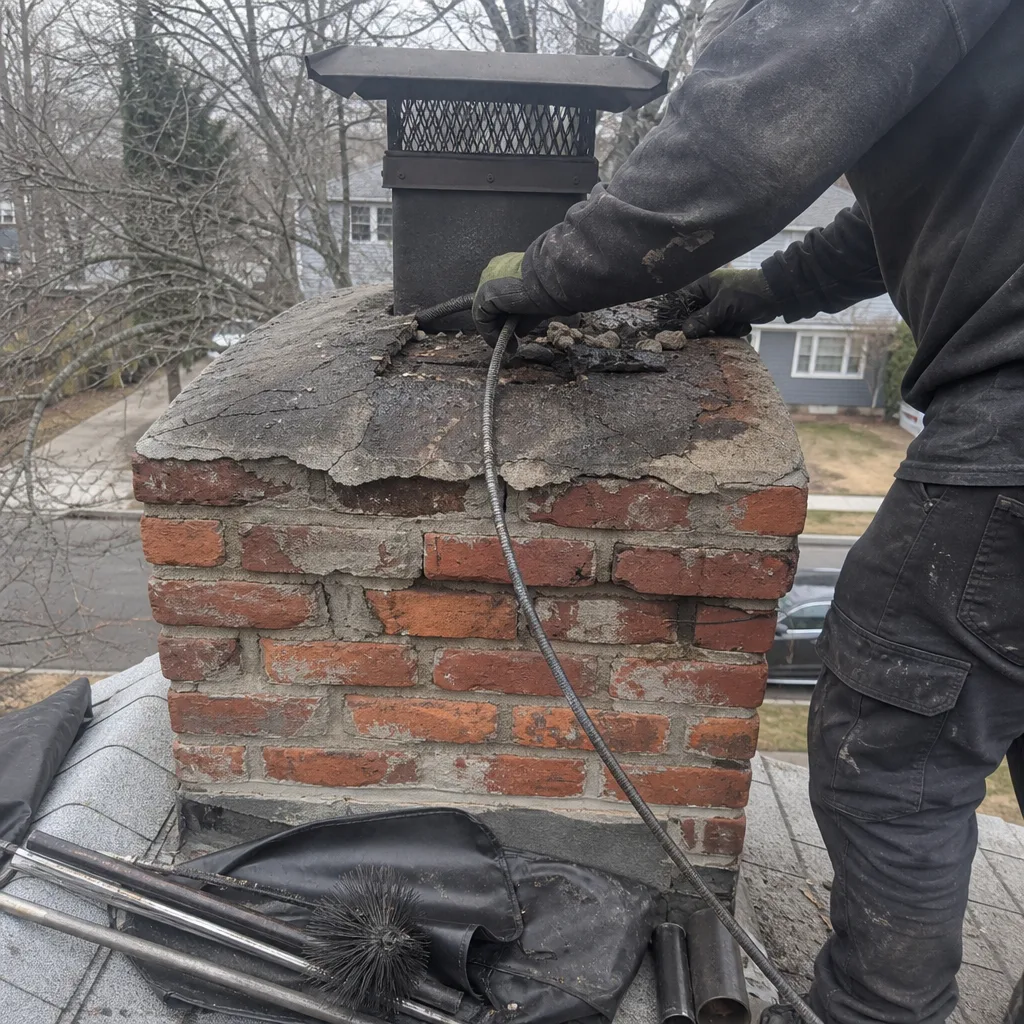 Before
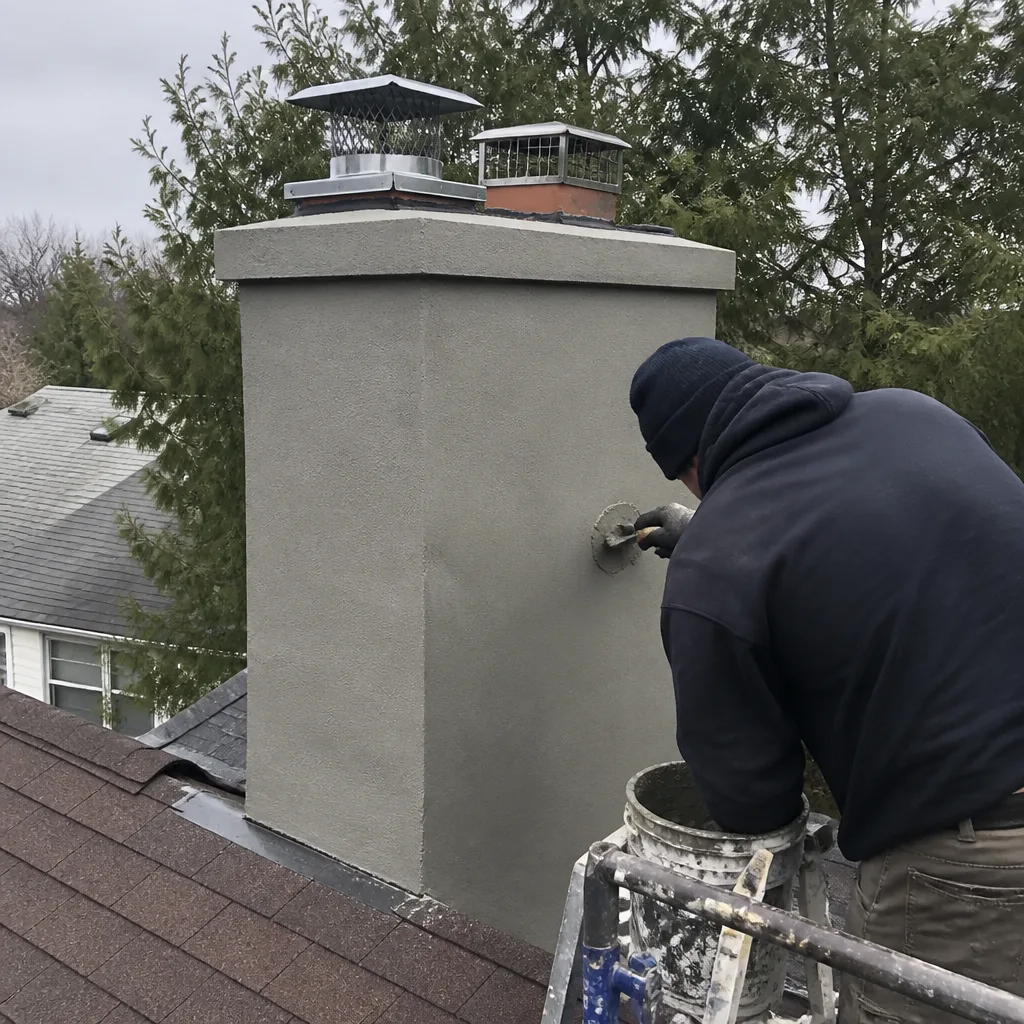 After
After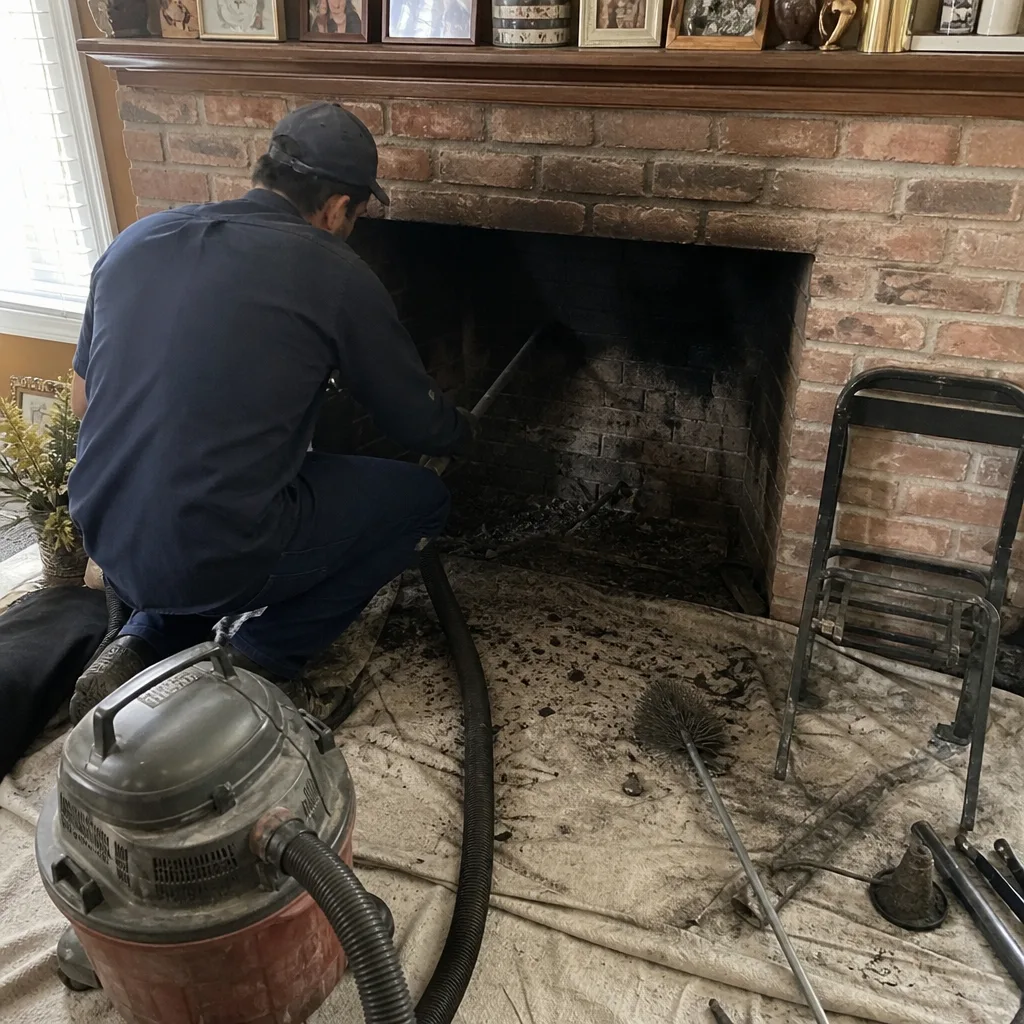 Before
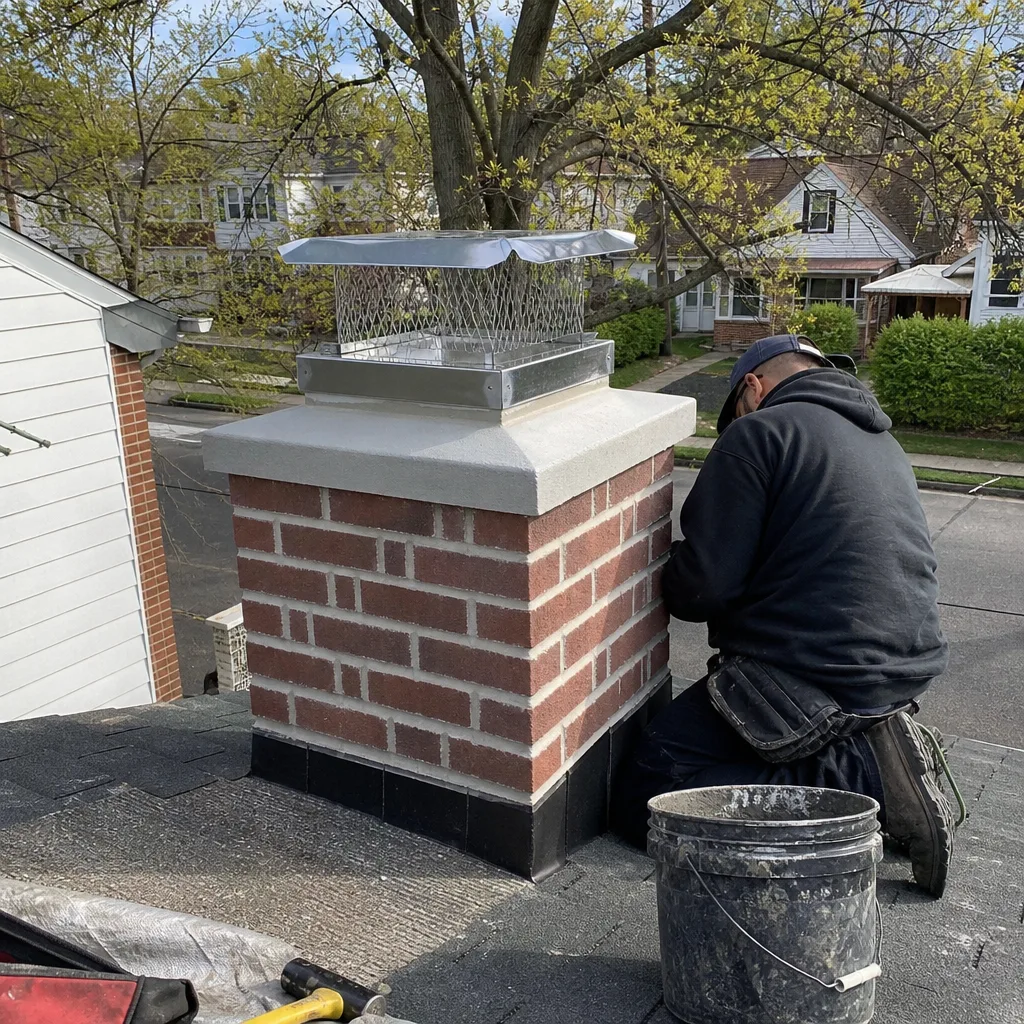 After
After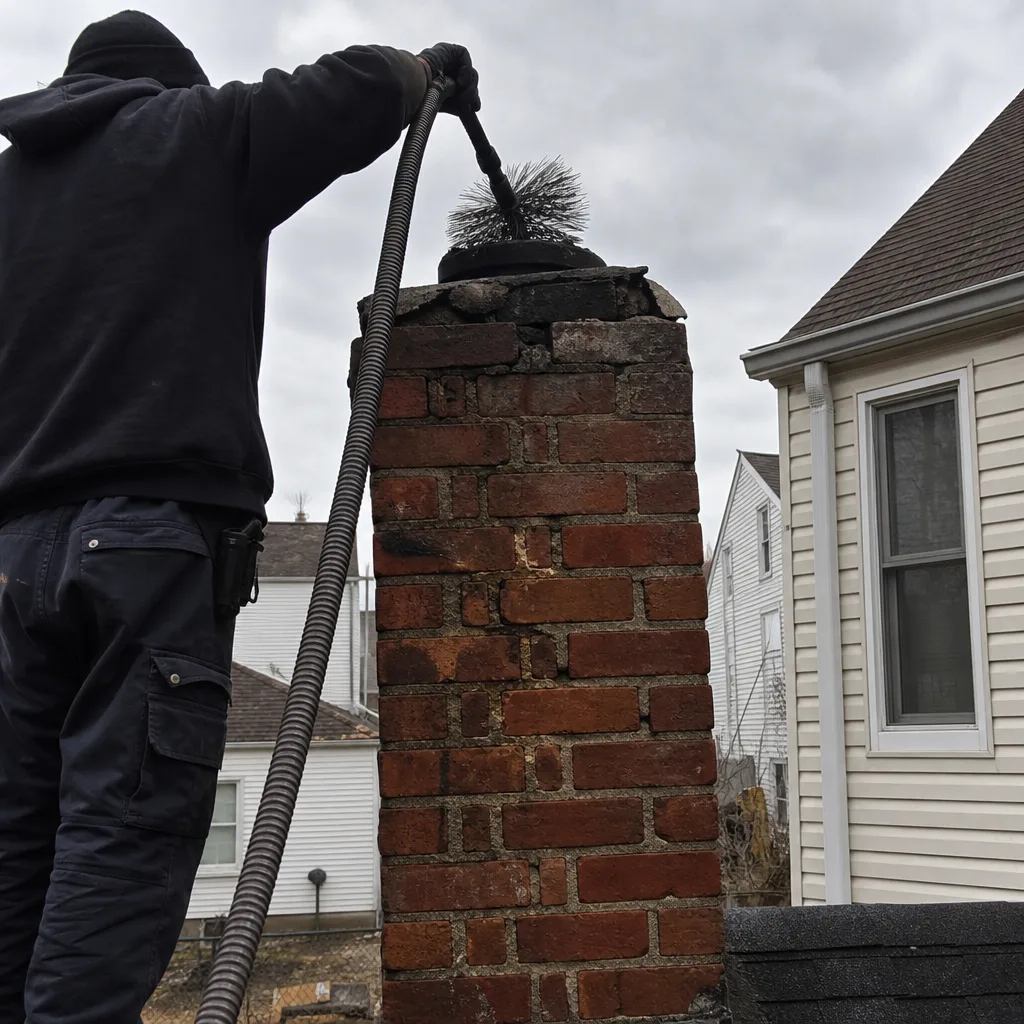 Before
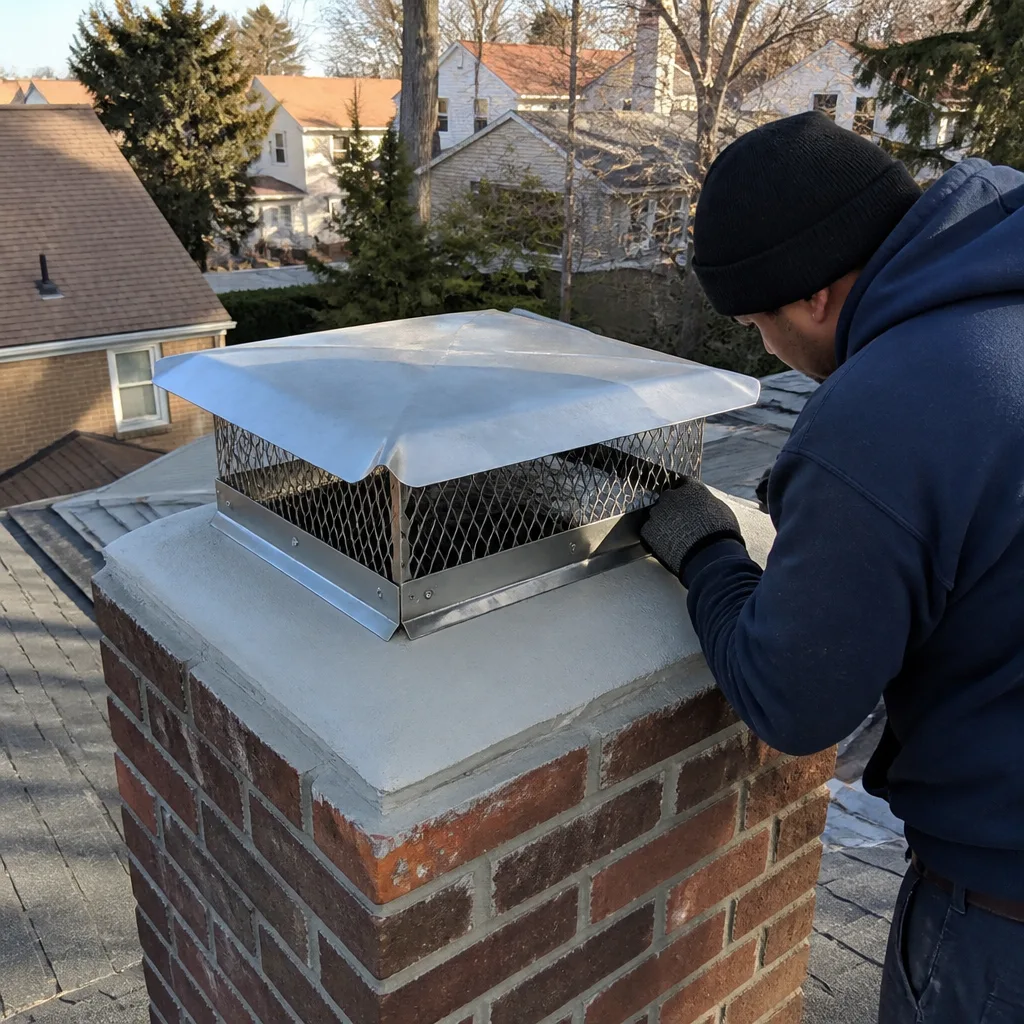 After
After