
Last updated October 15, 2026
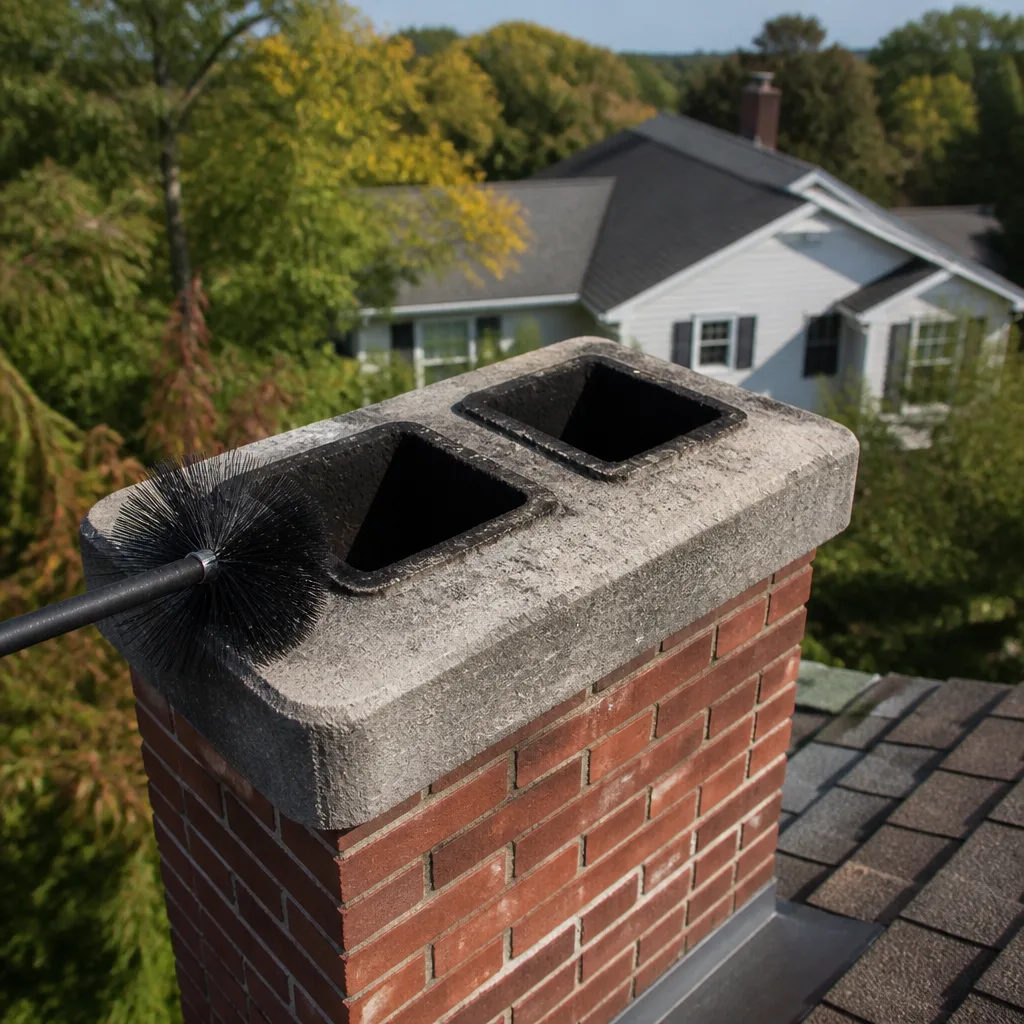 Sweep & inspection
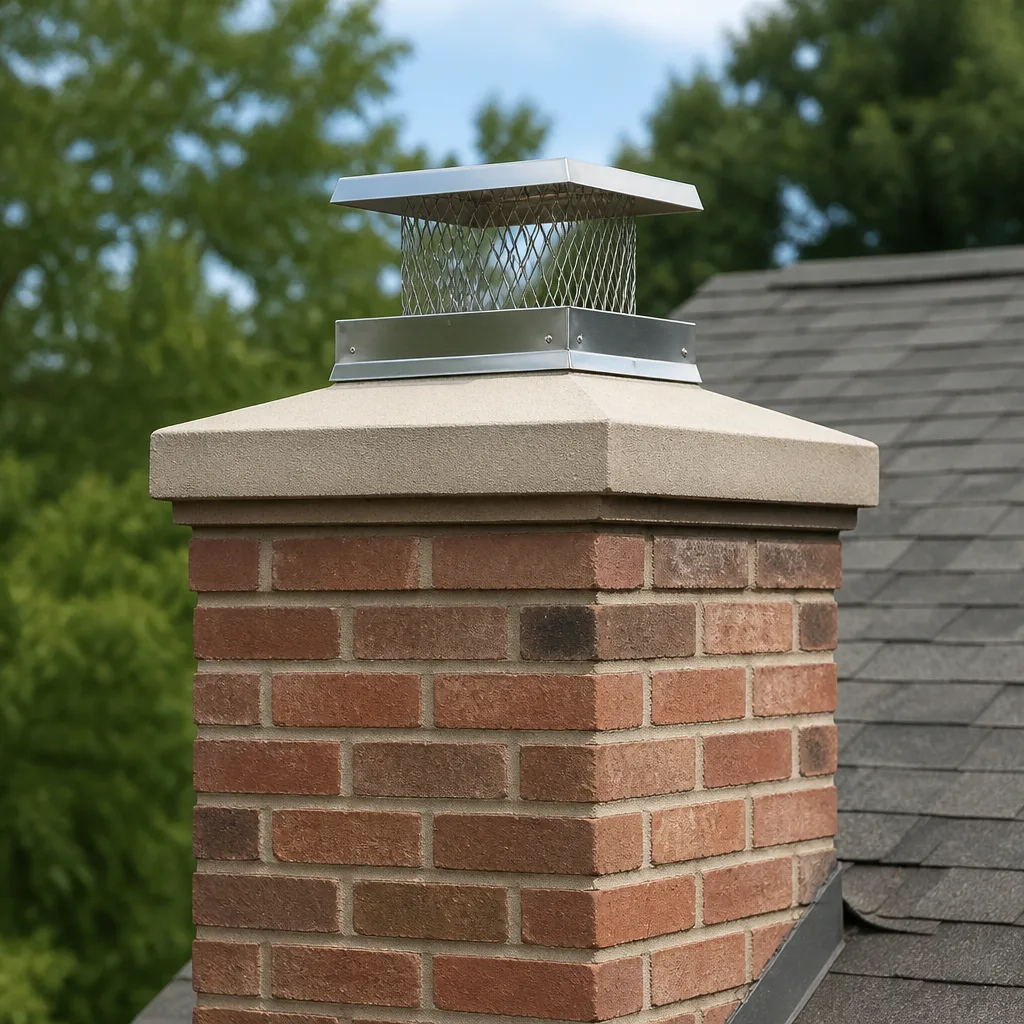 Caps & crowns
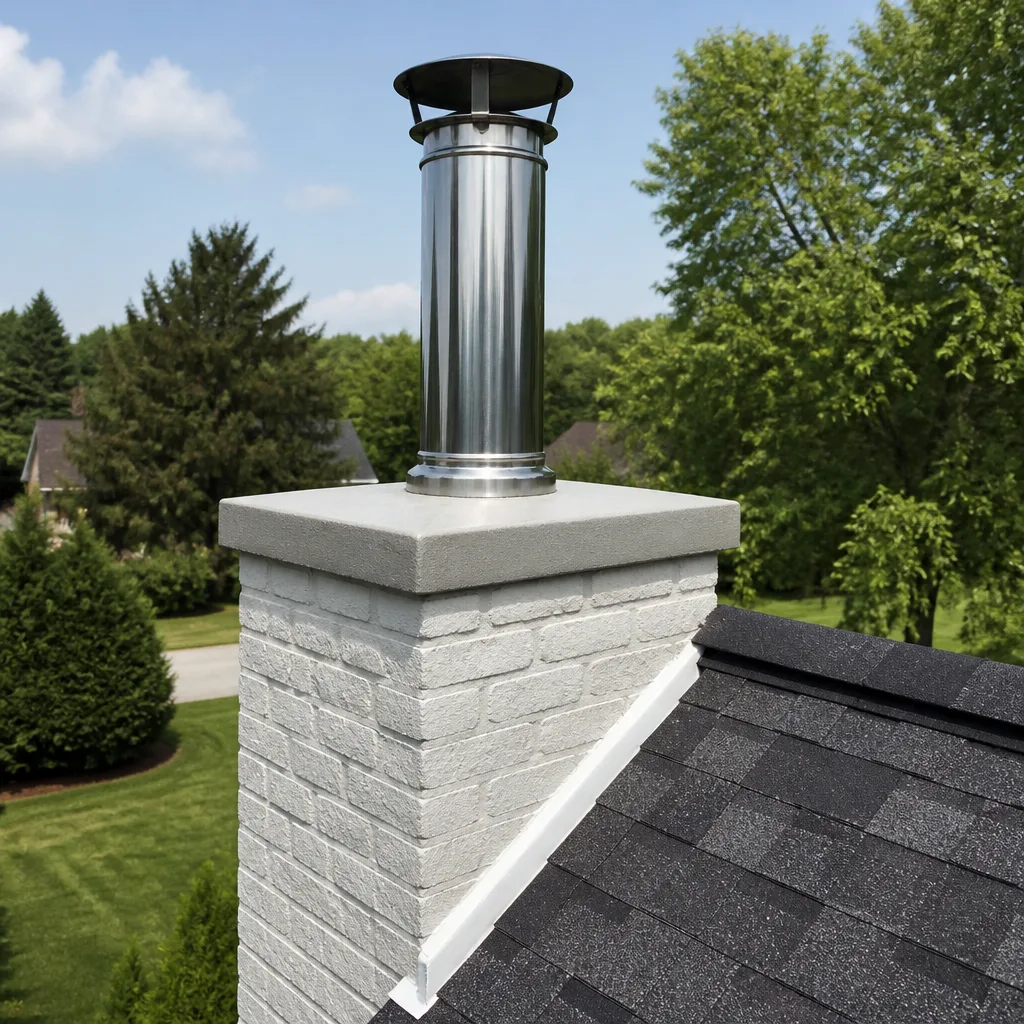 Flue relining
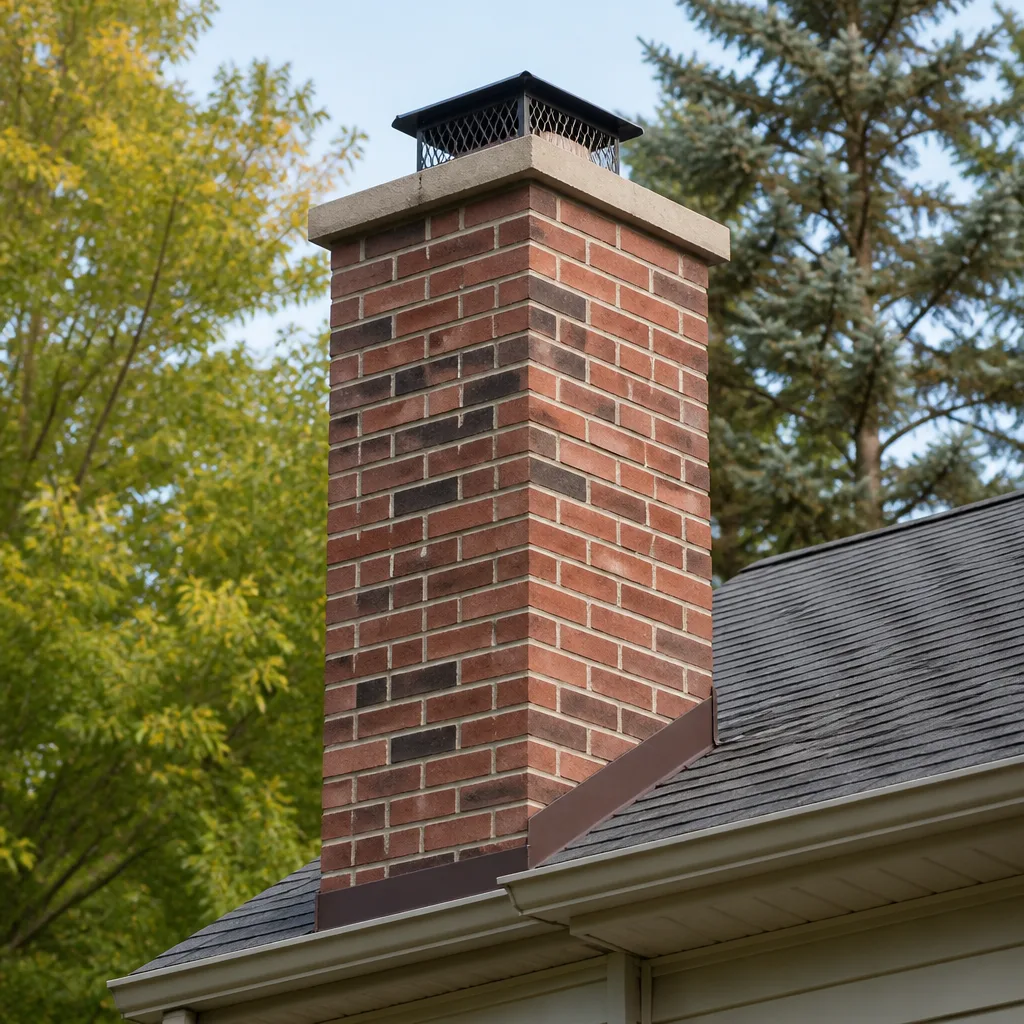 Masonry repair
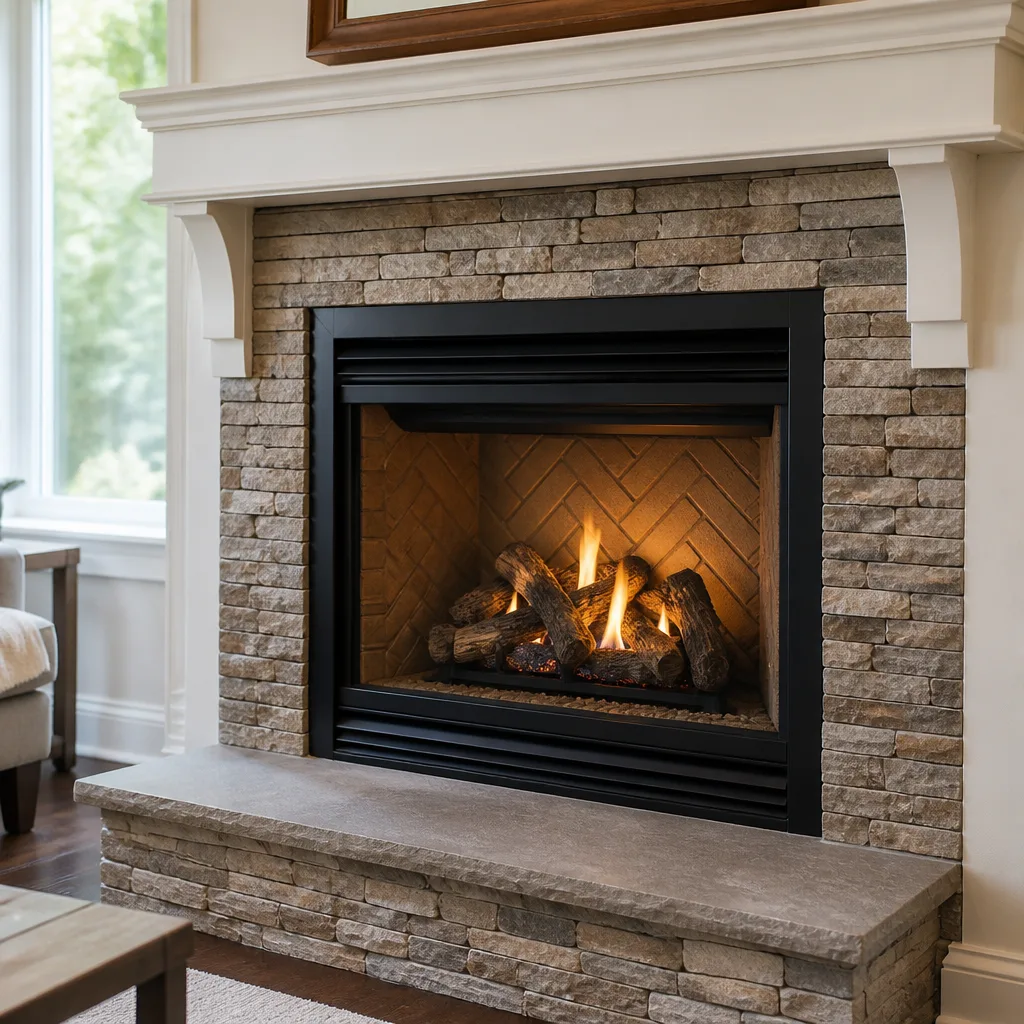 Gas fireplace service
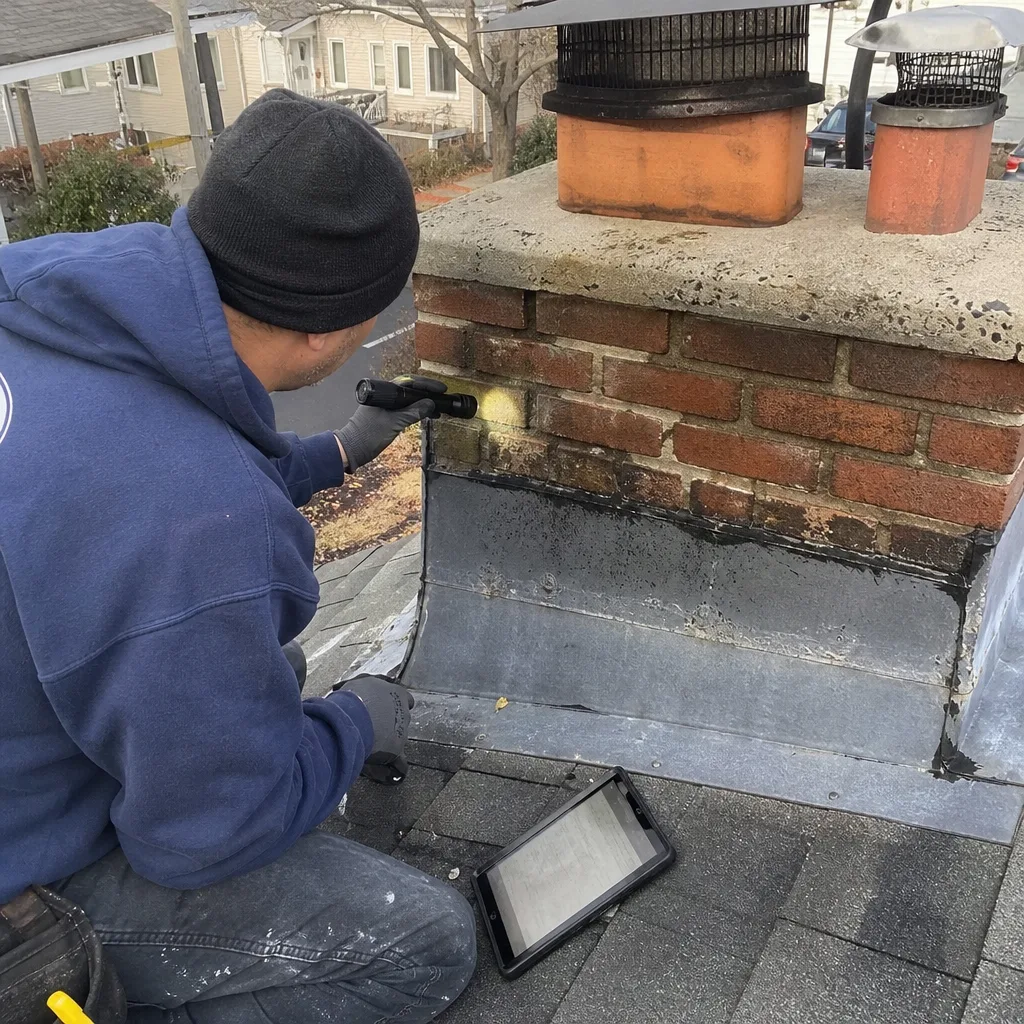
Level 1 sweep and inspection to the NFPA 211 annual standard - flue, crown, cap, and flashing checked and photographed
Chimney sweep logs do not sweep chimneys. They loosen some creosote - which then falls where a brush and vacuum still have to collect it.
Seasonal Chimney Cleaning Care for Queens: Year-Round Homeowner’s Guide
Book your chimney sweep in October in Queens and you’ll likely wait until after Thanksgiving for an appointment. Meanwhile, you’re burning fires in a flue you haven’t laid eyes on since spring. That’s not a scare tactic. It’s the reality of how compressed the fall booking window has become across the five boroughs, and it’s exactly why the conventional “clean it once before winter” advice fails Queens homeowners. This guide restructures chimney maintenance around the borough’s actual seasonal conditions: humid summers, salt-heavy air near Jamaica Bay, and a contractor market that doesn’t forgive procrastination. For Chimney Cleaning Warning Signs: A Queens Homeowner’s Reference Guide, see our dedicated resource.
Styles & brands we work with
Quick Answer
A chimney in Queens needs a sweep and inspection once per year at minimum, but the smartest time to book that service is late summer or early fall, before the October rush. The borough’s high summer humidity and coastal air accelerate creosote absorption and liner wear in ways that inland homeowners don’t experience, which means the standard “once a year in autumn” advice is incomplete. You need the sweep before burning season, plus a spring post-season check to catch moisture damage before it gets expensive.
Table of Contents
- Why Queens Weather Changes the Maintenance Calendar
- The August Window: Why Late Summer Is the Smart Booking Time
- The Month-by-Month Queens Chimney Calendar
- Spring: What to Do After the Burning Season Ends
- Gas Fireplace Owners: A Different Calendar Entirely
- Moisture and Coastal Air: What Jamaica Bay Proximity Does to Your Flue
- What a Sweep Actually Costs in Queens
- Common Mistakes to Avoid
- When to Call a Professional
- Frequently Asked Questions
- The Bottom Line
Why Queens Weather Changes the Maintenance Calendar
Queens sits in a weather pattern that punishes masonry and flue liners in specific, measurable ways. Summer humidity routinely pushes past 70 percent for weeks at a time. Winter brings freeze-thaw cycles that work water into hairline cracks and then split them open. If your home is within a few miles of Jamaica Bay, the Rockaways, or the Long Island Sound shoreline, salt-heavy air adds a corrosive element that accelerates deterioration in clay tile liners and metal components alike.
Here’s what that means in plain terms: creosote, the tar-like byproduct of wood combustion that causes most chimney fires, absorbs moisture from humid air. When summer humidity penetrates a flue, it doesn’t just sit there. It soaks into existing creosote deposits, making them denser and harder to remove than the flaky, dry creosote you’d expect from a drier climate. By the time fall arrives, a Queens chimney that was “fine” in March may hold a sticky, glazed layer that a routine brush-and-vacuum can’t handle.
The clay tile liners common in older Queens housing stock, especially in neighborhoods like Jackson Heights, Forest Hills, and Astoria, where brick construction dates back decades, absorb ambient moisture too. When that moisture combines with the freeze-thaw cycle starting in late November, spalling and cracking accelerate. We’ve pulled liner fragments from flues that looked intact from the top. The damage started with humidity absorption months earlier.
This is why a maintenance calendar built for, say, Albany or Syracuse doesn’t transfer directly to Queens. The threat profile here isn’t just “too much creosote.” It’s creosote plus moisture plus salt plus compressed timing. That combination shapes when you should schedule work, not just how often.
The August Window: Why Late Summer Is the Smart Booking Time
If you burn wood in Queens, the single best month to schedule your chimney sweep is August. Here’s the reasoning, and it’s grounded in the way the local service market actually operates.
First, contractor availability. Most Queens homeowners call for chimney service in October, when the first cold snap hits. By then, reputable sweeps are booking three to six weeks out. An October call often becomes a late November or December appointment. If you’ve already started burning by then, you’ve been using an uninspected flue for weeks. An August call lands you an appointment within days, often the same week.
Second, flue moisture levels. By late August, the summer’s peak humidity has had months to saturate creosote inside the flue. Sweeping now removes that moisture-logged buildup before it hardens further in autumn’s drier air. You also get a clear look at the liner before the freeze-thaw cycle begins. Any cracks or spalling found in August can be repaired in September or early October, before burning season, rather than in January when masonry work outdoors is slower and more difficult.
Third, repair lead time. If your August sweep turns up a deteriorated liner that needs resurfacing with HeatShield or a new DuraFlex stainless liner, you have time to schedule that work before the first fire. A November sweep that finds the same problem leaves you choosing between burning in a compromised flue or shutting down your fireplace for the winter. The difference is avoidable stress.
At Alcott Chimney Queens, we’ve watched this pattern repeat since 2002. Homeowners who book in August get the full range of options. Homeowners who book in October get whatever appointment slots remain and whatever repairs can be completed before the holidays. The price for the sweep doesn’t change based on when you book. What changes is what you can do with the results.
The Month-by-Month Queens Chimney Calendar
Distributing chimney tasks across the year prevents the fall bottleneck and catches problems at the moment they’re cheapest to fix. Here’s the calendar we recommend for wood-burning fireplaces in Queens.
- January: Burn normally. Once a month, glance up the flue with a flashlight after the fire is fully out and the damper is open. You’re looking for shiny, tar-like buildup on the walls. If you see it, note it. One mid-winter visual check per month is enough.
- February: Same routine. If you burn more than three cords per season, this is the month to consider a mid-season sweep. Heavy burners in Queens often need two sweeps annually: one in late fall, one in late winter.
- March: As burning winds down, take a close look at the firebox and damper. Note any rust, any water stains, any white efflorescence on the brick. These are moisture signals. Jot them down for your spring inspection.
- April: Schedule your post-season inspection. This is not a second full sweep necessarily. It’s a focused check of the flue, crown, flashing, and cap for winter damage. Catch a cracked crown in April and you fix a $400 problem instead of a $3,000 rebuild in October.
- May: Complete any masonry repairs found in the April inspection. Warm, dry weather is ideal for crown repair and repointing. If you need a cap replaced, order it now. Install it before summer humidity peaks.
- June: Humidity climbs. If you have a wood-burning fireplace you’re not using, close the damper and consider a top-sealing damper if you don’t already have one. A top-sealing damper blocks humid air from entering the flue from above, which is the primary moisture vector in summer.
- July: This is your reminder month. Set a calendar alert: “Book chimney sweep.” Call when you think of it. You’re ahead of schedule and it feels good.
- August: Book and complete your pre-season chimney sweep and full inspection. This is the anchor of the entire calendar. Everything else works around it.
- September: Complete any repairs found during the August inspection. Order firewood now, not in November when seasoned wood is harder to source in Queens. Stack it off the ground, covered, with airflow.
- October: Your chimney is clean and inspected. Your wood is seasoned. First fire of the season happens with full confidence.
- November: In Queens, Thanksgiving is a major burn day. You’re already prepared. Others are making frantic calls.
- December: Holiday burning season. Your mid-season visual checks continue. If you burn heavily, book a February sweep before December ends.
Spring: What to Do After the Burning Season Ends
The most overlooked chimney maintenance in Queens happens in April and May. Most homeowners stop thinking about the fireplace the moment the last fire goes out in March. That gap between March and August is where preventable damage compounds.
Start with a simple visual inspection you can do yourself. Look at the chimney crown from the ground with binoculars. You’re checking for cracks, crumbling mortar, or missing sections. Look at the flashing where the chimney meets the roof line. Rust, lifted edges, or gaps mean water is getting in. Inside, check the firebox walls for efflorescence, the white, powdery mineral deposit that signals water moving through masonry. Check the damper for rust.
Then call for a professional post-season inspection. This is less involved than a pre-season sweep because you’re not removing creosote. The technician is looking for winter damage: spalled brick faces, deteriorated mortar joints, damaged cap screens, water stains in the flue. In our experience serving Queens since 2002, the spring inspection catches more structural problems than the fall inspection does, because winter is the season that does the most damage.
The spring check matters because summer heat and humidity then work on whatever cracks winter created. A hairline crack in a crown, left through a humid Queens summer, widens. Moisture gets deeper. By fall, what was a $400 repair in April is a crown rebuild at three times the cost. The calendar shift isn’t about saving money in the abstract. It’s about catching damage in the season before it worsens.
If you burned wood regularly through the winter, the spring inspection should also note any creosote remnants. A light film is normal. But if the technician finds substantial buildup even after your fall sweep, your burning habits or wood moisture content need adjusting. Better to learn that in April than in December.
For homeowners who want the full year-round plan, our Chimney Inspection in Queens service includes both the post-season and pre-season evaluations. The two inspections bookend the calendar and mean you’re never more than six months from a professional set of eyes on the flue.
Gas Fireplace Owners: A Different Calendar Entirely
If you have a gas fireplace in Queens, the wood-burning calendar doesn’t apply to you. Gas fireplaces don’t produce creosote, which means the “annual sweep” advice is largely irrelevant. But that doesn’t mean you’re maintenance-free. Your risks are different: burner orifice blockages, venting failure, gas leaks, and carbon monoxide risk.
Here’s the adjusted calendar for gas units.
- September: Schedule a gas fireplace inspection and service. The technician checks the burner, pilot assembly, thermocouple, vents, and glass seal. This should happen once per year, before the season when you’ll actually use the unit. September beats October for the same reason August beats October for wood burners: availability.
- October: First ignition of the season. If the flame burns mostly blue with small yellow tips, gas pressure and air mixture are right. A mostly yellow, lazy flame means incomplete combustion and needs attention.
- November through March: Monthly visual check while running. Look for soot on the glass, unusual odors, or any change in flame pattern. Carbon monoxide detectors should be tested at the start of the season regardless.
- April: Shut down for the season. Turn off the pilot if your unit has a standing pilot. Clean the glass per manufacturer instructions. Consider a dust cover if the unit sits unused for months.
The humidity concern applies differently for gas units. Gas fireplaces don’t have flue liners absorbing moisture the way wood-burning chimneys do, but the venting and exterior components still contend with Queens’ coastal air. Galvanized vent caps on older gas units corrode faster near the water. Replace them at the first sign of rust. A failed vent cap lets rain and humidity into the vent run, and that water finds its way to the burner assembly.
If your gas fireplace is acting up, anything from a pilot that won’t stay lit to a burner that won’t fire, Gas Fireplace Repair in Queens is a service we provide year-round. The repair season for gas units is actually winter, when the unit is in use and failures surface, so response matters. Our phones are answered by a live person around the clock, which matters when the fireplace is your primary heat source for a room and it quits on a cold evening.
Moisture and Coastal Air: What Jamaica Bay Proximity Does to Your Flue
Queens is geographically diverse in a way that affects chimney maintenance block by block. The humidity in Howard Beach or Broad Channel, surrounded by Jamaica Bay, differs from the humidity in Bayside or Little Neck, which face Long Island Sound, which differs again from central Queens neighborhoods like Rego Park or Kew Gardens. But all of Queens shares one reality: proximity to saltwater on at least two sides.
Salt-heavy air reacts with the materials in your chimney. Clay tile liners, the standard in older Queens homes, are porous. They absorb humid, salty air during summer months. When the absorbed water evaporates, it leaves salt crystals behind in the tile’s pore structure. Those crystals expand and contract with temperature changes, slowly pitting the liner surface. Over years, this creates the kind of surface degradation that a standard sweep can’t reverse.
Stainless steel components, including caps, flashing, and the liners used in modern installations like DuraFlex systems, resist salt corrosion better than galvanized steel but aren’t immune. Coastal Queens homes with galvanized caps often see rust-through within five to seven years. The same cap in a dryer climate might last twice that long. When we inspect chimneys in Rockaway or Broad Channel, cap and flashing corrosion is the most common finding.
Masonry chimneys face additional stress. Brick and mortar both absorb moisture. The salt content in coastal air accelerates the breakdown of lime-based mortar joints. Repointing cycles that last fifteen years inland may need repeating in ten to twelve years near the water.
The practical takeaway: if you live within a mile of Jamaica Bay, the Atlantic shore, or the Sound, consider scheduling your chimney inspection on the earlier side of the recommended windows. August for the pre-season sweep, March or early April for the post-season check. The added moisture load means your chimney accumulates damage slightly faster than the borough average, and an earlier look costs the same as a later one.
We also recommend upgrading corroded components to coastal-grade materials when replacement becomes necessary. DuraFlex stainless liners, Famco caps, and Copperfield flashing systems are the brands we install because they hold up better in Queens’ salt-heavy air than box-store substitutes. The difference in material cost is modest. The difference in lifespan near the water is meaningful.
What a Sweep Actually Costs in Queens
A standard chimney sweep in Queens, for a wood-burning fireplace, typically runs $200 to $350 before any repairs. That’s the sweep itself: removing creosote from the flue, cleaning the firebox, checking the damper, and confirming the unit draws properly. If you add a full Level 2 inspection, which includes a camera scan of the flue interior, expect to pay $350 to $600 total depending on the size and condition of the chimney.
Here’s a breakdown of what you’re paying for and what affects the price:
- Standard sweep, no complications: $200 to $300. Accessible roof, cap in good condition, normal creosote buildup.
- Heavy creosote removal: $300 to $450. Glazed or stage-three creosote requires chemical treatment or more aggressive mechanical removal. Common in Queens homes that went multiple years between sweeps.
- Camera inspection add-on: $100 to $200. We include this in our full inspections because a flue you can’t see is a flue you can’t verify. The camera shows you the liner’s actual condition, and you get the images.
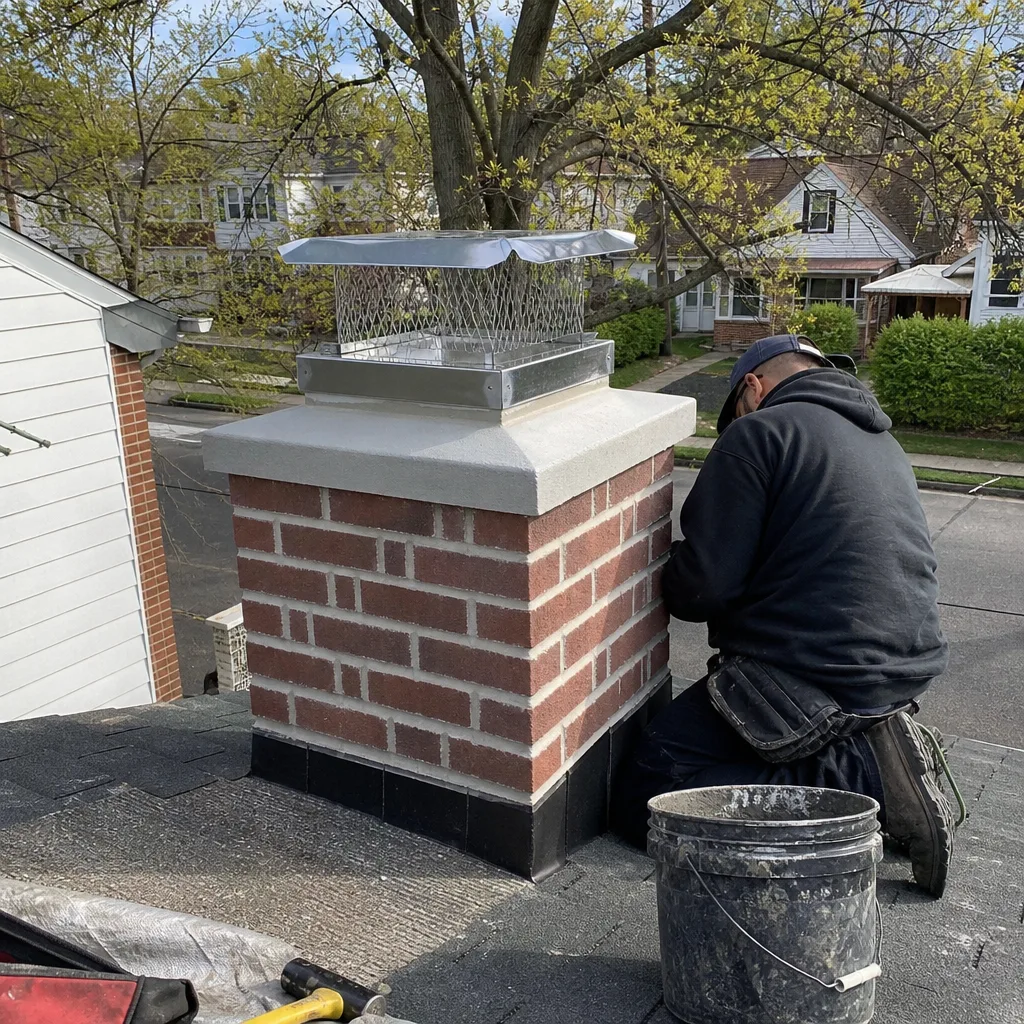
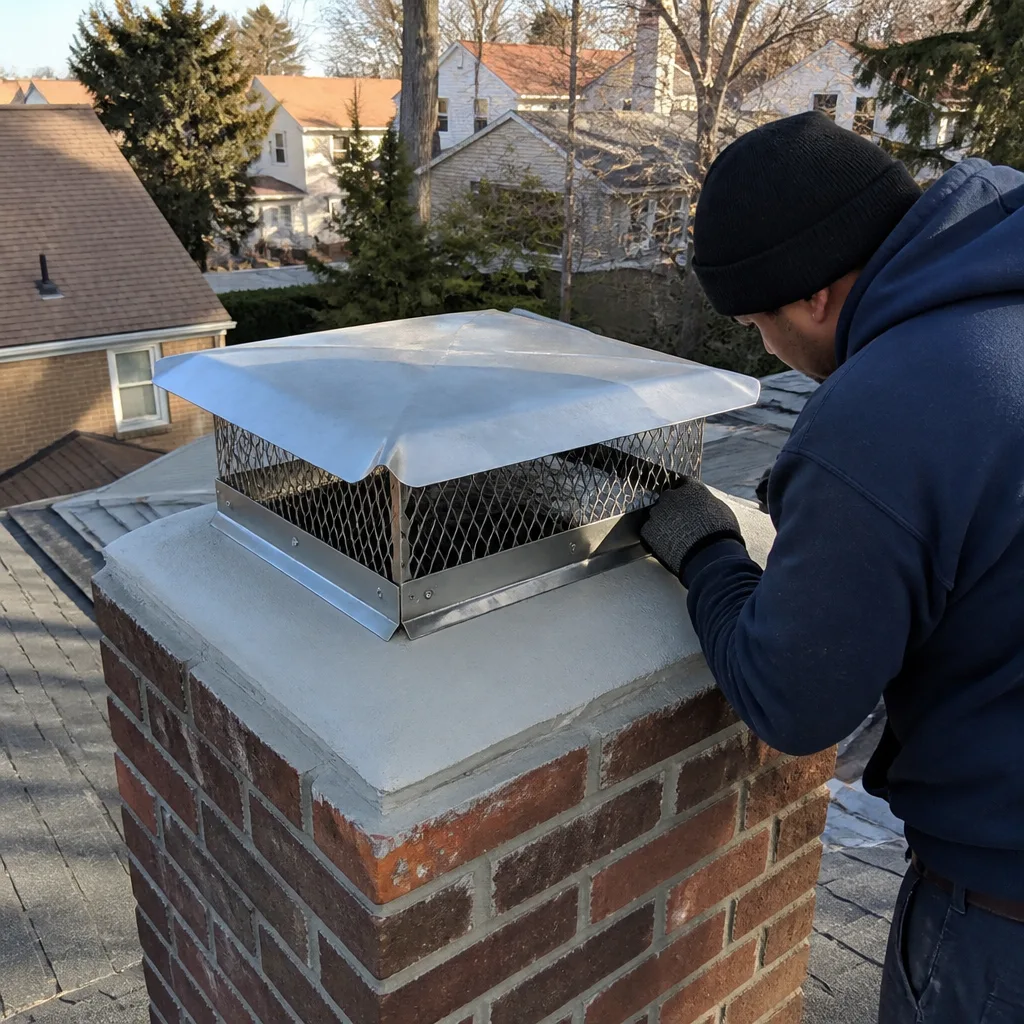
- Cap replacement: $150 to $400 installed, depending on material. Galvanized is cheaper. Stainless cap from Famco or Olympia Chimney runs higher but lasts longer near the coast.
- Liner resurfacing with HeatShield: $2,500 to $4,500 depending on flue length. This repairs cracked clay tile liners without a full rebuild.
- Full stainless liner installation with DuraFlex: $3,500 to $7,000 depending on access and chimney height. This is the permanent fix for a failed clay liner.
Those are real ranges for the Queens market. They’re not quotes, because every chimney is different, but they’re the numbers we’ve seen consistently since 2002. A reputable company gives you a written price before any work starts, so there’s no surprise at the end. At Alcott Chimney Queens, that written price is a non-negotiable part of every job. You’ll know the number before we touch anything, and if the scope changes mid-job, you approve the change in writing before it happens.
For a more detailed look at our sweep service and what’s included, see our Chimney Sweep in Queens page. For the full Alcott Chimney Queens home service overview, start there.
Common Mistakes to Avoid
- Skipping the spring inspection entirely. The April or May post-season check catches winter damage before summer humidity compounds it. Skipping it means your August sweep discovers problems that have been worsening for four extra months.
- Burning unseasoned wood because it was cheap on a Queens street corner. Wet wood produces more creosote and deposits it faster. Seasoned hardwood costs more per cord but burns cleaner and requires fewer mid-season sweeps.
- Assuming a gas fireplace needs no annual service. Gas units don’t need sweeping, but they need burner, vent, and safety checks yearly. The failure mode isn’t creosote, it’s carbon monoxide.
- Using a top-sealing damper as a substitute for sweeping. A top-sealing damper reduces summer moisture intrusion, which is good. It doesn’t remove creosote or inspect the liner. Both are needed.
- Waiting until you smell smoke in the house to call for help. That smell means smoke is backdrafting, which usually means a blockage or draft problem. By then you’ve been breathing compromised air. The annual sweep prevents this timeline.
- Hiring the cheapest sweep found on a marketplace app without verifying credentials. A bad sweep can damage the liner, miss blockages, or fabricate repair needs. You want a technician whose identity you can verify. At Alcott, every technician is background-checked and identity-verified, and you get their name and photo before they arrive.
- Painting over efflorescence as a “fix” for moisture. Efflorescence is a symptom of water moving through masonry. Paint traps the moisture and makes the underlying problem worse. The fix is addressing the water source, not covering the evidence.
When to Call a Professional
Some chimney tasks are safe and sensible for a homeowner to handle: monthly visual checks, keeping the damper closed in summer, testing carbon monoxide detectors, stacking firewood properly. Other tasks are not. A professional should handle any work that involves accessing the roof, inspecting the flue interior, removing creosote, repairing the liner, or evaluating structural masonry. See our Chimney Cleaning Permits, Codes & Inspections in NY: What You Need to Know for regulatory context. The flue is a confined space with serious fall and fire implications. High-roof access in Queens, where many homes are two or three stories with pitched roofs, adds real risk. Let someone trained and insured handle it.
If you notice any of the following, call a professional rather than investigating further on your own: a strong smoky odor when the fireplace isn’t in use, visible cracks in the chimney crown or firebox, water in the firebox after rain, rust on the damper or visible flue components, or a fire that burns lazily with lots of smoke. These all indicate conditions that a camera inspection should evaluate. Alcott Chimney Queens offers free estimates in Queens. Call (518) 719-4643 and a live person will answer, day or night.
Frequently Asked Questions
Once per year for wood-burning fireplaces, ideally in late summer before burning season begins. Homes that burn more than three cords per season, or that burn softwoods, may need a second sweep in late winter. Gas fireplaces don’t need sweeping but should have an annual safety inspection. Call (518) 719-4643 for a free estimate on a sweep in Queens.
You should never accept a liner recommendation without seeing camera evidence of the damage. A legitimate company will show you the images from the camera scan and explain exactly what you’re seeing. Cracked clay tiles, significant spalling, or gaps between tile sections are real problems that require resurfacing with HeatShield or a new DuraFlex stainless liner. If a technician recommends a liner without camera images, get a second opinion. At Alcott Chimney Queens, nothing is recommended without visual proof you can review yourself.
One skipped year with light burning is usually recoverable, though the creosote will be heavier and the sweep may cost more due to the extra labor. Two or more skipped years with regular burning significantly raises the risk of a chimney fire, because creosote builds in layers. The top layer ignites, and the heat drives deeper into the older, denser layers below. A chimney fire can crack the liner, damage the masonry, and in the worst case spread to the house structure.
Yes, especially in coastal neighborhoods like Rockaway, Broad Channel, and Howard Beach where summer humidity is highest. A top-sealing damper blocks humid air from entering the flue from above, which reduces the moisture that saturates creosote and accelerates liner deterioration. It doesn’t replace sweeping or inspection, but it meaningfully reduces summer moisture damage. Expect to pay $400 to $800 installed depending on flue size.
You can buy the brush and rods at a hardware store, but doing the job properly requires roof access, proper fall protection, and the knowledge to interpret what you find. Most Queens roofs are steep enough that a fall is a real risk. The sweep itself isn’t the hard part. Knowing whether the creosote you removed was the only problem is the hard part. A professional sweep includes a trained eye on the liner, crown, flashing, and cap. That’s where the value is.
Before any Alcott Chimney Queens appointment, you receive the technician’s name and photo. When they arrive, they’re required to show a photo ID badge at the door. This is the Threshold Standard: every technician is background-checked, identity-verified, and uniformed. No exceptions. If the person at your door doesn’t match the name and photo you were sent, don’t let them in. Call (518) 719-4643 to verify.
The Bottom Line
Queens homeowners get the best results from chimney care when they stop treating it as a once-a-year fall chore and start spreading it across the calendar. Book the sweep in August, inspect in April, repair in May and September, and never burn a fire in an uninspected flue. The borough’s humidity and coastal air make moisture a year-round threat, not a winter one. Gas fireplace owners need a parallel but different calendar built around annual safety checks rather than creosote removal. Whatever your fuel type, the goal is the same: know your flue’s condition before you need to rely on it, and never open your door to a technician whose name you don’t know. If you’re in Queens and ready to schedule, call (518) 719-4643 for a free estimate. A live person answers, day or night.
Written by Ruben Castellano, Owner at Alcott Chimney Queens, serving Queens since 2002. Browse our more guides & resources for year-round chimney care.
See the difference
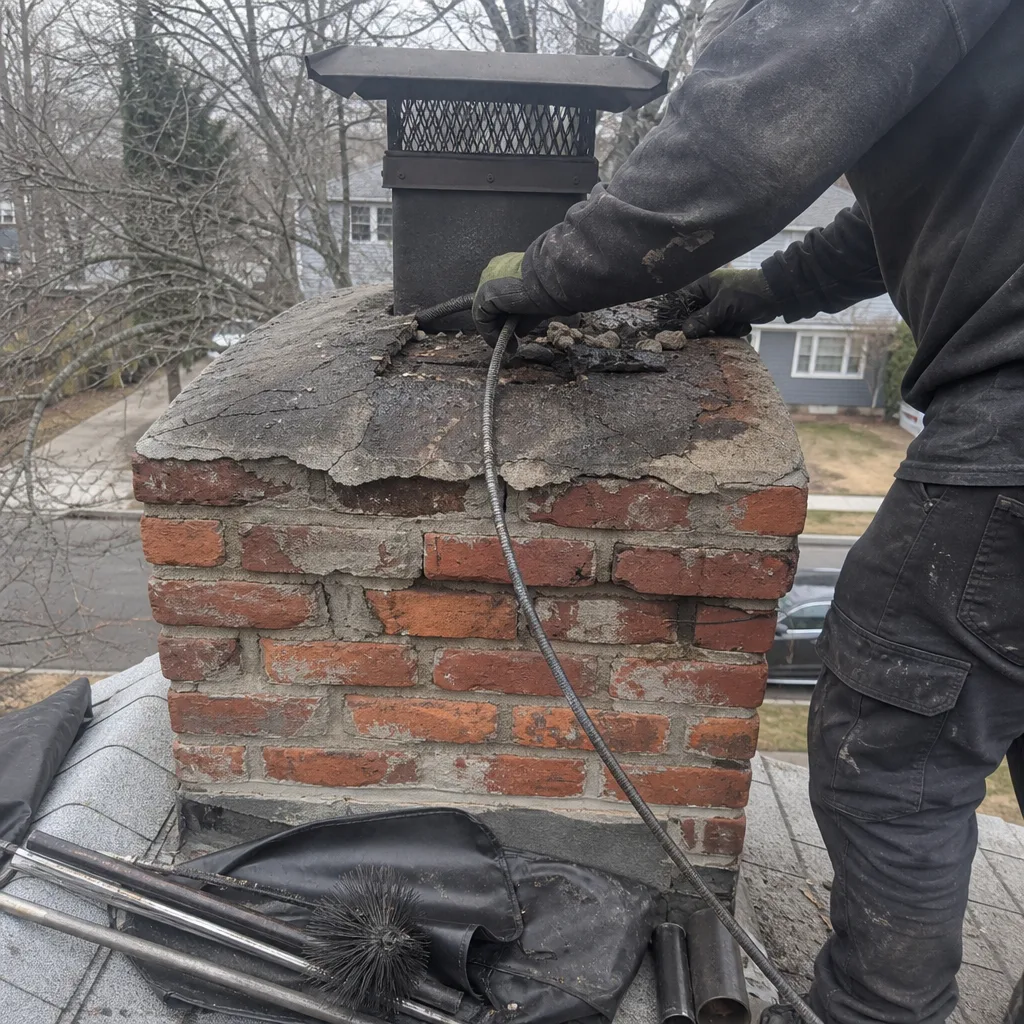 Before
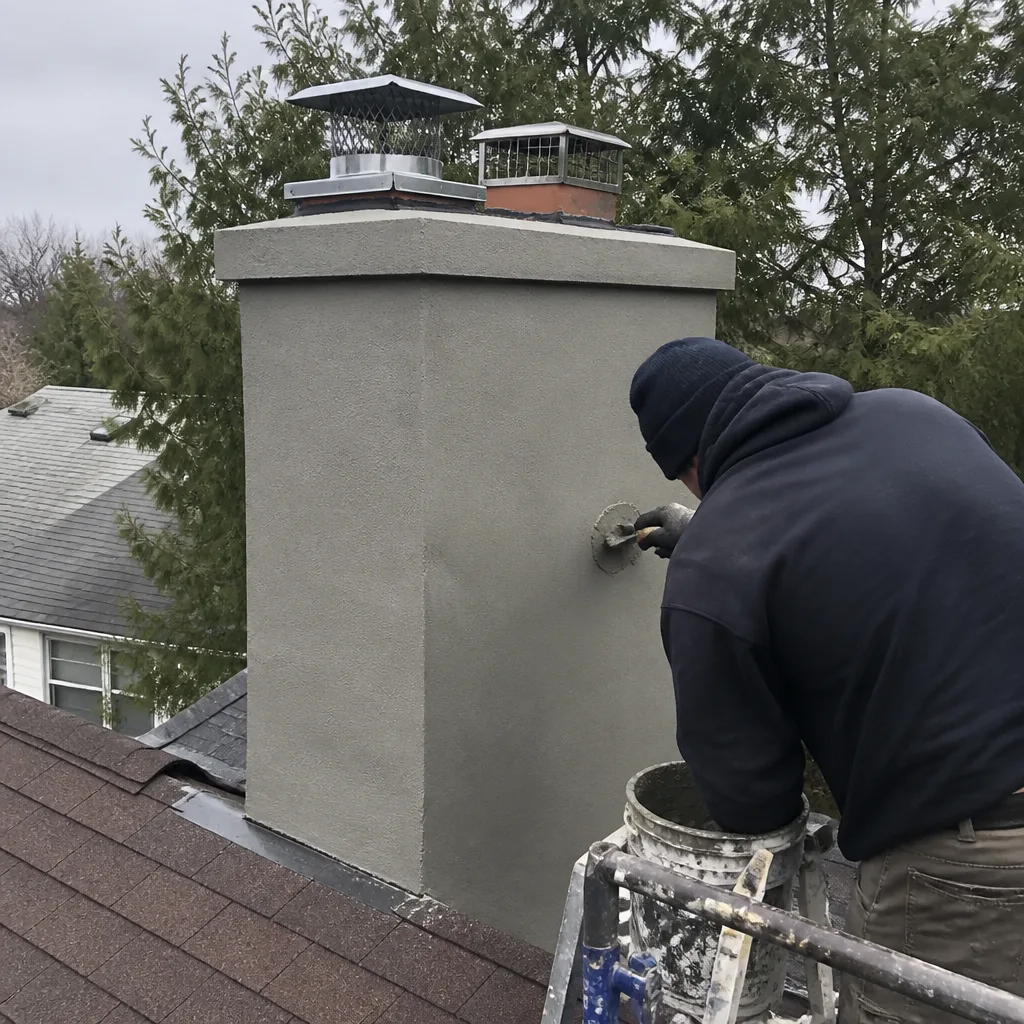 After
After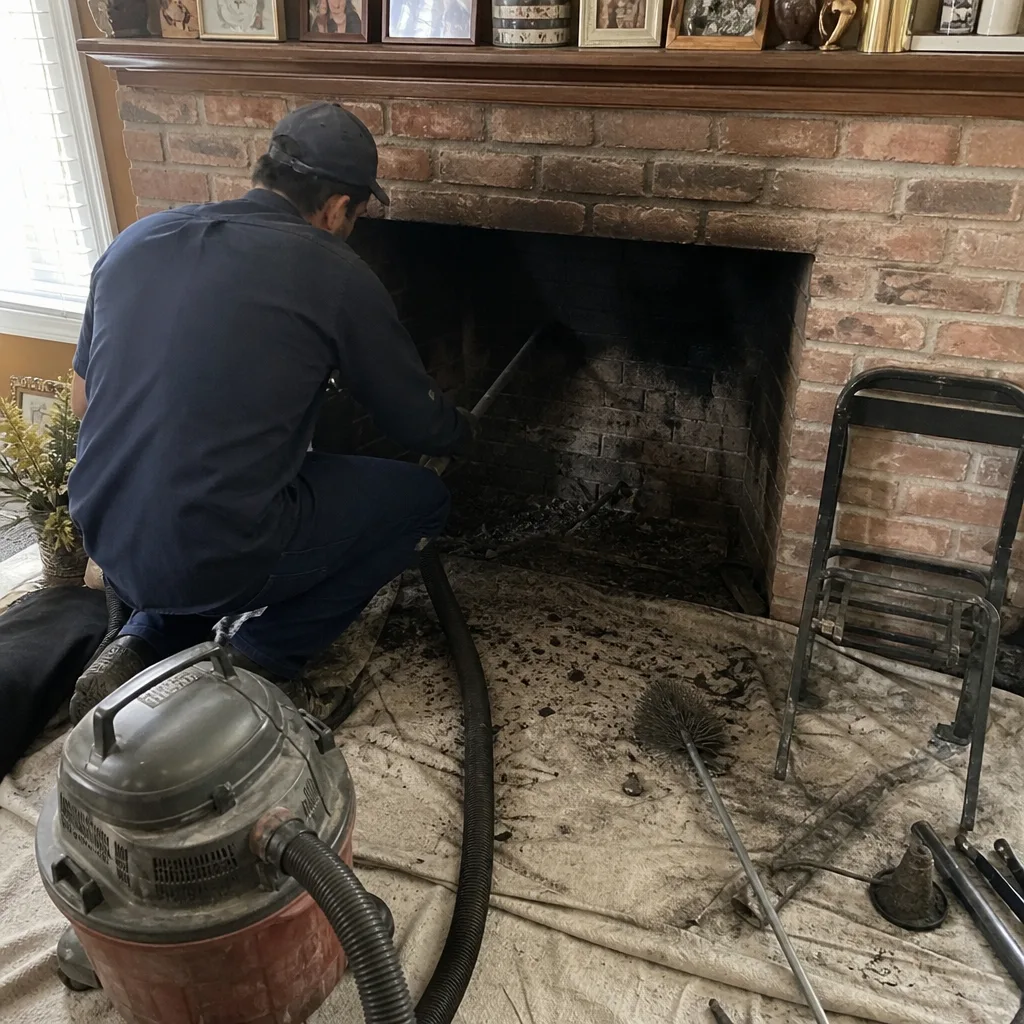 Before
 After
After Before
 After
After