
Last updated October 15, 2026
 Sweep & inspection
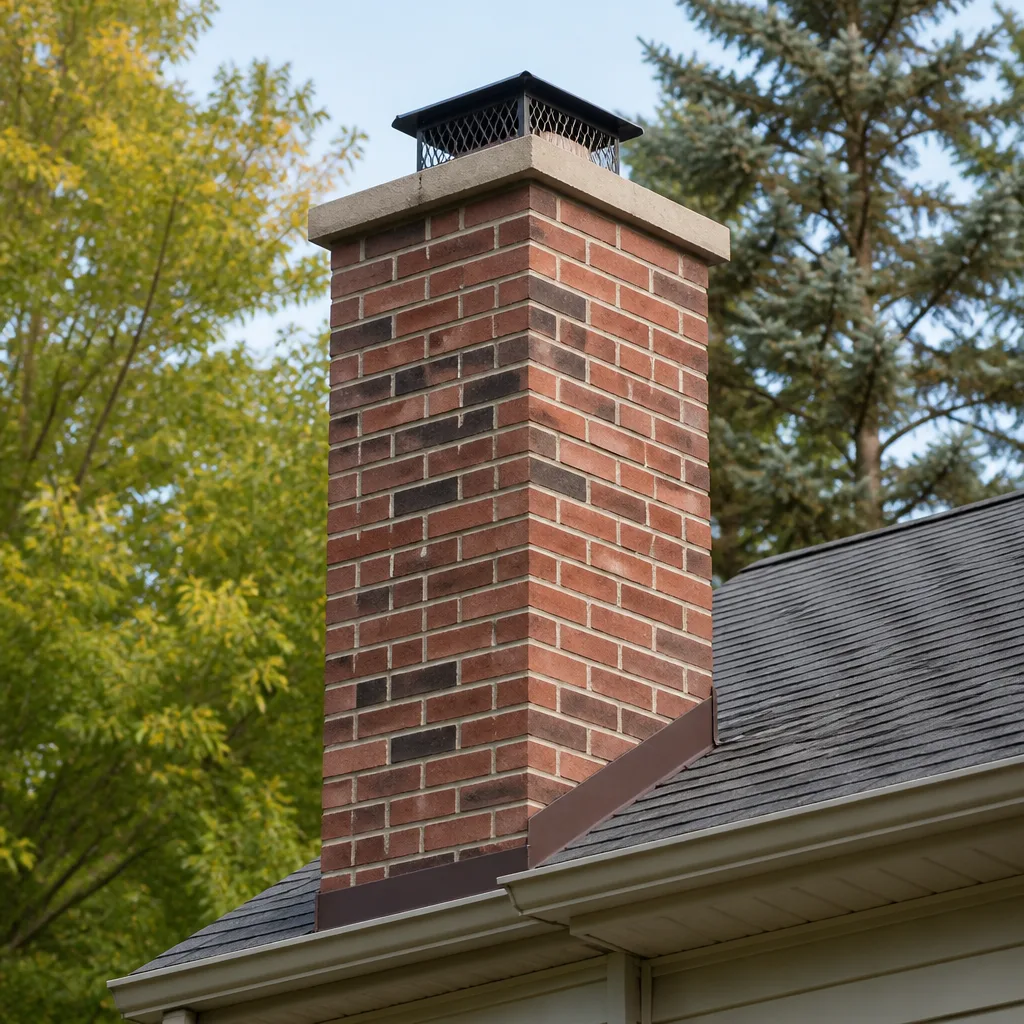
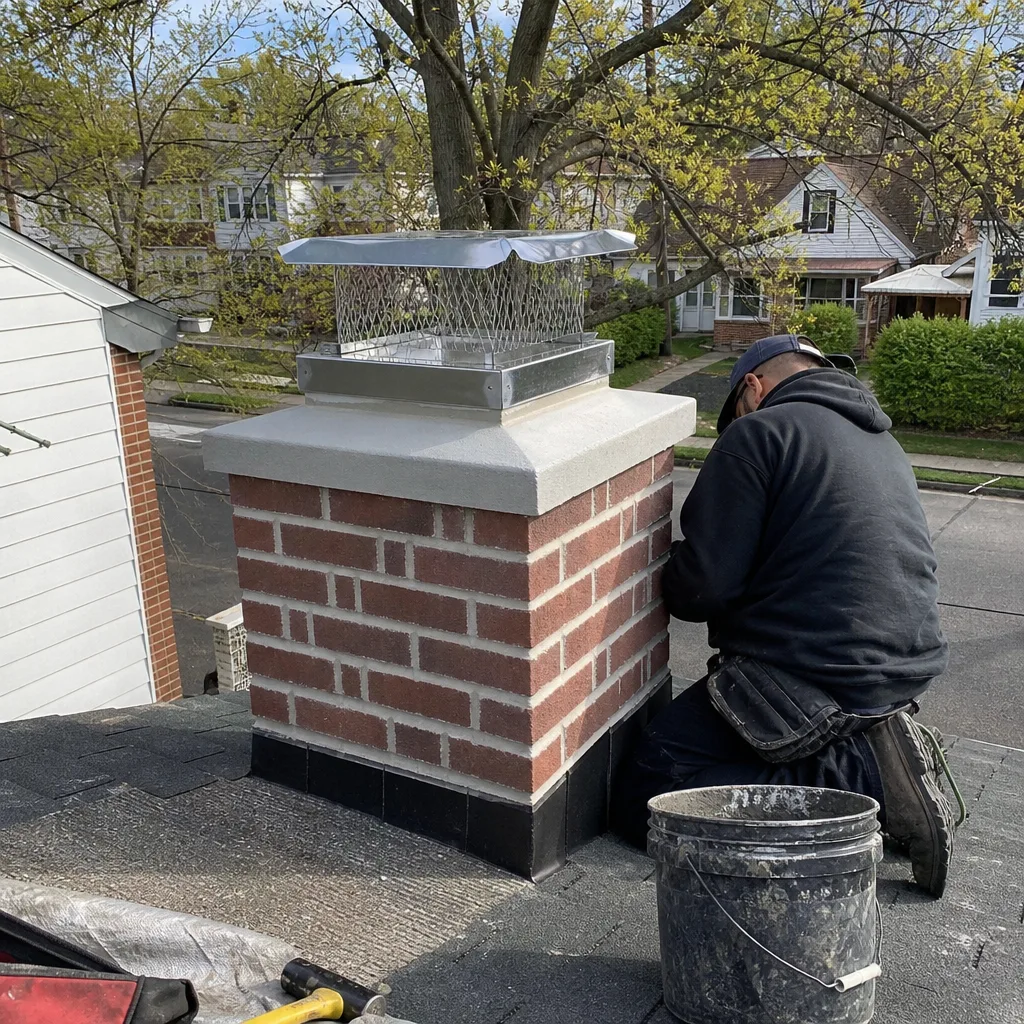
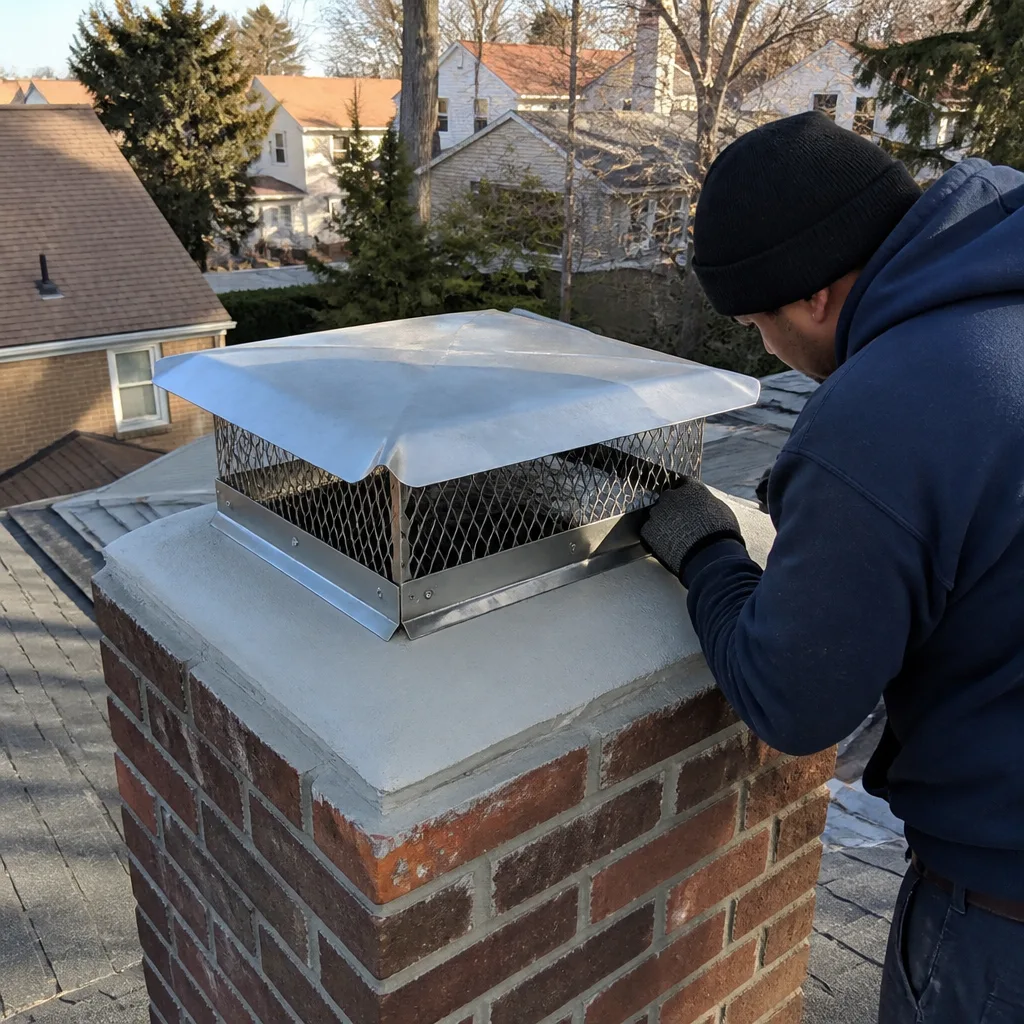
 Caps & crowns
 Flue relining
 Masonry repair
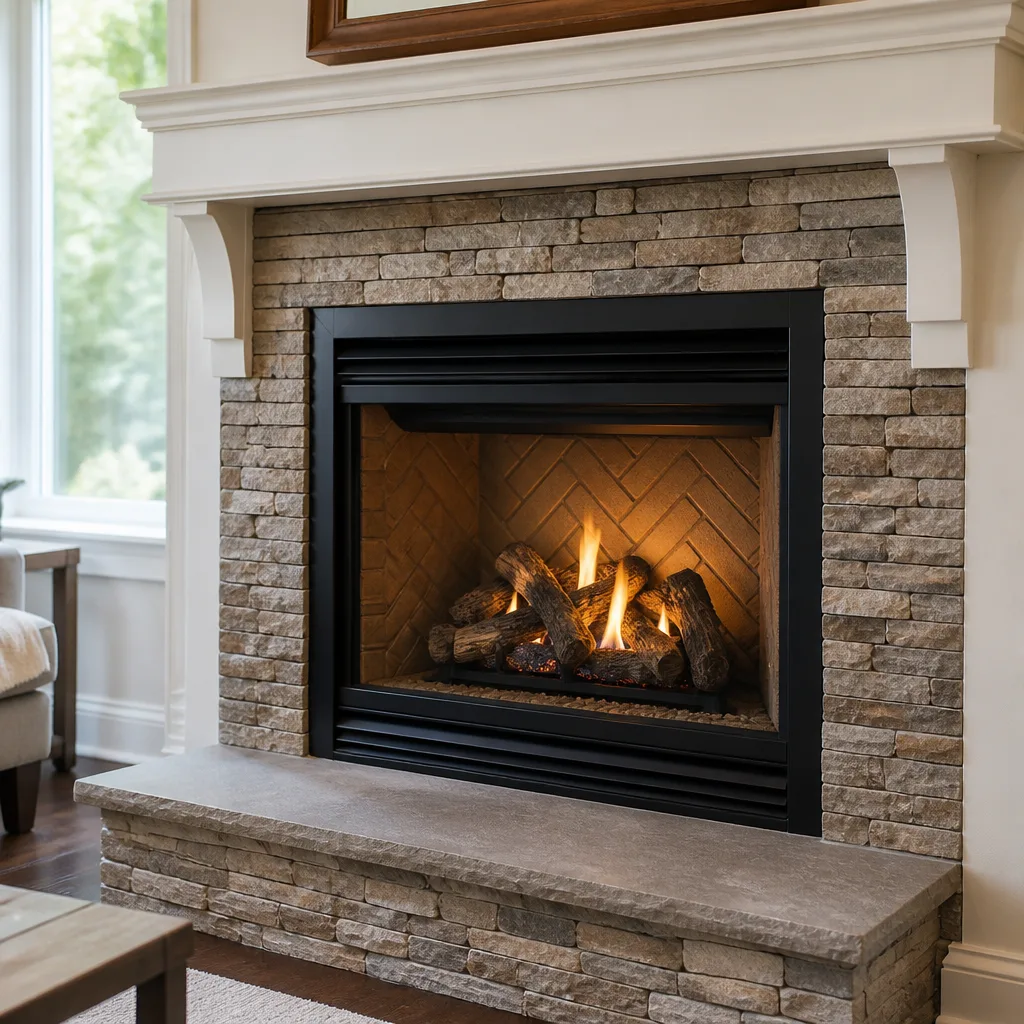 Gas fireplace service
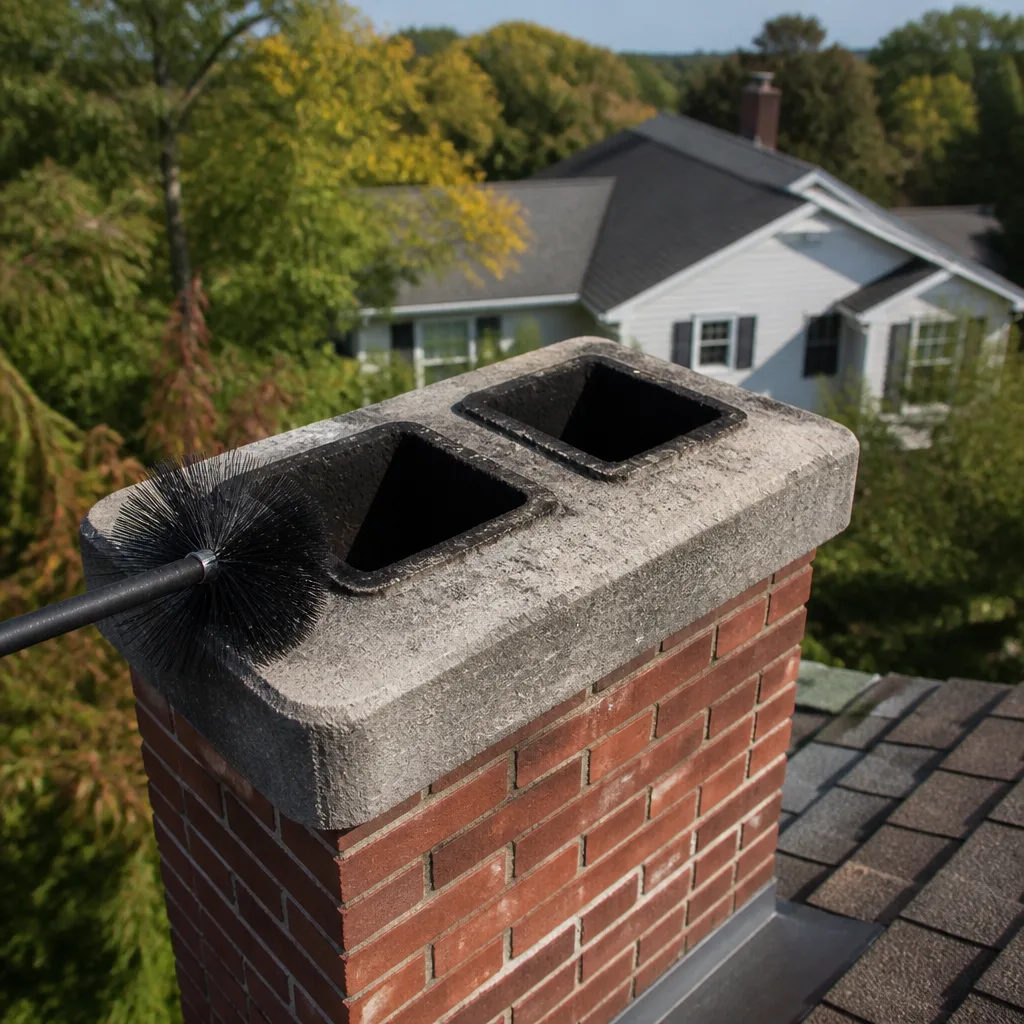
Level 1 sweep and inspection to the NFPA 211 annual standard - flue, crown, cap, and flashing checked and photographed
Chimney sweep logs do not sweep chimneys. They loosen some creosote - which then falls where a brush and vacuum still have to collect it.
The Complete Guide to Chimney Cleaning in Queens
Queens has more pre-war attached homes per square mile than almost any other borough, and shared chimney walls mean one neglected flue can compromise two families’ safety. Most chimney guides are written for detached suburban houses where the flue belongs to one homeowner and the risks stay on one side of the property line, so check our DIY vs Professional Chimney Cleaning: The Queens Homeowner’s Decision Guide for local realities. That’s not how Queens works. This guide covers what actually matters here: clay-tile liners in pre-1960s homes, FDNY and DOB rules that override generic national standards, co-op fireplace restrictions, and what a legitimate sweep should hand you when the job is done.
Styles & brands we work with
Quick Answer
Chimney cleaning in Queens typically costs $189 to $350 for a standard sweep, depending on flue condition, roof access, and whether the chimney serves one or multiple fireplaces. Homes over 2,000 square feet or with heavy creosote buildup may run higher, especially in neighborhoods like Forest Hills, Kew Gardens, and Bayside where older clay-tile liners are common. Homeowners should schedule a sweep at least once a year if the fireplace is used regularly, and always before the first burn of the season.
Table of Contents
- Why Queens Chimneys Are Different
- Shared Flues and Attached Rowhouse Liability
- Clay-Tile Liners vs. Stainless Steel: Why It Matters in Queens
- FDNY and NYC DOB Rules Queens Homeowners Must Know
- Level 1, 2, and 3 Inspections: What You’re Paying For
- What a Legitimate Queens Sweep Hands You at Job Completion
- What Chimney Cleaning Costs in Queens
- Common Mistakes to Avoid
- When to Call a Professional
- Frequently Asked Questions
- The Bottom Line
Why Queens Chimneys Are Different
Queens housing stock is old and dense. Roughly two-thirds of the borough’s residential buildings were constructed before 1960, and a significant share of those are attached or semi-attached rowhouses sharing a common wall. That shared wall often contains a shared chimney stack, with each home’s flue running side by side inside the same masonry structure. The practical effect: if your neighbor’s flue has a crack and smoke leaks horizontally into your flue, you may not know it until an inspection reveals it.
Clay-tile flue liners dominate in pre-1960s Queens construction. These liners absorb heat and release it slowly, which is fine when maintained, but they crack under repeated thermal stress. A hairline crack in a clay tile is how chimney fires begin. Creosote, the tar-like black or brown residue left by burning wood, accumulates inside those cracks and ignites at around 451°F. Once a clay liner is compromised, the repair is rarely a simple patch. More often, the liner needs to be resurfaced or replaced, which changes the conversation from a $250 sweep to a $2,500 to $6,500 liner job.
Queens weather compounds the problem. Freeze-thaw cycles stress mortar joints, and the borough’s damp winters accelerate spalling, where the brick face flakes and crumbles. The salt air from Jamaica Bay and the Long Island Sound accelerates corrosion on any exposed metal components, including chimney caps and dampers. Our technicians regularly see chimneys in Broad Channel and the Rockaways where the damper has rusted solid after a decade of salt exposure. That’s not something a national chimney guide will tell you, because most of those guides were written for places that don’t have a coastline.
Chimney sweeping in Queens is less like a routine chore and more like annual preventive maintenance on an older car. Skip it and you won’t notice the problem until something fails.
Shared Flues and Attached Rowhouse Liability
The single most overlooked Queens chimney issue is the shared flue system. In a semi-attached or rowhouse, two or more homes often share one chimney stack with separate internal flues. They’re stacked side by side, separated only by the flue liner walls and a few inches of masonry. That’s two separate exhaust systems running in close quarters.
What does that mean for you as a homeowner? If one side of the stack is abandoned, the mortar between flues can deteriorate. A crack on your neighbor’s side can let smoke, carbon monoxide, or even fire breach into your flue. You can’t fix that by cleaning your own side. You can only catch it by inspecting the full stack, which is why we tell any Queens homeowner in an attached dwelling to get a Level 2 inspection, not just a sweep, especially before buying a home or after a neighboring unit has been renovated; see How to Hire a Chimney Cleaning Contractor in Queens: A Step-by-Step Guide to vet your sweep.
The legal angle matters more than most homeowners realize. NYC’s Multiple Dwelling Law and local DOB enforcement put the burden on the property owner to maintain safe flue conditions. In attached homes, your homeowners insurance may not cover a chimney fire that started in a shared wall unless you can show the flue was swept and inspected on a documented schedule. That’s why written documentation, not just a verbal assurance, is the difference between an insurance claim that gets paid and one that gets denied.
Clay-Tile Liners vs. Stainless Steel: Why It Matters in Queens
If your Queens home predates 1960 and still has its original chimney, you likely have a clay tile liner. Clay tile is the orange-brown terracotta pipe that lines the interior of most older masonry chimneys. It’s built to handle high heat, but it’s also brittle and prone to cracking from thermal shock, freeze-thaw cycles, and creosote fires that happened years before you owned the home.
Stainless steel liners, the newer alternative, are more forgiving. They flex, they resist corrosion better in Queens’s coastal air, and they don’t crack the way clay does. Companies like Olympia Chimney and Copperfield manufacture the stainless steel systems that modern chimney professionals specify; Famco makes the caps and dampers. When we replace a liner in Queens, we install DuraFlex or a comparable professional trade brand, not whatever is on sale at the local hardware store.
The difference that matters for cleaning: clay tile’s rough surface grabs and holds creosote. That’s why a pre-war Queens fireplace can need two cleanings in a winter where a modern stainless-lined fireplace needs one. The creosote builds faster, and it builds denser, because the rough clay surface provides more nucleation points for the tar to adhere. If you have an older Queens home and you’re burning wood every winter weekend, seasonal chimney cleaning care for Queens means annual cleaning is not optional. It’s the minimum that keeps the system safe.
FDNY and NYC DOB Rules Queens Homeowners Must Know
National chimney guides cite NFPA 211, which says chimneys should be swept when creosote reaches 1/8 inch of accumulation, or at least once a year. Queens has additional layers on top of that. FDNY regulates fire safety, and NYC DOB governs building code compliance for chimneys and flues. The practical rules for Queens homeowners:
- Fireplace use is not a right, it’s a condition. If your chimney has not been maintained, FDNY can issue a violation if a chimney fire occurs and the investigation finds unsafe accumulation. The violation follows the property, not the fireplace.
- Co-ops and condos have their own restrictions. Many Queens co-op boards, especially in Forest Hills, Jackson Heights, and Rego Park, require owners to submit a current chimney inspection certificate before the fireplace can be used. Some boards ban wood burning entirely and permit only gas logs or ventless systems. Check your proprietary lease before you spend money on a clean you won’t be allowed to use.
- DOB permits are required for structural changes. If a clean reveals that your chimney needs a liner replacement or masonry rebuild, that’s DOB-permitted work in Queens. A legitimate contractor will pull the permit. A company that says a permit isn’t needed is wrong, and that shortcut can create a title issue when you sell.
- Ceiling height and roof access affect scope. Queens homes range from two-story rowhouses in Sunnyside to high-rise co-ops in Long Island City. Fifth-floor or higher flue access requires special roof certifications and equipment. Most national companies don’t have the gear or the DOB-issued roof access permits to work on taller Queens buildings, and that’s why you need a local operator.
Chimney inspections in Queens should always reference local code, not just the national standard. A $79 inspection that doesn’t check your co-op board’s requirements or assess shared-wall liability isn’t saving you money. It’s leaving the exact information you need off the report.
Level 1, 2, and 3 Inspections: What You’re Paying For
The inspection levels are defined by the Chimney Safety Institute of America, but the descriptions below reflect what we actually see in Queens homes. If a chimney company quotes you a price for an inspection without telling you which level, that’s a red flag.
Level 1 Inspection
This is the basic annual check. The technician visually examines the fireplace, the accessible portion of the flue interior, and the exterior chimney. No special tools, no camera, no roof access in most cases. In Queens, a Level 1 typically costs $75 to $150 when bundled with a sweep. It’s appropriate when the system hasn’t changed since the last inspection and you’re burning the same fuel at the same frequency. What you won’t get: any view of the flue interior below the fireplace opening. The tech is seeing what’s visible from the roof and what they can see from the firebox. That’s a meaningful limitation in older Queens flues, where the problem areas are usually mid-flue.
Level 2 Inspection
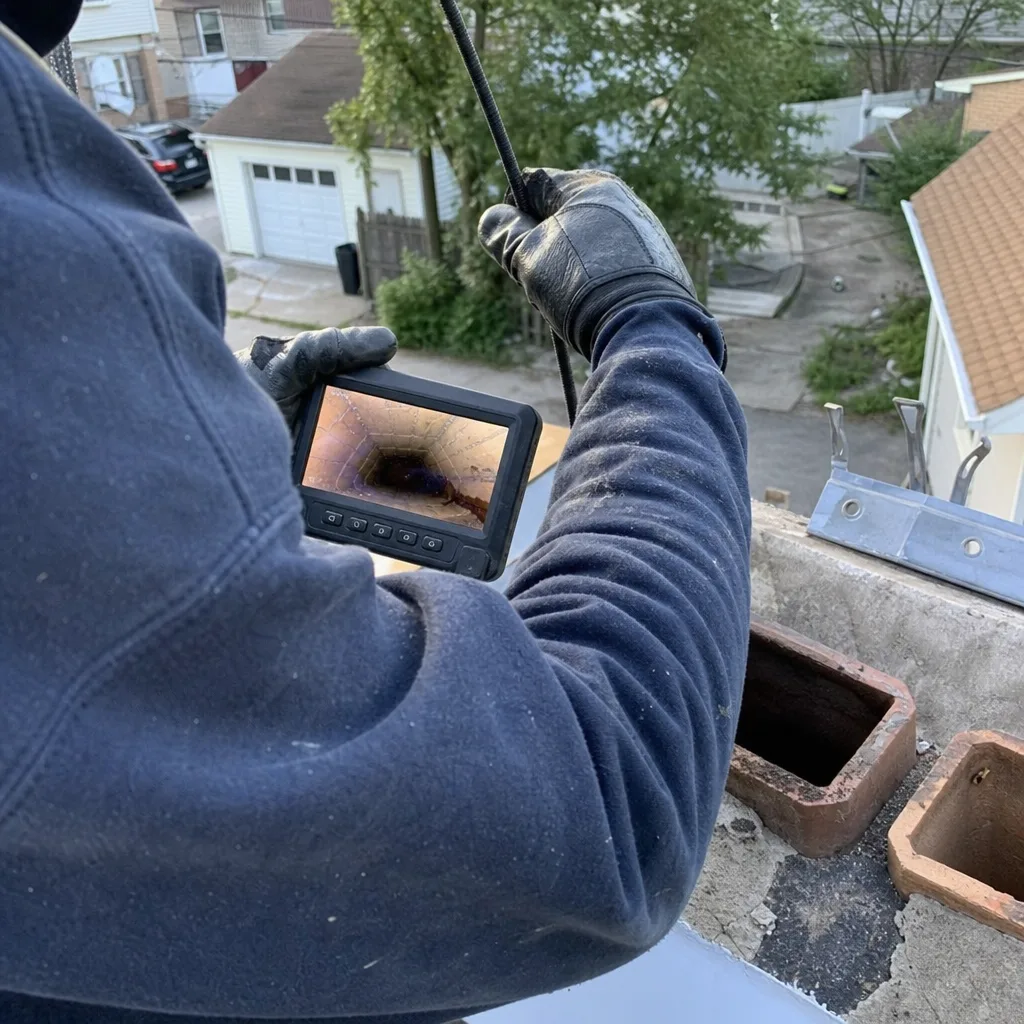
This is the inspection you need before buying a home, after a chimney fire, after an earthquake or major storm event, or when a neighboring flue has had work done. A Level 2 includes everything in Level 1, plus a video camera scan of the entire flue interior, from the firebox to the top of the chimney cap. In Queens attached homes, this is the only inspection that catches shared-wall breaches. Expect to pay $250 to $450 for a Level 2 in Queens, more if the roof is steep or the building exceeds three stories. The camera feed gives you a real-time view of clay tile cracks, missing mortar, or flue offsets that can’t be seen any other way.
Level 3 Inspection
This is invasive. It’s done when a Level 2 finds something that requires opening walls, removing masonry, or exposing the flue interior to assess damage. Level 3 inspections are rare, expensive, and almost always paired with a repair. In Queens, this commonly happens after a chimney fire, when the thermal shock has cracked tiles in multiple locations and the interior cannot be evaluated without tearing out a section of the flue. A Level 3 inspection can run $1,000 to $3,000 before any repair, and it usually leads to a liner replacement quote. If you’re buying a home, your inspection should be a Level 2; if a seller or listing agent offers a Level 1, treat it as incomplete.
What a Legitimate Queens Sweep Hands You at Job Completion
Most homeowners have never seen a proper chimney sweep completion packet, so they don’t know what’s missing. A professional job in Queens should end with all of the following, with no exceptions:
- Written report of what was found. Not a verbal summary. A paper or emailed document that describes the flue condition, creosote levels, any cracks or gaps observed, and recommendations with a timeline (immediate, this season, next season).
- Camera scan photos or video. Any legitimate company runs a camera. If they don’t have one, they’re guessing. Insist on seeing the footage, and ask what they found in the middle third of the flue, which is where most Queens clay tile failures begin.
- Written price for any recommended repair. No repair should ever be quoted verbally and then inflated later. You should have a line-item price before any repair work is authorized, and the price should not change unless the work scope changes in a way that was documented during the job.
- Written guarantee terms. Every repair should come with a written guarantee that states what’s covered and for how long. If the company can’t put the guarantee on paper, it doesn’t exist. A legitimate Queens sweep will also tell you what happens if the repair fails inside the coverage period. Our standard is a 365-day guarantee that includes a free return visit if the repair doesn’t hold.
- Receipt and documentation of the technician. You should know the name of the person who was in your home, and they should have shown photo ID before they crossed the threshold. That’s not a nice-to-have. It’s a baseline safety practice in a borough where homeowners open their doors to strangers every day.
What Chimney Cleaning Costs in Queens
Here’s the pricing transparency most guides won’t give you. These are the real ranges we see across Queens in 2025, based on the type of home, the flue condition, and the level of inspection required. Prices are for the sweep itself unless otherwise noted.
- Standard sweep, single-flue rowhouse (Forest Hills, Kew Gardens, Ridgewood): $189 to $280
- Standard sweep, single-family detached home (Bayside, Whitestone, Douglaston): $220 to $350
- Sweep with Level 1 inspection, bundled: $250 to $380
- Level 2 inspection with camera scan, standalone: $250 to $450
- Heavy creosote removal or glaze removal (Stage 2 or 3 creosote): $350 to $600
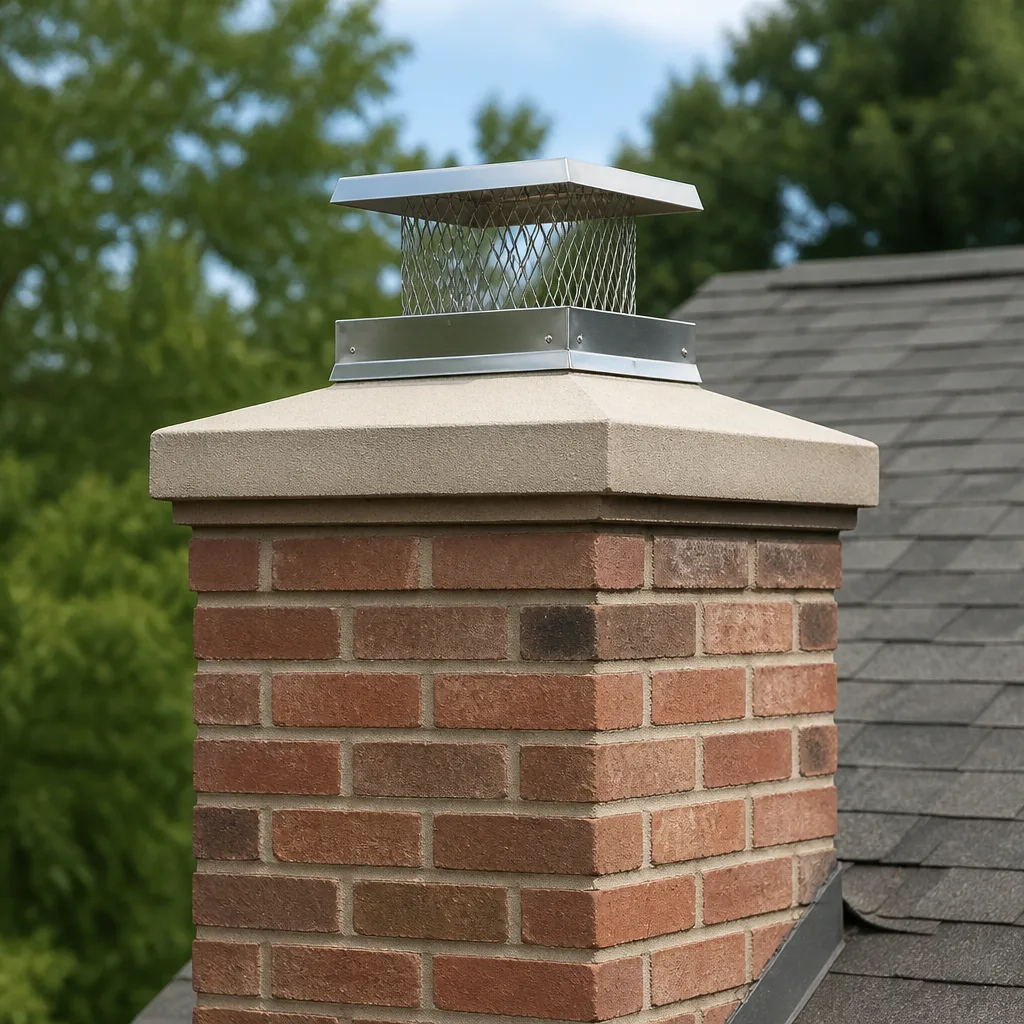
- Chimney cap replacement (standard stainless steel): $180 to $400 installed
- Clay tile liner resurfacing with HeatShield: $1,800 to $3,500 depending on flue length and access
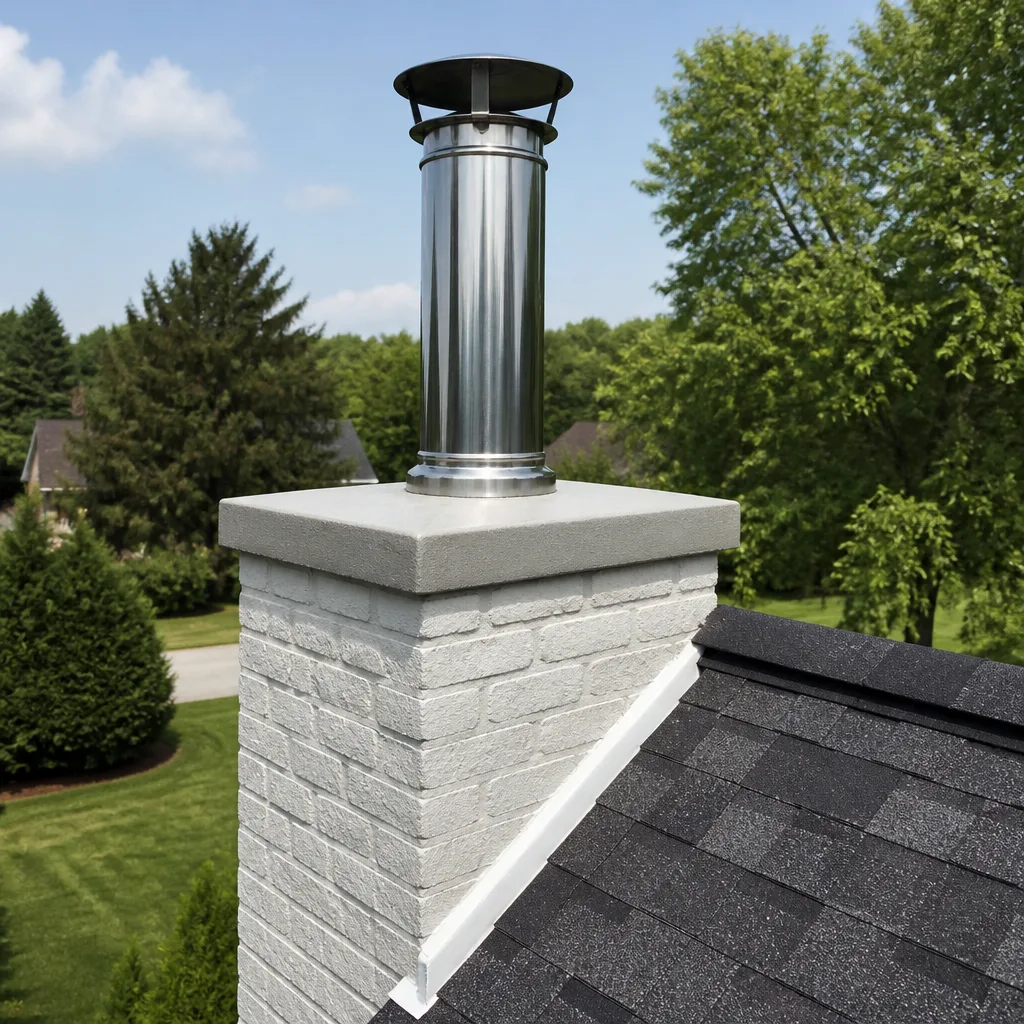
- Full stainless steel liner replacement (DuraFlex or comparable): $2,500 to $6,500 for a typical Queens two-story home
Every Alcott Chimney Queens visit includes a written price before any work starts. If a contractor quotes you a sweep price and then “discovers” $800 of necessary repairs after the fact without showing you the camera footage, something is wrong. You should never be surprised by a bill.
Common Mistakes to Avoid
- Skipping the shared-wall inspection in an attached home. If you own a rowhouse or semi-detached Queens home and get a Level 1 inspection only, you’re paying for less than half of the picture. The most dangerous failure in an attached home is a lateral breach between flues, and only a camera scan catches it.
- Waiting until you smell smoke. By the time smoke backdrafts into a room, the flue has already failed to draft. That’s not a cleaning problem; it’s usually a blockage or a liner failure, and it may have been developing for months. Annual cleaning catches drafts before they fail.
- Burning green or treated wood. Queens homeowner supply depots sell firewood of varying quality. Green wood produces more creosote per burn than seasoned wood, and treated lumber releases chemicals that corrode flue liners. Burn only seasoned hardwood, ideally with a moisture content under 20%.
- Ignoring the co-op board’s fireplace rules. Several Queens co-op boards in Jackson Heights and Rego Park require a current inspection certificate before allowing any fireplace use. If you burn without one and a problem occurs, your board can impose fines and your insurance may deny the claim.
- Assuming a home inspector covers chimneys. A standard Queens home inspection includes a visual chimney check, but rarely a camera scan. Many homebuyers learn after closing that the flue needs a $4,000 liner replacement that the home inspector didn’t catch. Always pay for a standalone Level 2 inspection before closing.
- Choosing the cheapest sweep. A $99 sweep often means no camera, no roof work, and no written report. You’re paying for a brush through the flue, not a real evaluation. In a pre-war Queens home, that’s a waste of money and a false sense of security.
When to Call a Professional
Some Queens homeowners ask whether chimney cleaning is a DIY job. The answer is no, and not because we want the work. Getting on a two- or three-story Queens roof requires fall protection, ladder setup that doesn’t damage parapet walls, and experience navigating tight alleyways between attached homes. The inside-the-flue work requires specialized brushes, vacuum systems that contain dust rather than blow it into the room, and a camera to confirm the job was actually done. Add high-tension components like spring-loaded dampers or corroded caps, and the injury risk climbs sharply. If you smell smoke when the fireplace hasn’t been lit, hear birds or debris falling, or see white staining on the exterior masonry, call a professional. Gas fireplace repair in Queens is a separate specialty, and gas flues have their own safety requirements, so don’t assume a wood-flue sweep covers a gas system. Alcott Chimney Queens offers free estimates across the borough, call (518) 719-4643.
Frequently Asked Questions
A standard chimney sweep in Queens costs $189 to $350 depending on the home’s size, roof access, and flue condition; heavier creosote buildup or multi-flue systems may push the price higher. The exact cost is quoted in writing before any work begins.
A wood-burning fireplace in Queens should be cleaned at least once per year, and more often if you burn more than two cords per season or have a pre-1960s clay-tile flue. Gas fireplaces can go longer between cleanings but still need annual inspections for carbon monoxide safety.
Yes, many co-op boards in Queens require a written inspection certificate before authorizing fireplace use, and some boards ban wood burning entirely. Check your proprietary lease before scheduling a sweep, and make sure the inspection report is in a format the board will accept.
Creosote is a tar-like byproduct of burning wood that coats the inside of the flue, and at 451°F it ignites, which is how most chimney fires start. Stage 3 creosote is hardened and glossy, and it cannot be removed with standard brushing; it requires chemical treatment or mechanical removal.
Clay tile liners in older Queens homes can sometimes be resurfaced with a product like HeatShield, which costs thousands less than a full stainless steel replacement. But if the tiles have shifted, cracked in multiple places, or the flue was damaged by a fire, resurfacing won’t work and a full DuraFlex or comparable stainless liner is the safe fix.
Creosote builds up in stages, and by the third year of regular burning, the flue can be coated with enough material to sustain a chimney fire that reaches 2,000°F and cracks the flue liner. Once the liner is cracked, carbon monoxide can enter living spaces, and the repair cost jumps from hundreds to thousands.
The Bottom Line
Chimney cleaning in Queens is not a one-size-fits-all service. The borough’s attached housing, shared flue walls, pre-1960s clay-tile liners, and co-op restrictions create a set of conditions that generic chimney guides ignore. If you own a Queens home, an annual sweep with a written report, camera scan, and clear guarantee is your baseline for a safe wood-burning season. If you’re buying a home, a Level 2 inspection is non-negotiable. And if you want to know who’s showing up at your door before they knock, Alcott Chimney Queens sends the technician’s name and photo ahead of the visit, along with a written price before any work starts. Call (518) 719-4643 for a free estimate.
Written by Ruben Castellano, Owner at Alcott Chimney Queens, serving Queens since 2002.
See the difference
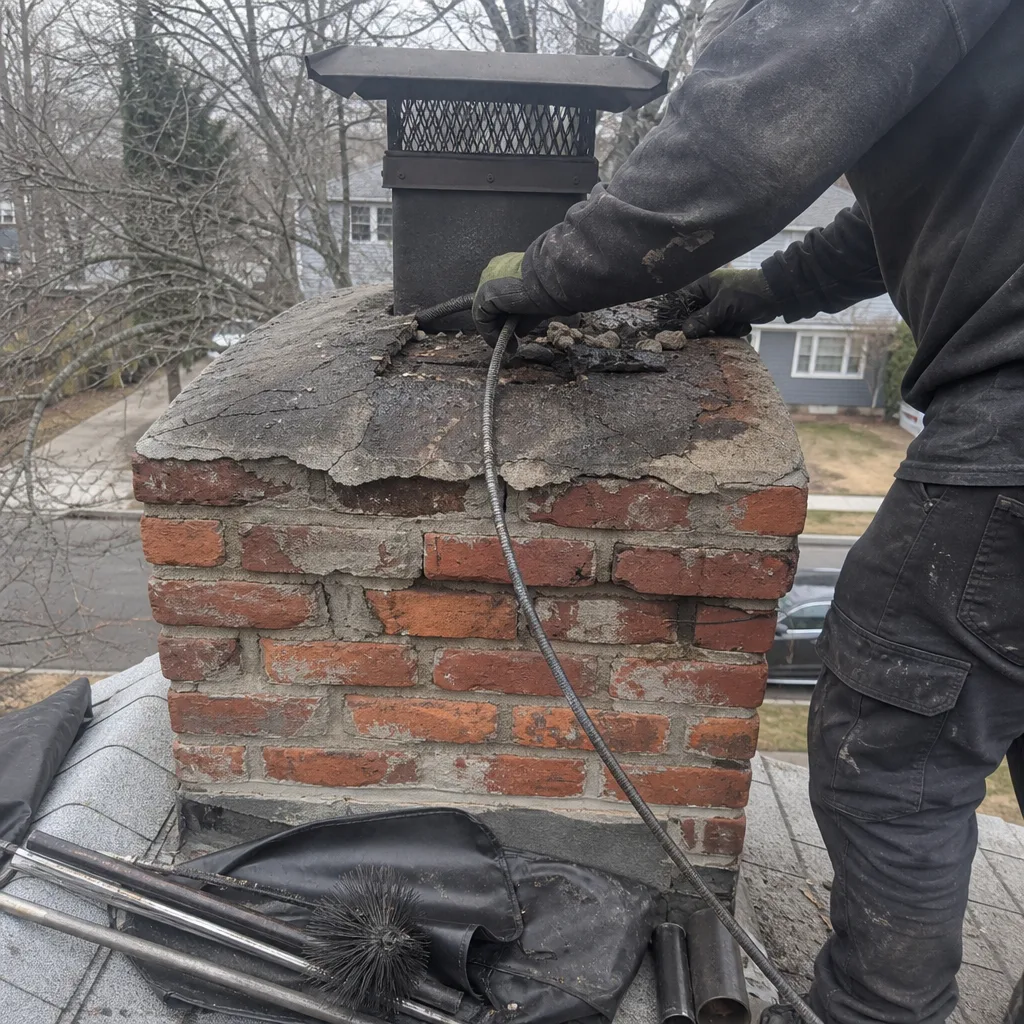 Before
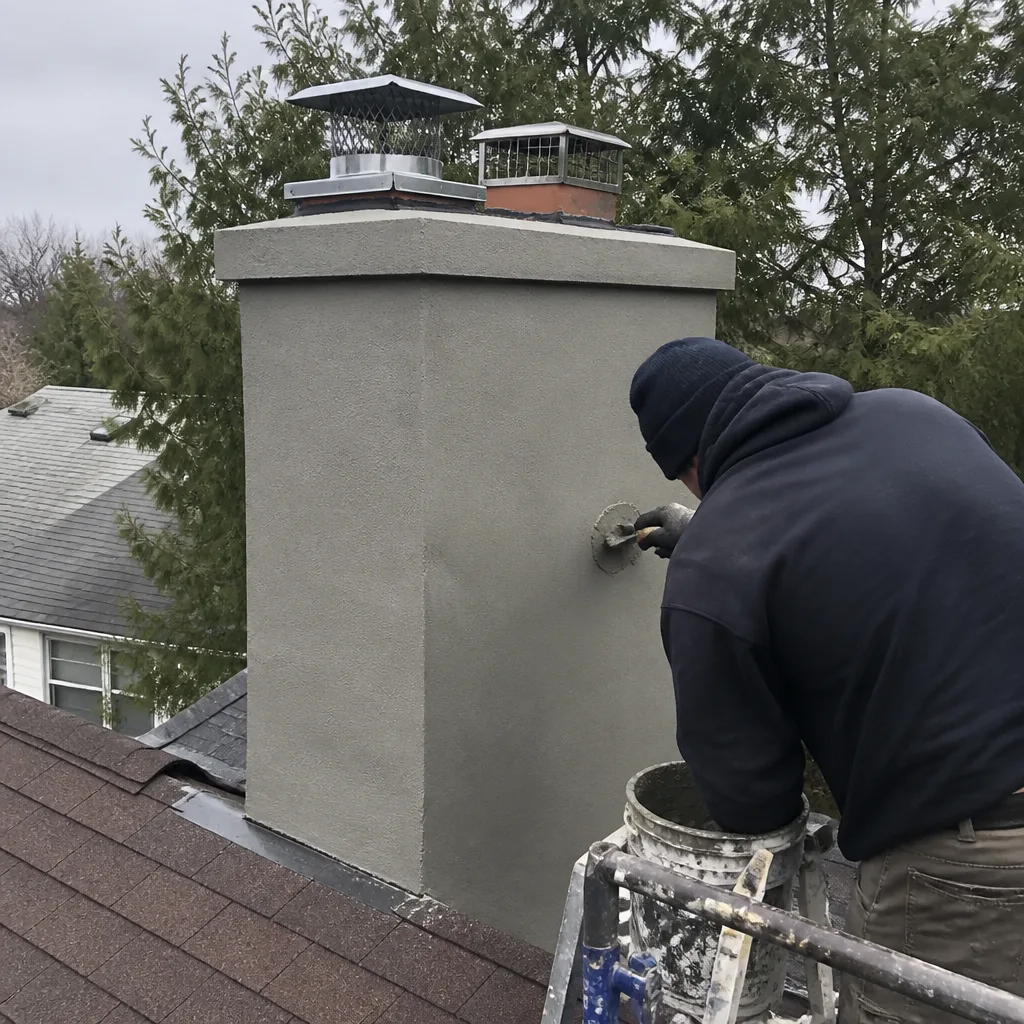 After
After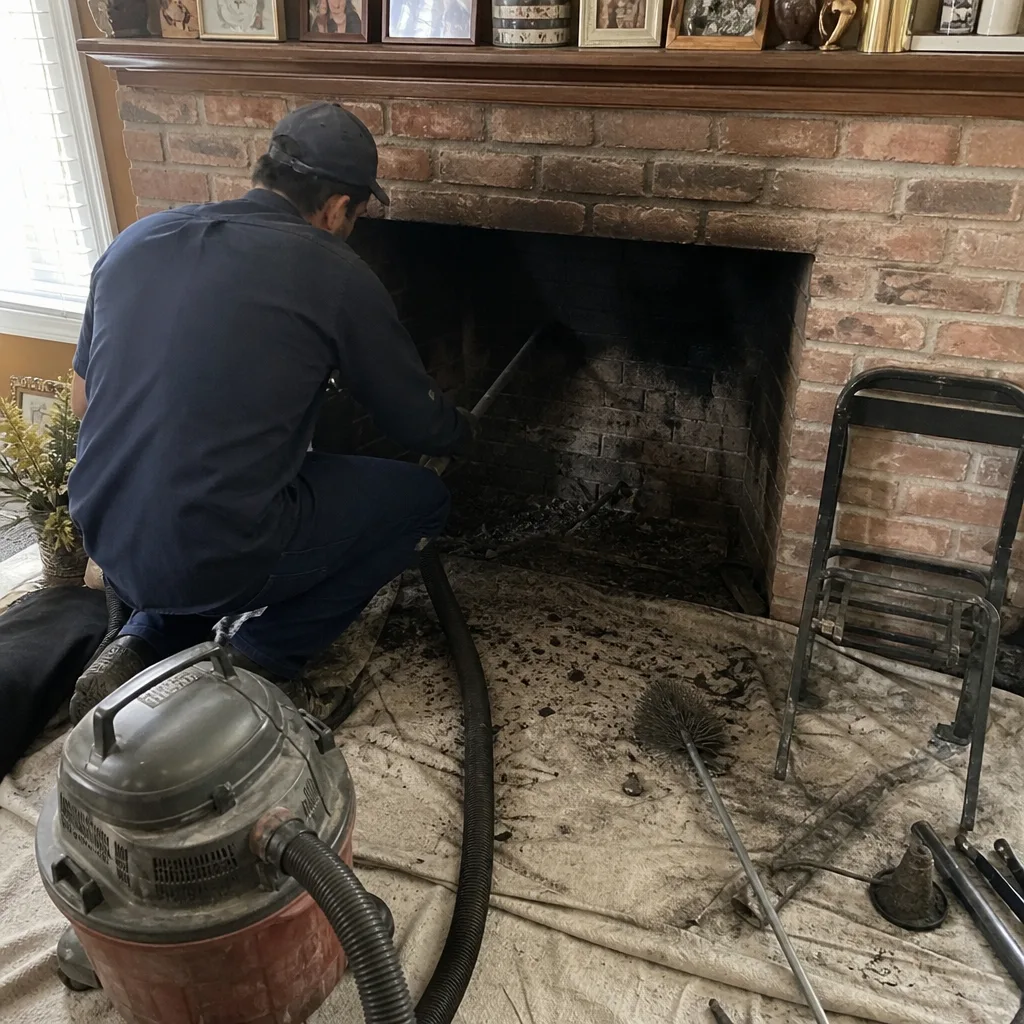 Before
 After
After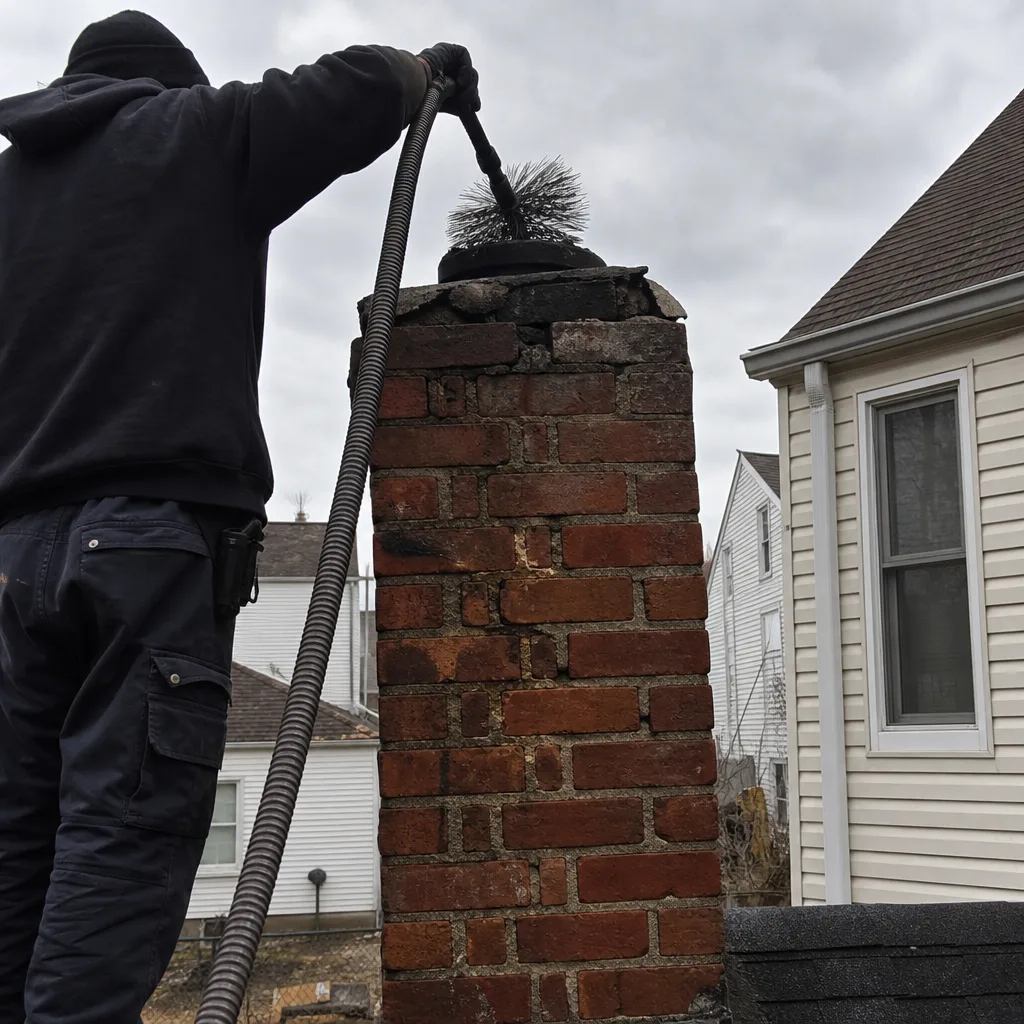 Before
 After
After