
Last updated October 15, 2026
 Sweep & inspection
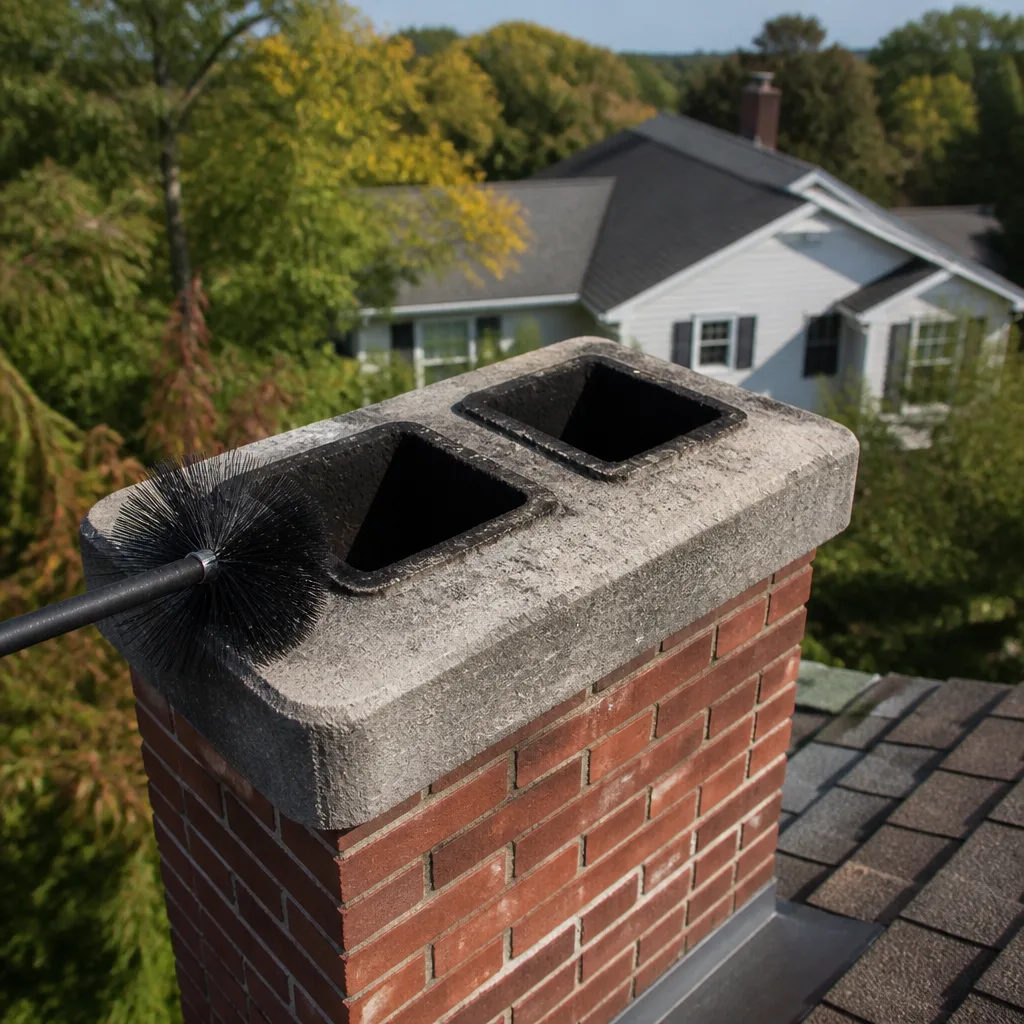
 Caps & crowns
 Flue relining
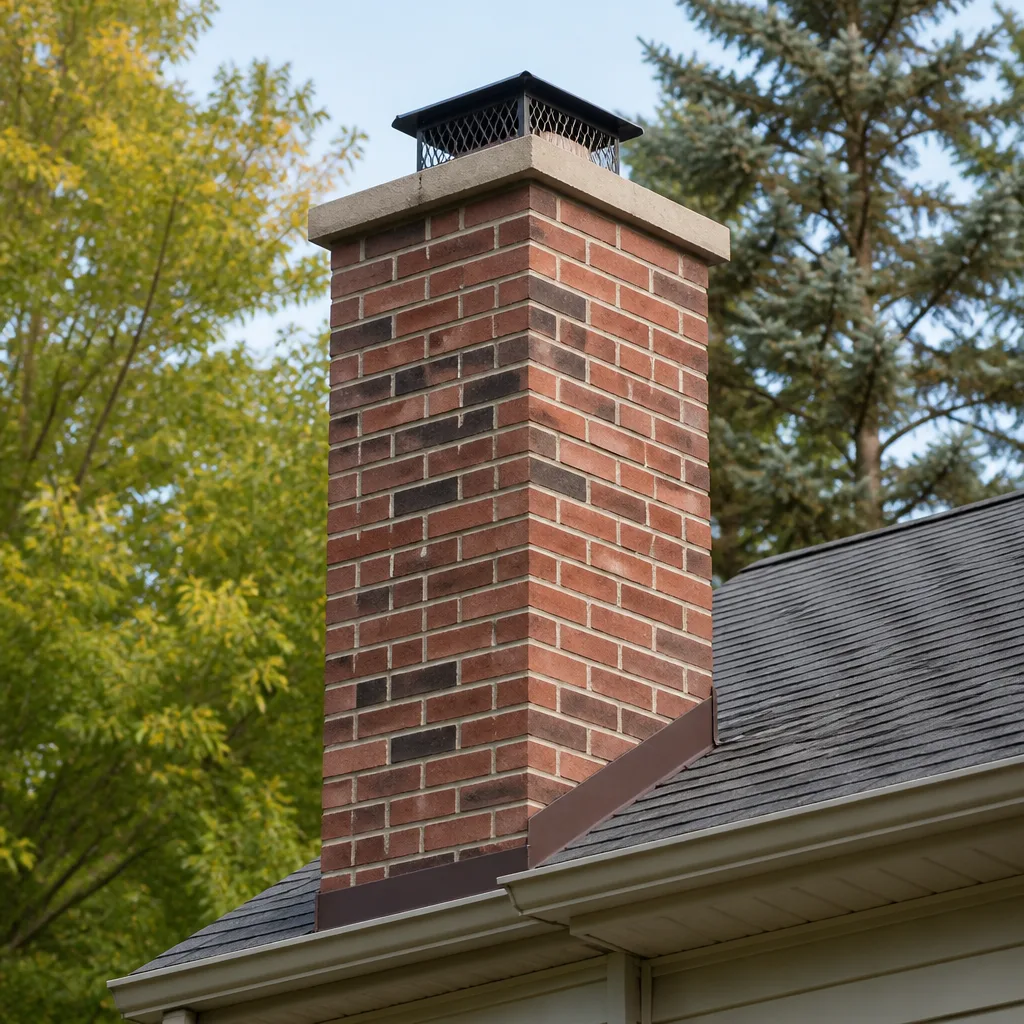 Masonry repair
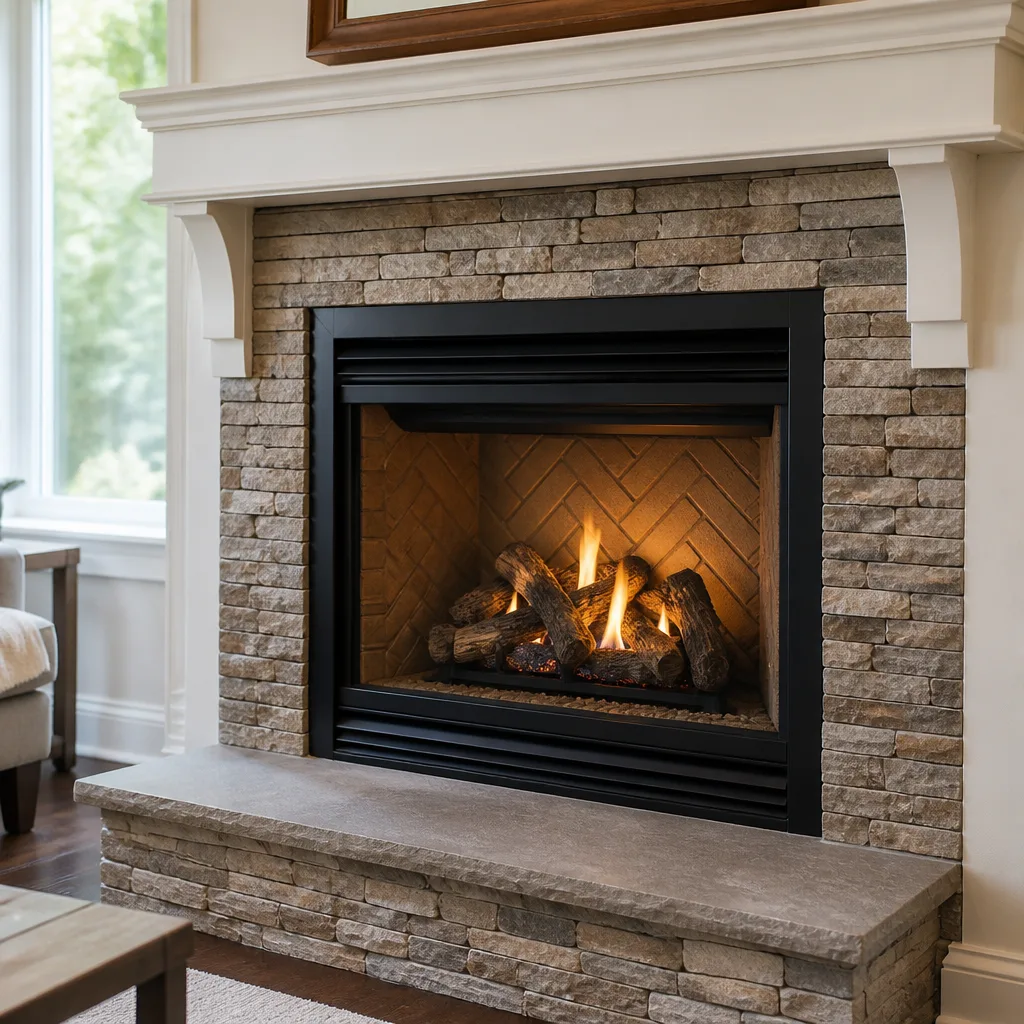 Gas fireplace service
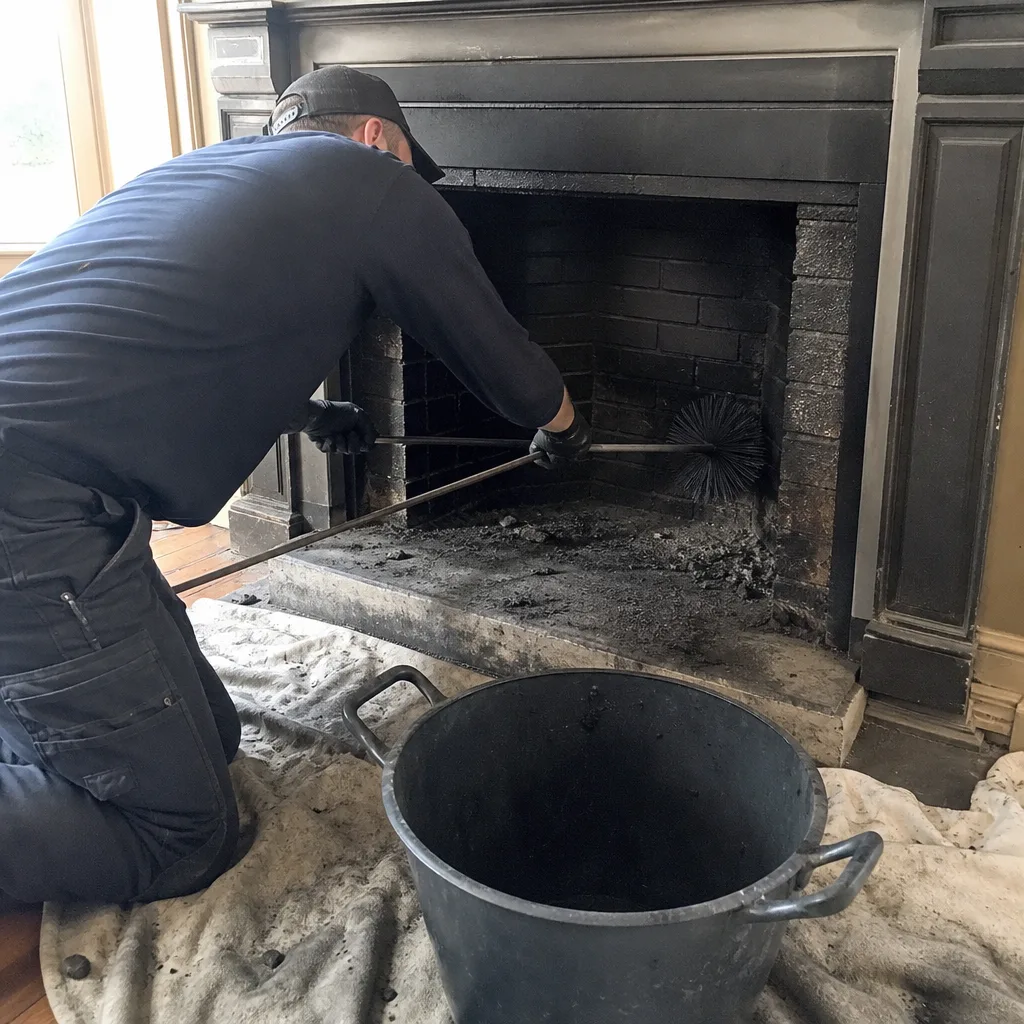
Level 1 sweep and inspection to the NFPA 211 annual standard - flue, crown, cap, and flashing checked and photographed
Chimney sweep logs do not sweep chimneys. They loosen some creosote - which then falls where a brush and vacuum still have to collect it.
Chimney Cleaning Warning Signs: A Queens Homeowner’s Reference Guide
There are exactly two chimney warning signs that require you to stop using the fireplace today and call a sweep before your next fire. Neither of them is the one most homeowners lose sleep over. It’s not the cracked brick you’ve been staring at since you bought the place, and it’s not the soot on the hearth. In Queens, where much of our housing stock predates 1950 and many chimneys carry decades of deferred maintenance, the warning signs that actually matter are the ones that tell you something is failing inside the flue where you can’t see it. This guide and our Complete Guide to Chimney Cleaning in Queens explain what each warning sign means mechanically, which ones demand immediate action, which can wait a few weeks, and what a technician should find and fix for each scenario, with real dollar ranges attached so you can budget before anyone shows up at your door.
Quick Answer
The clearest warning signs that your chimney needs cleaning are a strong campfire-like smell in the house even when the fireplace is cold, visible dark staining or dripping tar (creosote) inside the flue or on the damper, smoke spilling back into the room when you light a fire, and a decrease in draft or harder-than-usual starts. If you notice any of these, stop using the fireplace and schedule a sweep. In Queens, a standard chimney sweep typically runs $180 to $340 before any repairs are added.
Styles & brands we work with
Table of Contents
- The Tiered Warning Sign Classification System
- Stop-Now Warning Signs: Immediate Danger
- Schedule-Soon Warning Signs: Act Within 30 Days
- Watch-It Warning Signs: Document and Monitor
- The Two Queens-Specific Warning Signs National Guides Miss
- What Each Warning Sign Costs to Fix in Queens
- How to Photograph and Document Warning Signs
- Common Mistakes to Avoid
- When to Call a Professional
- Frequently Asked Questions
The Tiered Warning Sign Classification System
Most chimney guides flatten every warning sign into the same urgent bucket, which leaves you unable to tell the difference between a $200 sweep and a $3,000 liner repair, unlike our Chimney Sweep Maintenance Checklist for Queens Homeowners. That’s a real problem when you’re trying to plan a budget. In our experience working on chimneys across Queens, from Jackson Heights to Bayside to Forest Hills, warning signs fall into three clean tiers. Here’s the system we use with our own customers, and it’s the one you should use when you’re standing in your living room looking at a stain on the ceiling.
The first tier is Stop-Now: conditions that indicate an active fire hazard or carbon monoxide risk. You should not light another fire until a technician has looked at the flue. The second tier is Schedule-Soon: conditions that signal active deterioration but not immediate danger, and can safely wait up to 30 days for a service appointment. The third tier is Watch-It: cosmetic or slow-moving conditions that should be photographed, documented, and monitored, but do not require immediate action.
Here’s the breakdown, with the mechanical meaning behind each one.
Stop-Now Warning Signs: Immediate Danger
These are the two warning signs that justify canceling your evening fire and making a phone call. The first is a strong smoke smell inside the house when the fireplace has been cold for days. That smell is creosote, the tar-like byproduct of wood combustion that condenses on the inside of the flue as smoke cools. Creosote is volatile and flammable. When it builds to a thickness of 1/8 inch or more, it becomes fuel for a chimney fire that can reach 2,000 degrees Fahrenheit. If you can smell it strongly from your sofa, there’s enough of it inside the flue to be dangerous. A technician should find glazed or puffy creosote deposits (stage 2 or stage 3 creosote, in trade terms) and remove them with rotary cleaning tools, not just a hand brush.
The second is smoke spilling back into the room when you light a fire, even occasionally. That means the flue is not drafting properly. The causes range from a heavy creosote blockage narrowing the passage, to a cold flue that won’t establish an upward draw, to a structural problem like a shifted flue tile. But the immediate danger is carbon monoxide: when smoke comes back into the living space, so does the exhaust gas you can’t see. Carbon monoxide is odorless and binds to hemoglobin 200 times more readily than oxygen. A technician should perform a full Level 2 inspection with a camera to confirm the exact cause and check for cracks or gaps in the flue liner. The Chimney Inspection in Queens process we follow includes video documentation of everything we find, so you see the problem with your own eyes before paying for a repair.
Here is the line-item cost range for Stop-Now conditions in Queens:
- Heavy creosote removal with rotary equipment: $250 – $450 depending on flue height and accessibility
- Partial blockage removal (animal nest, debris, fallen mortar): $150 – $350 added to the sweep cost
- Flue liner repair for cracked or separated tiles: $800 – $2,400 for sectional repair; $3,500 – $7,000 for a full liner replacement
- Draft correction with a new cap or damper adjustment: $150 – $500
None of these numbers should arrive as a surprise. Every job we do includes a written price before any work begins, so you decide what gets done with the number in hand.
Schedule-Soon Warning Signs: Act Within 30 Days
These warning signs mean the chimney is deteriorating, but you have time to schedule service without an emergency. The most common one we see in Queens is a whitish or dark staining on the exterior brick or the exposed chimney chase inside an attic space. What that stain indicates mechanically is water penetration: moisture is getting into the masonry and carrying dissolved salts to the surface, where they crystallize. Over a Queens winter, freeze-thaw cycles expand that trapped moisture by about 9 percent in volume, which spalls the brick face and widens hairline cracks. This is a Schedule-Soon condition because the damage compounds every time the temperature dips below freezing, but a few weeks of waiting will not turn it into a chimney fire.
Inside the house, flaking or dusty deposits falling into the firebox when you open or close the damper indicate spalling brick or deteriorating mortar joints inside the smoke chamber. The smoke chamber is the funnel-shaped area above the damper, and it’s the most common place for masonry to shed material because it endures the highest temperature swings.
A technician should assess crown condition, check flashing where the chimney meets the roofline, and inspect the flue with a camera for any dropped debris. Depending on findings, costs typically fall in these ranges:
- Chimney crown repair or reseal: $450 – $1,200
- Flashing replacement at the roofline: $500 – $1,000 depending on roof pitch and material
- Smoke chamber parging (resurfacing the chamber walls): $800 – $1,800
- Waterproofing treatment for exterior masonry: $350 – $700
Schedule-Soon conditions are where a Chimney Sweep in Queens appointment makes the most financial sense. You catch the problem before a $600 waterproofing job becomes a $6,000 rebuild.
Watch-It Warning Signs: Document and Monitor
The Watch-It tier includes cosmetic conditions that should not rush you into a service call but should be photographed and tracked. A hairline crack in a single brick, running less than 1/16 inch wide and not growing, is the most common example. What that crack usually means is normal thermal expansion cycling: the brick heated up and cooled down thousands of times, and a fine surface crack developed. It does not indicate structural failure on its own. Photograph it with a coin or ruler in the frame for scale, measure it with a caliper or a ruler held flat, and check it again in six months. If it has not widened or lengthened, leave it alone.
Light soot staining on the exterior of a chimney chase, the framed enclosure around the flue, typically means a minor gap in the chase cover has allowed some exhaust leakage over time. If the staining is dry, not sticky, and has not changed in size or color in a season, it falls into Watch-It. You should still mention it during your next scheduled sweep so the technician can confirm what you’re seeing and note it in the service record.
One Queens-specific Watch-It item is slightly darkened mortar joints near the roofline without any spalling or missing mortar. That’s a moisture absorption gradient, not failure. The mortar is doing what mortar does: absorbing water slowly. It crosses into Schedule-Soon territory when you can scrape it with a screwdriver.
Nationally published guides rarely distinguish between cosmetic and structural the way we’ve outlined here, because every market has different weather and housing stock. A hairline crack that’s benign in a mild climate can mean something different after 20 Queens winter freeze-thaw cycles. That’s one reason it matters to work with someone who sees Queens chimneys every week, not someone reading from a national inspection template.
The Two Queens-Specific Warning Signs National Guides Miss
Queens has the oldest average housing stock of any county in New York City, and a significant share of our chimneys were built before modern flue liners and chimney caps were standard. Two warning signs show up in Queens homes that national guides rarely mention. Both matter because they signal water intrusion in specific ways that interact badly with our freeze-thaw winters and our older masonry.
The first is white efflorescence staining on interior chimney breast walls, the portion of the chimney that runs through living space. Efflorescence is a crystalline salt deposit left behind when water evaporates out of masonry. On an interior wall surface, it means water is moving through the masonry from the outside, not just condensing on the surface. In Queens, where many rowhouses and detached homes have party-wall chimneys that are fully exposed on the roof but enclosed within walls below, that water path can go undetected for years. A technician should trace the water entry point, usually a failed chimney cap, a cracked crown, or deteriorated mortar joints near the top.
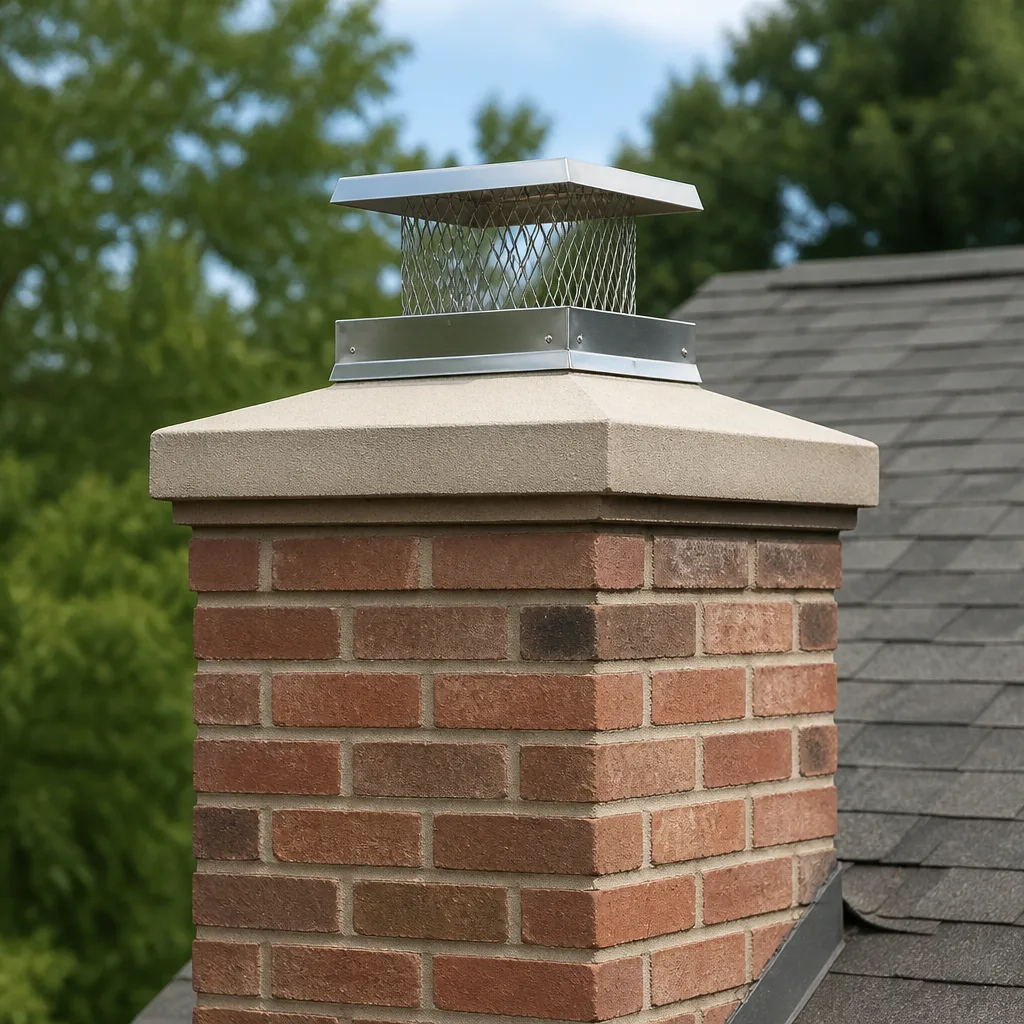
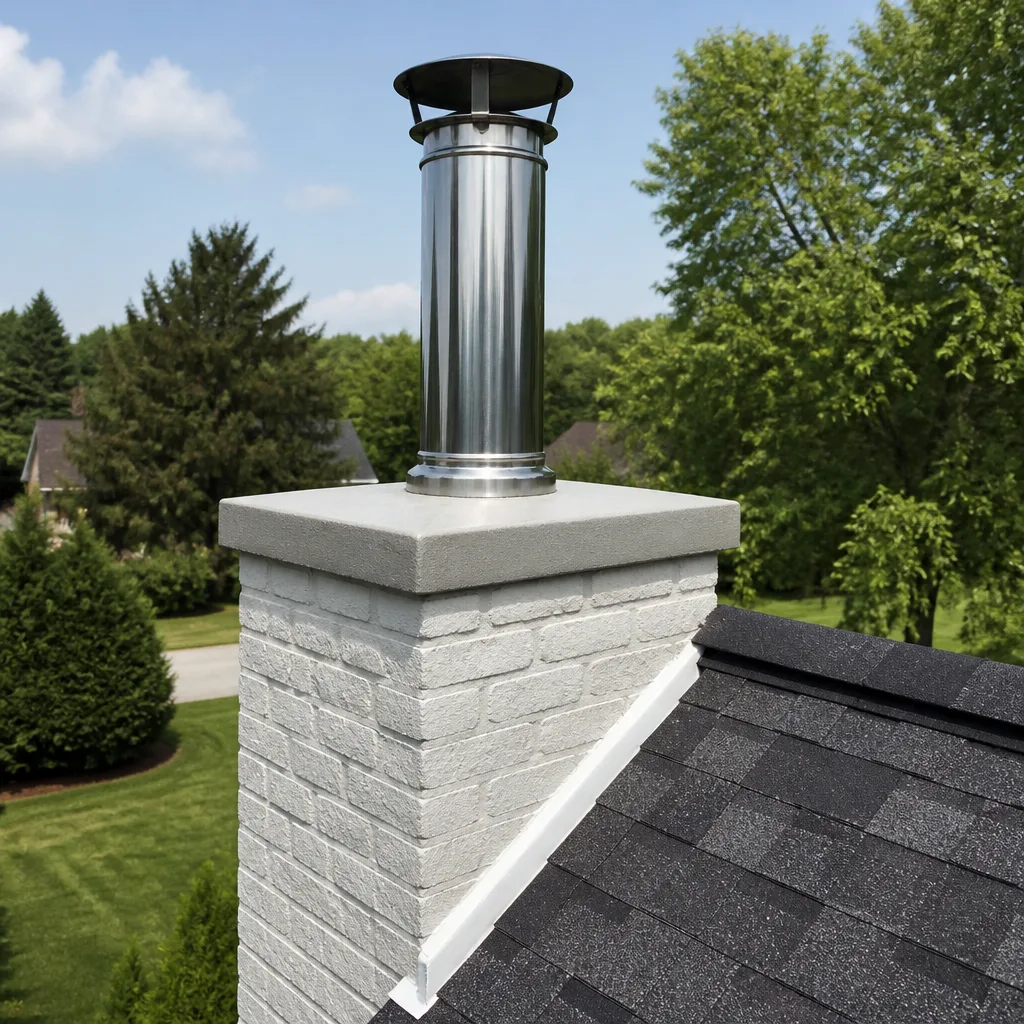
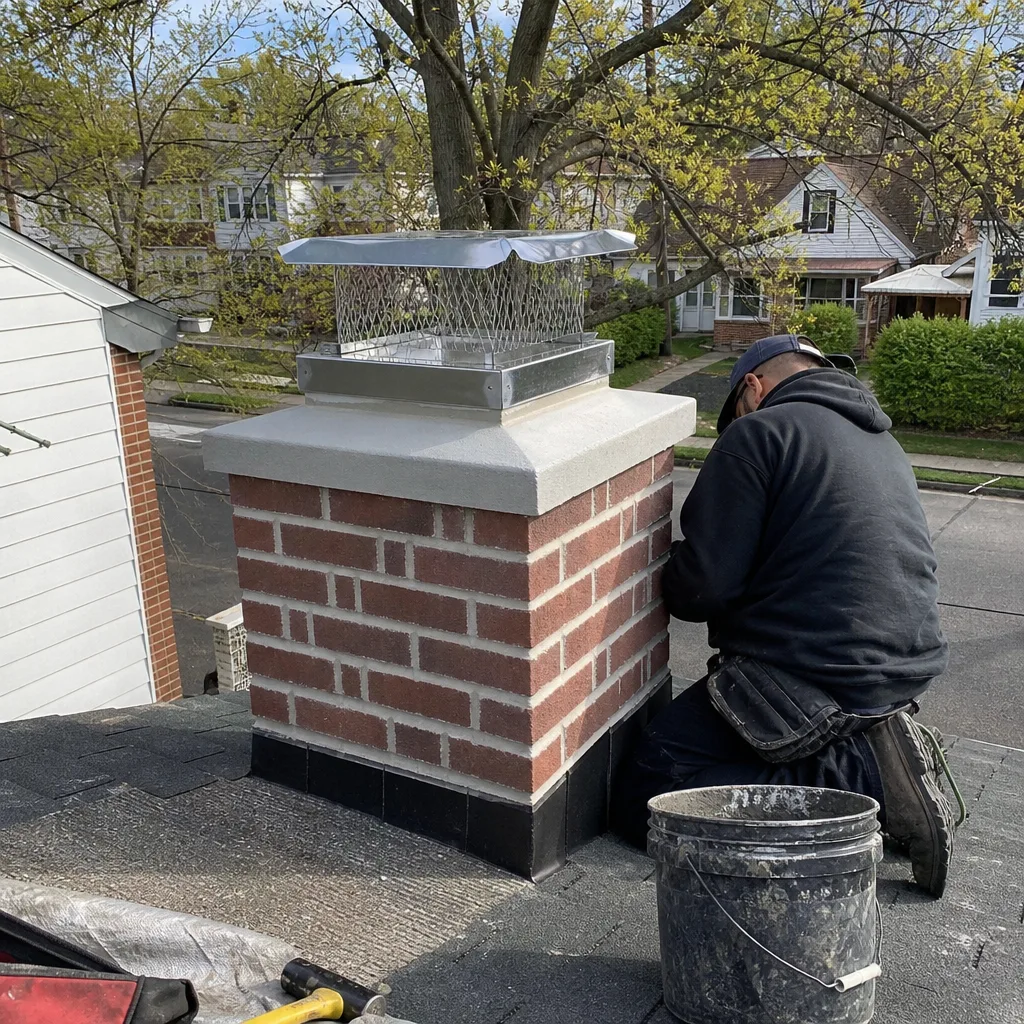
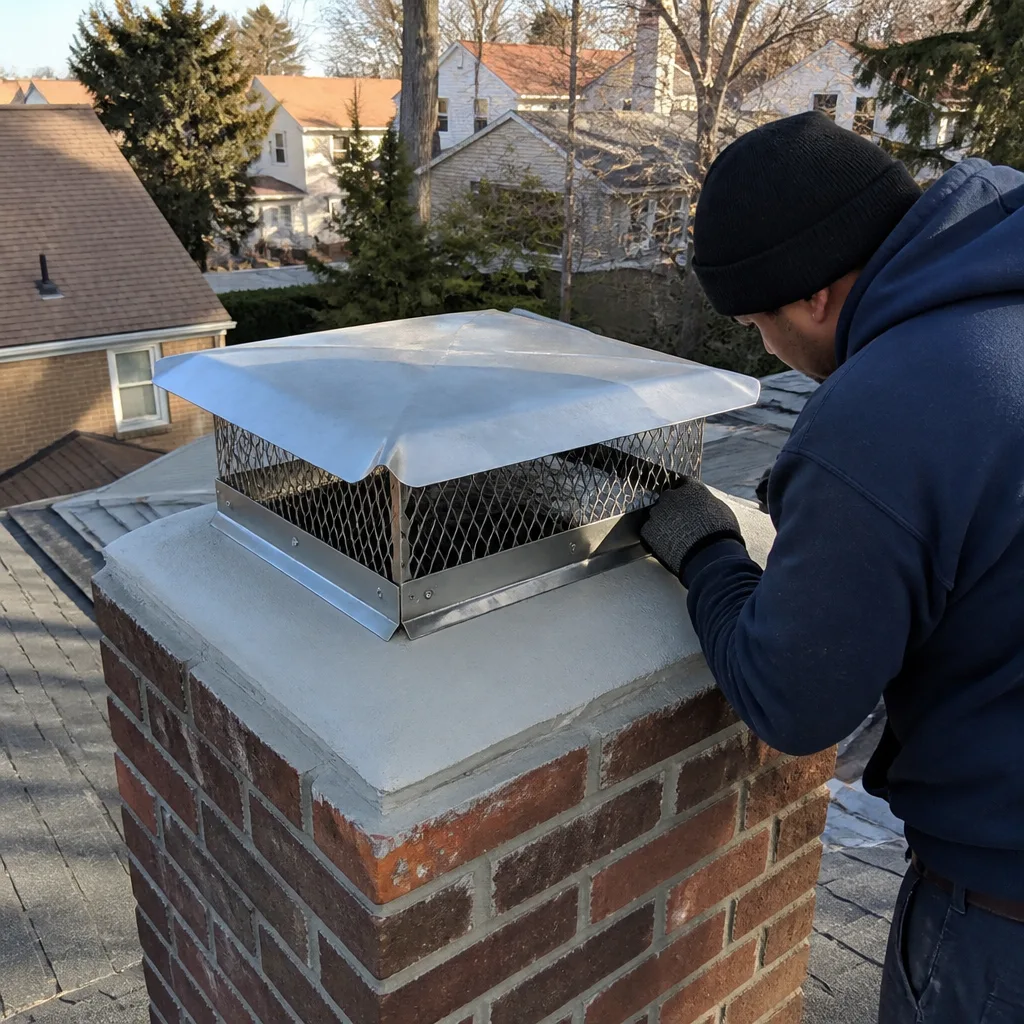
The second is interior dampness or staining on the drywall or plaster directly adjacent to the chimney chase on upper floors or attic spaces. In a brick chimney, that dampness indicates that moisture is saturating the masonry and transferring to the surrounding framing. In a framed chase with a metal flue, it can mean the chase top is missing or the flue pipe has a leak at a joint. If we find that the chase needs repair, we use professional trade materials specified for chimney use, including Gelco chase covers and Olympia Chimney caps, not generic flashing from a box store. The cost to replace a chase cover and cap assembly in Queens typically runs $400 to $1,100 depending on size and access.
Neither of these two signs shows up in the top 10 lists on most national chimney websites, which are written for markets with newer housing stock. But in Queens, they’re among the first things we check.
What Each Warning Sign Costs to Fix in Queens
Budgeting before anyone arrives at your door is the difference between a calm service call and a stressful one. Here’s a consolidated table of the warning signs covered in this guide, alongside the realistic repair cost range for Queens. These are the numbers we quote before starting work, in writing, on every job.
| Warning Sign | Tier | Typical Queens Repair Cost |
|---|---|---|
| Strong creosote smell when fireplace is cold | Stop-Now | $250 – $450 (rotary sweep) |
| Smoke spilling back into the room | Stop-Now | $150 – $7,000 depending on cause |
| Whitish exterior brick staining | Schedule-Soon | $350 – $1,200 |
| Debris falling into the firebox | Schedule-Soon | $800 – $1,800 (parging) |
| Hairline crack in a single brick, not growing | Watch-It | $0 – monitor, or $150 – $400 tuckpoint if it grows |
| White efflorescence on interior chimney breast | Schedule-Soon | $450 – $1,500 depending on source repair |
| Dampness near chimney chase on upper floors | Schedule-Soon | $400 – $1,100 (chase cover and cap) |
A standard chimney sweep in Queens, which includes a Level 1 inspection of accessible flue surfaces, runs $180 to $340 before any repairs. That’s the price for removing the creosote and soot that accumulates over a heating season. If it’s been more than three years since the last cleaning, expect to be at the upper end of that range.
What the guarantee means: when we and our sweep teams complete any repair, you get a written guarantee on that repair. If it fails within the coverage period, the second visit is free. That’s the Alcott 365-Day Done Right Promise, and it’s included on every job at no extra charge. We put the specific terms in writing before work begins, because a guarantee without terms is just a sentence someone says.
How to Photograph and Document Warning Signs
Documenting what you see matters for two reasons. First, a dated photo record helps you track whether a crack is growing or a stain is spreading, which determines whether a Watch-It condition has moved to Schedule-Soon. Second, if you ever sell the home or file an insurance claim, a dated, scale-referenced photo set proves what existed before any contractor touched the chimney. This is how you protect yourself if a dispute arises about pre-existing conditions.
Here’s the step-by-step process we recommend to homeowners in Queens:
- Date the file. Use your phone’s EXIF data, and also name the file with the date and location (for example, 2026-02-14-chase-stain-north-wall.jpg). EXIF data can be stripped when files are shared, but a filename survives.
- Include a scale object. Put a coin, a tape measure, or a ruler flat against the surface you’re photographing. Without a scale reference, a hairline crack and a 1/8-inch crack look identical in a photo.
- Take three angles per issue. One wide shot showing the full wall or chimney section for context, one mid-range shot showing where the issue sits within the structure, and one close-up showing the surface texture.
- Measure and record. For cracks, note the width at the widest point and the total length. For stains, note the approximate dimensions. Write the numbers in a note app with the date.
- Re-photograph on a schedule. Watch-It conditions should be checked every six months. Schedule-Soon conditions should be re-photographed before the technician arrives so you have a baseline for the work record.
- Share the photos with your technician. When we arrive, we want to see what you’ve documented. It helps us target the inspection and gives us a baseline for what we find.
One note on Queens specifically: dampness stains near chimneys in older homes can look identical to water damage from plumbing or roof leaks. The photograph set you build helps the technician separate the two, which prevents you from paying for a chimney repair that doesn’t solve the actual problem.
Common Mistakes to Avoid
- Burning a “chimney cleaning log” and calling it done. These logs, sold at hardware stores, do not remove creosote. They’re intended to reduce some types of creosote buildup slightly, but they cannot replace a mechanical sweep. We’ve cleaned flues in Queens that were dangerously loaded after a season of reliance on these products.
- Ignoring a smoke smell because it’s faint. Creosote smells intensify with humidity, so a faint smell in August can become a strong smell in October when the first fire heats it up. A faint smell is already a Stop-Now condition if the buildup is staged creosote.
- Patching visible brick damage without checking the flue interior. A cracked exterior brick is a symptom. The flue liner behind it may have a separate problem. Patching the cosmetic issue without camera inspection leaves the real problem untouched.
- Assuming a capped chimney does not need sweeping. A cap stops animals and rain, but it does not stop creosote. If you burn wood, creosote forms regardless of the cap.
- Waiting until fall to schedule a sweep. Queens sweep schedules fill most heavily in September and October, and clearance for older flue liners can require materials with lead times. Scheduling in spring or summer gives you flexibility on dates and often better pricing.
- Hiring a contractor who cannot tell you exactly who is coming. You should know the technician’s name and see their photo before arrival. We send every customer the name and photo of the technician assigned to their job before we arrive, and the technician carries a photo ID badge. That’s the standard, not an upgrade.
When to Call a Professional
Call a professional when you observe any Stop-Now warning sign, when a Schedule-Soon condition has not been addressed within 30 days of first noticing it, or when a Watch-It condition changes in size, color, or texture. Call when you’ve bought a home with a fireplace and have no service record for the chimney. Call when you’re planning to use the fireplace for the first time in a season and it’s been more than two years since the last sweep. And call when you want a straight answer about whether a repair is genuinely necessary or can safely wait. Alcott Chimney Queens home page has our service area and contact details, and we offer free estimates throughout Queens. Call (518) 719-4643 and a live person answers, any hour.
Frequently Asked Questions
A standard chimney sweep in Queens typically runs $180 to $340, depending on flue height, accessibility, and the level of creosote buildup. If there’s heavy stage 3 creosote or an animal nest, be prepared for an added $150 to $450 in removal labor. For an exact quote before any work begins, call (518) 719-4643 – every estimate is written and free.
The National Fire Protection Association standard is an inspection and sweep at least once per year if you burn wood regularly, and that’s the schedule we recommend in Queens. Homes that burn only occasionally, such as a few fires per season, can usually go 18 to 24 months between sweeps. Gas fireplaces require less frequent cleaning but should still be inspected for venting integrity.
Creosote accumulates with every wood fire, and when it reaches a thickness of about 1/8 inch, it becomes a fire hazard that burns at upward of 2,000 degrees Fahrenheit. A chimney fire can crack flue tiles, melt mortar, and transfer heat to framing members around the chimney. Skipping cleanings also allows blockages to form from nests and debris, which can route carbon monoxide back into your living space.
Not always. A cracked or separated flue liner is a real problem that needs repair, but sometimes the fix is sectional repair or a resurfacing product like HeatShield rather than a full liner replacement. A camera inspection shows you exactly what’s there. We never recommend a liner that isn’t supported by camera evidence you can see yourself. Full liner replacement in Queens typically runs $3,500 to $7,000, and we use professional trade brands like DuraFlex for that work.
You can brush a lightly soiled, straight flue as routine maintenance, but a DIY brush kit cannot remove glazed creosote, and it cannot tell you whether your flue liner is cracked, your smoke chamber is parged properly, or your cap is doing its job, as we detail in our DIY vs Professional Chimney Cleaning: The Queens Homeowner’s Decision Guide. For safety, any chimney with 1/8 inch or more of creosote, suspected blockage, or signs of water intrusion should be handled by a trained professional with a camera inspection.
Dampness after rain usually means water is entering through the top of the chimney: a failed cap, a cracked crown, or deteriorated mortar joints with spalling. In Queens townhouses and rowhouses with party-wall chimneys, water can also enter through a neighbor’s section and migrate laterally through shared masonry. A technician should check all of these entry points with a camera and moisture meter before recommending any repair.
Ask the company what their identity verification process is before you book. At Alcott, every technician passes a background check and identity verification under the Threshold Standard before stepping onto your property, and you receive their name and photo before arrival. They carry a photo ID badge and are required to show it at the door. If a company cannot tell you exactly who is coming, that’s your signal to call someone else. We also handle Gas Fireplace Repair in Queens with the same verification process.
The Bottom Line
Chimney warning signs fall into three tiers: Stop-Now conditions that demand immediate action, Schedule-Soon conditions that allow up to 30 days, and Watch-It conditions you should photograph and track. The two warning signs that justify stopping fireplace use today are a strong creosote smell when the fireplace is cold and smoke spilling back into the room. The two Queens-specific signs national guides miss are white efflorescence on interior chimney breast walls and dampness near the chimney chase on upper floors. A standard sweep in Queens runs $180 to $340, and repairs range from $150 tuckpointing to $7,000 full liner replacement. Document what you see with scale-referenced photos, know the name and face of your technician before they arrive, and get a written price before any work begins. Those three habits protect your home, your wallet, and your family more than any single product. For more guides & resources, visit our blog. on a shelf.
Written by Ruben Castellano, Owner at Alcott Chimney Queens, serving Queens since 2002.
See the difference
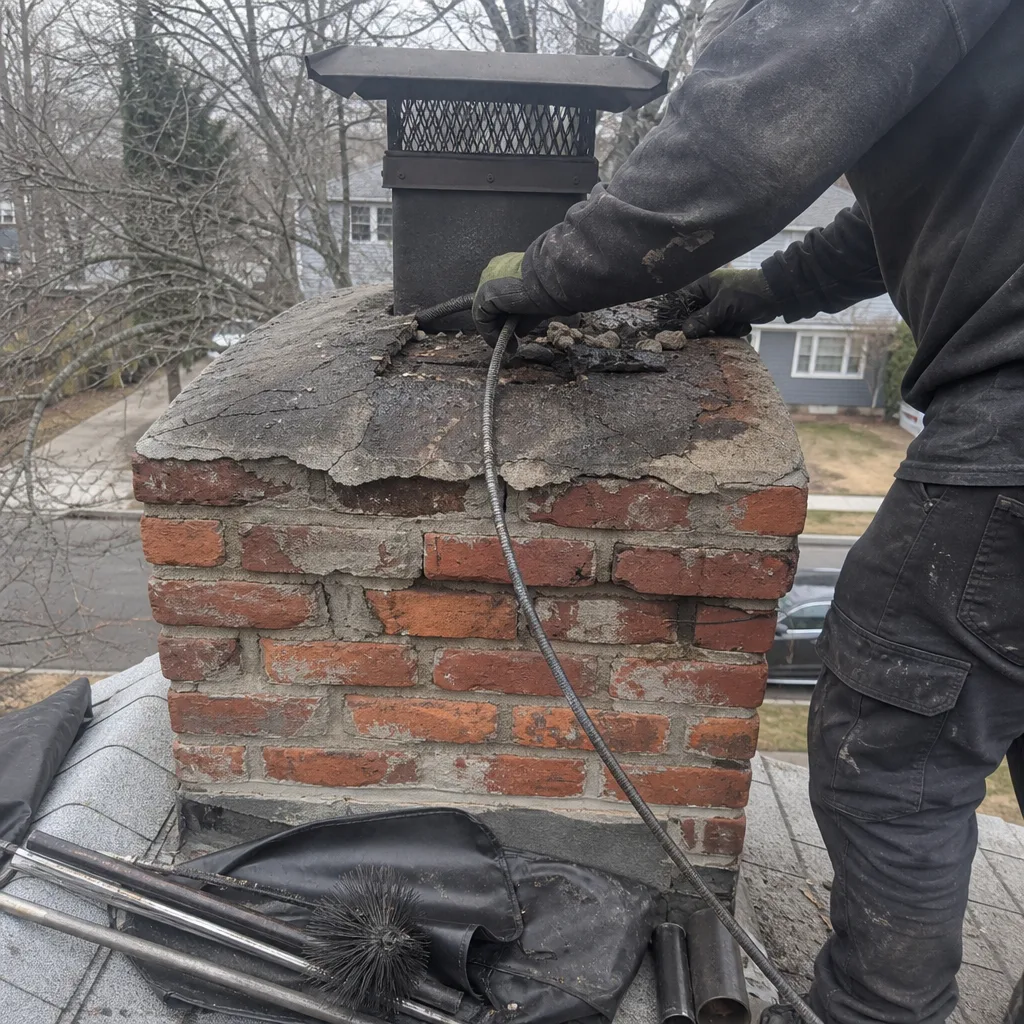 Before
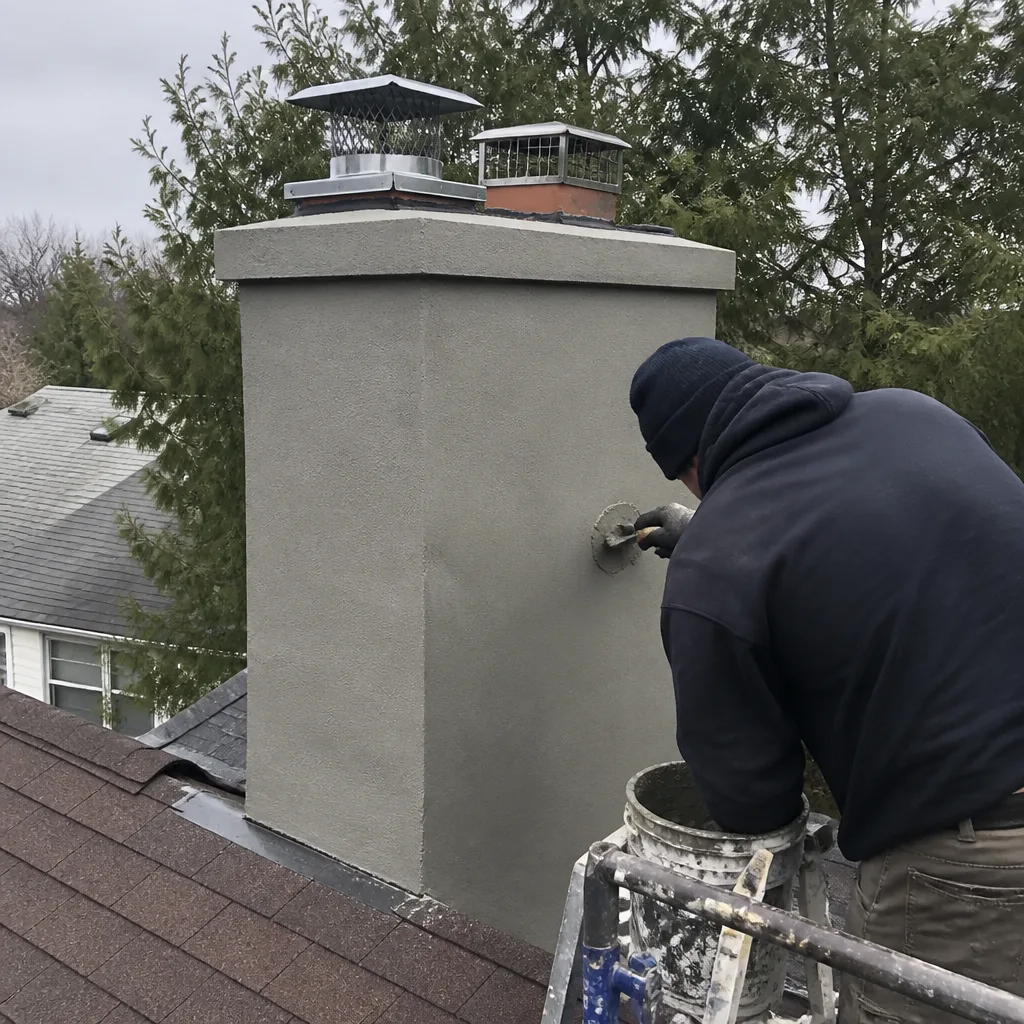 After
After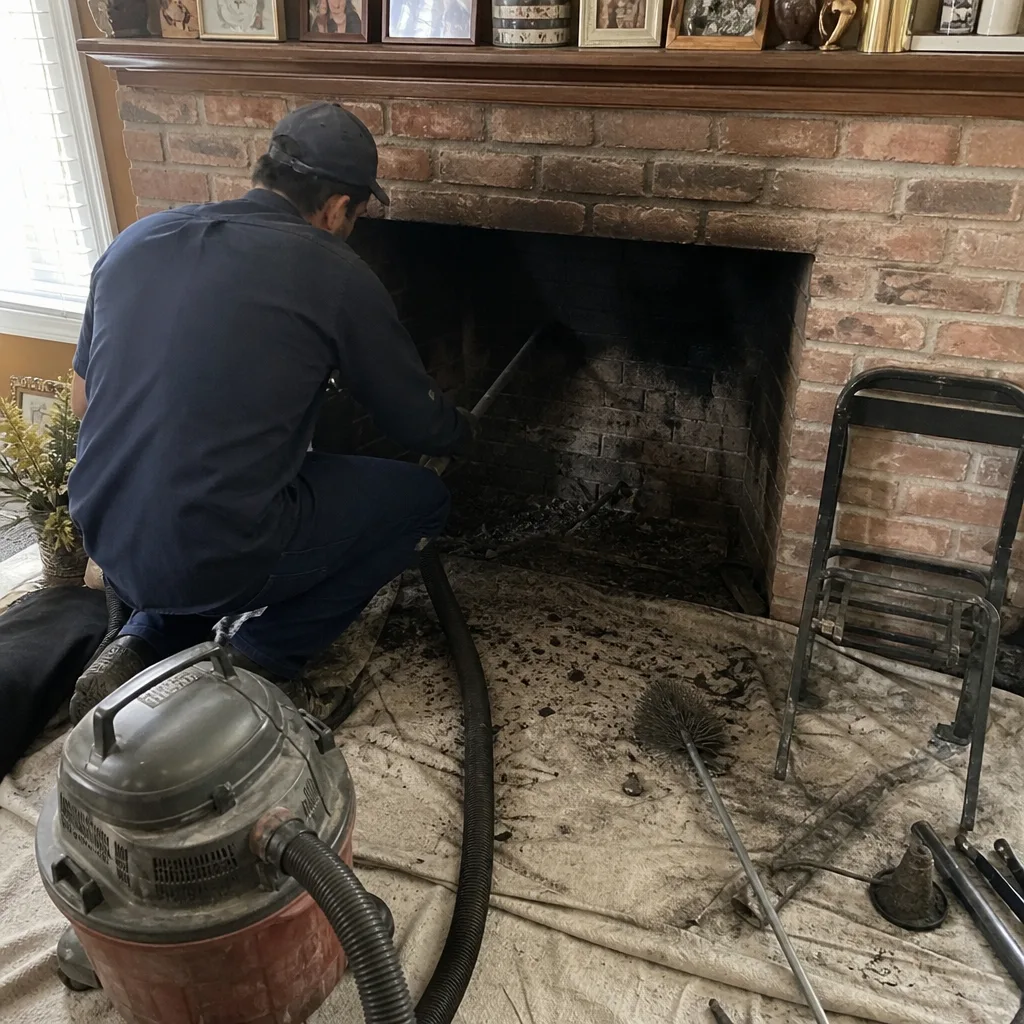 Before
 After
After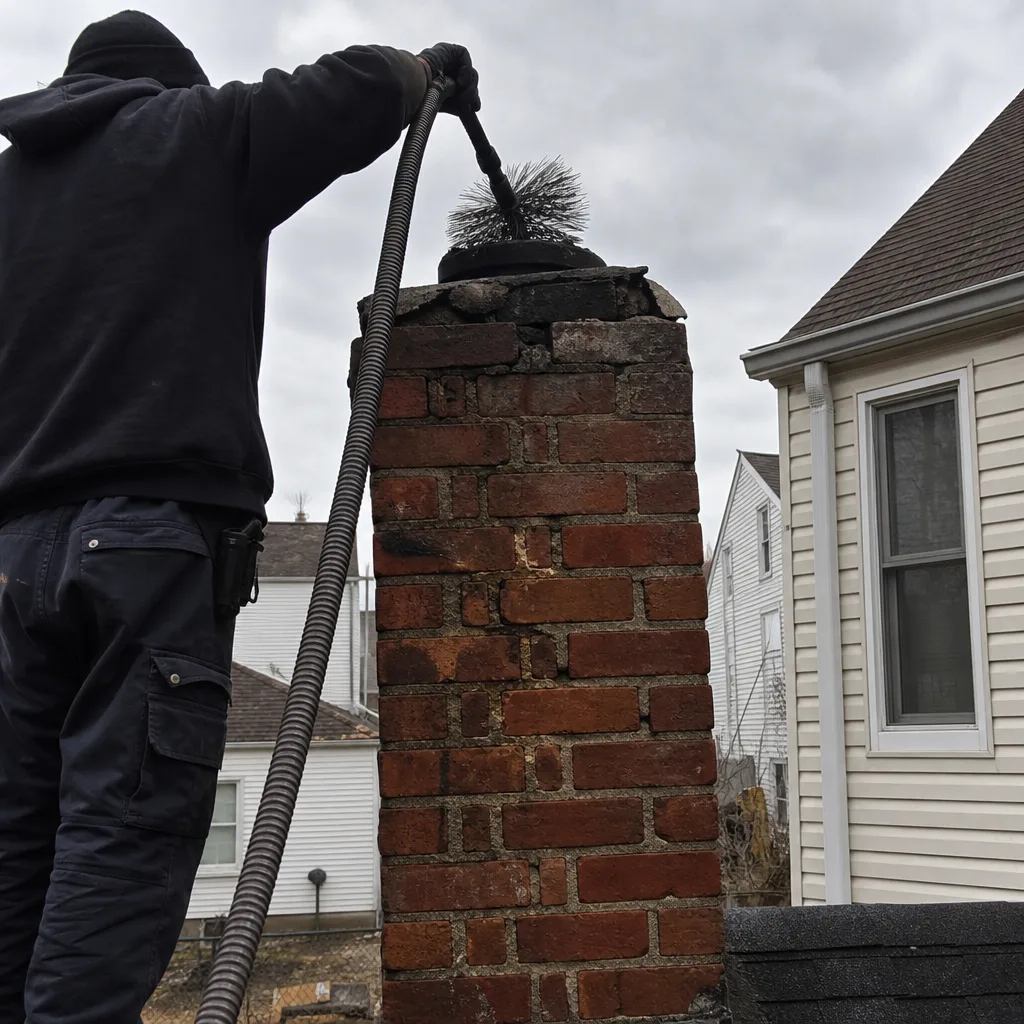 Before
 After
After