
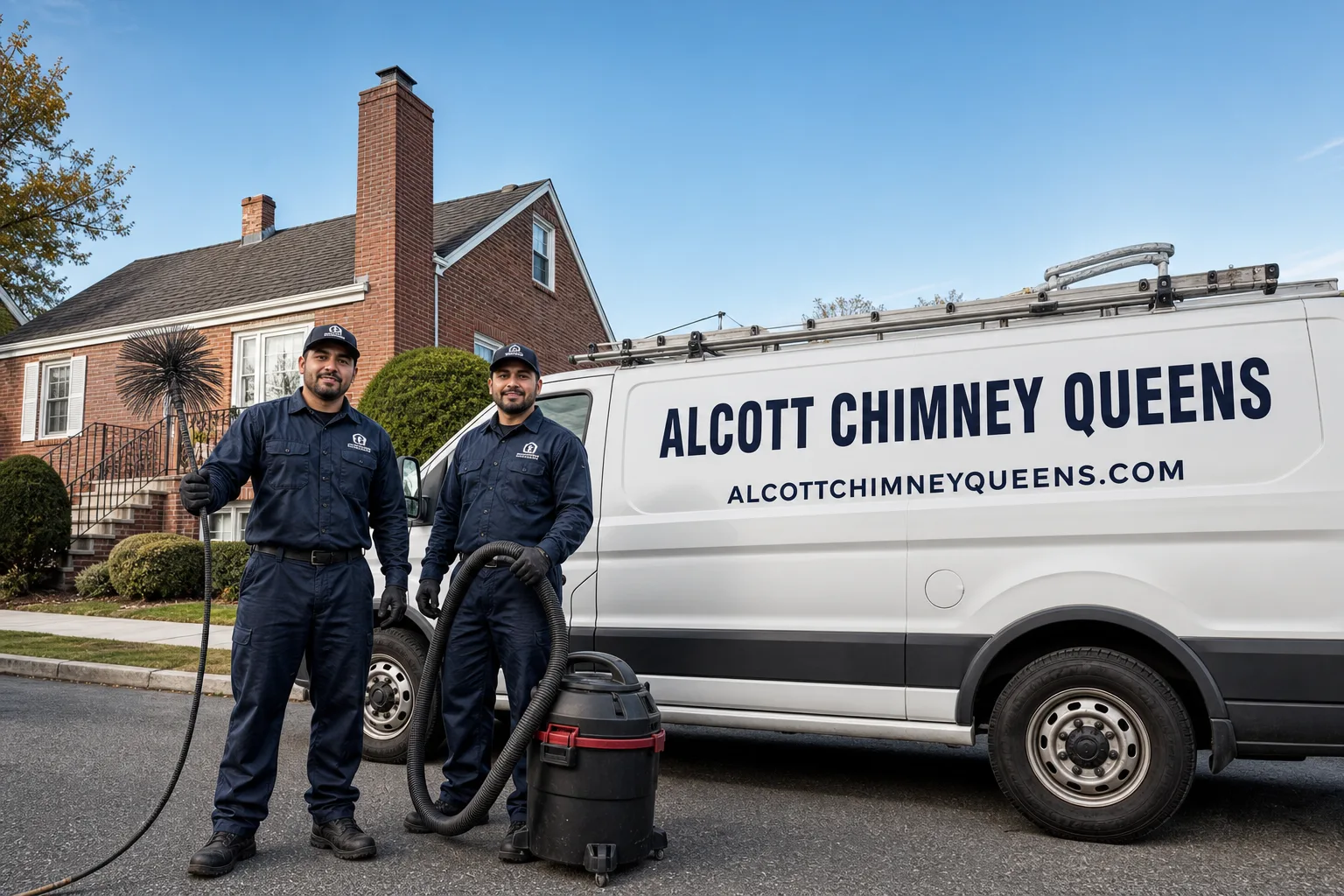
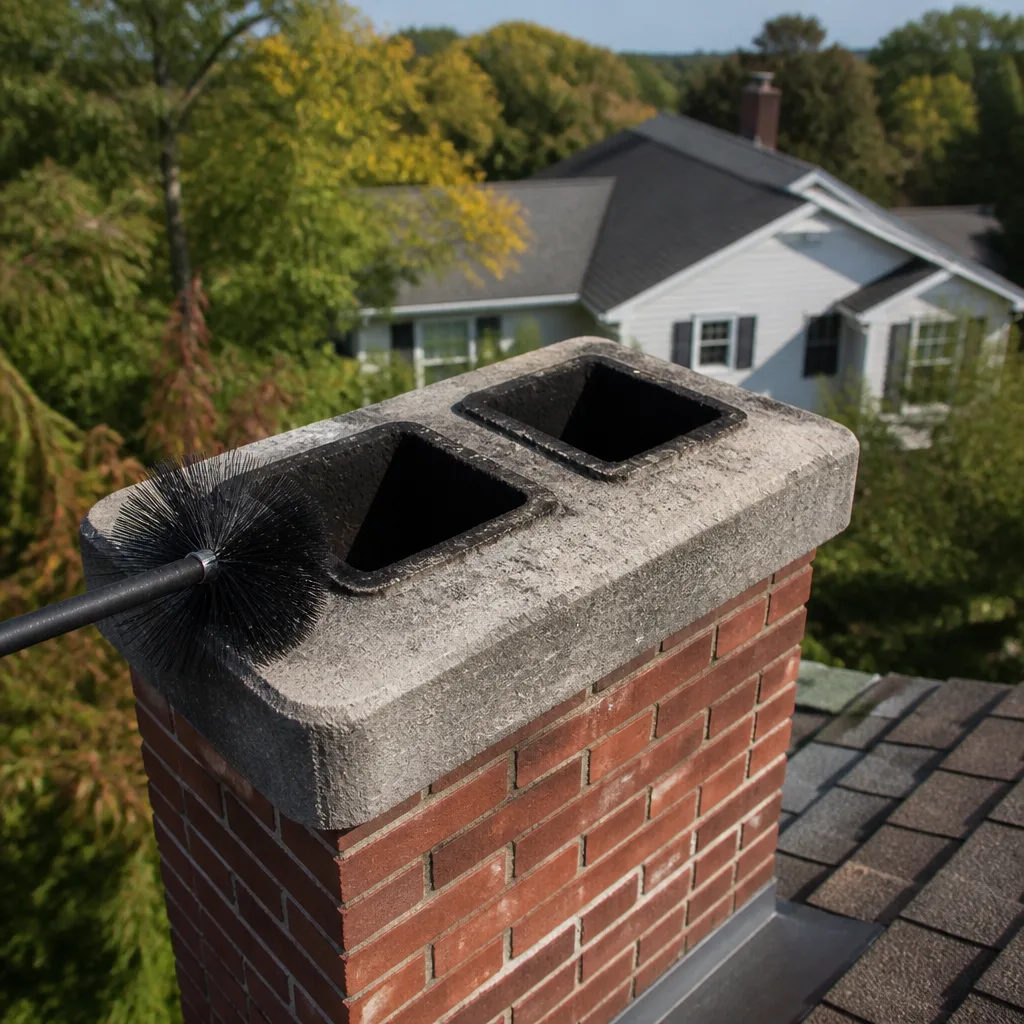
 Sweep & inspection
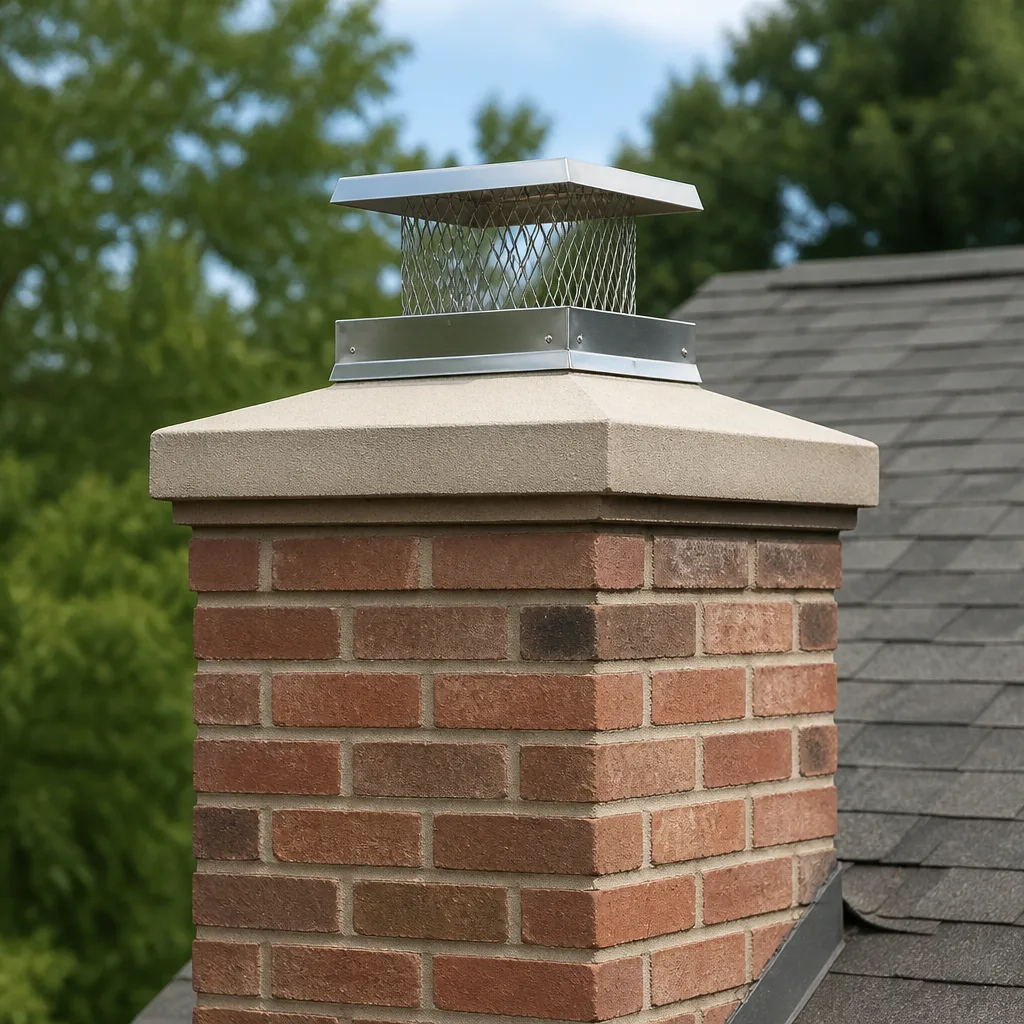 Caps & crowns
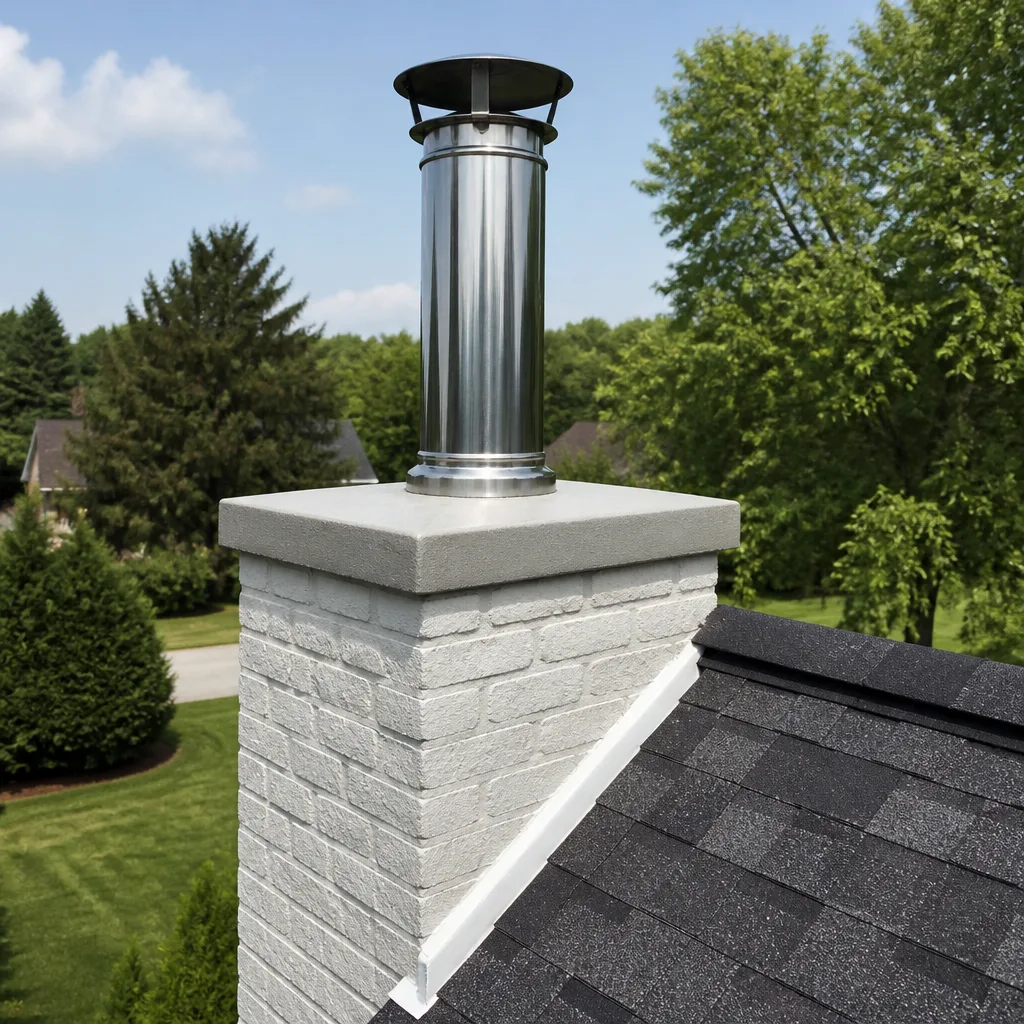 Flue relining
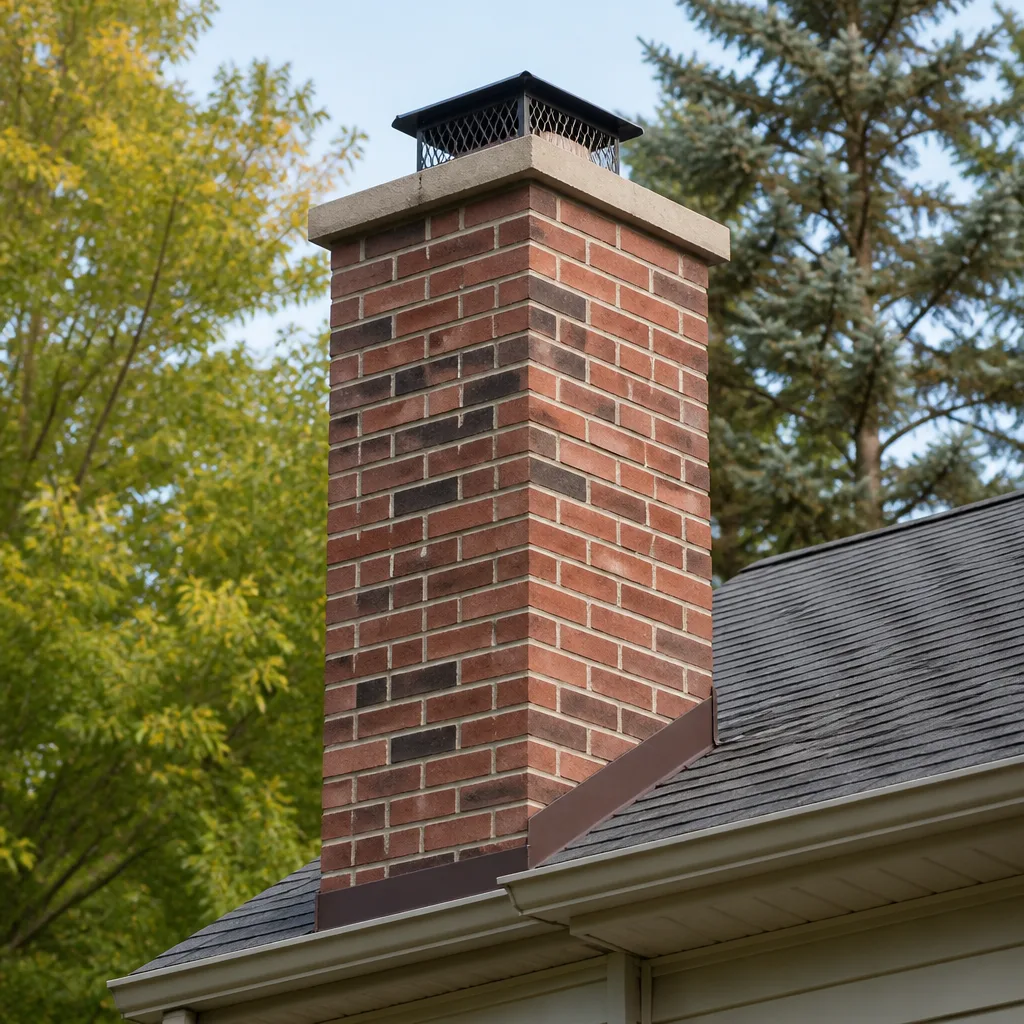 Masonry repair
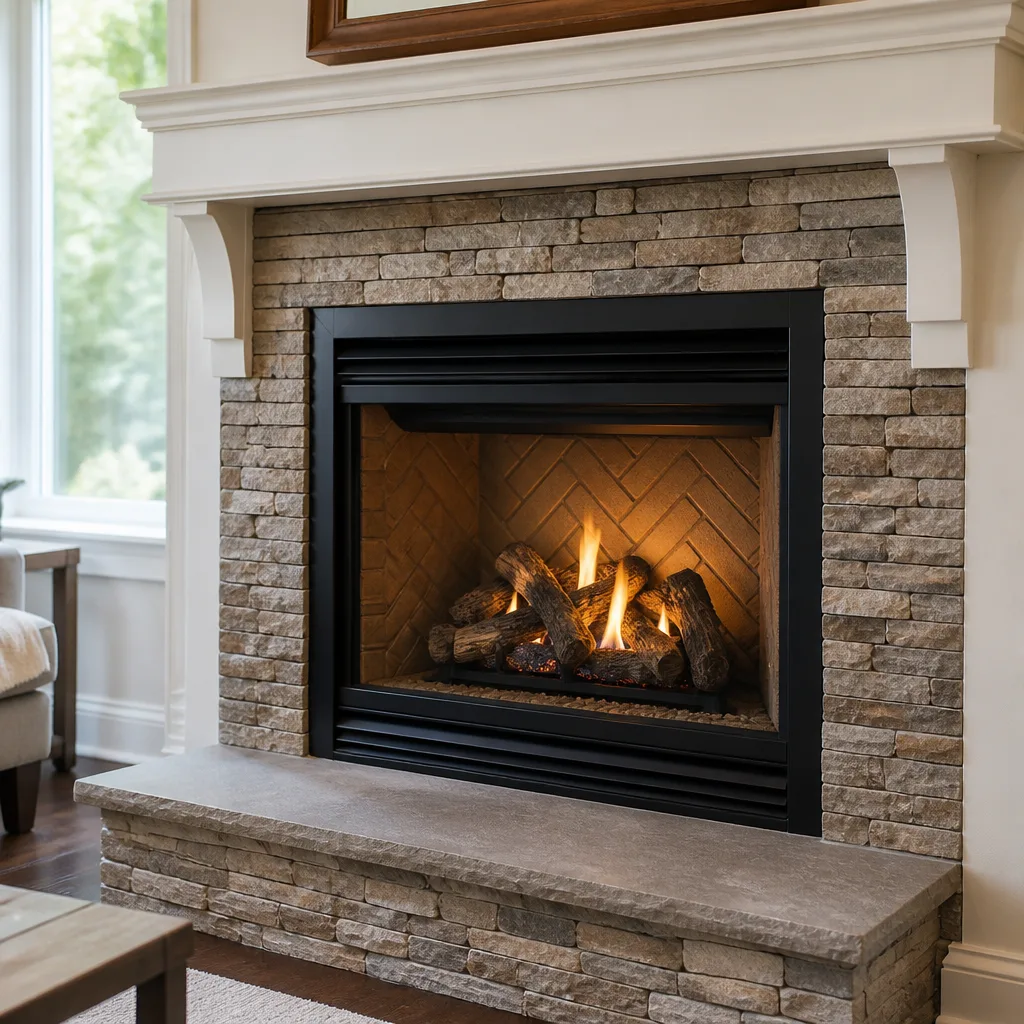 Gas fireplace service
Level 1 sweep and inspection to the NFPA 211 annual standard - flue, crown, cap, and flashing checked and photographed
Chimney sweep logs do not sweep chimneys. They loosen some creosote - which then falls where a brush and vacuum still have to collect it.
Fast, Reliable Chimney Inspection Across Queens
A chimney inspection in Queens typically costs $189 to $379 depending on the level of camera scoping and whether you live in an attached rowhouse or a detached single-family home. Most inspections take 45 to 90 minutes, and for homeowners in pre-war brick houses across Astoria, Sunnyside, Elmhurst, and Forest Hills, we can usually schedule within 3 to 5 business days. Alcott Chimney Queens is led by Ruben Castellano, and we’ve worked on enough shared-stack rowhouses in Queens to know that a visual-only check often misses the problems that actually matter. Call (518) 719-4643 for a free estimate and a written price before anyone rings your doorbell.
Why Alcott Chimney Queens Is Queens’s Preferred Chimney Inspection Company
We don’t expect you to take our word for it. When you book with us, you’ll know the technician’s name and see their photo before we arrive. That person rings the bell in uniform, holds up a photo ID badge at the door, and has already passed the background check and identity verification that define the Threshold Standard. In Queens, where homeowners are often home alone or managing young kids, that preview matters more than a logo on a truck.
Our local reputation comes from showing the camera work. A Queens homeowner who’s told they need a $4,000 liner should see the cracked flue tile on screen before signing anything. That’s how Ruben Castellano has run inspections here since 2002, and why our written guarantee covers every repair we make. If a repair fails within the coverage period, the second visit is free. No fine print, no re-inspection fee. Just the 365-Day Done Right Promise.
Dispatch and scheduling for Queens jobs are coordinated from the brand’s New York City office, but our crews work the borough every week. We know the difference between a detached 1950s single-family chimney in Bayside and a shared party-wall stack on 46th Street in Sunnyside. That local knowledge changes what we look for, and what we recommend.
Styles & brands we work with
Chimney Flue Inspection in Queens
A Chimney Flue Inspection in Queens is a camera-scoped look at the inside of your flue, from the firebox up through the crown, to find cracks, gaps, creosote buildup, and cross-flue damage that a visual check from the roof or hearth cannot. In Queens, this is not an optional add-on. Attached and semi-attached pre-war brick homes share chimney stacks, and a failing clay tile liner in one unit can push smoke or carbon monoxide into the neighbor’s flue. You need to see inside.
Camera Scope and Hidden Damage
We run a high-resolution camera up the flue and record what we find. You see it live or in the photo report afterward. In older Queens chimneys with original clay tile liners, the camera commonly reveals spalled tile faces, eroded mortar joints, and second-degree creosote glazing that would otherwise go unnoticed until a backdraft or CO alarm.
The Photo and Video Report
Every flue inspection includes a written report with photos and, where useful, short video clips. You keep that. It’s yours. If we recommend a DuraFlex liner or HeatShield resurfacing, the recommendation comes with the exact image that shows why, marked and explained. If the camera shows a flue that’s dirty but structurally sound, we say so, and we tell you a sweep is all you need.
Chimney Fire in Queens
A Chimney Fire in Queens is most often caused by creosote, the tar-like buildup that forms when wood smoke cools inside the flue. In Queens, where cold winters mean long burns in old masonry chimneys, and coastal winds push smoke turbulence that accelerates creosote deposition, the risk is real but entirely preventable with regular inspection and sweeping. If you’ve heard a sound like a freight train, seen flames from the crown, or smelled a hot acrid burn, you need an inspection before the next fire is lit.
What Happens During a Chimney Fire
Creosote ignites around 2,000°F. The fire can crack flue tiles, separate mortar joints, warp dampers, and send embers into the roof or into a neighbor’s flue in a shared Queens stack. After any chimney fire, even a small one, the flue must be camera-scoped before the fireplace or wood stove is used again. The fire may have opened a path for exhaust gases to reach framing or living space.
Prevention by Inspection
The way to avoid a chimney fire in Queens is straightforward: a Level 2 camera inspection before the burning season if you burn more than twice per week, and a sweep when creosote reaches 1/8 inch on the flue wall. Our inspectors in Queens check crown and cap integrity, flue liner condition, smoke chamber glazing, and draft. We always complete a smoke test after any repair to verify proper draw.
Trusted Brands We Service in Queens
We install and service what chimney professionals specify, not box-store substitutes. When we reline a flue, we use DuraFlex stainless liners sized to the exact flue dimensions. When a flue can be saved rather than replaced, we use HeatShield resurfacing, which coats and seals existing clay tile instead of demolishing it. We also work with Olympia Chimney caps and dampers, Gelco and Famco components where the job calls for them, and we keep common parts staged for Queens turnaround so you’re not waiting on a warehouse. If another company installed one of these systems and it’s not drafting, we’ll inspect it and write up exactly what’s wrong.
See the difference
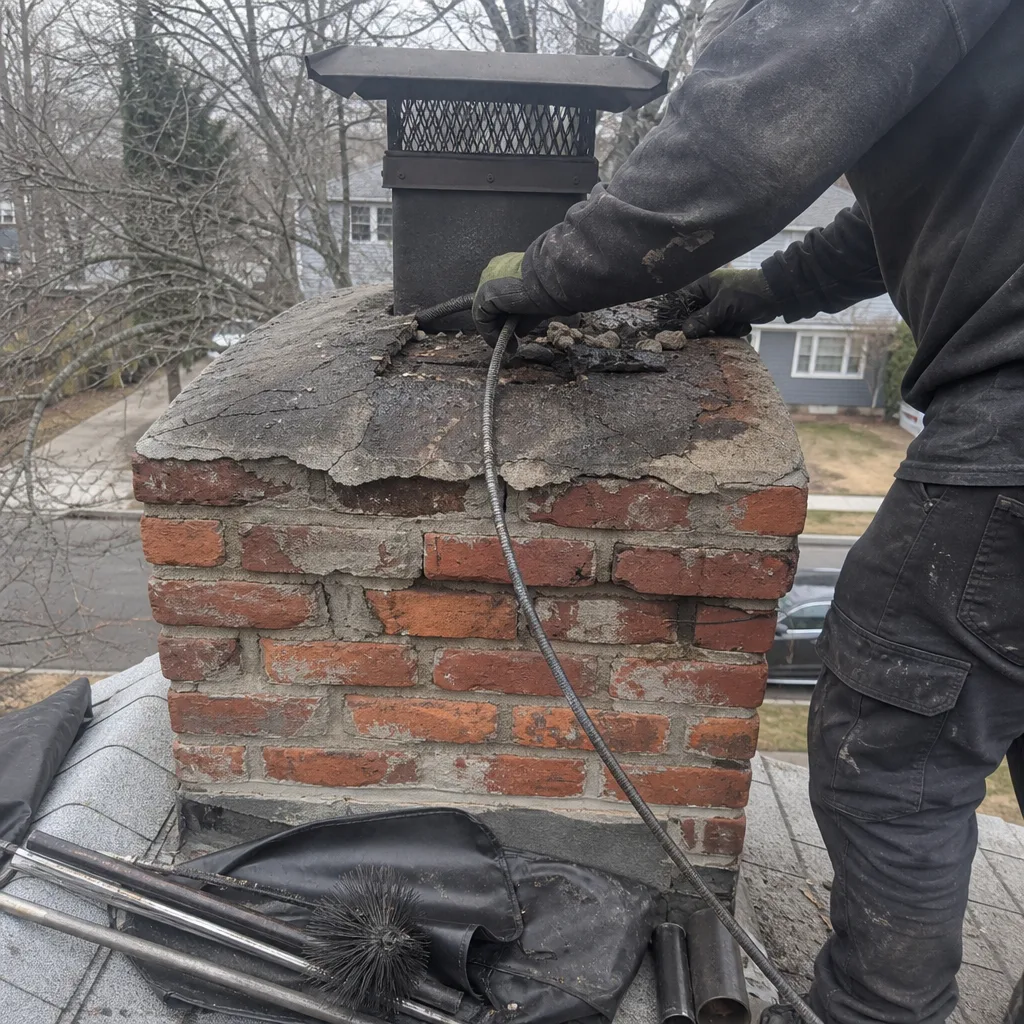 Before
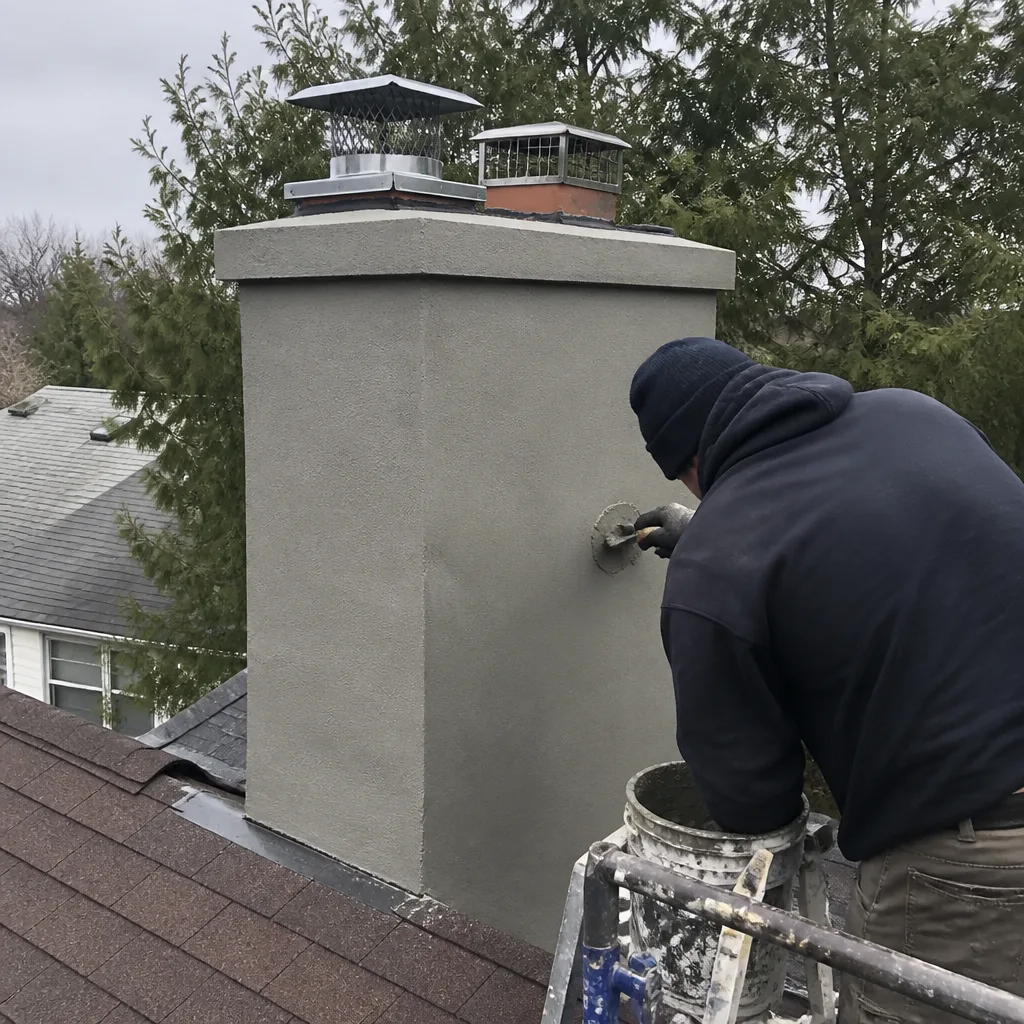 After
After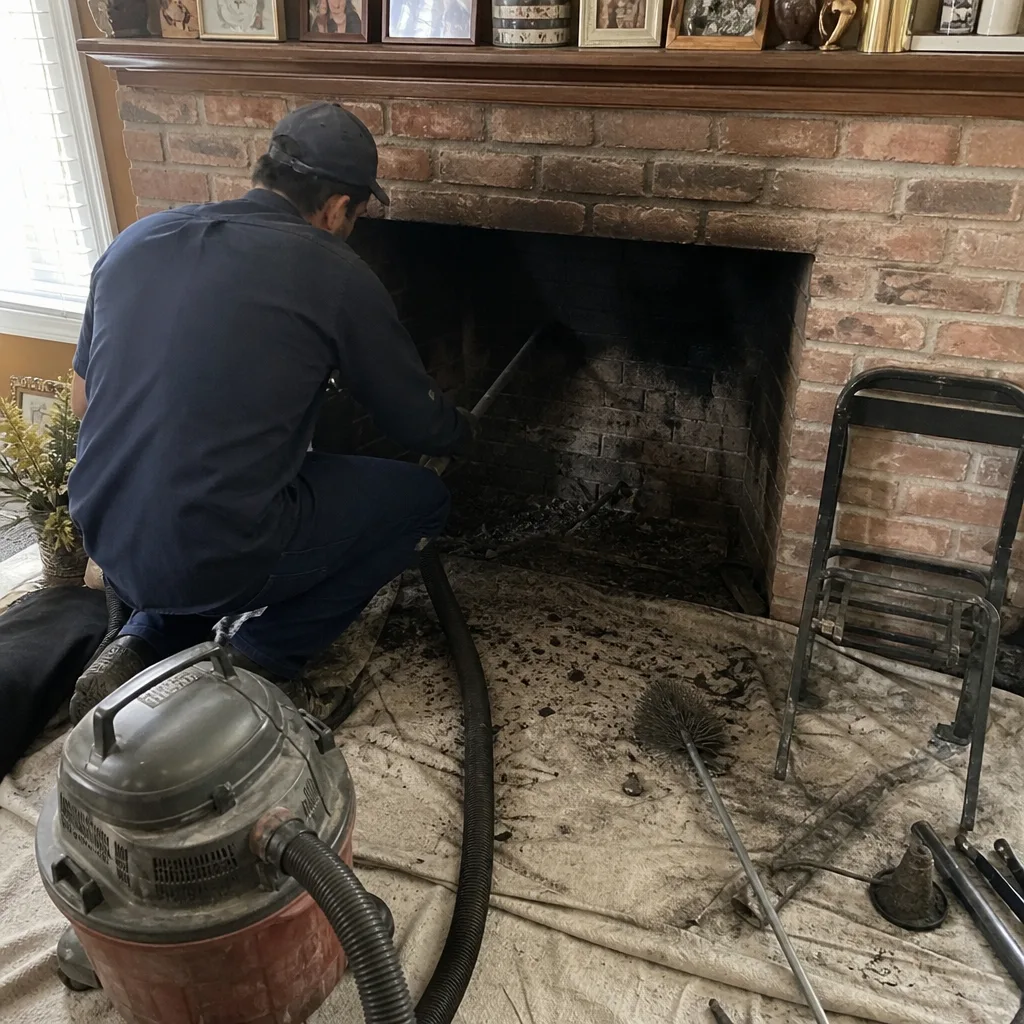 Before
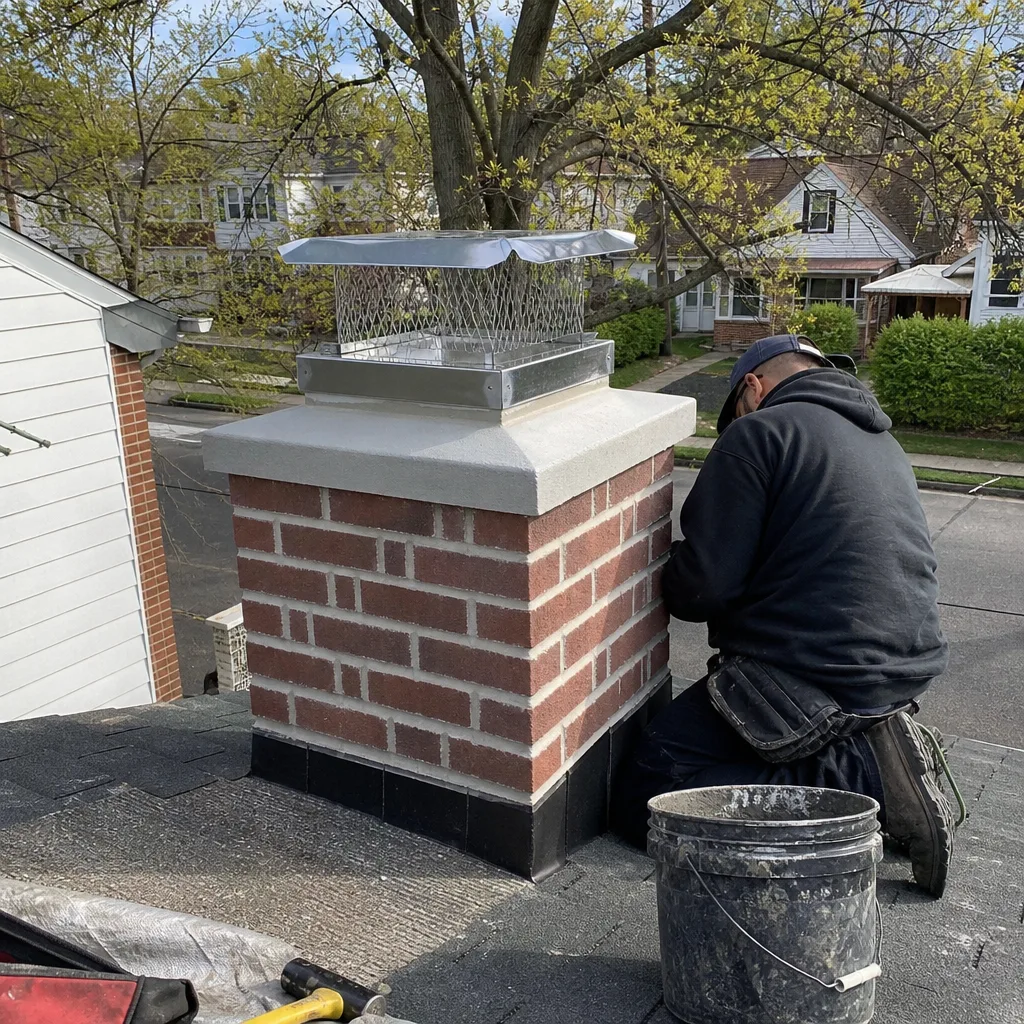 After
After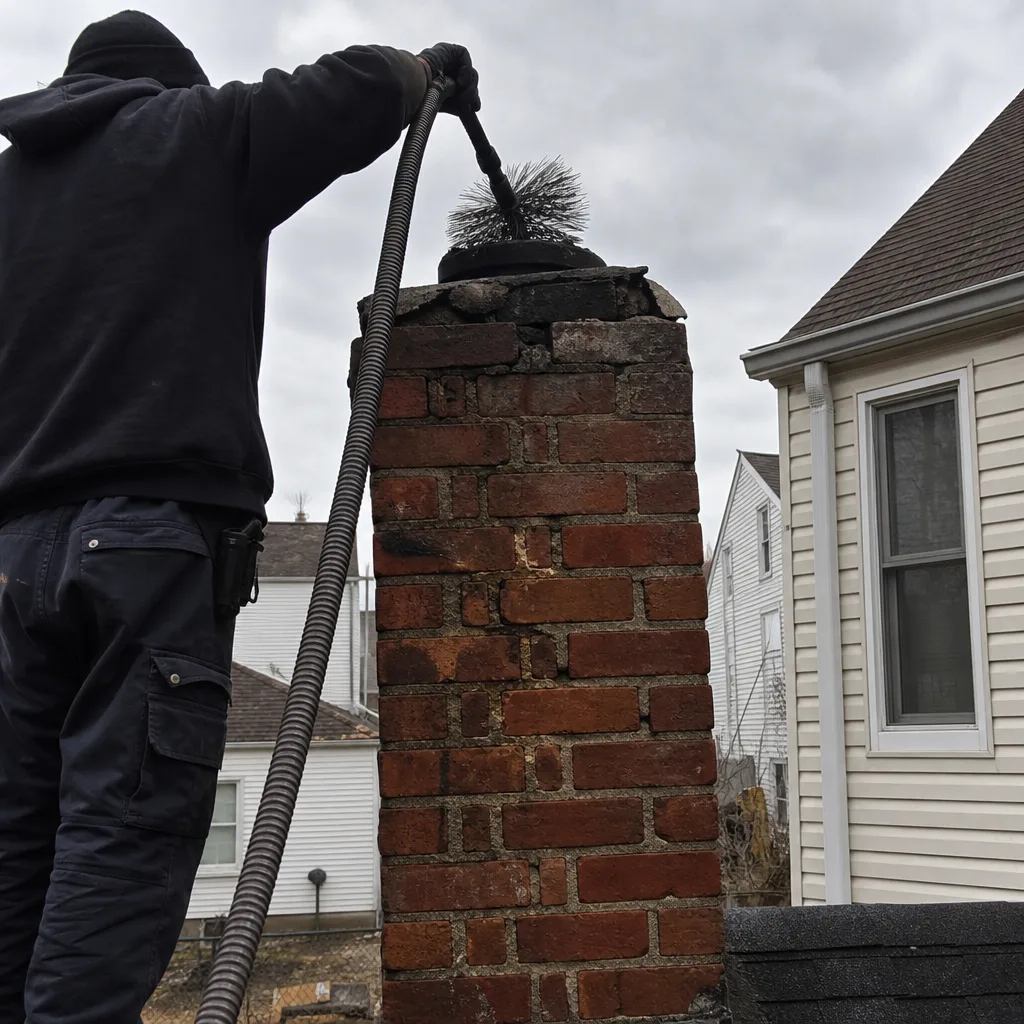 Before
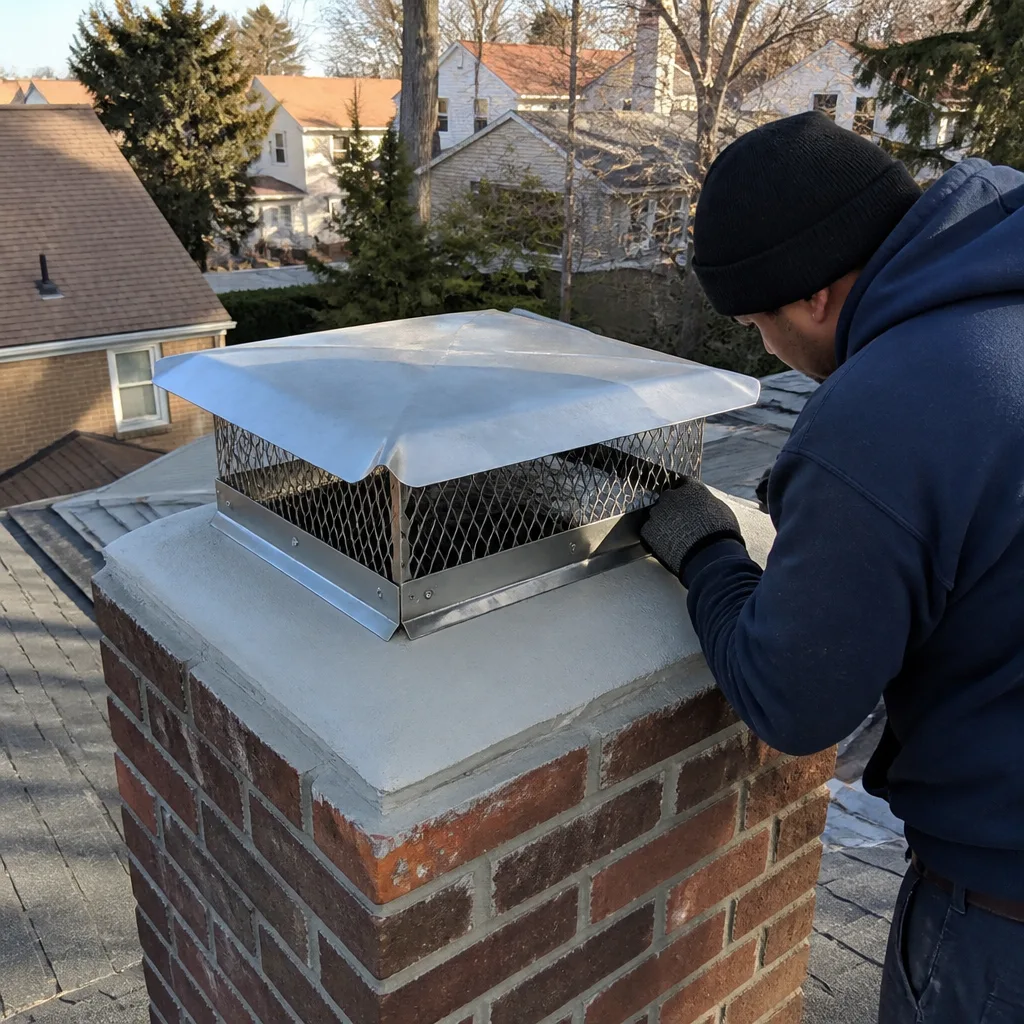 After
AfterCommon Chimney Inspection Problems We See in Queens Homes
- Shared-stack cross-flue cracks: In Astoria and Sunnyside rowhouses, multiple flues sit inside one masonry stack. A cracked shared wythe lets smoke and CO move between units. Our camera inspection maps every flue and verifies separation.
- Freeze-thaw spalling on crowns and caps: Queens winters cycle through freezes and thaws that crack old mortar crowns. Loose chunks drop into the flue and block draft. We check the crown on every inspection, not just when you report a problem.
- Third-degree creosote glazing: The most dangerous condition in a used fireplace, third-degree glazing looks like shiny black tar and burns like fuel. Queens’s coastal humidity encourages it in flues that run cool. We show you the camera footage.
- Unlined flues in pre-war brick: Many 1920s and 1930s Queens homes still vent fireplace or appliance exhaust through raw brick or failing clay tile. We flag this when we see it, and we let camera evidence, not age alone, drive any liner recommendation.
Pricing for Chimney Inspection in Queens, NY
A standard Level 1 visual inspection in Queens runs $189 to $249 for a single fireplace or appliance flue. A Level 2 camera inspection, which we strongly recommend for any pre-war attached home, shared stack, or real estate transfer, runs $289 to $379. That includes the camera scope, the written photo report, and a draft check. If you’re buying or selling a home, a Level 2 is what most Queens co-op boards, lenders, and real estate attorneys expect. A Level 3 inspection, which involves opening up masonry to examine hidden flue sections, is quoted after we review the Level 2 findings and explain exactly what needs to be opened and why. Every inspection includes a written price before any work starts. Call (518) 719-4643 for a free estimate for your Queens home.
We Also Serve Cities Near Queens
Our Chimney Inspection crews work throughout Queens and nearby communities including New York, Astoria, Elmhurst, and Valley Stream. If you’re just outside the borough, call us. If your urgent inspection is in Queens, see Chimney Inspection in Queens for scheduling, and we’ll confirm a time right on the phone.
Serving Queens, NY - Our Local Coverage Area
We’re based in the Queens area and know this community well. Use the map below to see our service coverage - if you’re nearby, we can almost certainly help.
FAQs About Chimney Inspection in Queens
Because in an attached rowhouse, multiple homes share one chimney stack, and the only way to confirm the condition of your flue, your neighbor’s flue, and the shared masonry wythe between them is to look inside with a camera. A visual-only Level 1 check cannot see cracked flue tiles, failed mortar joints, or cross-flue openings. When we scope a shared stack and see deterioration, we show you the footage before quoting any liner work. A liner recommendation without that evidence is a guess, and in a shared Queens stack, a wrong guess puts carbon monoxide into someone else’s living space. Call (518) 719-4643 to schedule a camera inspection with a written photo report.
A pre-war brick chimney in Queens should be inspected annually, even with light use. Freeze-thaw spalling, corroding caps, and deteriorating clay tile liners happen with the weather, not with usage. An unused fireplace chimney still vents nothing but still lets water in, and water accelerates every failure mode we see in older Queens homes. If you burn regularly during winter, inspect before the season starts. If you smell a musty odor or see moisture stains near the hearth, don’t wait for the annual check. Call (518) 719-4643 and we’ll scope it.
Third-degree creosote looks like a shiny, black, tar-like glaze fused to the flue wall, often puddled in the smoke chamber. It’s dangerous because it is concentrated fuel. A flue fire at that stage burns extremely hot and can crack the masonry in seconds. By the time our camera shows this condition, simple brushing usually will not remove it; the flue often needs chemical treatment or mechanical removal, followed by a full inspection to check for damage. If you run your fireplace heavily, do not wait for visible smoke or backdraft. Call (518) 719-4643.
Yes, especially in older attached homes where flues are separated only by a single wythe of brick. A blockage in one flue increases pressure and can push smoke, odor, and carbon monoxide across a cracked or deteriorated shared wythe into your flue, and from there into your living space. The failure may be entirely on your neighbor’s side, but the risk is yours. That’s why our Queens inspections always verify flue separation and shared-wall integrity, and why we mark every flue in a shared stack before we write a report. Call (518) 719-4643 if you notice backdraft smells or soot streaks near your chimney breast.
Queens sits on the western Long Island shore, and sustained coastal winds drive rain sideways into chimney crowns and caps, accelerating mortar erosion and rust. Wind-driven rain enters cracks that would stay dry in a calmer climate, and freeze-thaw cycles then split the masonry. We inspect the crown and cap on every visit, and we recommend a crown sealer or replacement when we see cracks that will only widen. If your cap is rusted, tilted, or missing, a replacement with Olympia Chimney or another professional-grade cap is a simple fix before water damage turns into a liner or rebuild. Call (518) 719-4643 for an inspection.
Call Alcott Chimney Queens at (518) 719-4643 for a chimney inspection in Queens. You’ll get a real person on the phone, a written price before anyone starts, and a technician whose name and photo you’ll know before the doorbell rings.
Written by Ruben Castellano, Owner at Alcott Chimney Queens, serving Queens since 2002.