
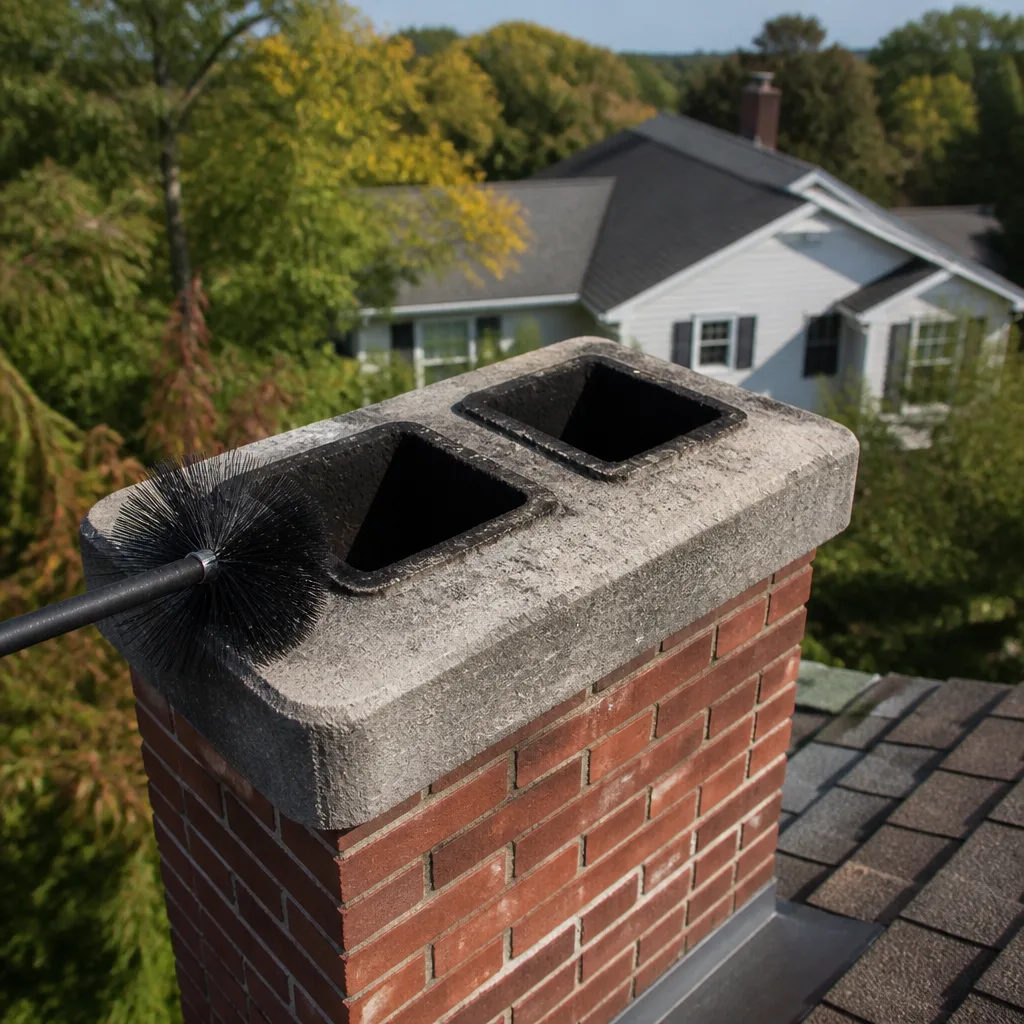
 Sweep & inspection
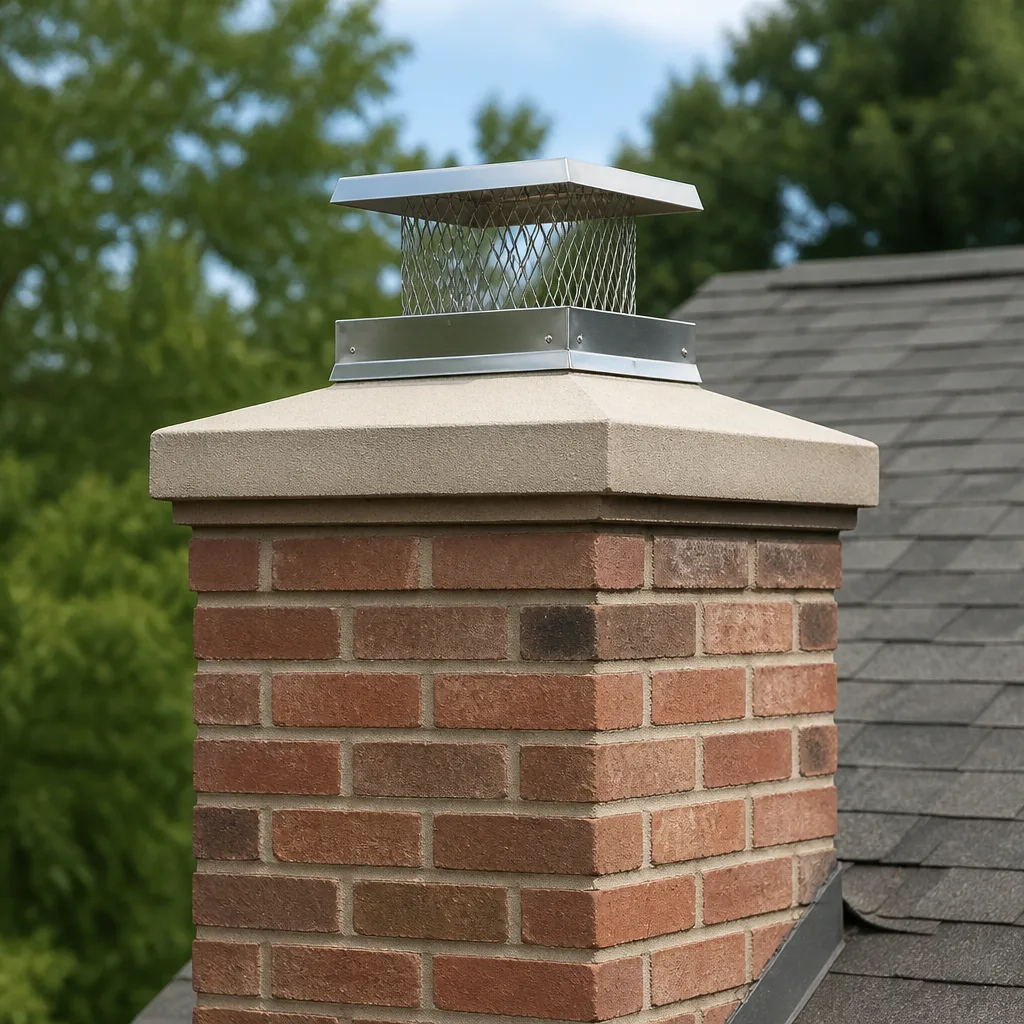 Caps & crowns
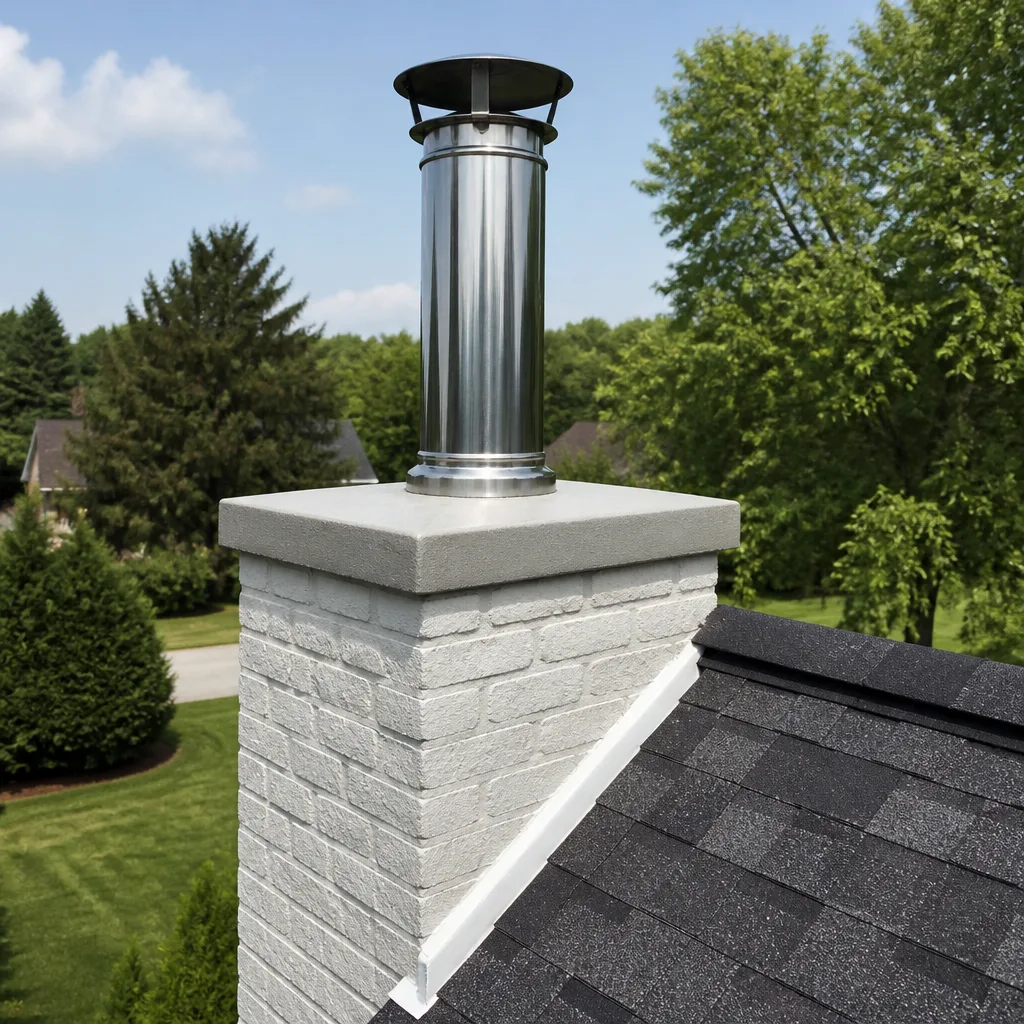 Flue relining
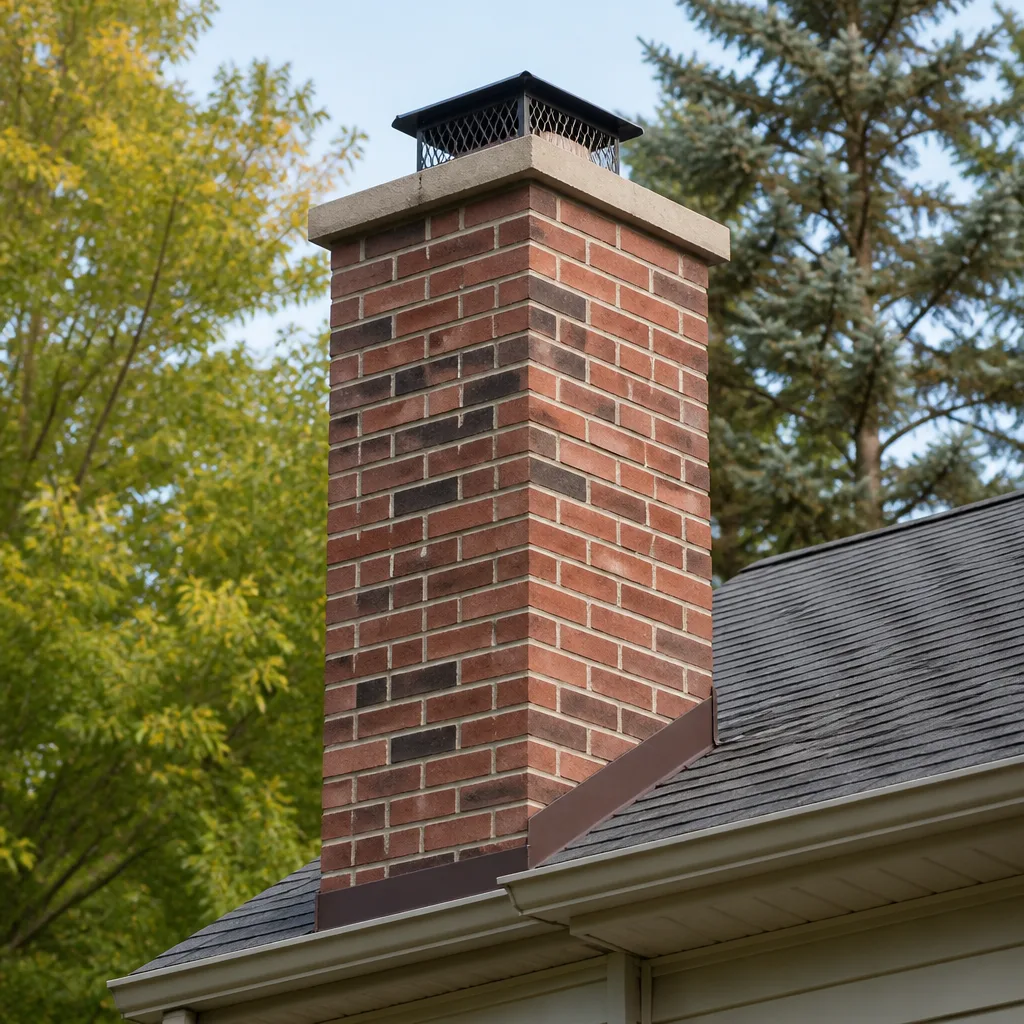 Masonry repair
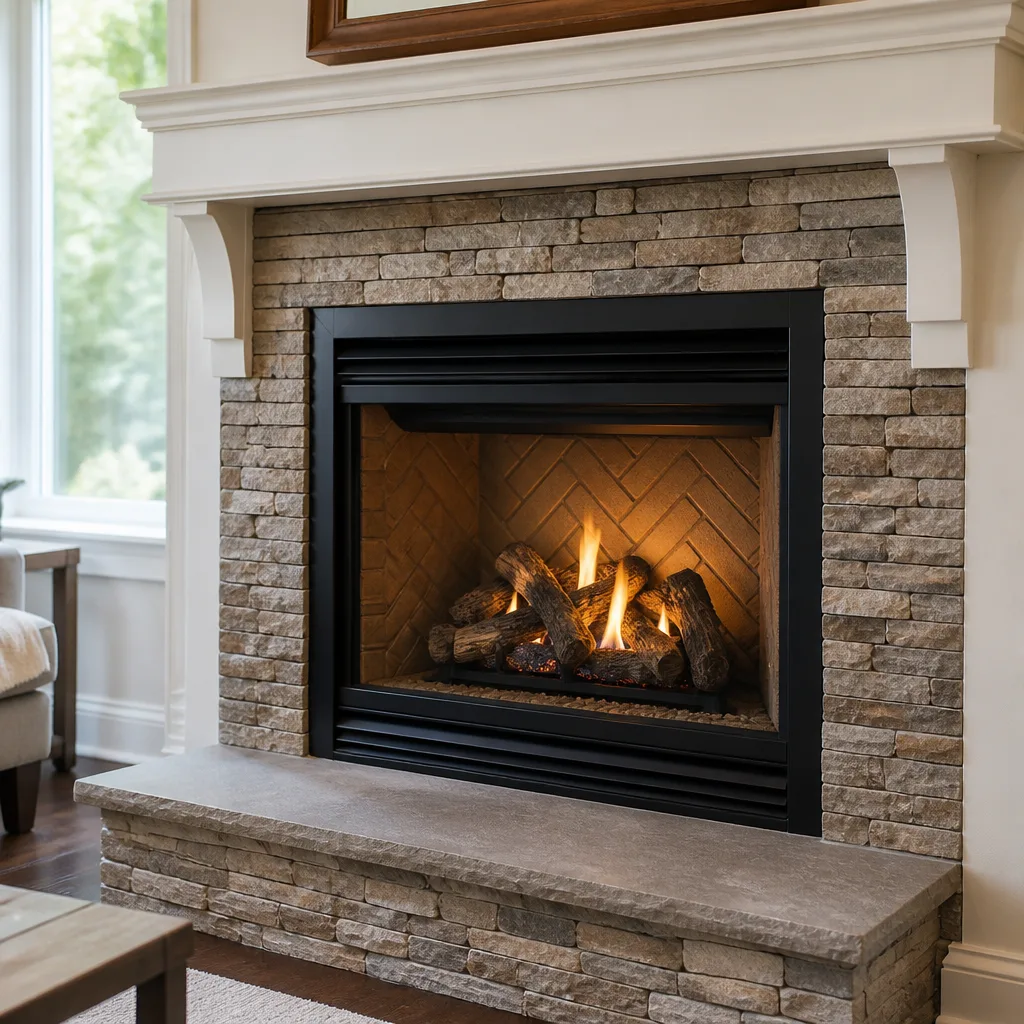 Gas fireplace service
Level 1 sweep and inspection to the NFPA 211 annual standard - flue, crown, cap, and flashing checked and photographed
Chimney sweep logs do not sweep chimneys. They loosen some creosote - which then falls where a brush and vacuum still have to collect it.
HeatShield Chimney Sweep in Queens: What to Know First
A HeatShield chimney sweep in Queens typically runs $225 – $395 for a standard cleaning and Level 1 inspection, with most jobs completed in under two hours. We’re an independent HeatShield service provider – not a factory-authorized affiliate – which means we answer to you, not to a brand warranty department. If you own a HeatShield resurfaced flue and you’re overdue for a sweep or you’ve spotted something odd behind the damper, call (518) 719-4643 and we’ll give you a straight read before we ever take a brush to it.
How HeatShield Products Fail – and How We Fix Them
HeatShield’s Cerfractory system is a genuinely good product when it’s installed right and maintained on schedule. But in Queens, we see the same failure patterns enough to know exactly what to look for before we even set up the ladder.
- Hairline cracking at the corbel transition. In older Queens row houses – we work on a lot of prewar construction in Astoria and Jackson Heights – the flue makes a hard angle where it passes the smoke shelf. HeatShield’s material handles vertical runs beautifully, but that transition point is where thermal expansion stresses it most. We’re specifically looking for spider-web crazing that’s invisible without a camera. Fix: localized resurfacing, usually same-day, before the crack widens enough to catch creosote.
- Spalling from water intrusion at the crown. Queens winters throw freeze-thaw cycles at chimney crowns, and when the crown mortar fails, water seeps into the HeatShield layer from the top down. You’ll see flaking material on the firebox floor – that’s the canary. Fix: we identify the crown issue first, repair it, then re-apply HeatShield’s resurfacing compound to the damaged section. Skipping the crown means redoing the resurfacing next year.
- Creosote bonding at the smoke chamber. HeatShield’s coating is smoother than raw masonry, which is part of its appeal – but the smoke chamber still has rough formwork angles that collect the tar-like buildup that causes chimney fires. We’ve pulled glossy, popcorn-creosote from HeatShield smoke chambers in homes that were swept only two seasons prior. Fix: mechanical brushing with poly brushes (never wire on HeatShield – see below), plus a camera inspection to confirm we got it all.
- Delamination at the first flue tile joint. On HeatShield jobs from the mid-2000s, the original installers sometimes skipped proper surface profiling before application. Clay tile is slick, and after a decade of expansion and contraction, the coating lifts at the joint. You’ll see what looks like peeling paint on your chimney scan. Fix: remove the loose material, profile the tile surface properly this time, and resurface. HeatShield’s own material binds better on a properly keyed surface.
- Warped or failed Heatshield joint seams on oval flues. Queens homes with two appliances venting into one oval flue put uneven heat distribution on the seam where the round HeatShield sections meet the oval transition. If we see darkening or a visible gap at that seam, we flag it for liner repair or a DuraFlex oval-to-round conversion depending on the appliance setup. The sweep clears what’s there; the fix keeps it from returning.
Styles & brands we work with
Our HeatShield Chimney Sweep Process
Every HeatShield job follows the same sequence, whether it’s a flat in Forest Hills or a detached house in Bayside. We don’t improvise, and we don’t skip steps.
- 1
Call and schedule. A live person answers, collects the details, and asks about any symptoms you’ve noticed – smells, drafting issues, visible flakes. No voicemail, no call-back queue.
- 2
Technician preview. You receive the technician’s name and photo before the visit. They arrive uniformed, with a photo ID badge, and they’ll introduce themselves at the door. That’s the Threshold Standard, and we don’t make exceptions.
- 3
Visual assessment and written price. We inspect the accessible areas, run the camera if warranted, and hand you a written price before any work starts. If we find something during the sweep that changes the scope, we stop and show you first. No surprise charges at the end.
- 4
HeatShield-safe sweep. We use poly brushes and HEPA-filtered vacuums to clean without scoring the Cerfractory surface. Wire brushes are a no – they create micro-abrasions that give creosote a foothold. We sweep from the firebox up and from the crown down, as the flue layout allows.
- 5
Post-sweep camera scan. We show you the before and after. You’ll see the flue walls, the smoke chamber, and any HeatShield wear we flagged. You’ll have photos you can keep.
- 6
Repair discussion, if needed. If we found something, we tell you plainly what can wait and what can’t, with a real dollar range for the fix. Then we leave your home cleaner than we found it, with the written guarantee in your hand.
See the difference
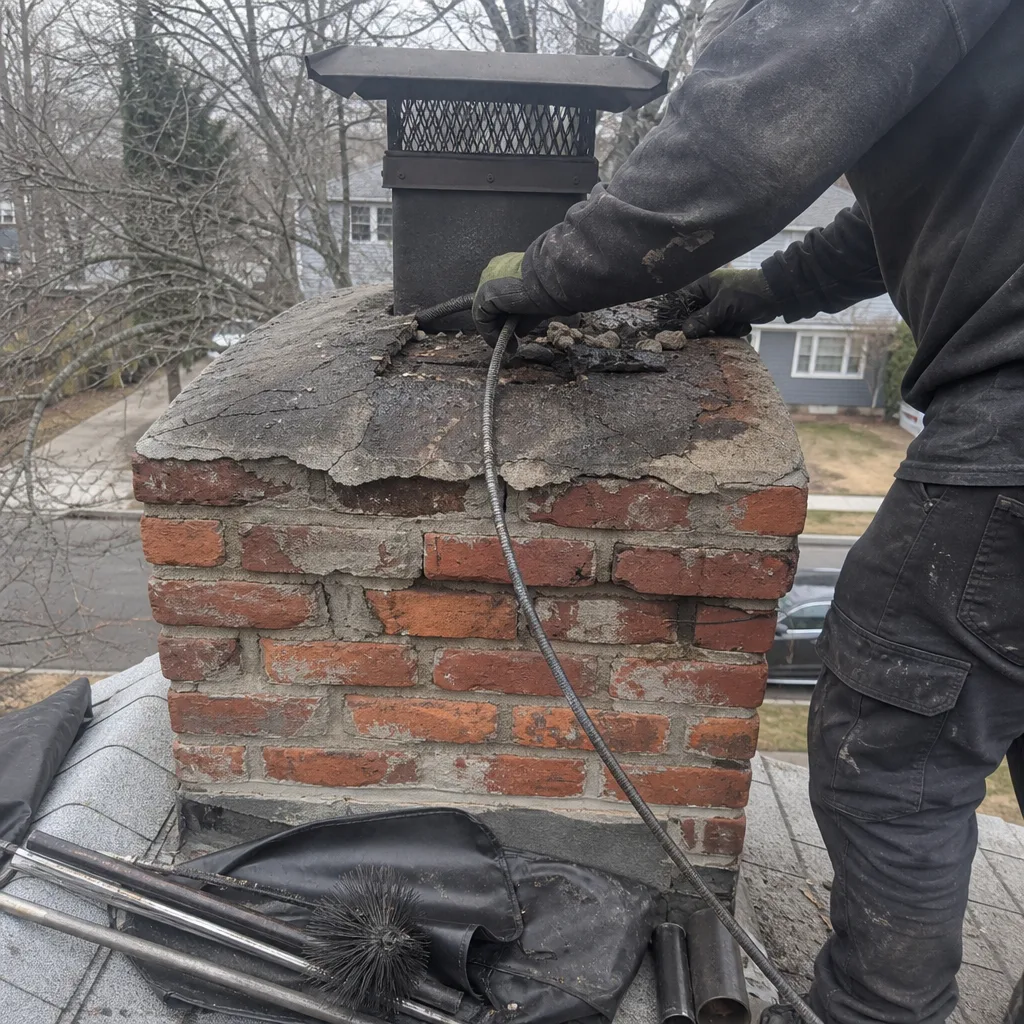 Before
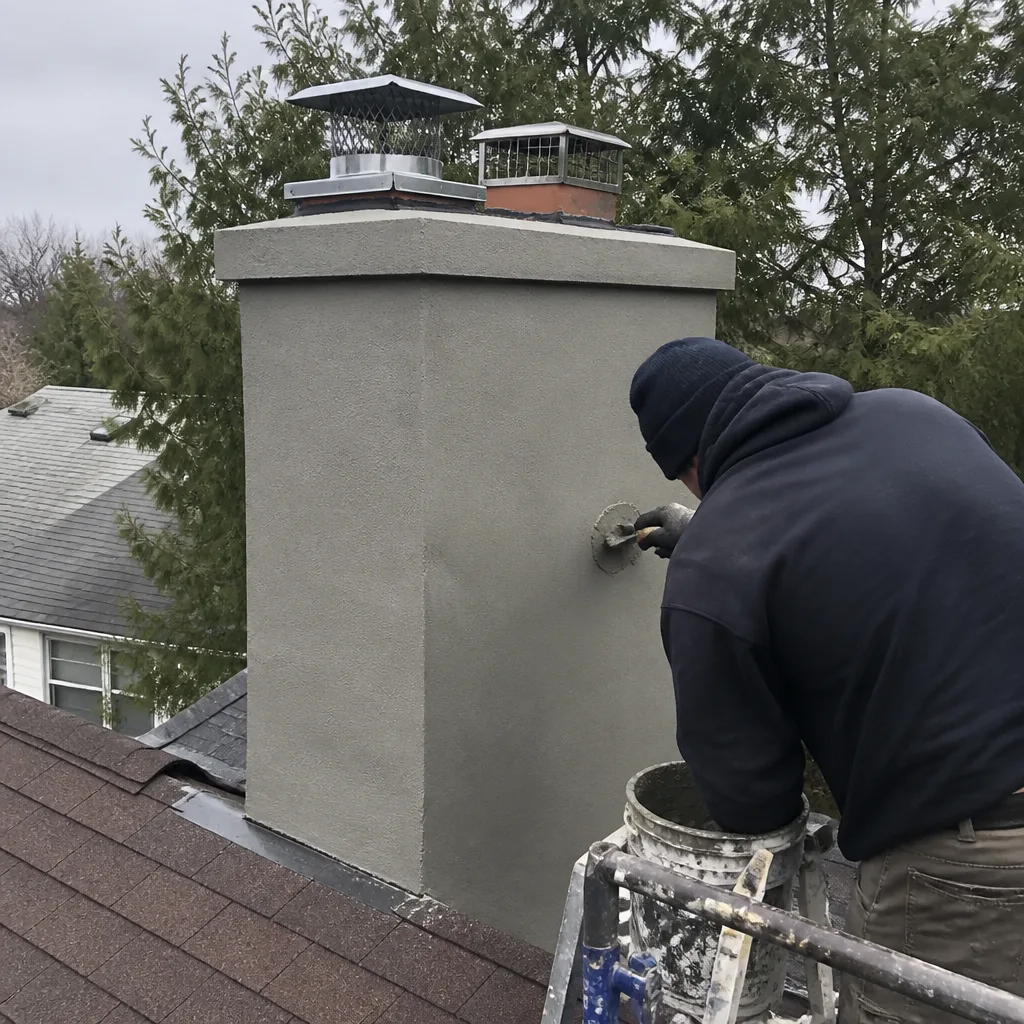 After
After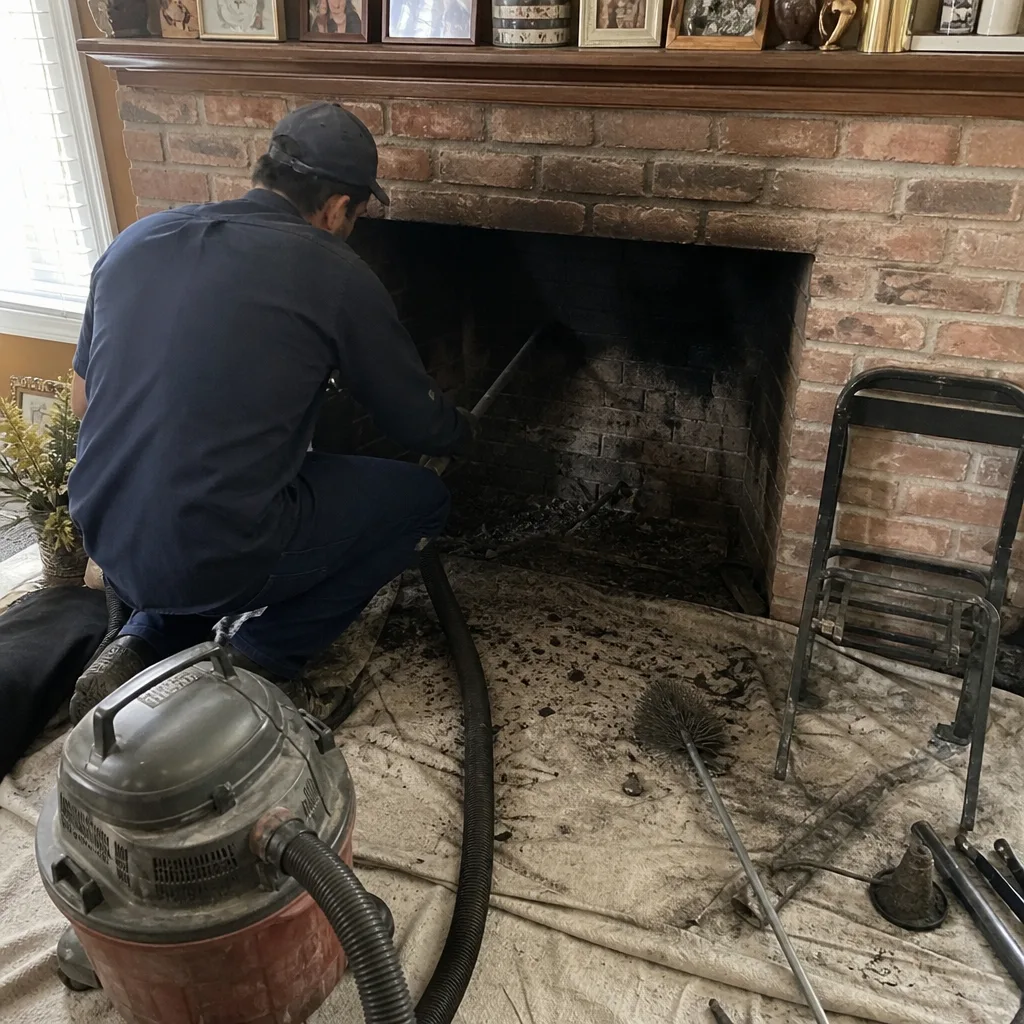 Before
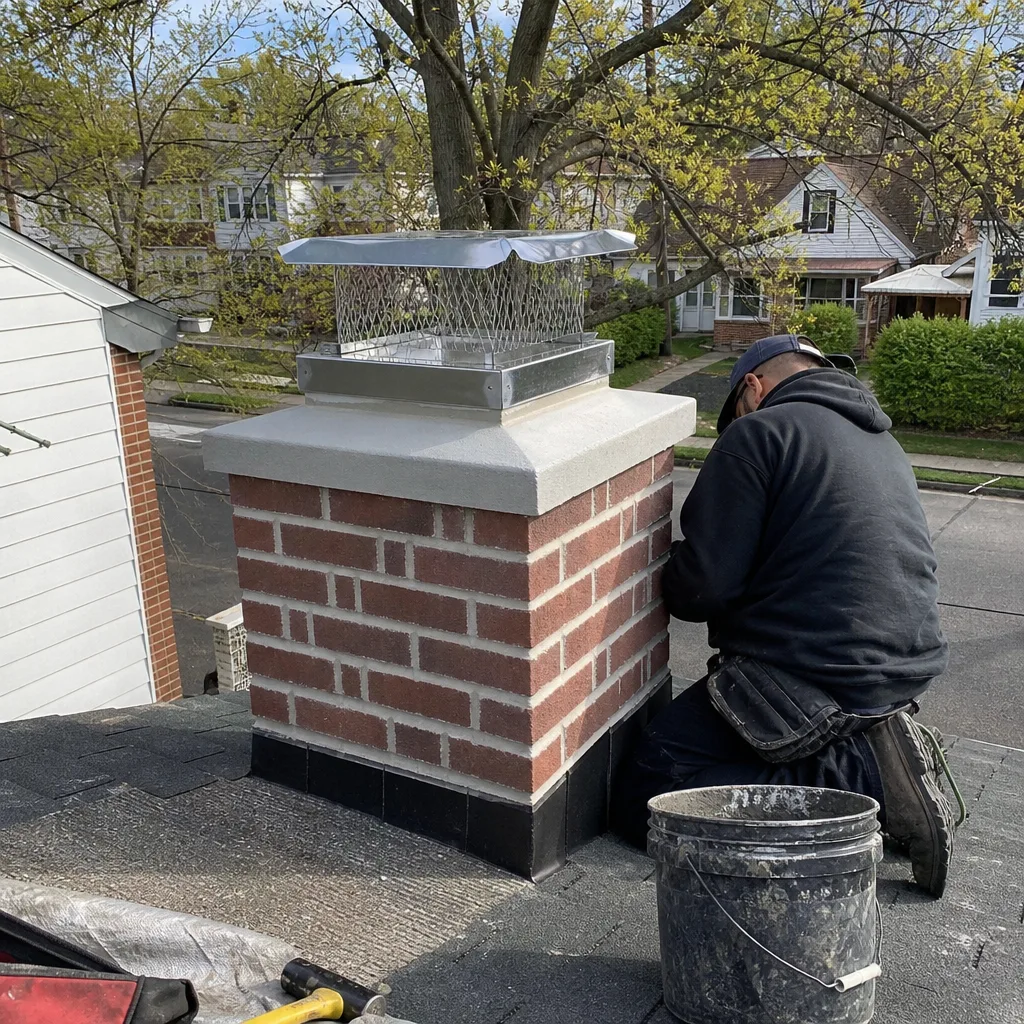 After
After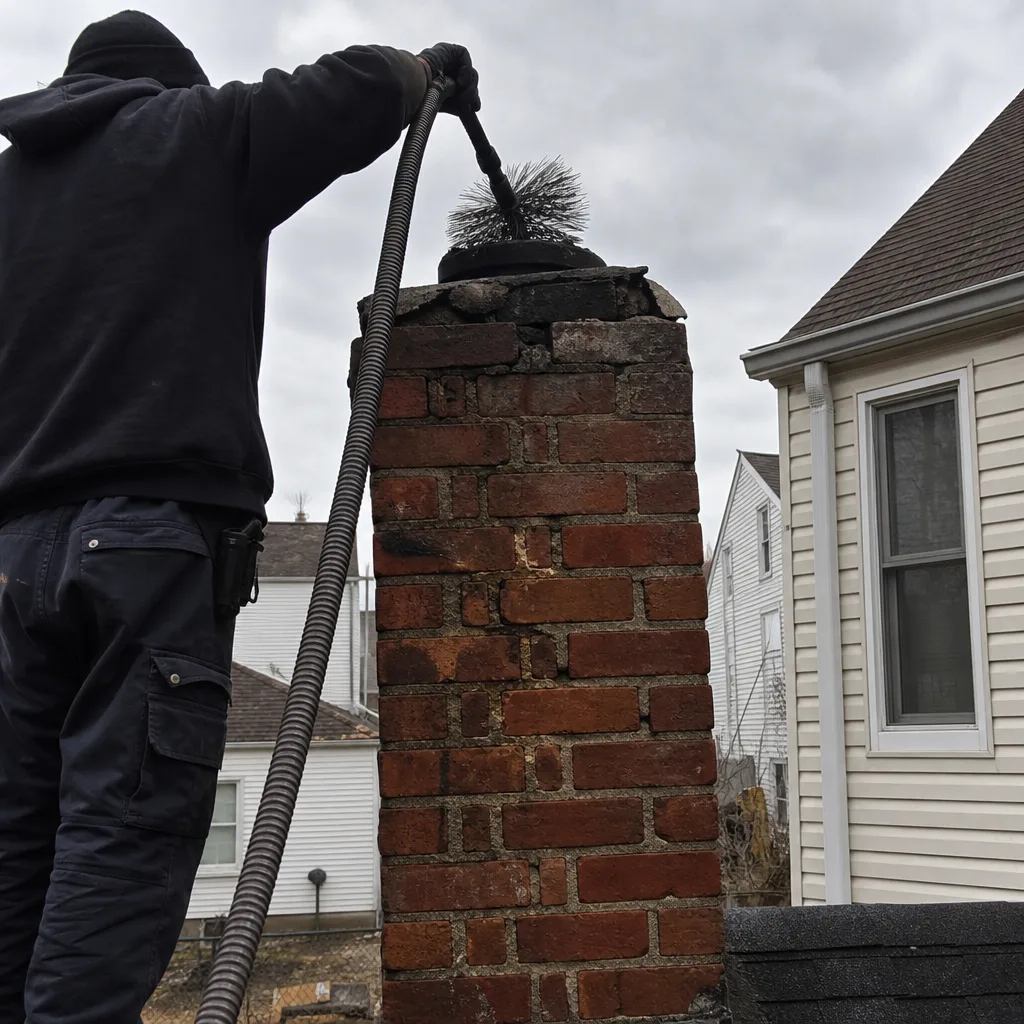 Before
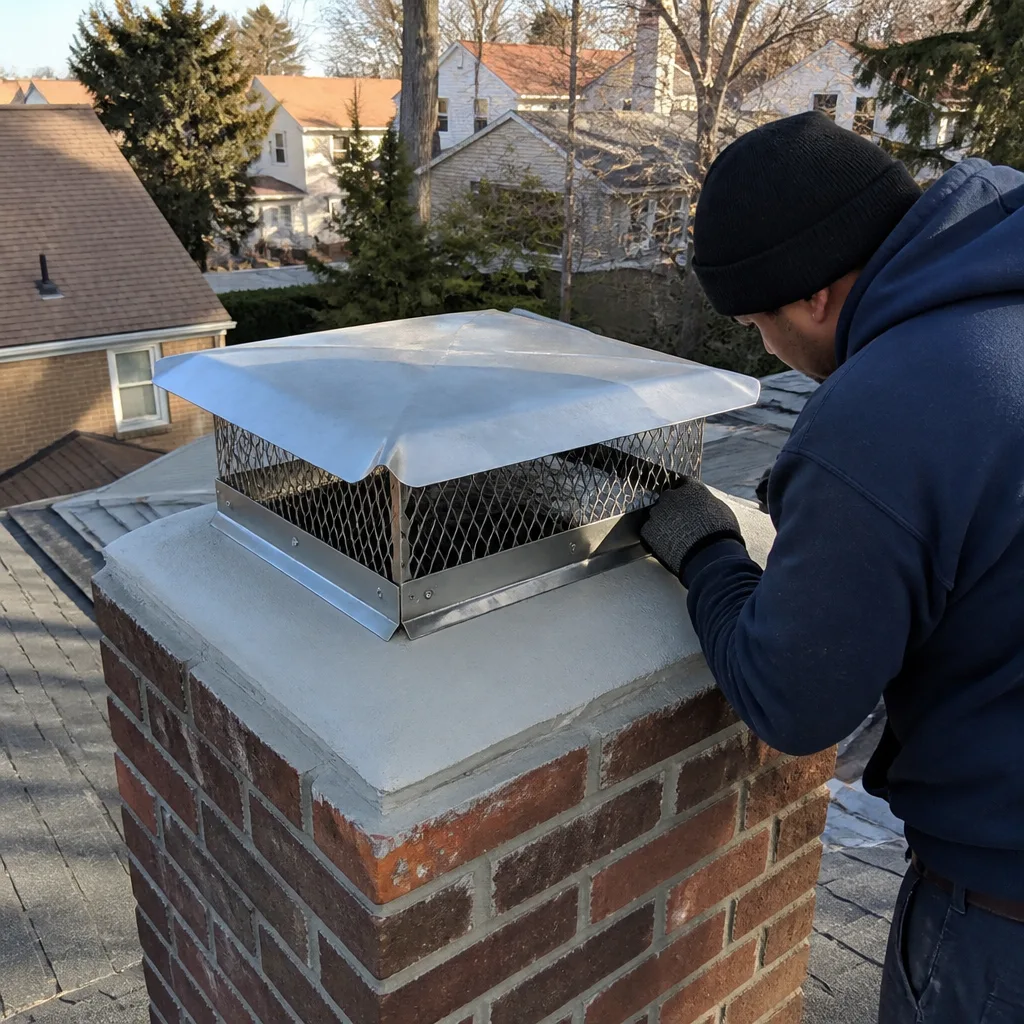 After
AfterWhat HeatShield Chimney Sweep Costs in Queens
A standard HeatShield chimney sweep and Level 1 inspection typically runs $225 – $395 in Queens, depending on flue height, accessibility, and how long it’s been since the last cleaning. A flue that hasn’t been touched in five seasons on a three-story Astoria row house will take longer than a single-story Bayside ranch swept last year – and the price reflects the labor, not the brand name.
- Basic sweep + Level 1 inspection: $225 – $325
- Sweep + Level 2 camera inspection (recommended if we see glaze-grade creosote or suspected HeatShield wear): $350 – $550
- Heavy creosote removal (stage 2 or 3, common in wood-burning Queens fireplaces): add $75 – $150
- HeatShield localized resurfacing: $400 – $900 per section, always quoted in writing before we start
For a fixed quote on your specific flue, call (518) 719-4643. Estimates are free, and you’ll get the written price before we touch anything.
Why Queens Homeowners Call Alcott Chimney Queens for HeatShield Work
Most of our HeatShield customers in Queens came to us after another company told them they needed a complete reline without showing them a single photo. That’s not how we work. Ruben Castellano has been doing this since 2002, and he built Alcott Chimney Queens on a simple rule: show the customer what you see, explain what it actually means, and never recommend work you can’t justify with evidence. We’re part of the Threshold Group family of home-service companies, which means every technician is background-checked, identity-verified, and announced to you by name and photo before they ever pull up to your curb. We carry and service HeatShield, DuraFlex, and Gelco – so if your flue needs a different solution than resurfacing, we’re not stuck recommending the only product we know. Every job is covered by our 365-Day Done Right Promise: a written guarantee on every repair, and if the repair fails, the second visit is free. That’s not an upsell. It’s just how we work.
FAQs
No, not when it’s done with the right equipment. We use poly brushes – never wire – on HeatShield flues, because wire scoring gives creosote a place to grab. That’s a specific difference in how HeatShield flues are maintained, and it’s one of the reasons we tell Queens homeowners to ask any sweep company what brushes they use before they book. If they say wire, keep looking. Call (518) 719-4643 and we’ll walk you through exactly how we’d handle yours.
Only if the sweep damages the coating, which is why we use non-abrasive methods and document the flue condition before and after with a camera. HeatShield’s warranty – and any independent resurfacing warranty – assumes proper maintenance, not avoidance of it. An unswept flue that accumulates stage-3 creosote is a bigger threat to the coating than a careful sweep ever will be. We’ll give you the before-and-after footage so there’s no guessing.
Once a year if you burn wood regularly, every two years if it’s gas-only. Queens homes tend to burn more from October through March, and the humidity swings here produce a creosote profile that’s stickier than what you’d see in drier climates. If you smell a campfire odor on humid summer days, that’s creosote off-gassing – and it means you’re overdue. We’ll confirm on the visit and tell you honestly if the schedule can stretch.
In most cases, yes. HeatShield’s material is designed for sectional resurfacing, not all-or-nothing tear-outs. We assess the flue with a camera, identify exactly where the coating has failed, and resurface that section. If the underlying clay tile is intact – and it usually is in Queens homes built before 1980 – there’s no reason to pull a new liner. If the tile has cracked or shifted, we’ll show you that on camera too, and we’ll give you real numbers for both options before you decide.
We answer the phone around the clock with a live person. If you’re in Queens and you’re getting smoke back into the living room or a persistent creosote smell, we treat it as a priority and will get a technician out as soon as the schedule allows. Tell the person on the phone what you’re seeing and smelling – that detail helps us bring the right tools. Call (518) 719-4643.
Written by Ruben Castellano, Owner, Alcott Chimney Queens at Alcott Chimney Queens, serving Queens and nearby areas.