
 Masonry repair
 Sweep & inspection
 Caps & crowns
 Flue relining
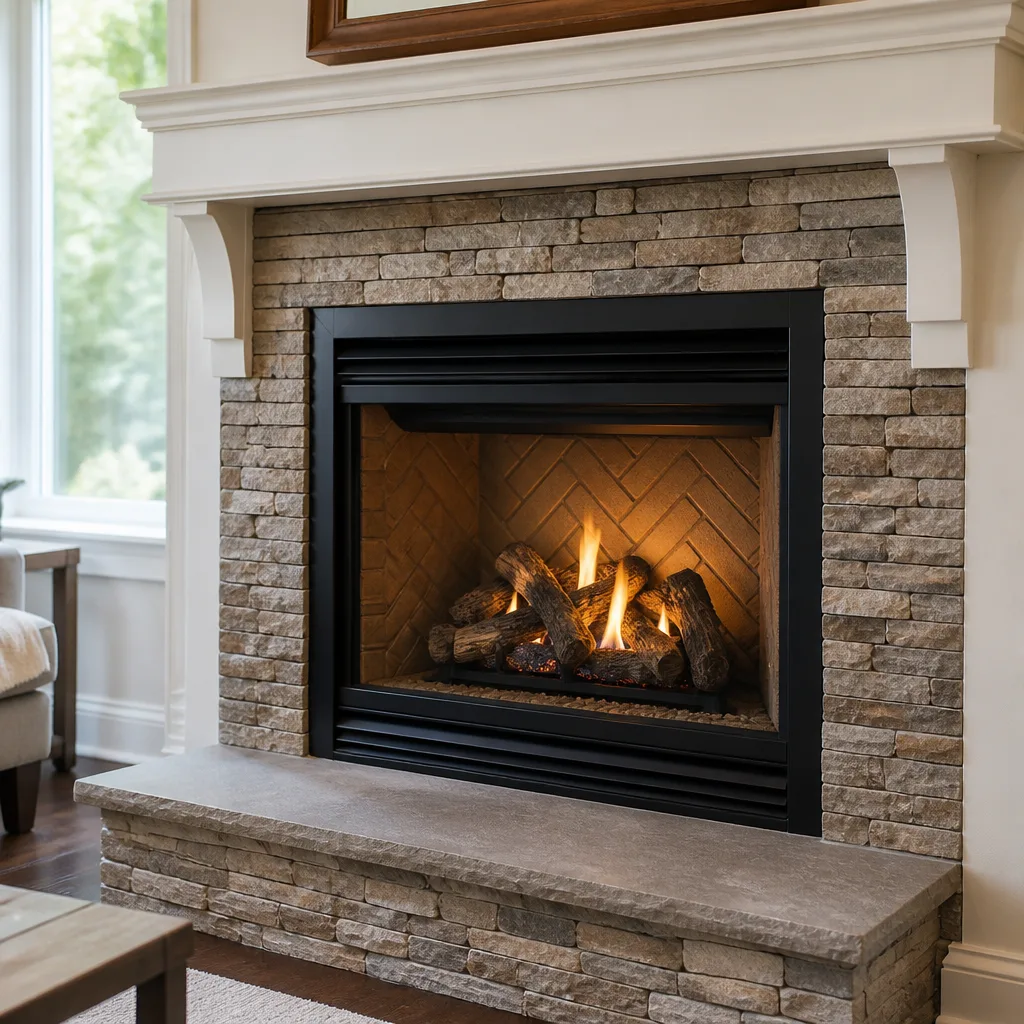 Gas fireplace service
Level 1 sweep and inspection to the NFPA 211 annual standard - flue, crown, cap, and flashing checked and photographed
Chimney sweep logs do not sweep chimneys. They loosen some creosote - which then falls where a brush and vacuum still have to collect it.
Famco Gas Fireplace Repair in Queens: What to Know First
We repair Famco gas fireplaces throughout Queens, and most jobs are done in a single visit. A typical Famco repair in Queens runs $180 – $420 for common failures like thermocouples, thermopiles, pilot assemblies, and gas valve adjustments. As an independent Famco service provider, we’re not tied to any manufacturer’s pricing or parts pipeline, which means we’ll tell you honestly when a $40 part fixes it versus when you’re better off replacing the unit.
This page is for Famco owners in Queens who’ve noticed something off: a pilot that won’t stay lit, a burner that’s lazy on one side, a smell that comes and goes. If that’s you, call (518) 719-4643 and describe what you’re seeing. Tell me what you’re seeing and I’ll tell you what it actually means.
How Famco Products Fail – and How We Fix Them
Famco built a reputation for simple, dependable vented gas logs and fireplaces. But Queens homes put them through specific stresses: salt air from the coast in Rockaway and Broad Channel, hard municipal water feeding humidifiers near brick row houses, and decades-old gas lines in prewar buildings from Astoria to Forest Hills. These are the failures we see most, by series where it matters.
- Pilot won’t stay lit on Famco VF series vent-free units. This is nearly always a thermocouple that’s cooked itself out, or a pilot tube with a hairline blockage from dust and pet hair. VF-series pilots sit low and Queens apartments collect particulate like nothing else. We replace the thermocouple with an OEM-spec part, clean the pilot orifice with a proper reamer (never a pin, which scores the brass), and re-test under load for 15 minutes before we call it fixed.
- Burner lights uneven or “ghost flames” on Famco GS log sets. Ghosting – small lazy flames floating above the burner ports – means the burner pan air shutter is out of adjustment or the ports are clogged with rust scale. GS sets from the early 2000s used steel burner pans that rust from condensation when a chimney damper isn’t closed between burn cycles. We wire-brush the pan, clear every port, adjust the air shutter to spec, and check gas pressure at the manifold. If the pan is too far gone, we quote replacement honestly instead of patching rust.
- Remote receiver won’t pair or drops signal on Famco units with millivolt remotes. Millivolt systems run on a tiny current generated by the thermopile. When the thermopile output sags below about 250 millivolts, the remote receiver can’t hold the valve open. Homeowners replace batteries, replace the remote, get frustrated. We test millivolt output first. A new thermopile usually solves what looks like an electronics problem.
- Glass sooting or carbon buildup on direct-vent Famco models with glass fronts. Soot on the glass means the air-to-gas mix is rich, the burner orifice is partially blocked, or the venting is restricted. In Queens, we regularly pull bird nests and construction debris from direct-vent terminations on rowhouse sidewalls in neighborhoods like Maspeth and Ridgewood. We clean the glass with the correct ceramic-glass cleaner (ammonia-based spray will etch it permanently), clear the vent, and tune the air shutter. The soot stops, and the glass stays clear.
- Gas odor at startup or shutdown on any Famco model. A brief whiff at startup is sometimes normal. A persistent odor or one that appears mid-burn is not – it’s usually a failing flex connector, a valve diaphragm that’s weeping, or a fitting that’s loosened from years of thermal expansion and contraction in Queens’ older gas plumbing. We use an electronic gas sniffer (not just soap bubbles, which miss small leaks) and find the source before we touch anything else. If we find a leak we can’t safely repair on the spot, we’ll shut the gas to the unit at the valve and tell you exactly what a plumber needs to address before we return.
Styles & brands we work with
Our Famco Gas Fireplace Repair Process
Here’s how a typical Famco repair goes with us, from the first call to the final test.
- 1
You call and talk to a live person. No voicemail trees, no callbacks that come three days later. We listen to what the fireplace is doing, ask a few pointed questions, and schedule a visit. You’ll know the technician’s name and see their photo before we arrive, and they’ll show a photo ID badge at the door.
- 2
We diagnose before we recommend anything. Gas fireplaces reward patience. We test thermopile and thermocouple output in actual millivolts, check gas pressure at the manifold with a manometer, inspect the burner pan and logs for condition, and verify the venting system. Nothing gets recommended until we’ve found the actual fault.
- 3
We give you a written price before any work starts. That includes the part, the labor, and the disposal if anything needed to come out. No “while we’re in there” add-ons unless something genuinely fails in front of both of us, and even then we stop and get your sign-off first.
- 4
We decide together on the part. For most Famco repair work, OEM or OEM-spec parts are the right call, especially for gas control components where the warranty and safety agency listing matter. If there’s a quality aftermarket option that’s genuinely equivalent and less expensive, we’ll tell you that too, and tell you why it’s fine in that spot.
- 5
We do the repair, test it under fire, and clean up. Every repair gets a 15-minute burn test at minimum. We vacuum what we opened, wipe down the glass, and leave the hearth area cleaner than we found it. You get a written guarantee on the repair, and the whole thing falls under our 365-Day Done Right Promise: if the repair fails within a year, the second visit is free.
See the difference
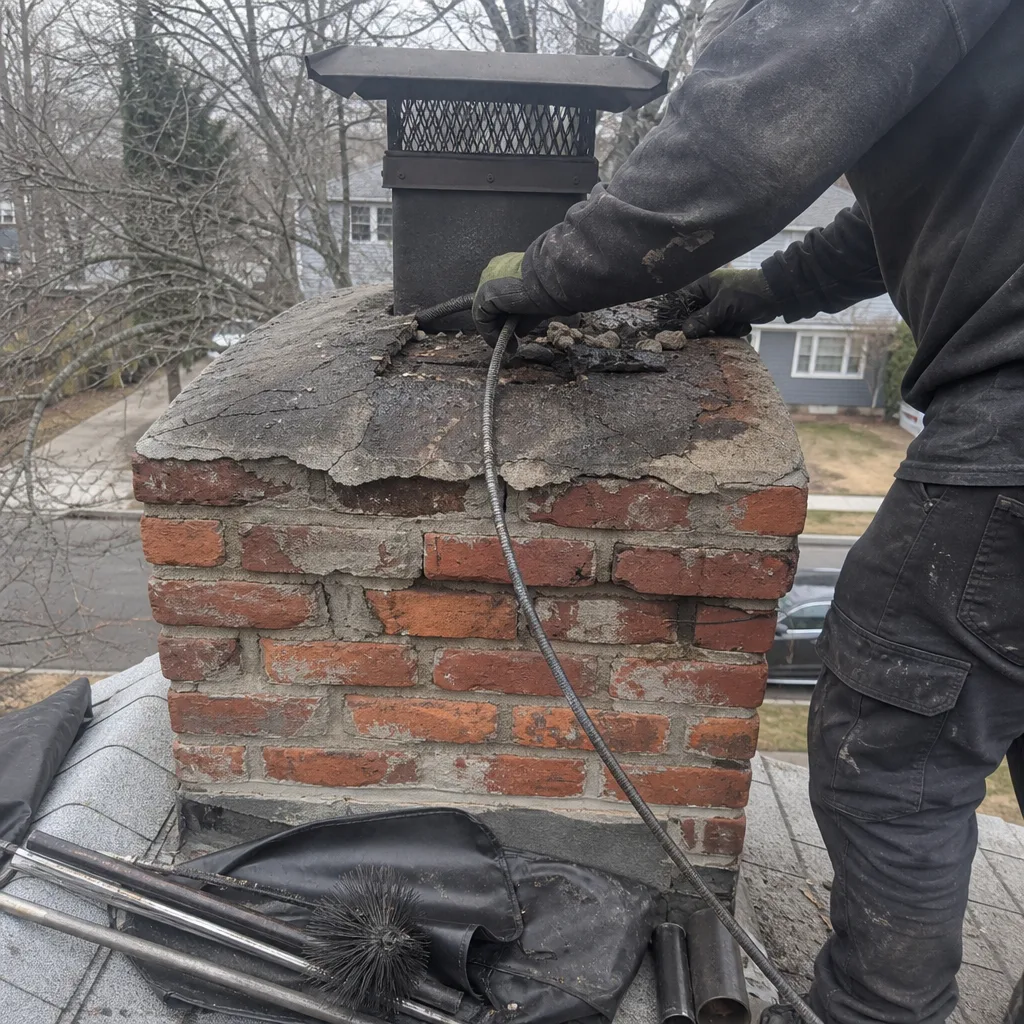 Before
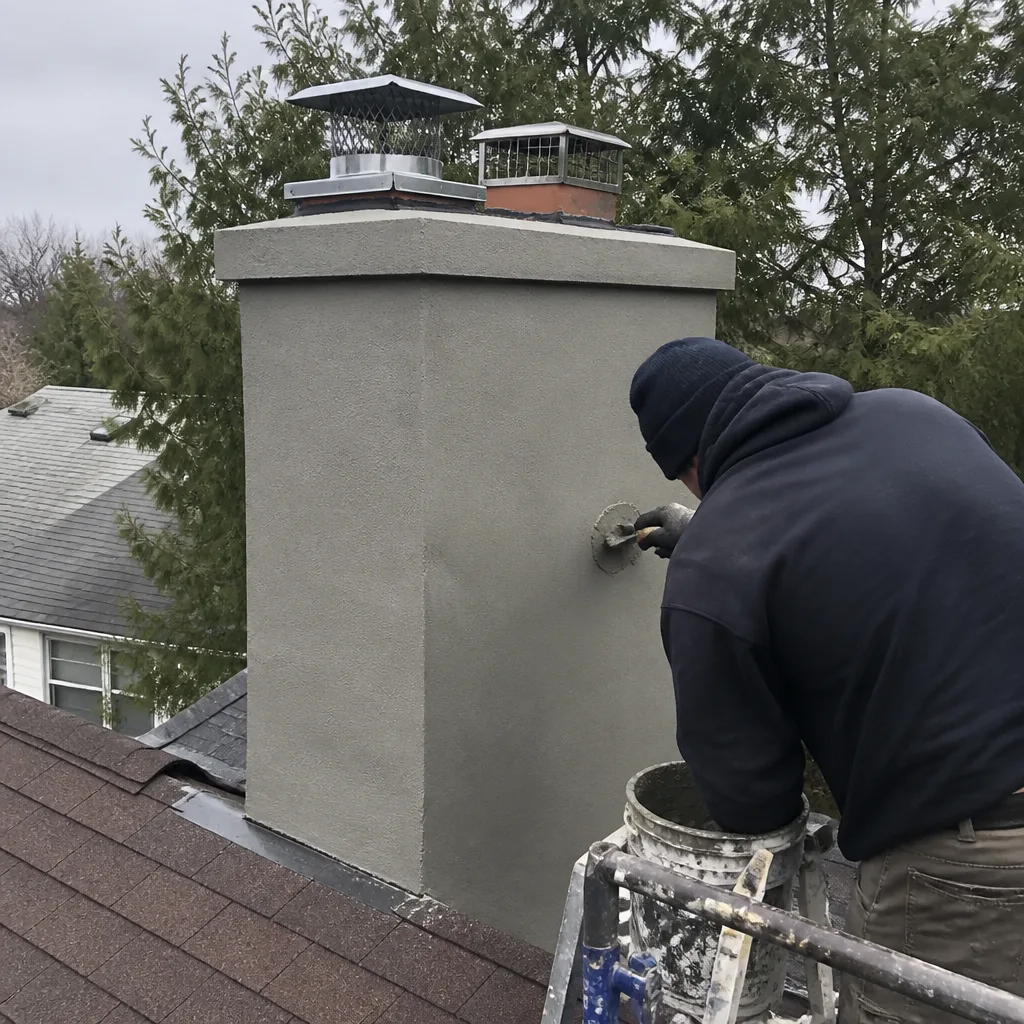 After
After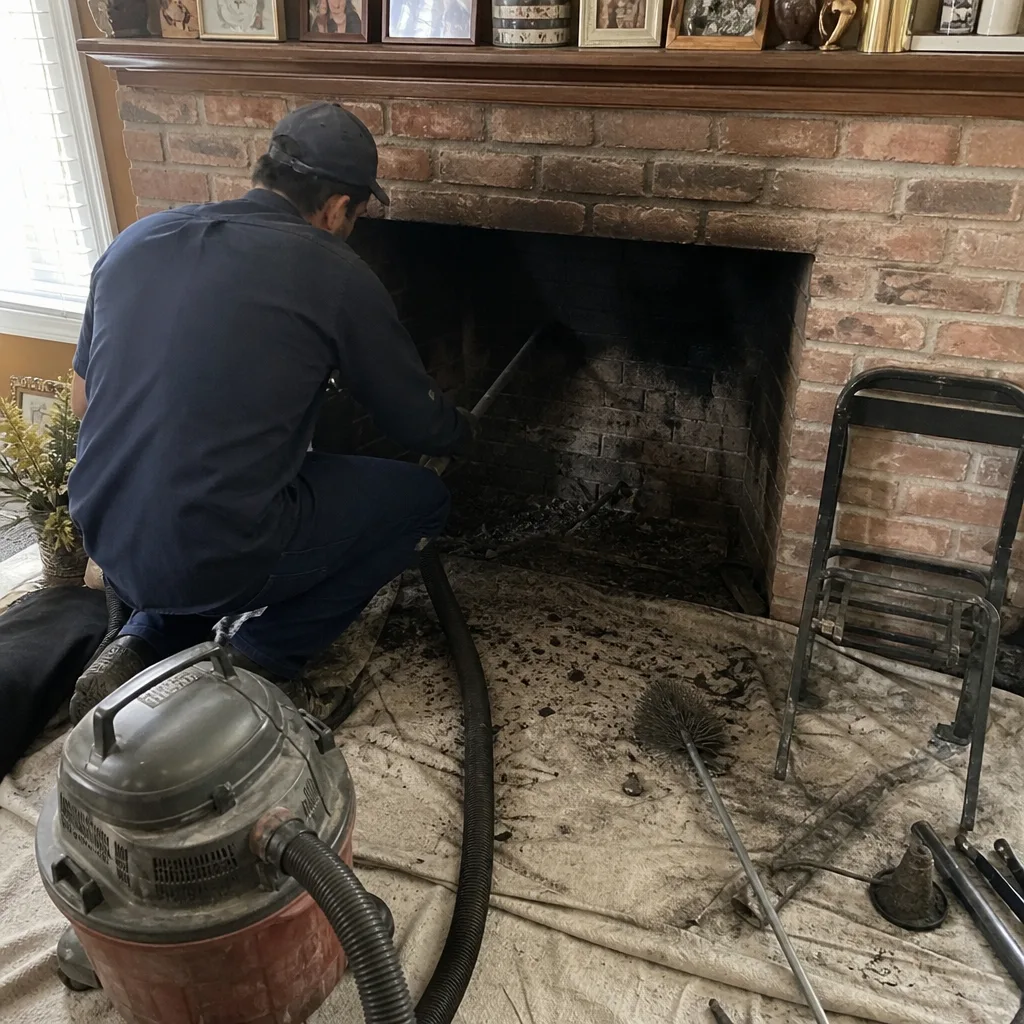 Before
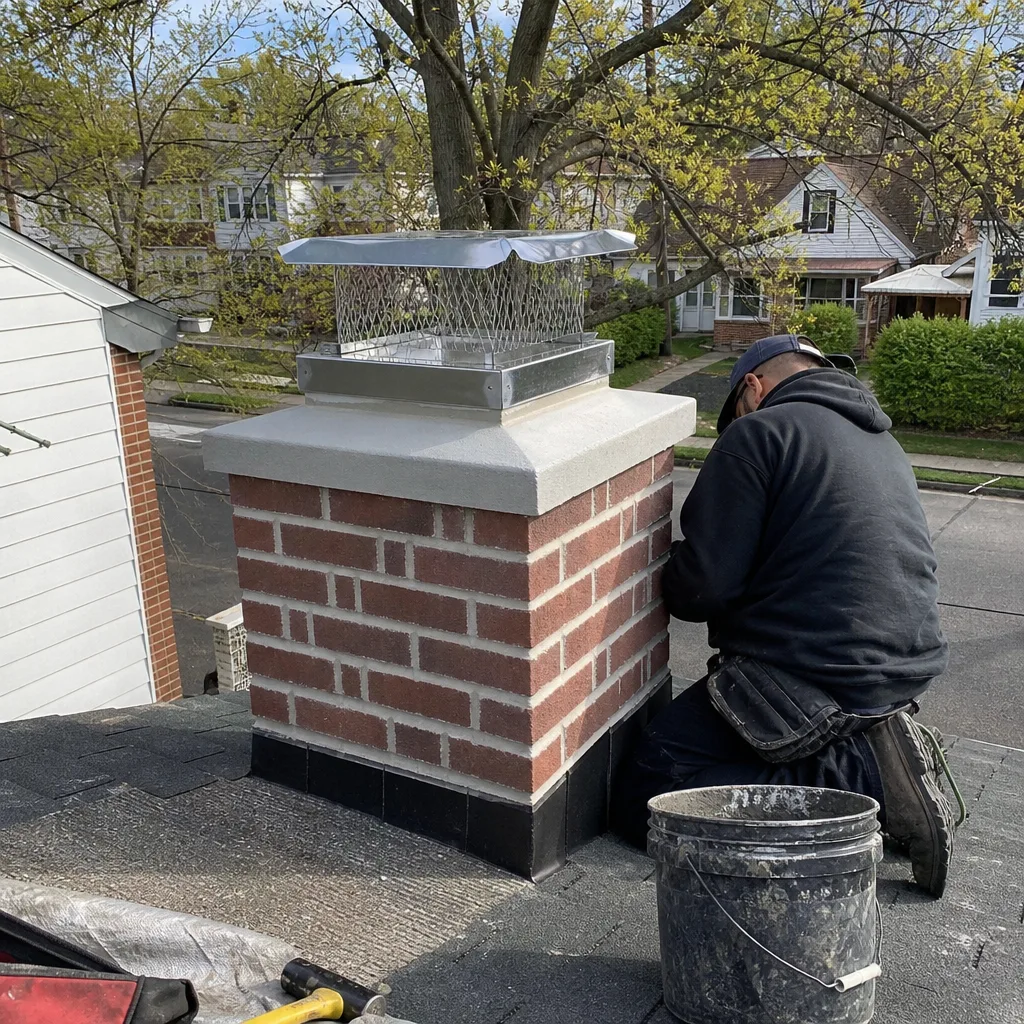 After
After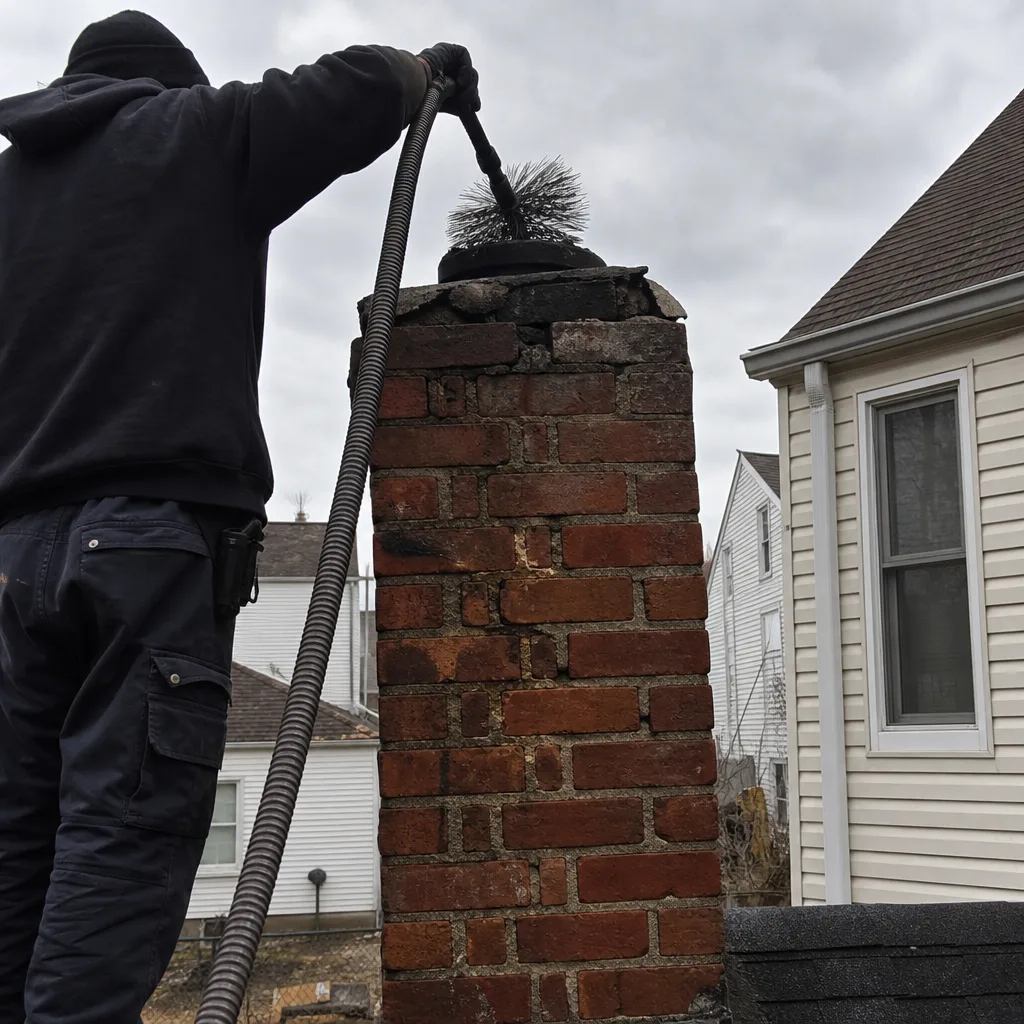 Before
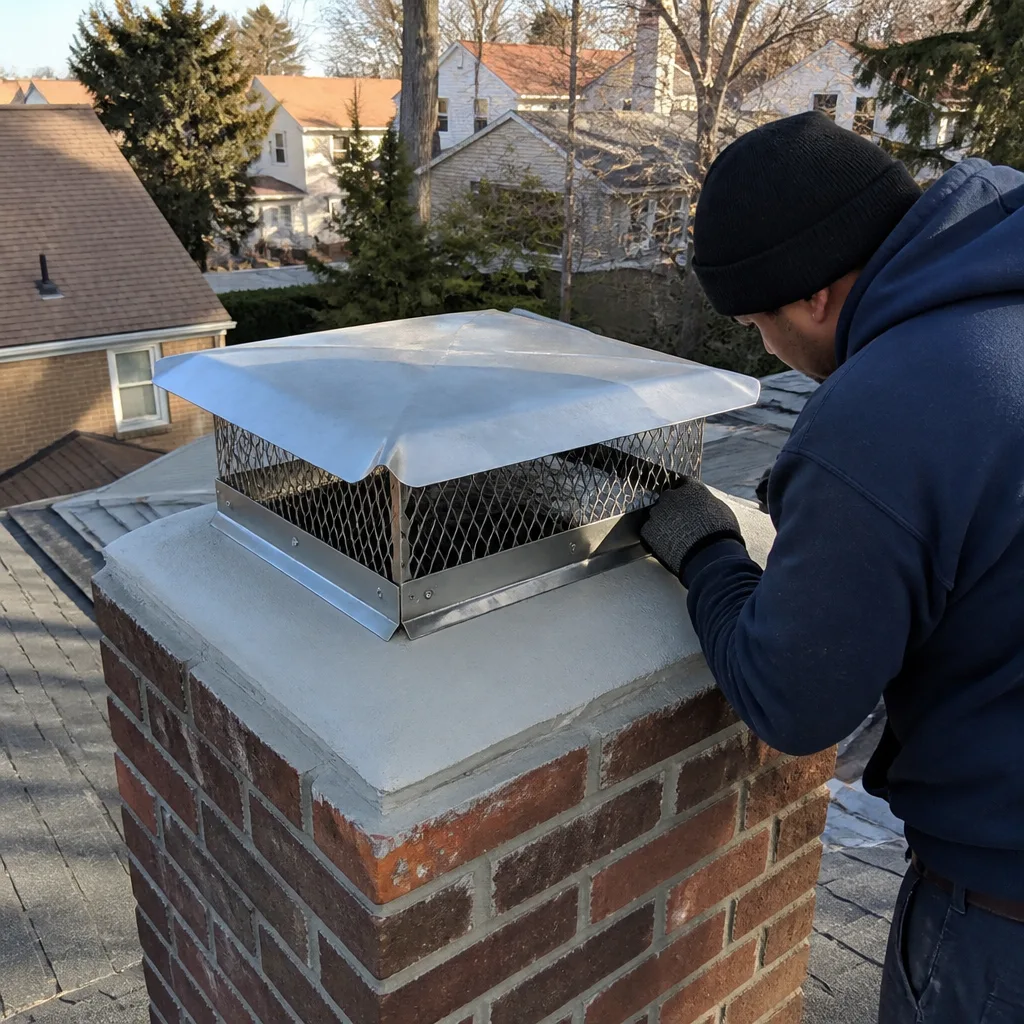 After
AfterWhat Famco Gas Fireplace Repair Costs in Queens
Here are the real numbers for the most common Famco repairs we do in Queens. These aren’t “starting at” prices that leave half the real cost unstated.
- Thermocouple replacement: $180 – $260 installed. Most common fix, usually under an hour.
- Thermopile replacement: $220 – $310 installed. Takes a bit longer because we re-verify millivolt output at the receiver.
- Pilot assembly replacement: $260 – $380 installed. OEM pilot assemblies for Famco run more than universal ones, but they fit correctly and the warranty stays intact.
- Gas valve replacement: $380 – $520 installed. This is the big one, and the part itself is most of the cost. We’ll always tell you honestly if a valve replacement on a 15-year-old unit means replacement is the smarter money.
- Full diagnostic visit (no repair needed): $95, credited toward the repair if you proceed.
What moves the price: the series of Famco unit you own, whether parts are readily available or need to be sourced, and whether we find a venting or gas supply issue that sits outside the fireplace itself. Call (518) 719-4643 and tell us what the fireplace is doing. Estimates are free, and you’ll get a written number before anything happens.
Why Queens Homeowners Call Alcott Chimney Queens for Famco Work
We’ve been serving Queens homeowners since 2002, and Ruben Castellano and the crew have worked on everything from century-old row houses in Astoria to newer construction near Flushing Meadows. Here’s what that means when you call us for Famco repair.
Every technician we send is background-checked and identity-verified through the Threshold Standard, and we show you who’s coming before they arrive. Every job gets a written price before we start and a written guarantee when we finish, backed by the 365-Day Done Right Promise. And because we also work daily with DuraFlex liner systems, HeatShield resurfacing, and Gelco chimney products, we can fix the fireplace and the flue it breathes through in one visit, rather than handing you a second phone number and wishing you luck.
FAQs
We’re an independent Famco service provider, not an authorized Famco warranty station, so we can’t file factory warranty claims on your behalf. But we use OEM or OEM-spec parts on gas control components so your factory warranty stays valid, and our own written repair guarantee covers the work for a full year under the 365-Day Done Right Promise. If a repair we made fails within that year, we return free.
Most Famco repairs are single-visit jobs, and we schedule most calls within a few days depending on where you are in Queens and what part is needed. Common parts like thermocouples, thermopiles, and pilot assemblies are in our truck stock. If we need to order something specific to your Famco series, we’ll tell you before you pay a dime, and we’ll keep you posted on timing. Call (518) 719-4643 and we’ll give you a realistic window, not a wish.
The honest answer depends on age and what failed. If it’s a thermocouple, thermopile, burner cleanup, or remote issue, repair almost always makes sense. If the gas valve has failed on a unit that’s more than 15 years old, especially a vent-free Famco model, replacement may be the smarter long-term money because other components are likely approaching the end of their service life. We’ll show you the numbers side by side and let you decide. We don’t upsell replacements when a repair is genuinely the right call.
Some are, some aren’t. Common wear items like thermocouples and thermopiles are universal and always available. Series-specific components, like certain pilot assemblies and burner pans for older Famco GS and VF lines, sometimes take three to five business days to source. We’ll tell you upfront if a part is going to add a delay, and we’ll give you the option to proceed or wait. That’s the whole point of the written price before work starts: you’re never surprised.
A brief gas odor the first five to ten seconds after ignition is often normal, especially on vent-free units that don’t have a flue to carry away startup exhaust. But if the smell persists, appears mid-burn, or you can smell it when the unit is off, shut the gas off at the valve and stop using the fireplace. A real gas leak doesn’t fix itself, and in a Queens apartment or rowhouse, you’re sharing walls with your neighbors. Call us at (518) 719-4643 and we’ll tell you what to do next based on what you’re describing.
Written by Ruben Castellano, Owner, Alcott Chimney Queens at Alcott Chimney Queens, serving Queens and nearby areas.