
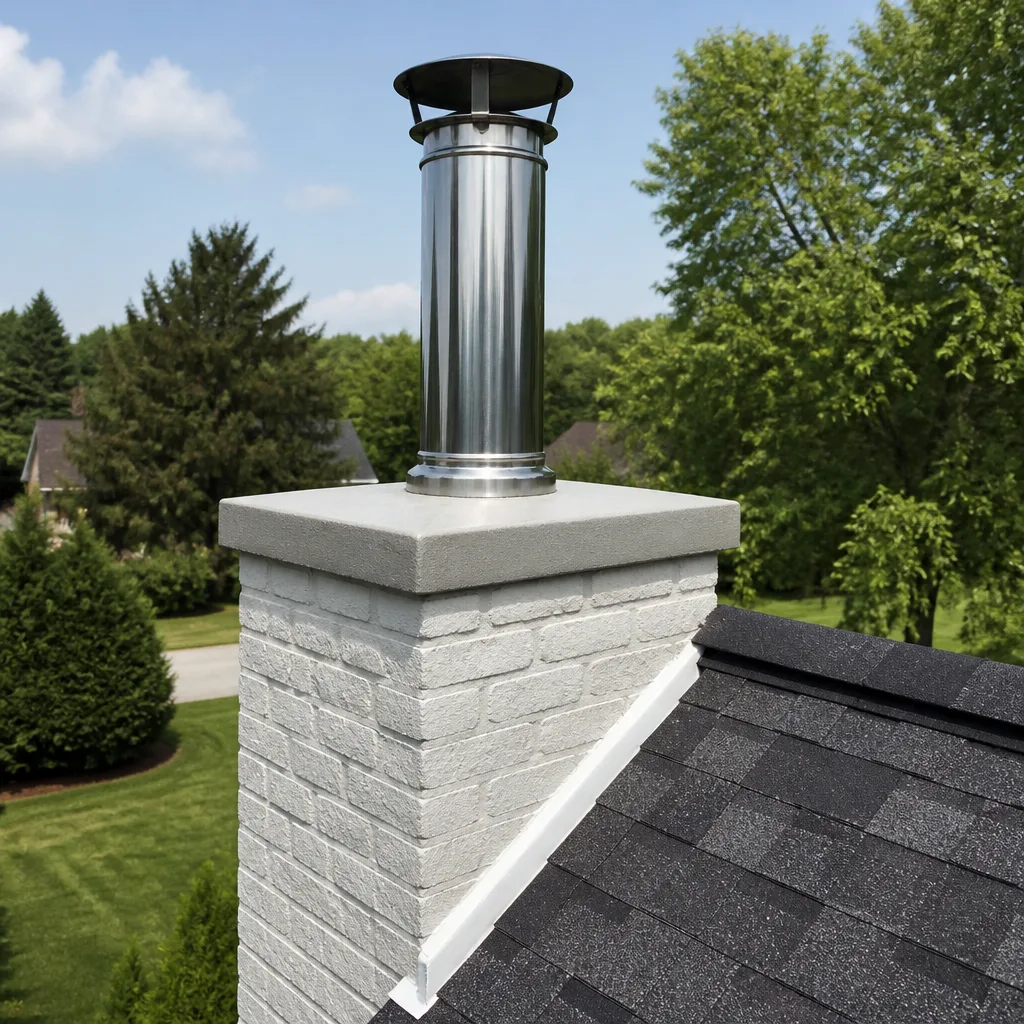
 Flue relining
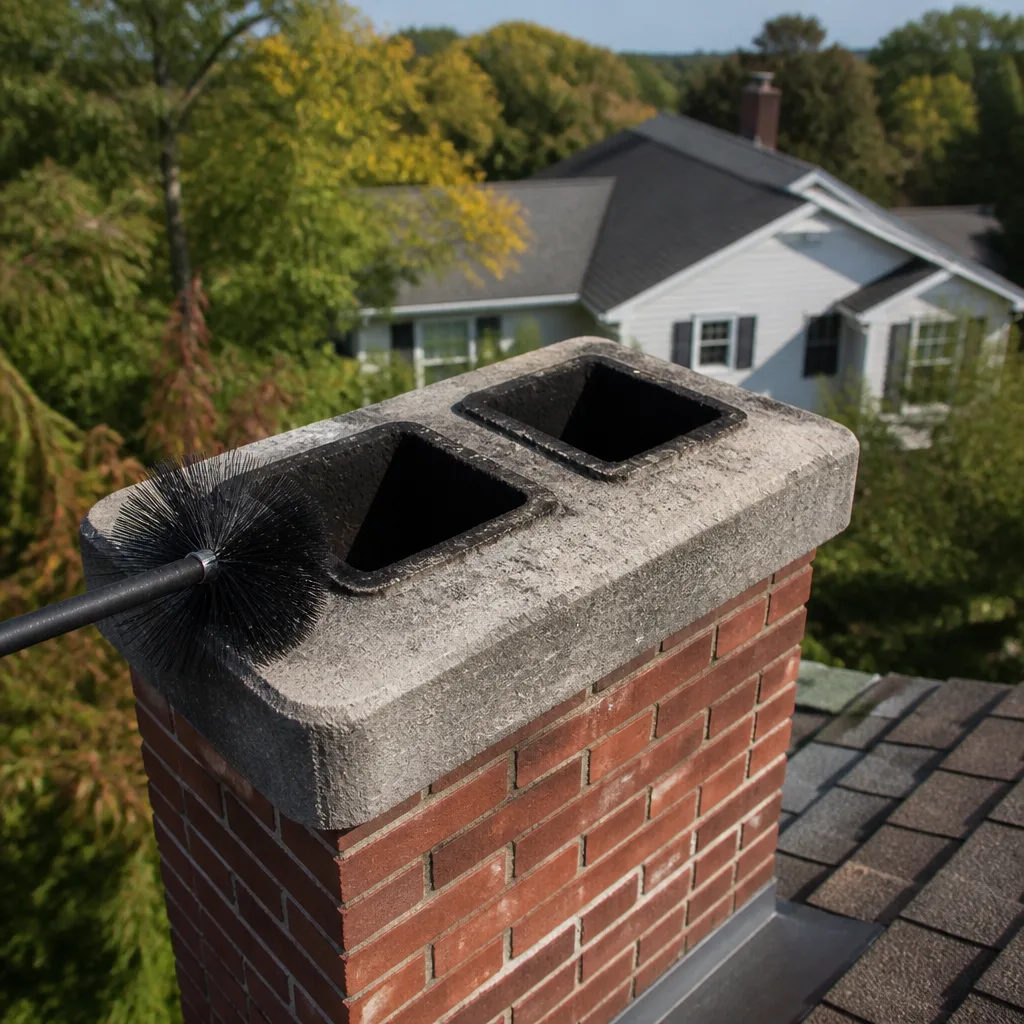 Sweep & inspection
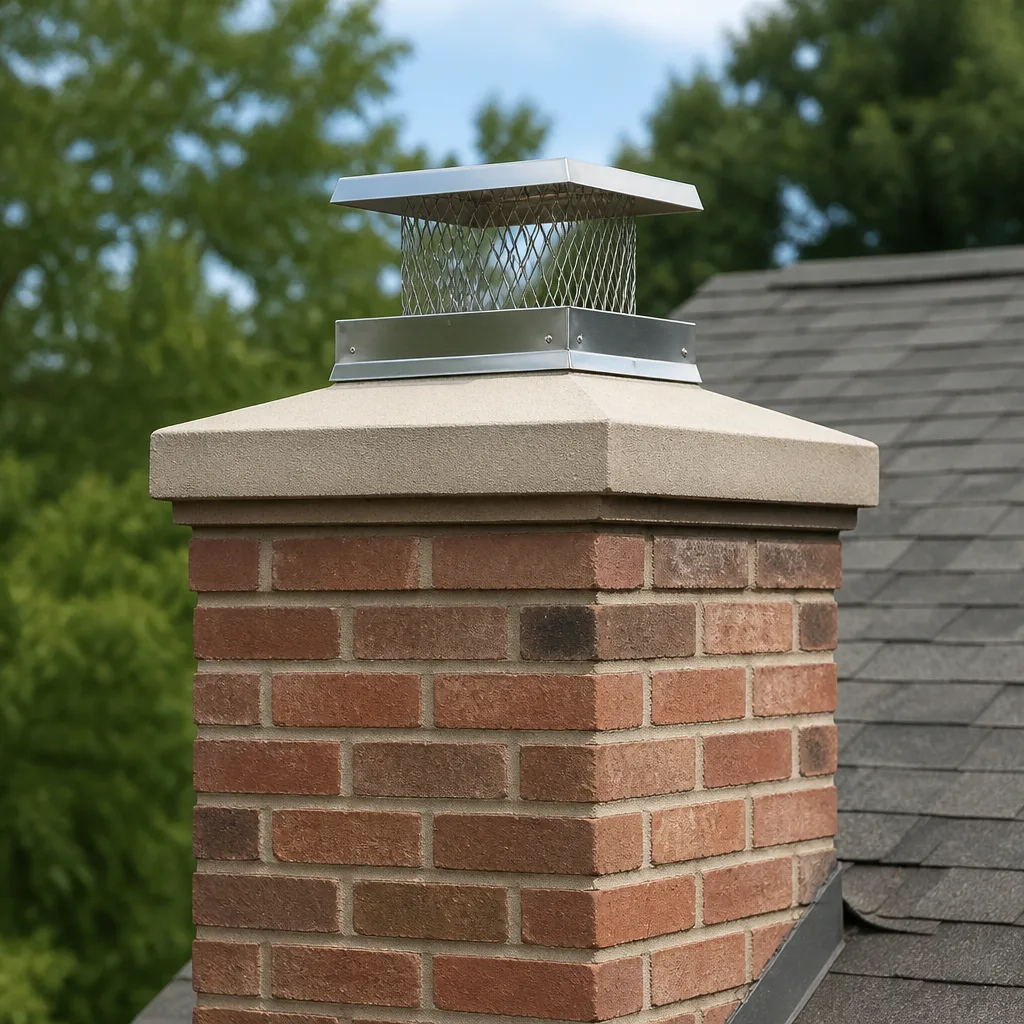 Caps & crowns
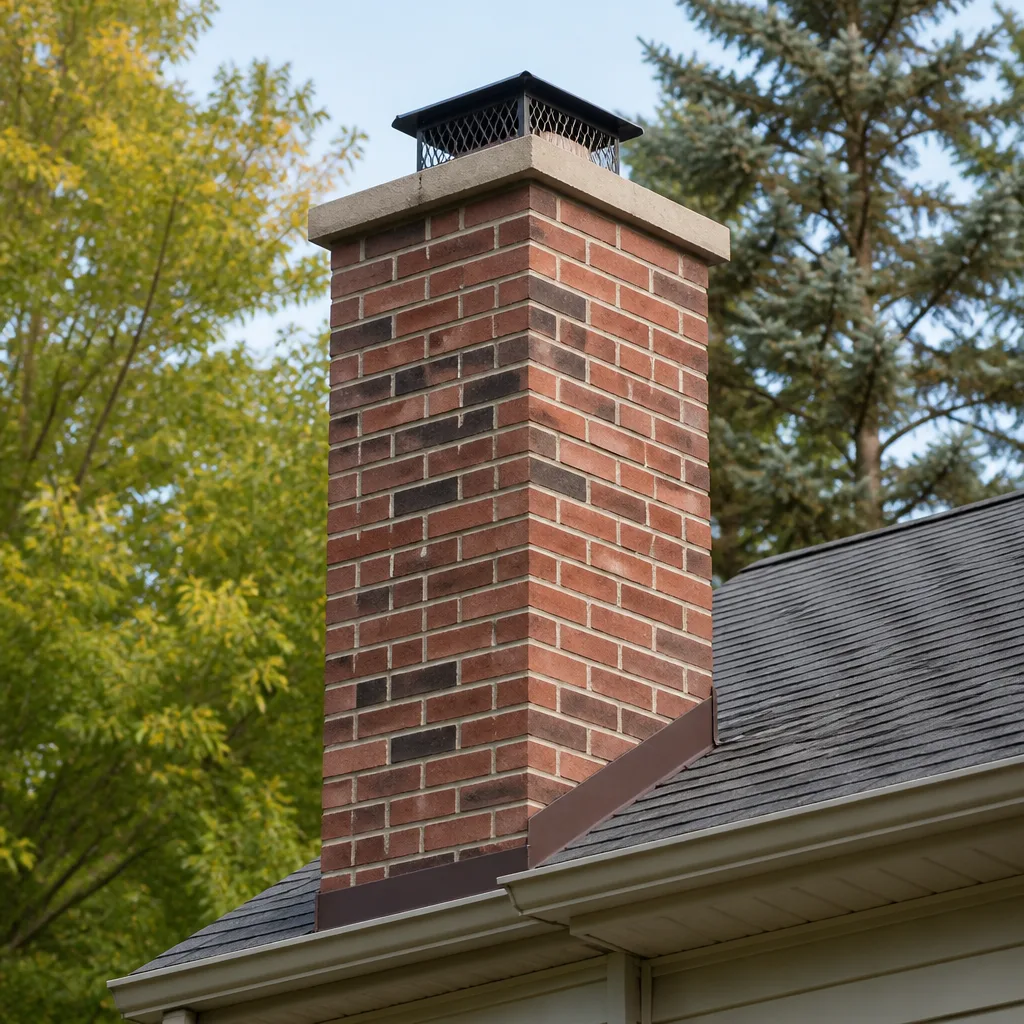 Masonry repair
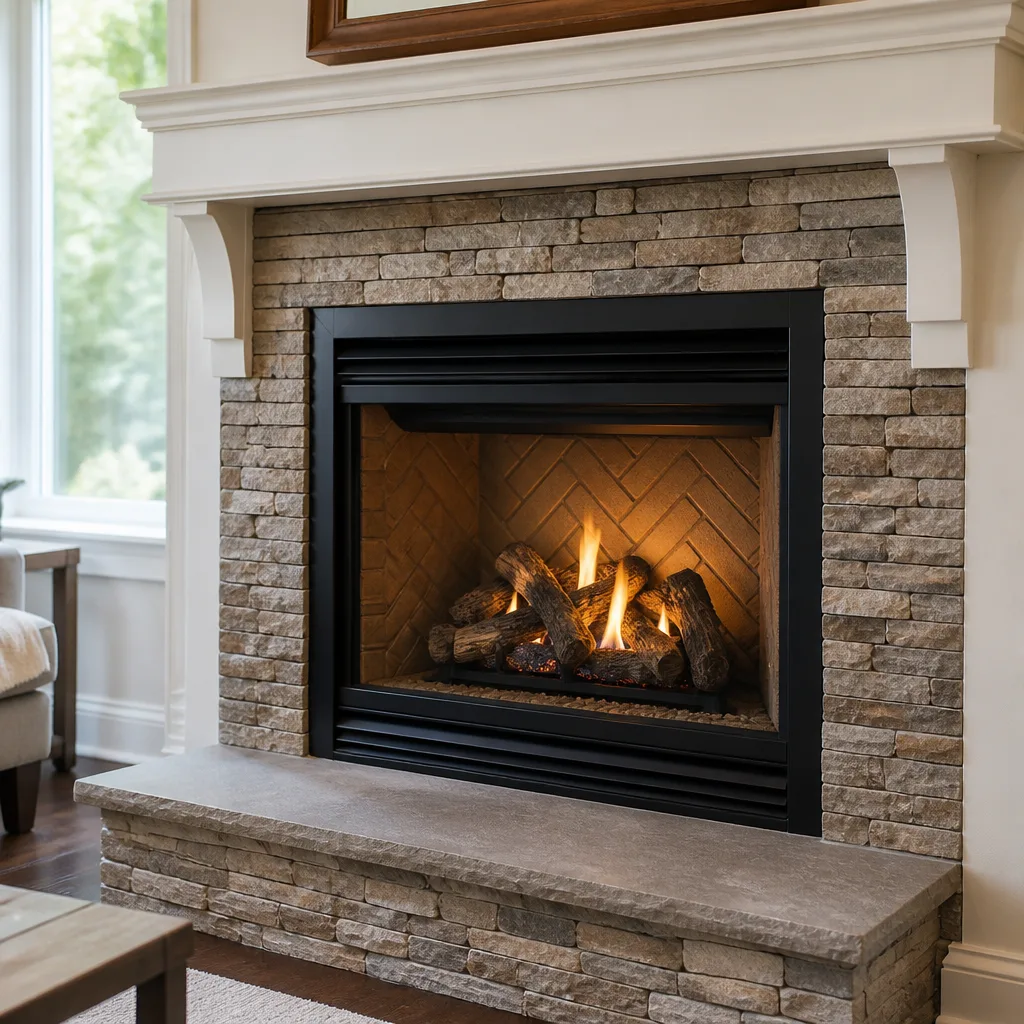 Gas fireplace service
Level 1 sweep and inspection to the NFPA 211 annual standard - flue, crown, cap, and flashing checked and photographed
Chimney sweep logs do not sweep chimneys. They loosen some creosote - which then falls where a brush and vacuum still have to collect it.
Olympia Chimney Flue Liner Replacement: The Queens Owner’s Guide
An Olympia Chimney flue liner replacement in Queens typically runs $1,800 to $3,400 installed, depending on liner diameter, length, and whether we’re doing a straight swap or a full teardown-and-relining job. Alcott Chimney Queens stocks Olympia Chimney-compatible stainless liners on the truck for most common sizes, which means many Queens jobs go from diagnosis to completed install in a single visit. Most homeowners discover the liner has failed during a routine sweep or when flue gases start backing up into the house, and the telltale sign is usually a rust-colored stain near the firebox or crumbling clay tiles showing up at the bottom of the flue after a cleaning.
We’re an independent chimney service, not affiliated with Olympia Chimney, but we install their liners and know their sizing quirks better than most. Olympia liners run true to listed diameter, unlike some aftermarket brands that drift a quarter-inch either way, which matters when you’re threading a 6-inch liner down a flue that was built for a 6-inch clay tile in a 1930s Astoria row house. Ruben Castellano has been pulling failed liners out of Queens chimneys long enough to know that most of the time, the failure was predictable years before it happened.
Which Olympia Chimney Models This Applies To
Olympia Chimney makes a few distinct liner families, and the replacement path depends on which one you have. The Olympia Pro Series and Smooth Wall liners are the ones we see most often in Queens homes, and both use a 316L stainless alloy that holds up to condensing flue gases far better than the old aluminum liners from the 1990s that are now failing across Queens. If you have an Olympia liner with a visible stamped label, the model number is usually on the tag attached near the top termination cap, not on the liner body itself, which is a compatibility gotcha we see trip people up constantly. No label? Measure the inside diameter of the existing liner. Olympia’s 316L smooth-wall liners are 0.005 inch thick, while their heavy-wall flex runs 0.006 inch. If your existing liner measures between 5.5 and 6 inches inside, you’re almost certainly looking at a 6-inch listed diameter liner.
For the OEM-versus-aftermarket decision: we stock both. Olympia OEM is the cleanest match if you already have an Olympia cap and connector, since the locking system mates cleanly and the fit stays tight at the joints. Aftermarket equivalents from DuraFlex or Copperfield are fully compatible for most straight relining jobs and can save a couple hundred dollars, but we will not mix an aftermarket liner connector with an Olympia termination cap – the locking tabs are different and the joint will leak. That’s the kind of detail that matters when the liner has to hold up to a decade of Queens winters and salt air coming off the Atlantic.
Styles & brands we work with
Signs Your Olympia Chimney Flue Liner Replacement Is Failing
- Rust streaks or staining on the exterior brick near the crown. This is condensation working its way through a pinhole in the liner. Once the steel starts shedding rust, the liner wall is thin enough that replacement is a matter of when, not if.
- Bits of flaky metal or black flakes falling into the firebox after a windy night. That’s the liner delaminating from the inside. A healthy stainless liner sheds nothing.
- A sulfur or “rotten egg” smell during or after burns. That’s flue gas finding a way past the liner and into the chase or wall cavity. It should never smell like anything except the fire you’re burning.
- Water in the firebox after heavy rain, even with a cap on. Failed liner joints let rain run down the inside of the flue wall rather than staying in the liner channel.
- Your sweep finds clay tile debris or rust scale in the smoke chamber. If the original clay was never relined, or a previous liner was poorly sized, the degradation shows up here first. On many Queens rowhouses built before 1940, the clay tile was already cracked when the liner was installed.
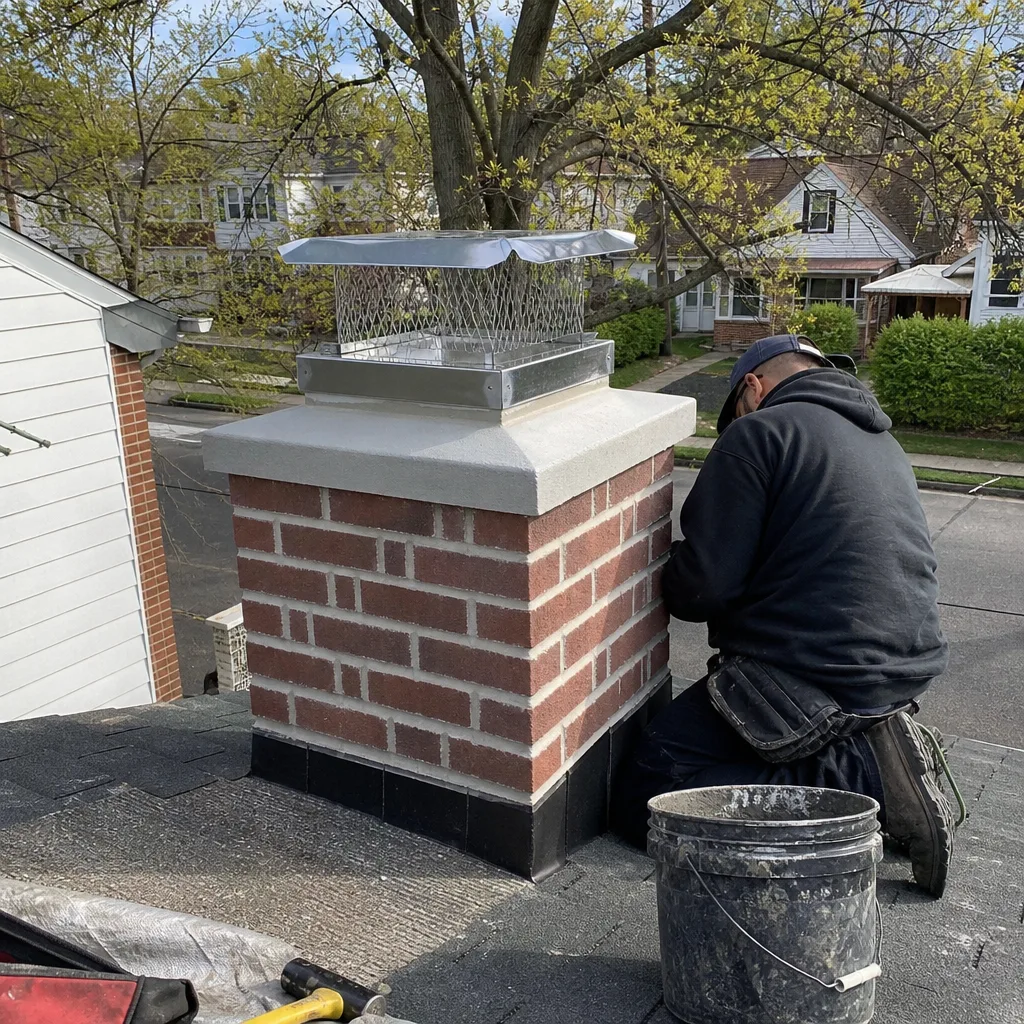
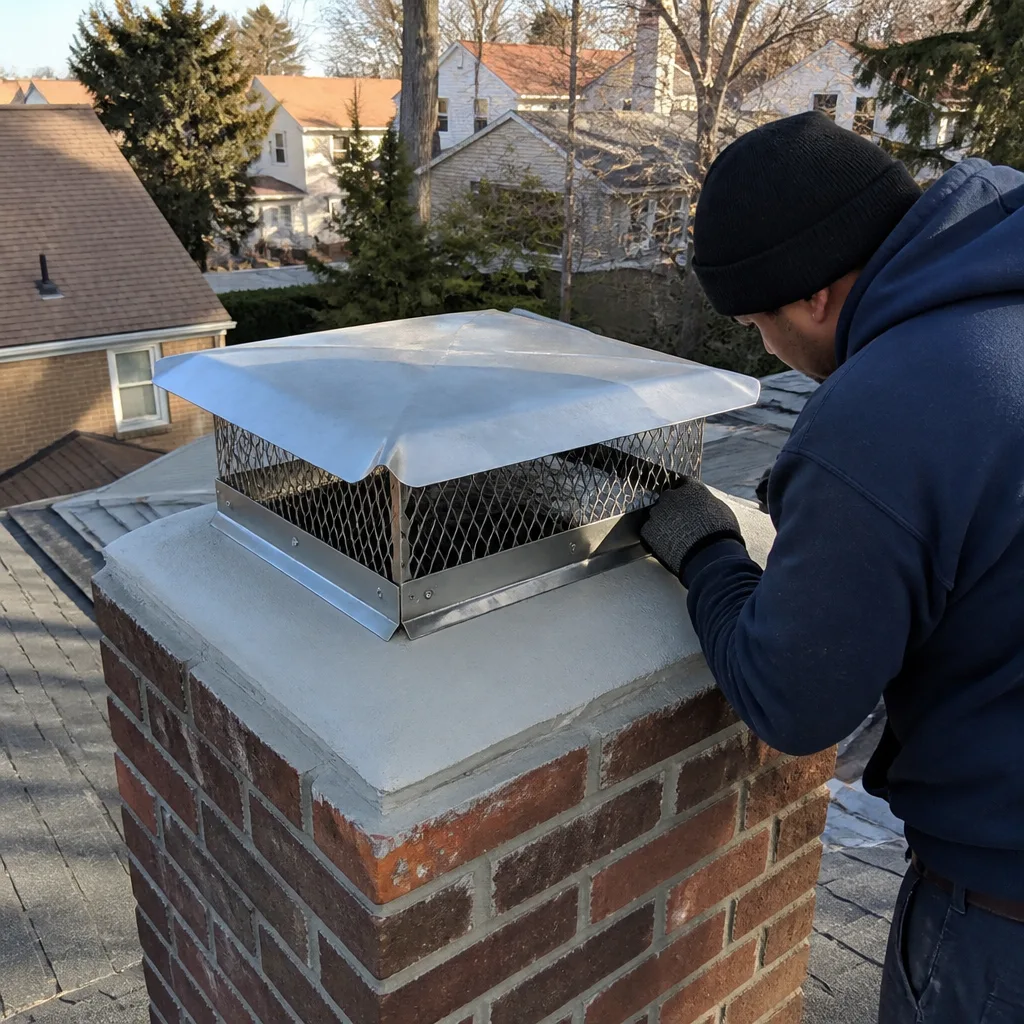
See the difference
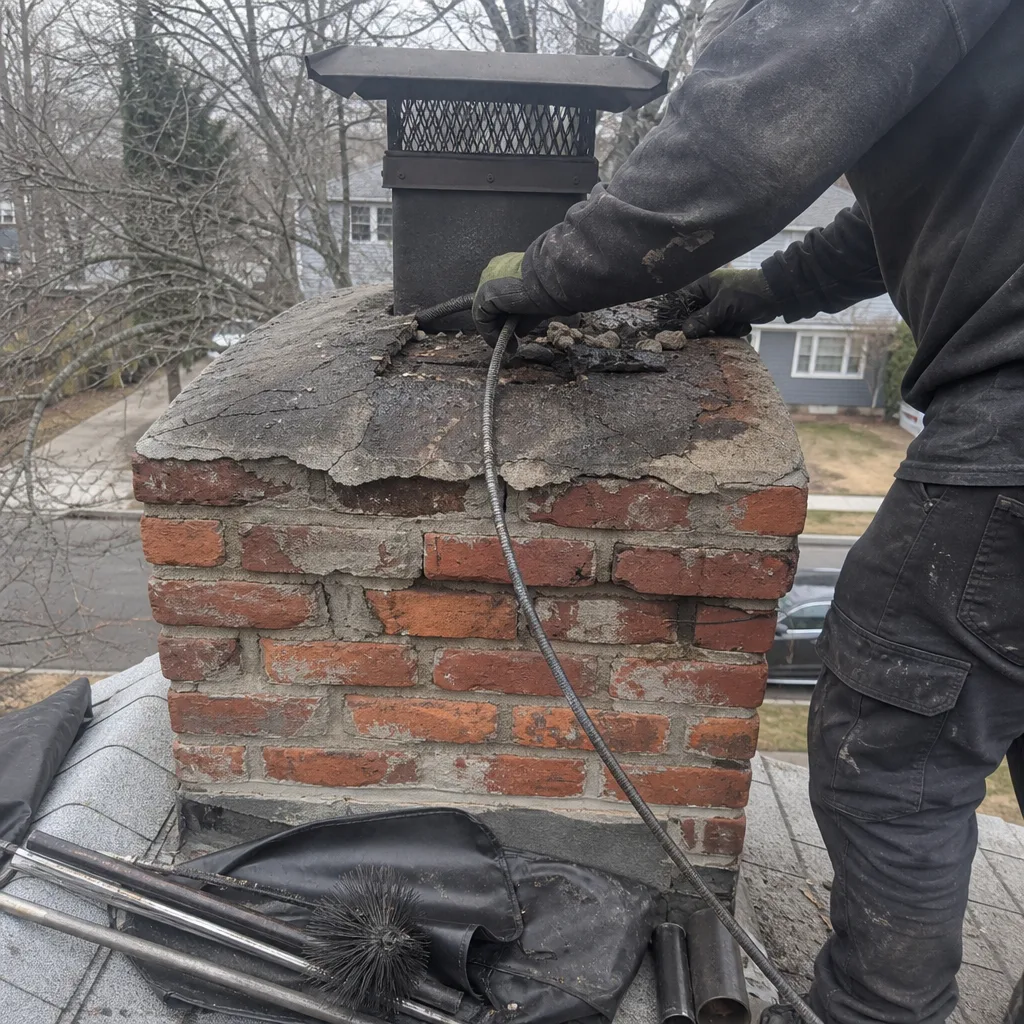 Before
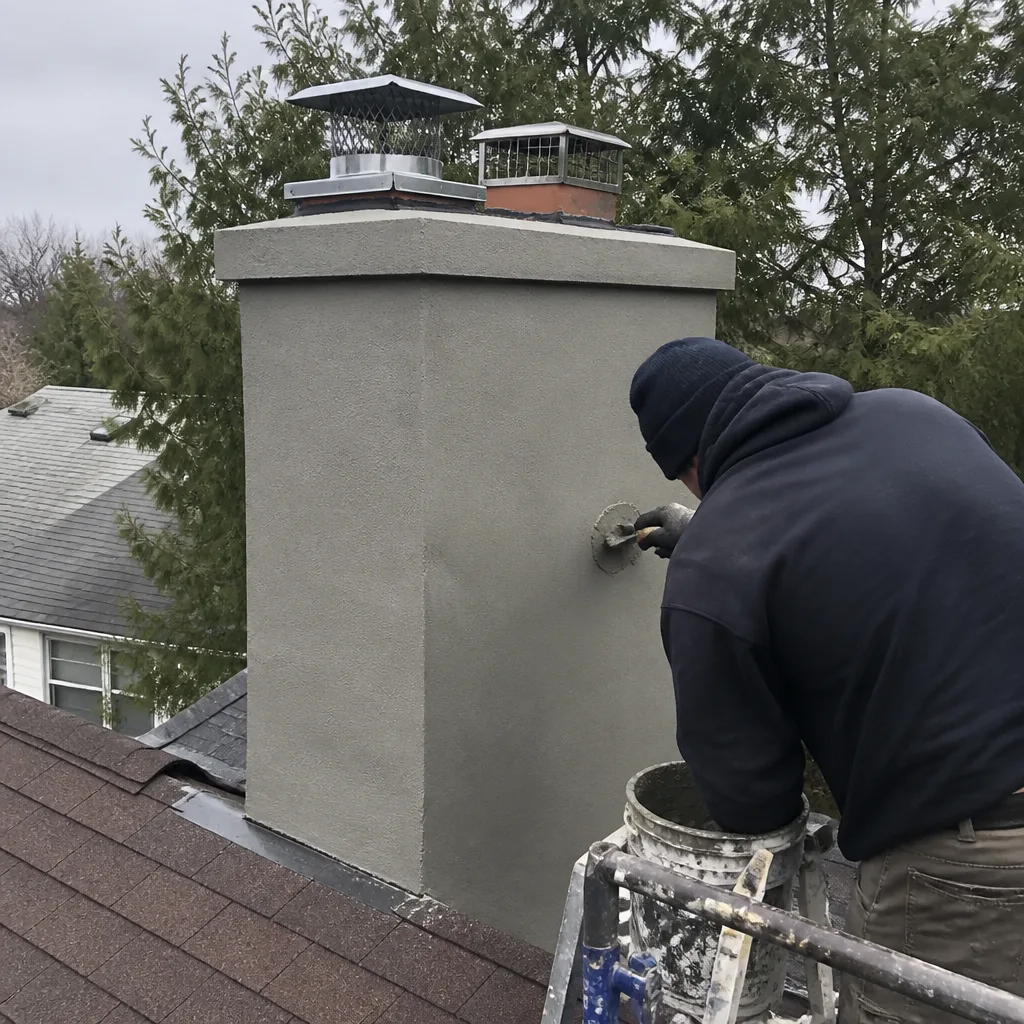 After
After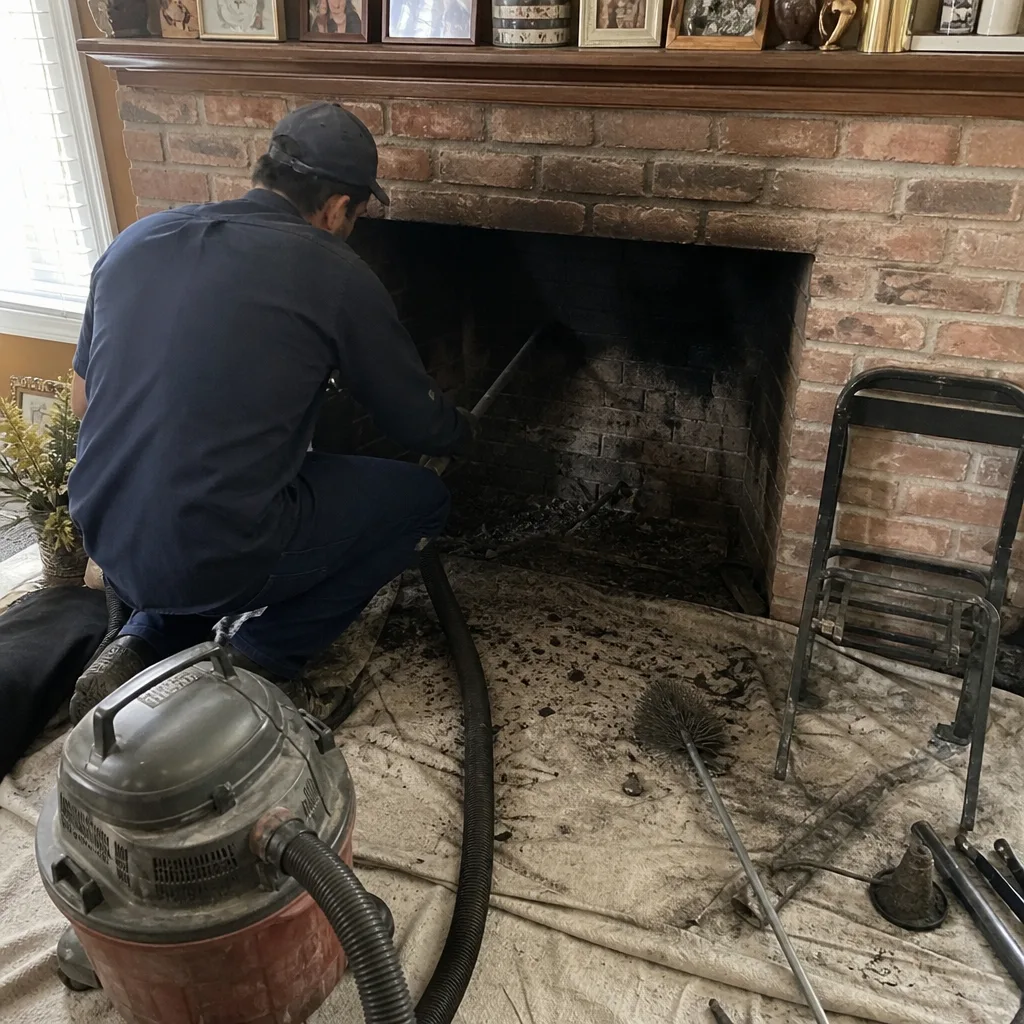 Before
 After
After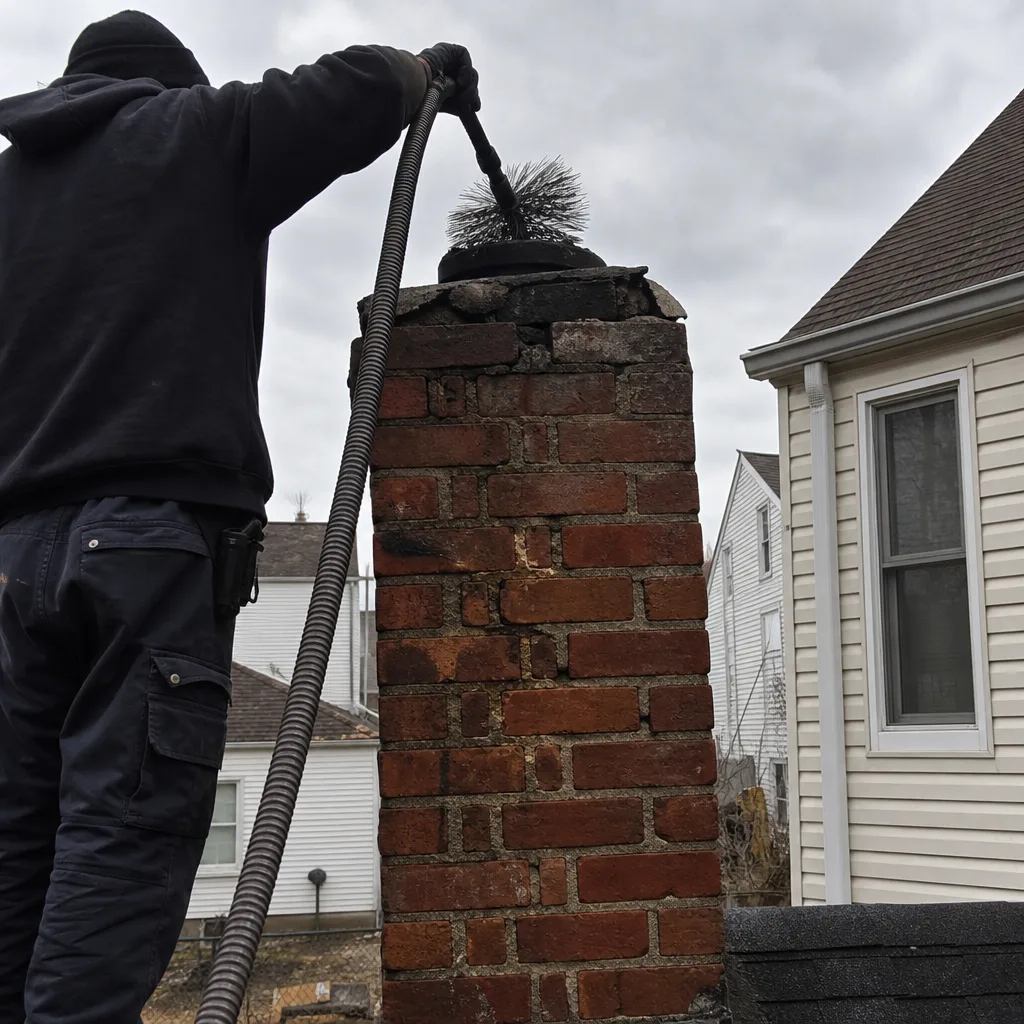 Before
 After
AfterReplacement Cost & What’s Included
A straight Olympia Chimney liner swap on a single-story Queens home with a 6-inch diameter, 20 to 25 foot flue usually lands between $1,800 and $2,300. A two-story house with a 25 to 35 foot run, or a liner that has to be upsized from 5.5 to 6 inches, pushes toward $3,000 or more. What drives the spread in Queens specifically is access – flat-roof row homes in Ridgewood and Glendale are easier ladder setups than steep-pitch roofs in Bayside or Little Neck, and we price access time honestly.
Every Olympia flue liner replacement quote from Alcott Chimney Queens includes the liner, the connector, a new top plate and cap sized to the liner, removal of the old liner where it’s safe and intact enough to pull, and a camera verification before and after the install. You get a written price before any work begins, the 365-Day Done Right Promise in writing on top of that, and if the repair fails within the year, the second visit is free. No exceptions.
DIY or Call Us?
A flue liner replacement is not a DIY job, and we say that plainly because we have pulled too many “I found a video” liners out of Queens chimneys. The dangerous part is not the liner itself but the work position: you are on a roof, at height, often on wet or mossy shingles, feeding a flexible steel tube down a chimney you cannot see inside. If it binds mid-flue and you force it, you can separate a joint inside the masonry, which means the liner now leaks in a place nobody can see until the carbon monoxide detector goes off. That’s the failure mode that scares us.
What you can safely do before you call: shine a flashlight up the flue from the firebox and look for obvious rust, corrosion, or collapsed sections. Take a photo. Note how long the liner has been in there. Then call us at (518) 719-4643 with what you found, and we’ll tell you whether it needs a closer look or a full replacement. Tell me what you’re seeing and I’ll tell you what it actually means.
FAQs
A 316L stainless Olympia liner in a properly capped, regularly swept Queens chimney should last 15 to 20 years, but the real lifespan killer here is moisture: a leaky cap or a flue that never had a proper rain guard will take five to seven years off that number. If your liner is 12 years old or more and you’re seeing rust, plan for replacement rather than patchwork. Call (518) 719-4643 for a camera inspection and we’ll show you exactly what’s left in it.
In almost all cases, no. Small tears or pinholes in a stainless liner cannot be patched reliably because the flue expands and contracts at a different rate than any patch material, and the joint will open back up. Some homeowners ask about resurfacing, but that’s for clay tile flues, not for metal liners. If your Olympia liner has failed, replacement is the honest fix. We’ll show you the camera footage either way before we recommend anything.
Most single-flue replacements in the five boroughs take four to six hours from ladder-up to firebox test, and we can usually complete it in one day. Two-story homes and jobs where the old liner has to be cut out in sections add time. We book a full day for most liner replacements so we’re never rushing the camera verification at the end.
We stock common 316L Smooth Wall and Pro Series sizes in 5.5, 6, and 7-inch diameters on the truck, along with Olympia connectors, caps, and top plates to match. Unusual lengths or diameters over 8 inches are usually next-day from our supplier in the tri-state area. We also carry DuraFlex, HeatShield, and Gelco parts for jobs where another brand is a better fit.
Written by Ruben Castellano, Owner, Alcott Chimney Queens at Alcott Chimney Queens, serving Queens and nearby areas.