
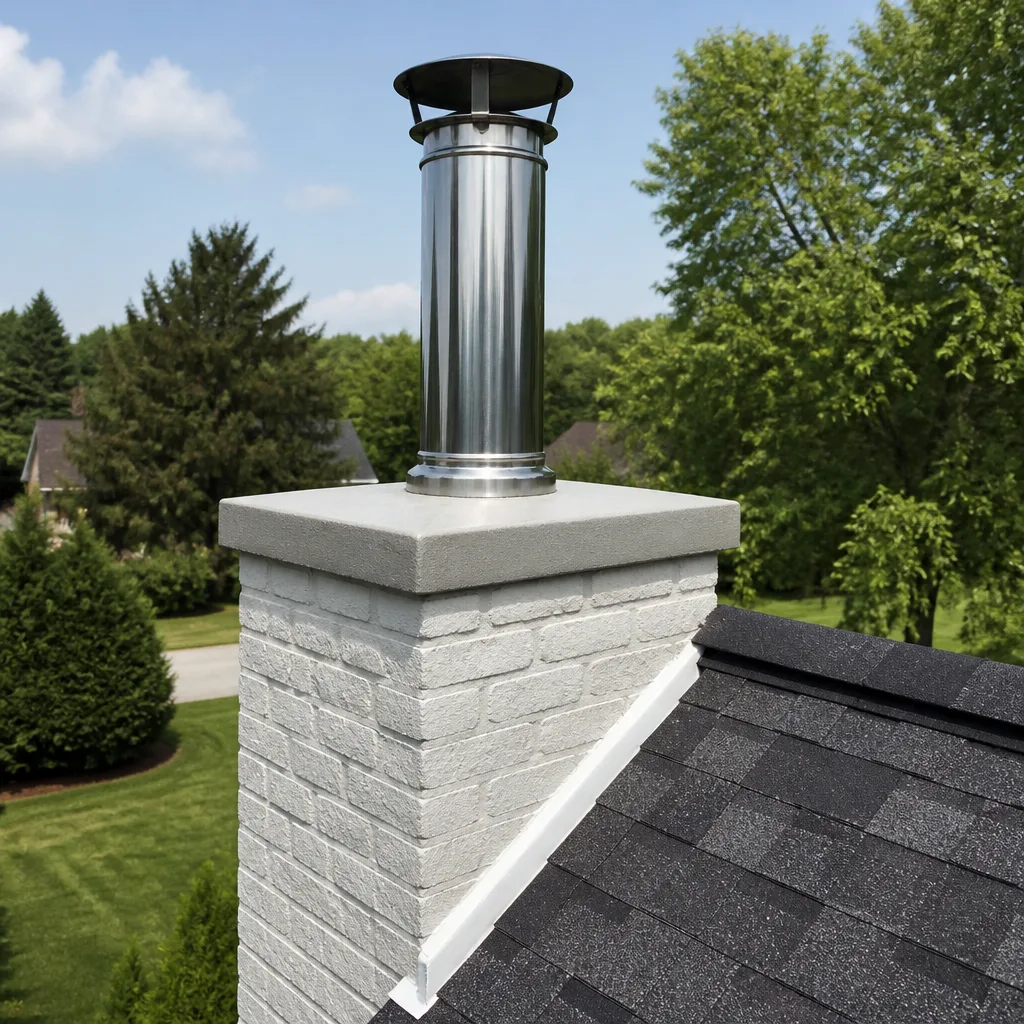
 Flue relining
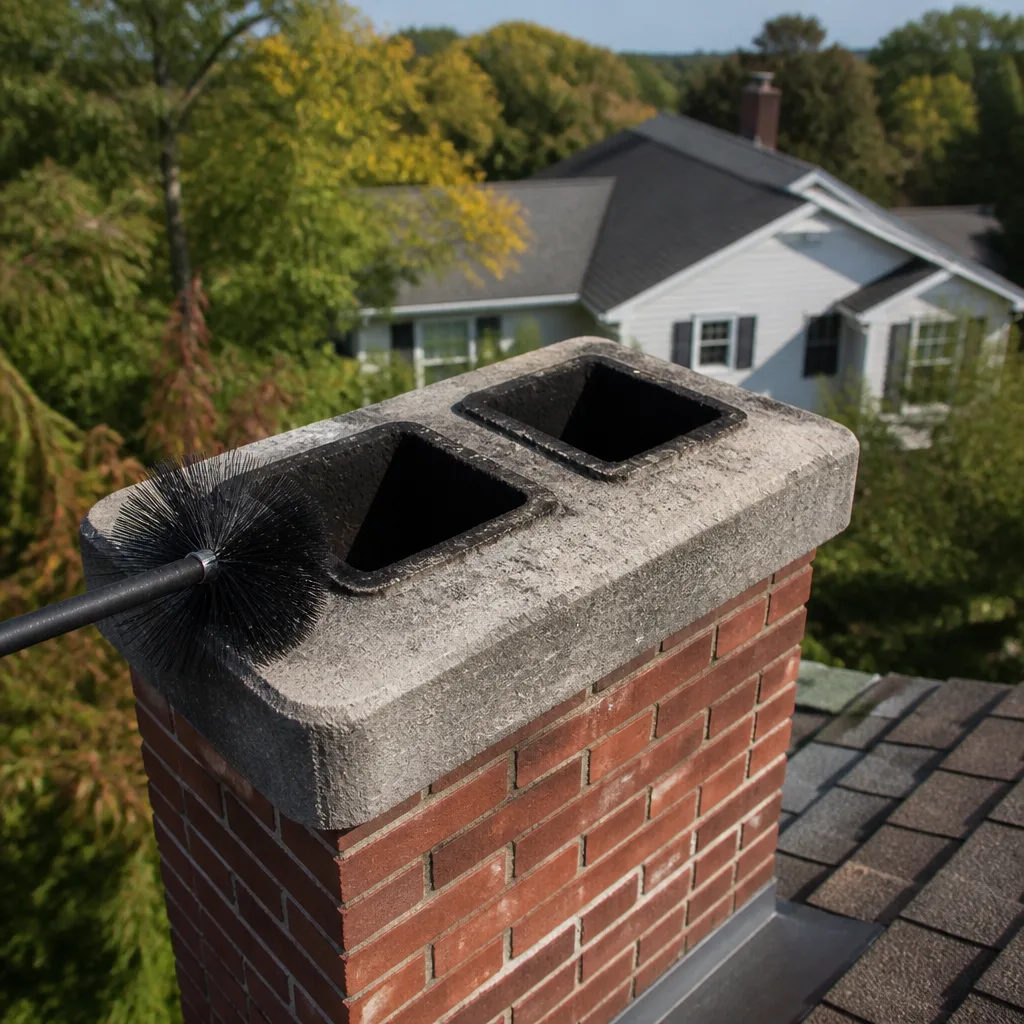 Sweep & inspection
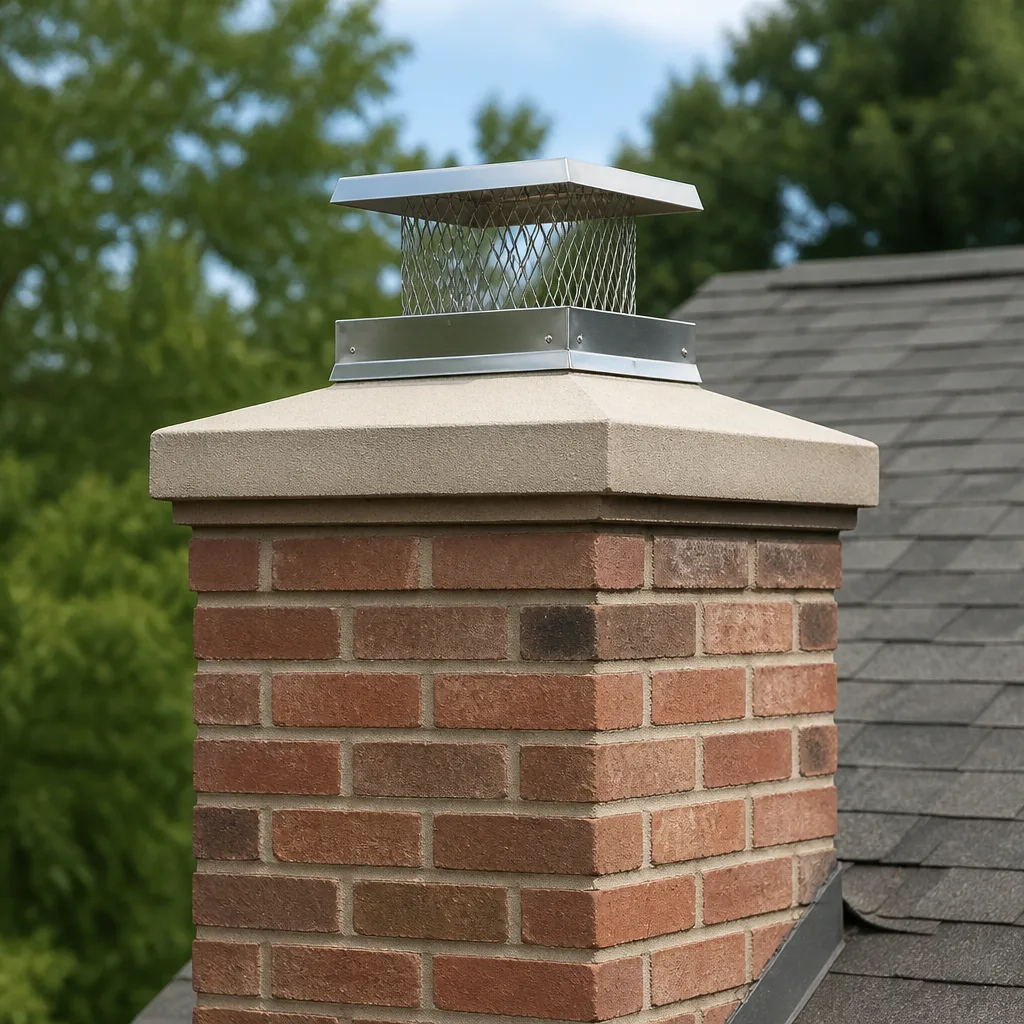 Caps & crowns
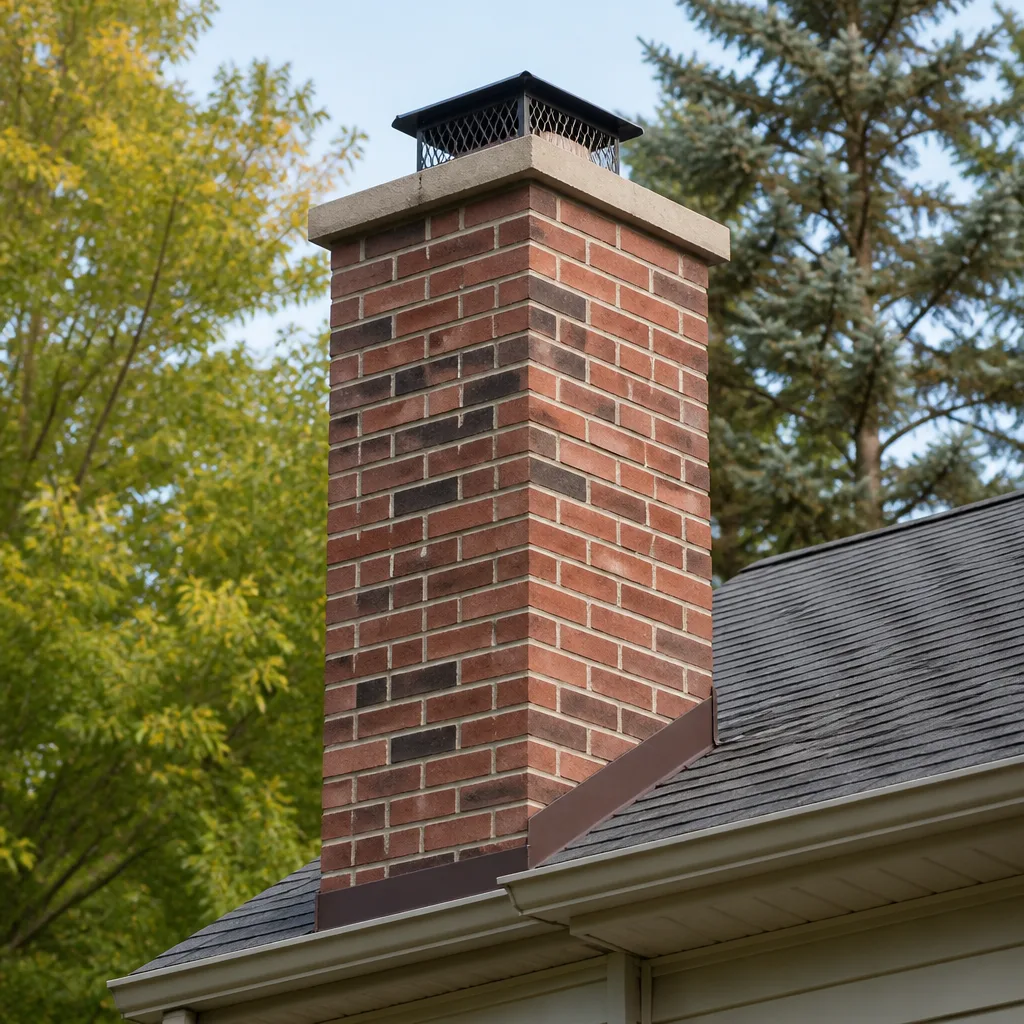 Masonry repair
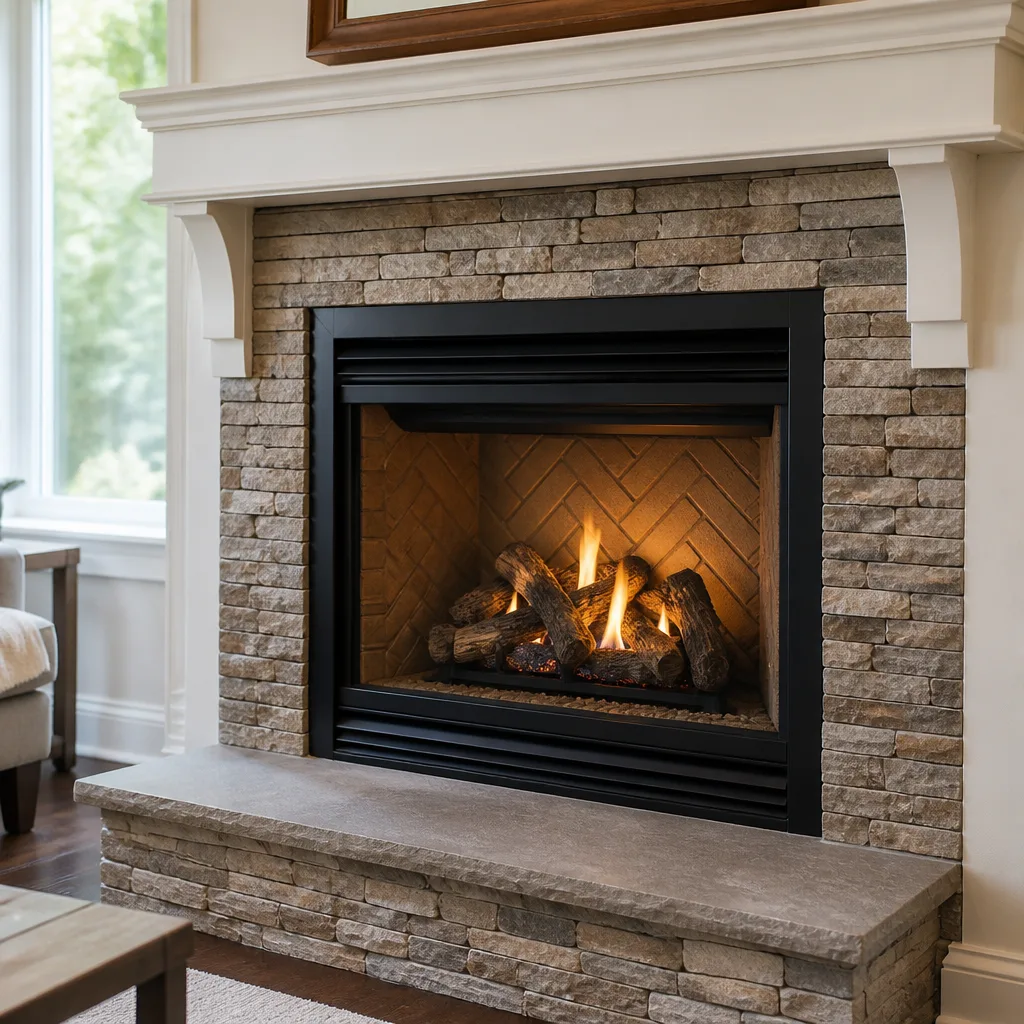 Gas fireplace service
Level 1 sweep and inspection to the NFPA 211 annual standard - flue, crown, cap, and flashing checked and photographed
Chimney sweep logs do not sweep chimneys. They loosen some creosote - which then falls where a brush and vacuum still have to collect it.
HeatShield Flue Liner Replacement: The Queens Owner’s Guide
HeatShield flue liner replacement in Queens typically runs $2,800 to $5,400 installed, depending on flue height, access, and whether we’re resurfacing with HeatShield’s Cerfractory material or pulling a whole new liner. We stock HeatShield-compatible components and can usually complete the job in one visit once the damaged section is identified. Most Queens homeowners find out their HeatShield liner has failed during an annual sweep, when a camera inspection shows cracking, spalling, or gaps that weren’t visible from the firebox. Others notice it when the damper starts sticking, or when bits of flue material show up in the firebox after a windy night.
If you’ve got a HeatShield system that’s showing its age, here’s what you actually need to know before spending a dollar: what fails, why, what it costs to fix in Queens right now, and whether you can safely wait.
Key takeaways:
- HeatShield flue liner replacement costs $2,800 – $5,400 installed in Queens, parts and labor included
- We’re an independent installer, not a HeatShield corporate entity; we stock their Cerfractory material and replacement components
- A camera inspection before any quote is non-negotiable; you see the damage, we explain it, then you decide
- The 365-Day Done Right Promise covers the work; if the repair fails, we come back at no charge
Which HeatShield Models This Applies To
HeatShield isn’t one product. It’s a brand covering two distinct liner repair paths: the Cerfractory Flue Sealant system, which resurfaces the interior of a damaged clay tile liner from the inside, and the HeatShield joint repair system, which targets cracked mortar joints between tiles. If your liner is deteriorating rather than failing at the joints, you’re in the first category and a full resurfacing is the usual fix. Queens homes built between the 1920s and 1960s often have original terra cotta liners, and those are the ones we see failing most often in neighborhoods like Sunnyside, Ridgewood, and Jackson Heights.
One compatibility gotcha most homeowners don’t know: HeatShield resurfacing isn’t rated for an unrestored, badly offset flue. If the tile sections have shifted out of alignment more than about a quarter inch, the Cerfractory material can’t bridge that gap safely, and you’re looking at a full replacement liner instead. We measure for this specifically during the camera inspection, and we’ll show you the footage, not just describe it. Our shop always prefers OEM HeatShield material for resurfacing work because the cure time and thickness spec are matched to the brand’s own nozzle equipment. Aftermarket equivalents exist, but we don’t install them. The savings aren’t enough to justify a liner failure on a New York winter morning.
Ruben Castellano has seen enough HeatShield jobs in Queens to tell you straight: the liner itself can often be saved if the damage is caught early. The mortar joints and first few feet above the firebox go first.
Styles & brands we work with
Signs Your HeatShield Flue Liner Replacement Is Failing
- Flakes of ceramic material in the firebox. This is spalled HeatShield coating or degraded clay tile breaking loose from the flue wall. If you see gray or tan flakes on the firebox floor after a sweep or a windy night, the liner is shedding material and the flue is no longer a sealed path for smoke and gases.
- The damper is harder to move than it used to be. Expanding metal plates or a warped flue wall can pinch the damper frame. HeatShield liners that have absorbed moisture from a failed chimney cap often swell just enough to make the damper drag. Rain in Queens is the usual culprit here, especially on homes without a full-coverage cap.
- You smell campfire indoors a day or two after a fire. A failed liner lets smoke residue and creosote odor bleed through cracks and into wall cavities or the living space. That smell comes from deposits saturating the brick behind the liner, not from the last fire itself. It’s the flue failing to contain its own byproducts.
- White staining or efflorescence on the chimney exterior. Moisture moving through the chimney picks up minerals and leaves chalky residue on the outside of the brick. It doesn’t always mean the liner is shot, but it means water is moving through the system in a way it shouldn’t, and a HeatShield liner with pinholes makes it worse.
- Your sweep flags it, or an insurance inspection calls it out. Queens chimney sweeps in our trade use a camera specifically because HeatShield failure is invisible from the roof on a standard visual check. If another company flagged your liner based on a camera inspection, don’t skip the second opinion. Ask to see the footage.
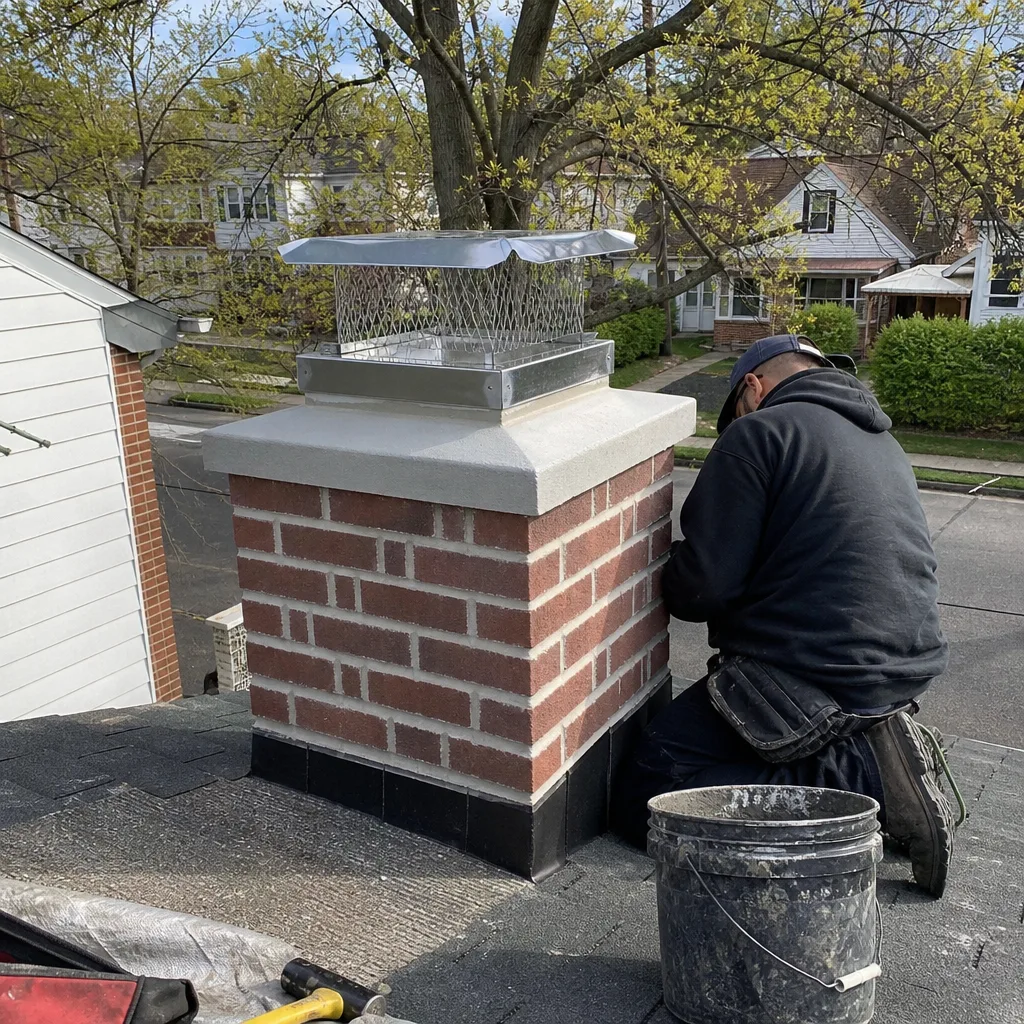
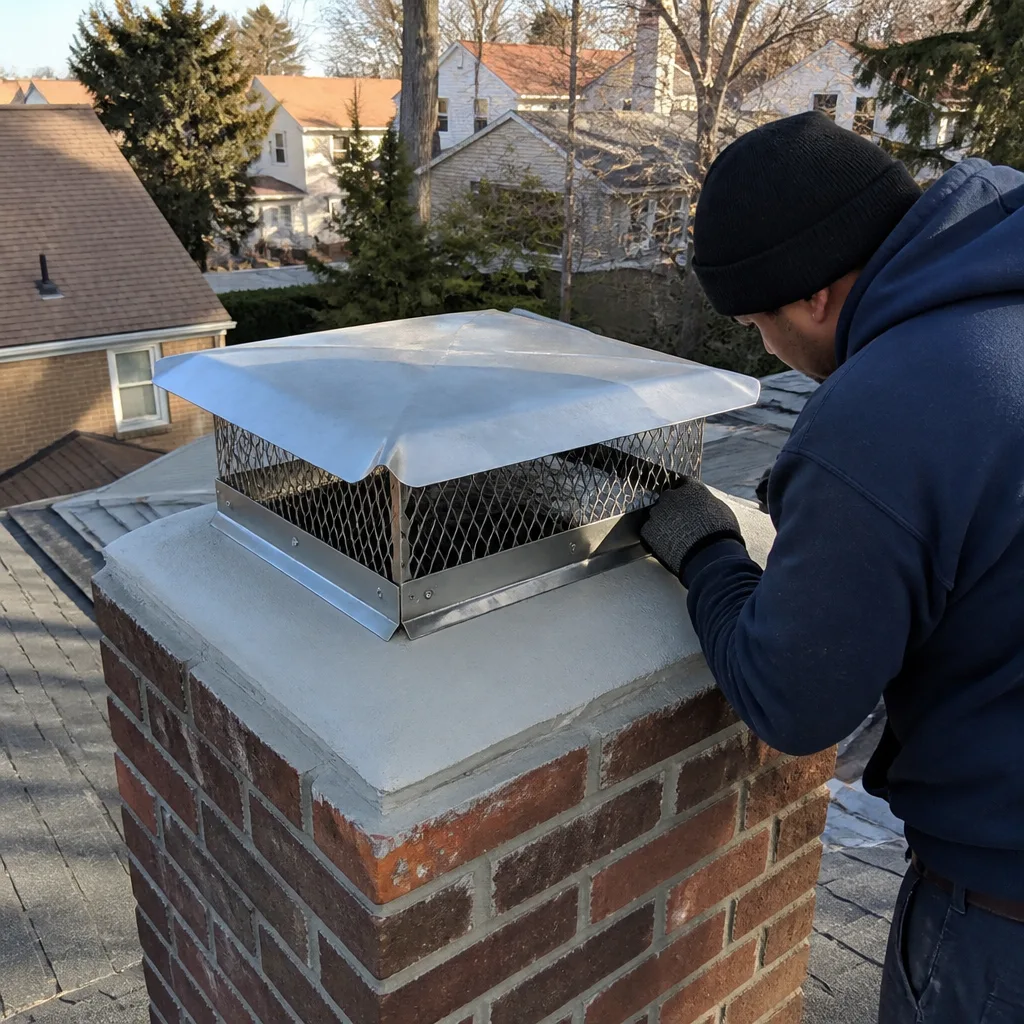
See the difference
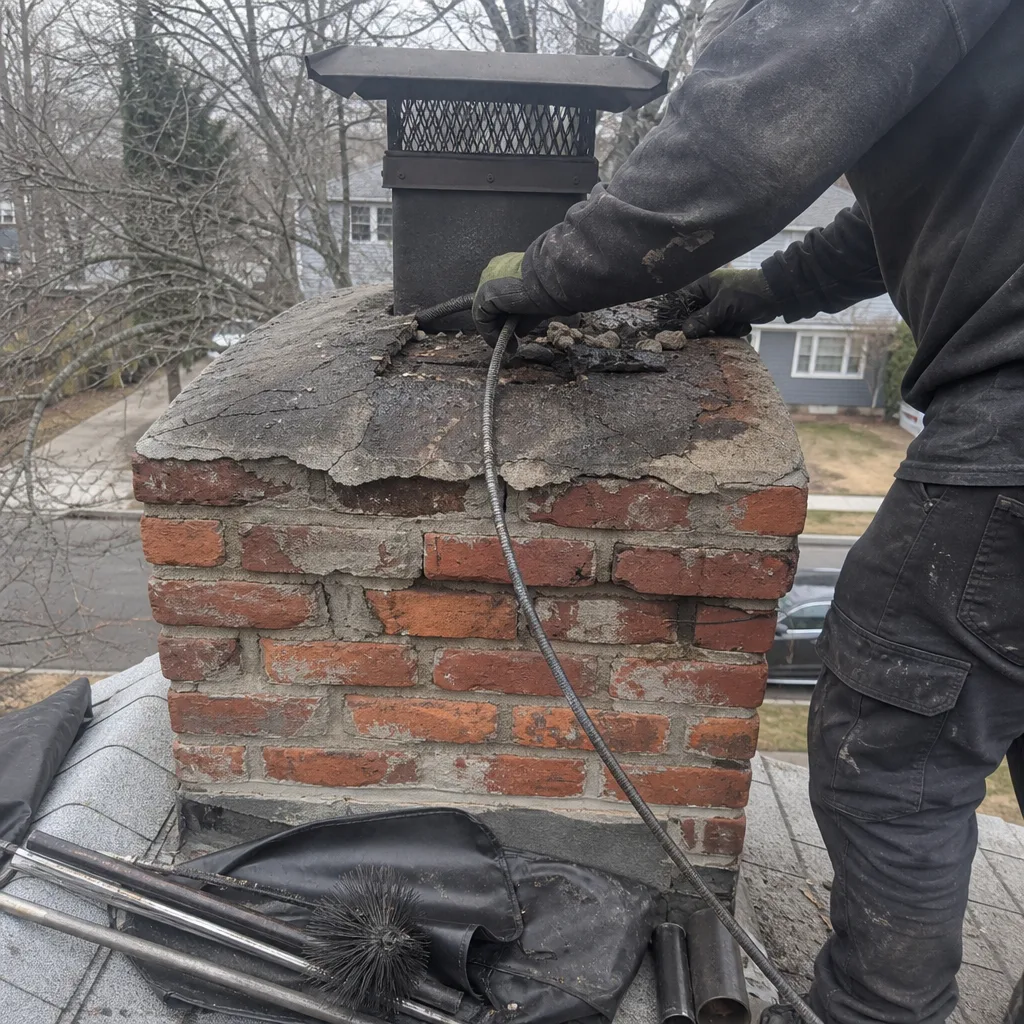 Before
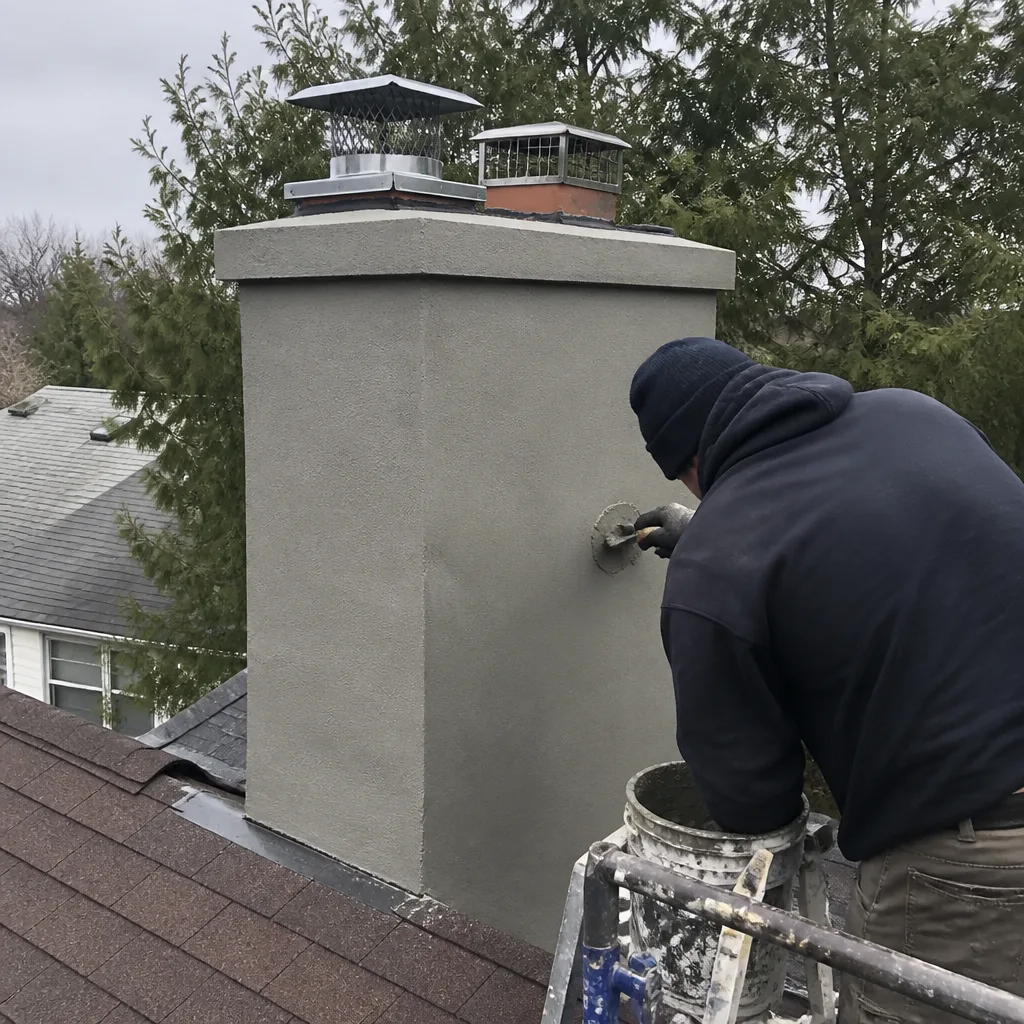 After
After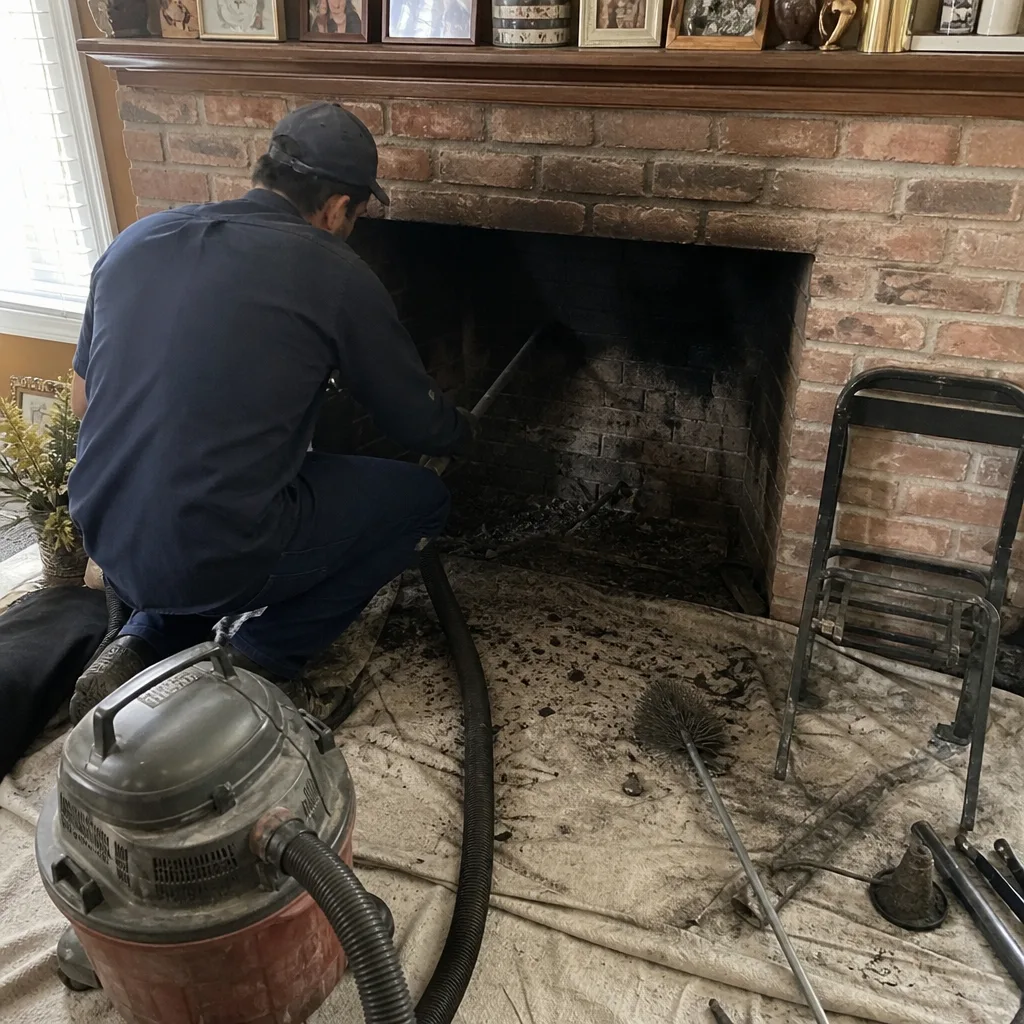 Before
 After
After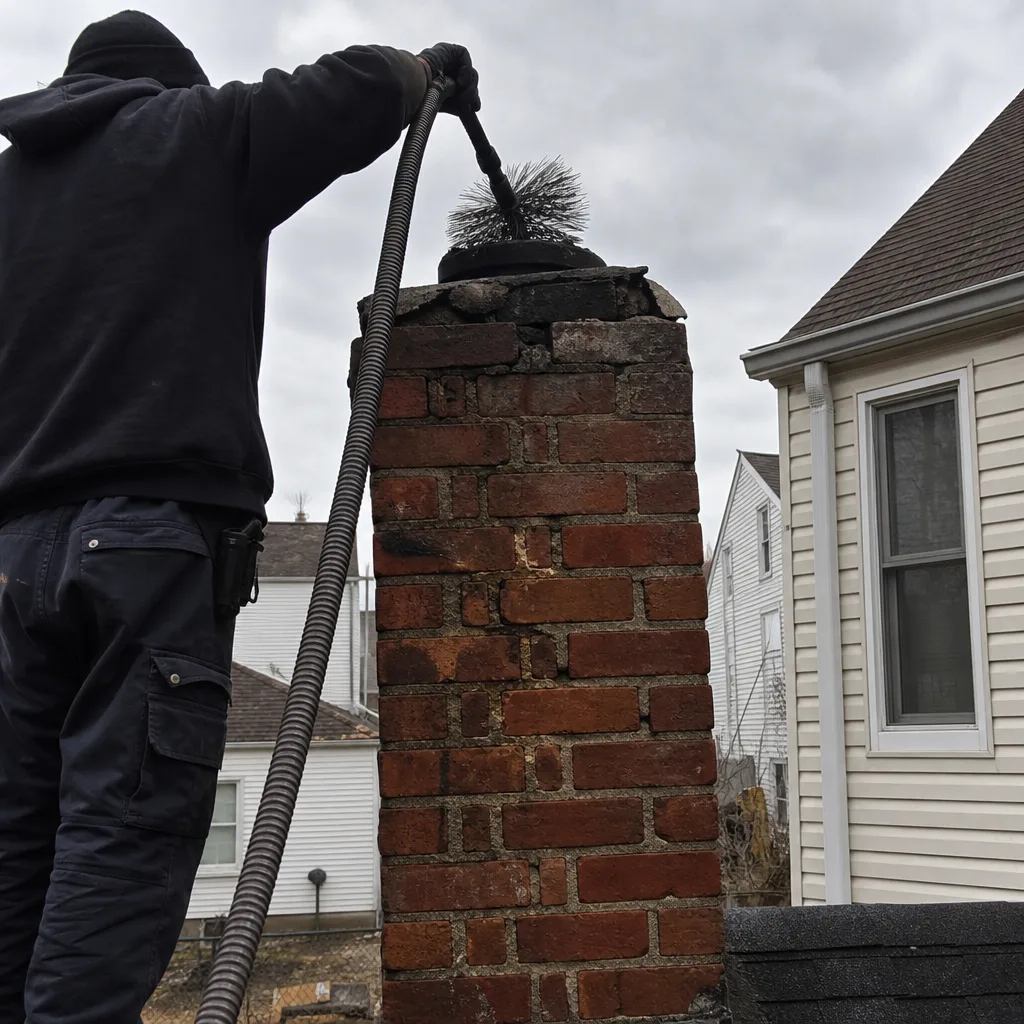 Before
 After
AfterReplacement Cost & What’s Included
Let’s talk real numbers. A HeatShield flue liner replacement in Queens runs between $2,800 and $5,400, installed. The spread exists because flue height, roof access, and the amount of prep work vary wildly from a single-story attached home in Bayside to a three-story walk-up in Astoria with a steep roof and a tight chimney chase. Shorter flues with easy access sit at the lower end. Taller flues, scaffolding, harder tile removal, or repair cement work push you toward the top.
What’s included in that price: the HeatShield Cerfractory material or replacement liner section, any tile prep or joint repair needed, the full-height camera inspection before and after, cleanup, and our written guarantee on the repair. We hand you a written price before any work starts, so the number we quote is the number on the invoice. No surprise upcharges. If the repair fails within 365 days, we return for free. That’s the Done Right Promise, and we don’t bury it in fine print.
For buyers also comparing brands: we work with DuraFlex and Gelco liner systems too, and we’ll tell you honestly when a full replacement liner is the better value than resurfacing. Sometimes it is, and the math matters more than brand loyalty.
DIY or Call Us?
The safe DIY limit for a HeatShield system is watching for the symptoms above and keeping the damper closed when the fireplace isn’t in use. That’s it. Resurfacing a flue liner requires specialized spray and trowel equipment, exact material mixing ratios, and a technician who knows how to work upside down in a narrow flue without leaving voids. This is not a project for a weekend. A void in the Cerfractory coating is a hidden passage for carbon monoxide, and that’s a risk no homeowner should take on a ladder with a rented machine.
What you can do right now is this: look in the firebox for flaking material, try the damper, and note any dampness around the chimney breast. Then call us at (518) 719-4643 and tell us what you’re seeing. We’ll send someone who knows what you’re describing. We always show you the camera footage before we recommend a single thing, and we’ll tell you plainly if your liner can wait another season. If it can’t, we’ll give you a written price and a name: the technician coming to your door, with a photo, before we arrive. That’s how it works every time, no exceptions.
FAQs
In Queens, with our freeze-thaw cycles and coastal humidity, a properly applied HeatShield Cerfractory liner typically lasts 20 to 30 years. Moisture is the big variable. Homes near Jamaica Bay or the East River wards tend to see faster degradation if the chimney cap isn’t in good shape. To get an accurate read on your specific liner, call (518) 719-4643 and we’ll schedule a camera inspection at a time that works for you.
Yes, in many cases. If the damage is limited to joint cracks or a few feet of spalling, a targeted HeatShield repair restores the seal without a full replacement. If the failure is widespread or the liner has shifted, replacement is safer and often cheaper over ten years. The camera footage makes the call, and you’ll see it yourself before we quote anything. Call (518) 719-4643 for a free estimate.
A standard single-flue HeatShield replacement in Queens is usually a one-day job. Prep work, application, and curing take roughly six to eight hours depending on access and weather. We schedule around you and give you a written time window before the crew arrives, with the technician’s name and photo sent in advance. Call (518) 719-4643 to lock in a date.
We stock HeatShield Cerfractory material and replacement components on our service vehicles for common flue sizes found in Queens homes. Specialized or oversized sections may require a quick supplier run, which we handle before your appointment so nothing gets delayed on install day. Call (518) 719-4643 and we’ll confirm availability for your flue dimensions over the phone.
Written by Ruben Castellano, Owner, Alcott Chimney Queens at Alcott Chimney Queens, serving Queens and nearby areas.