
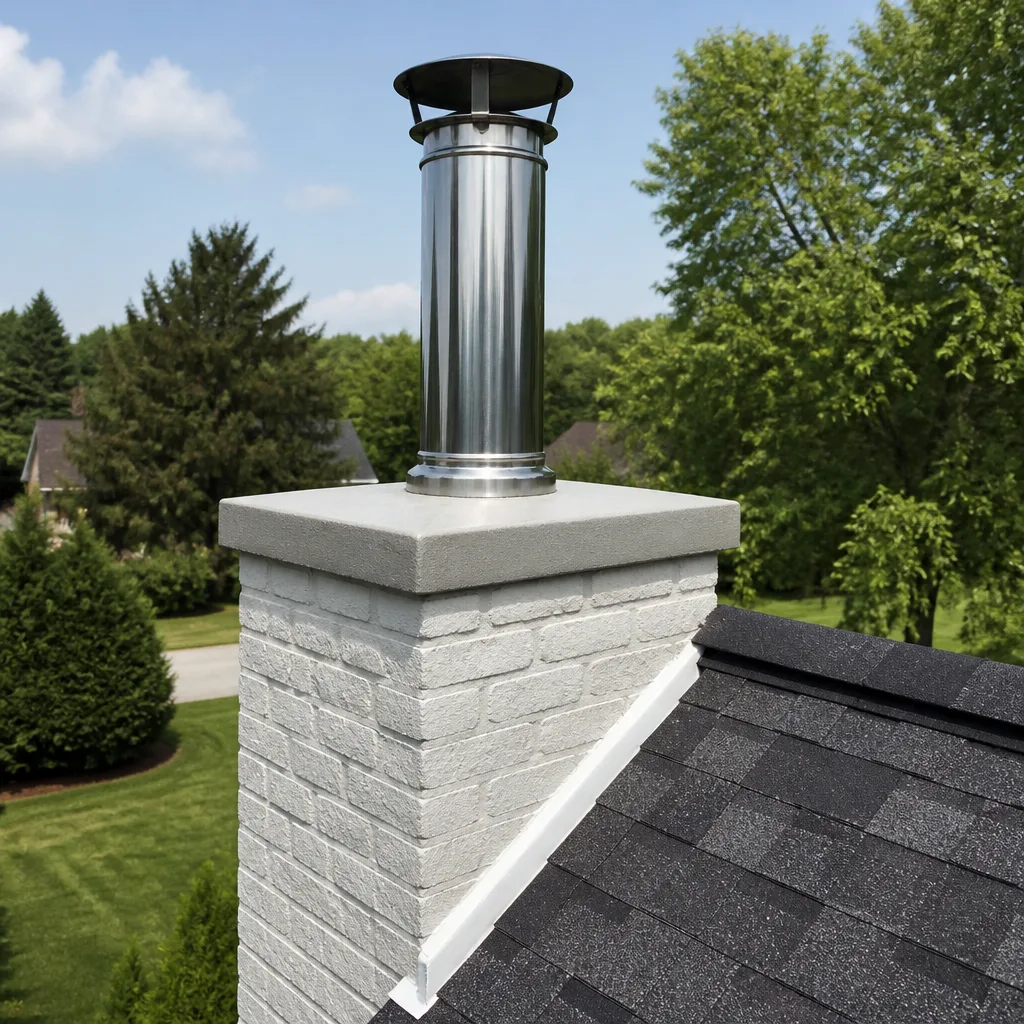
 Flue relining
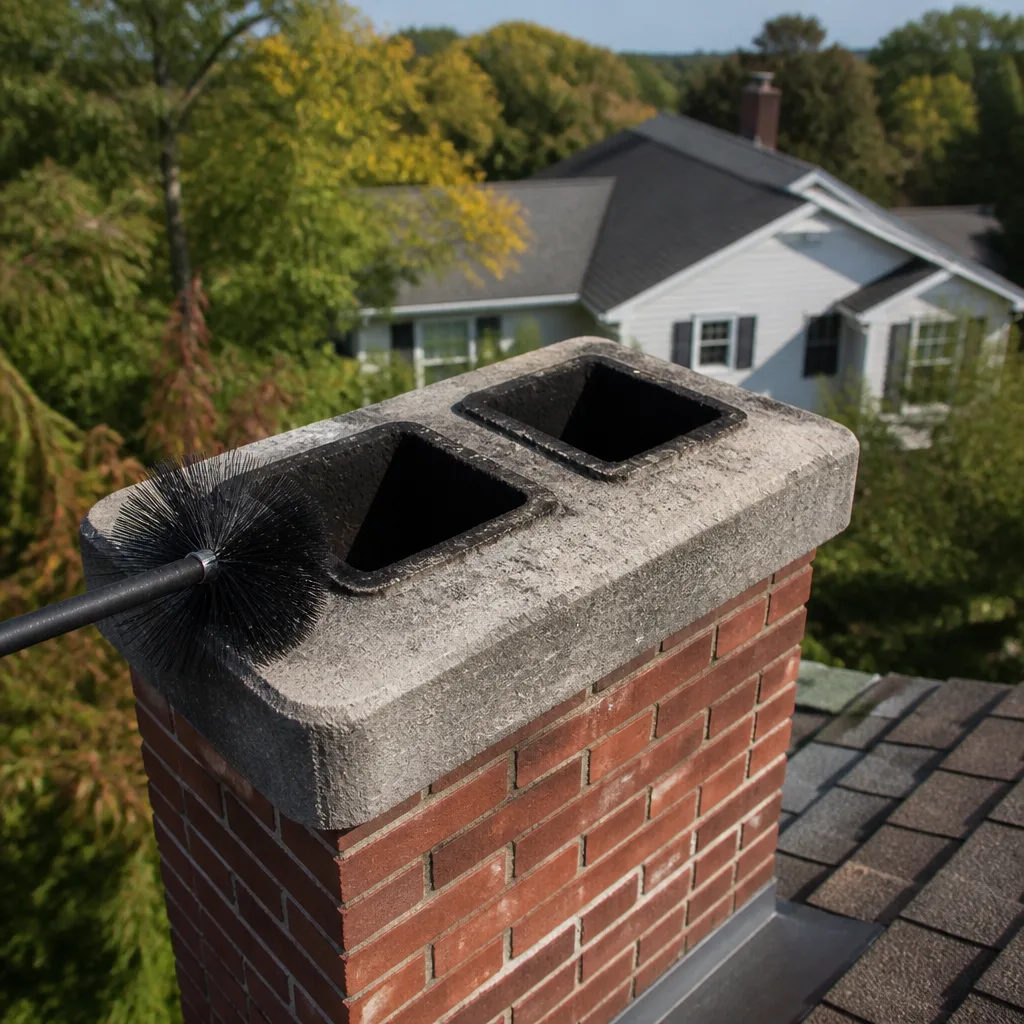 Sweep & inspection
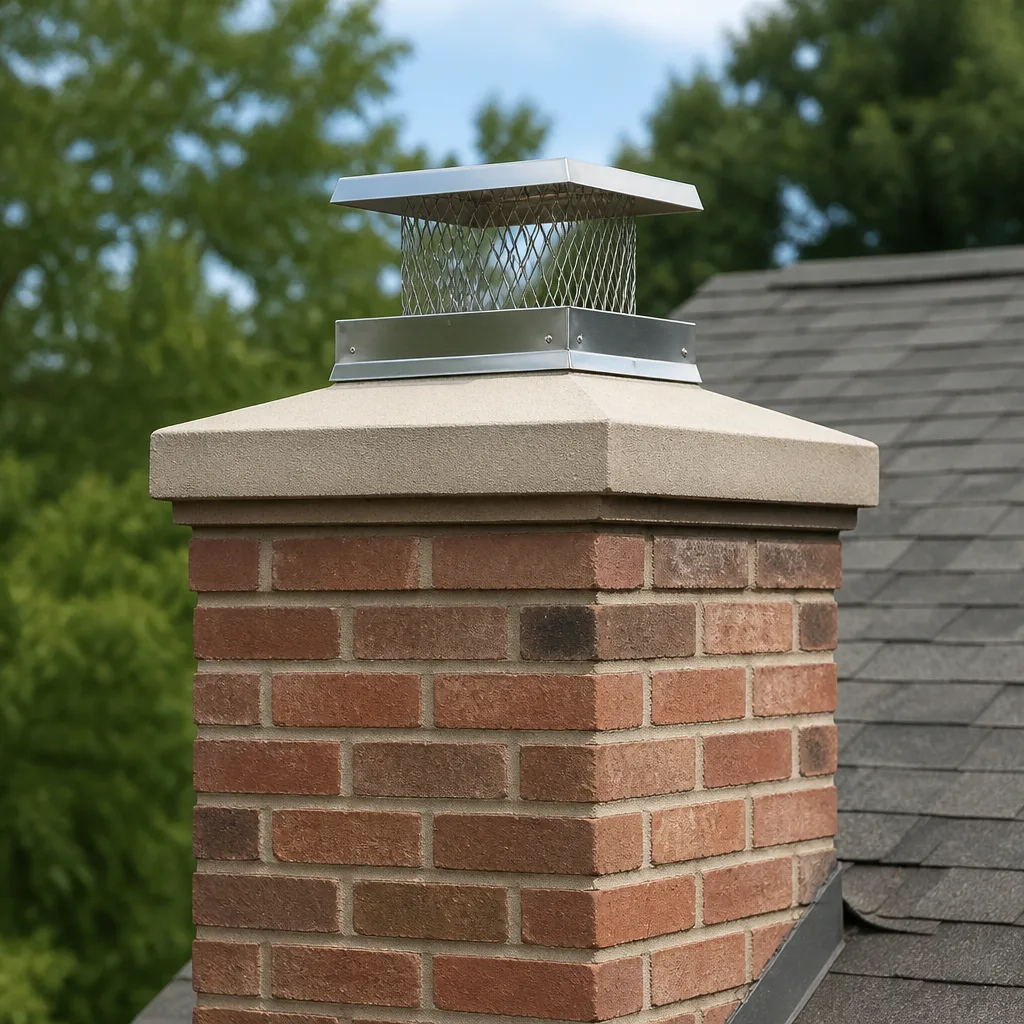 Caps & crowns
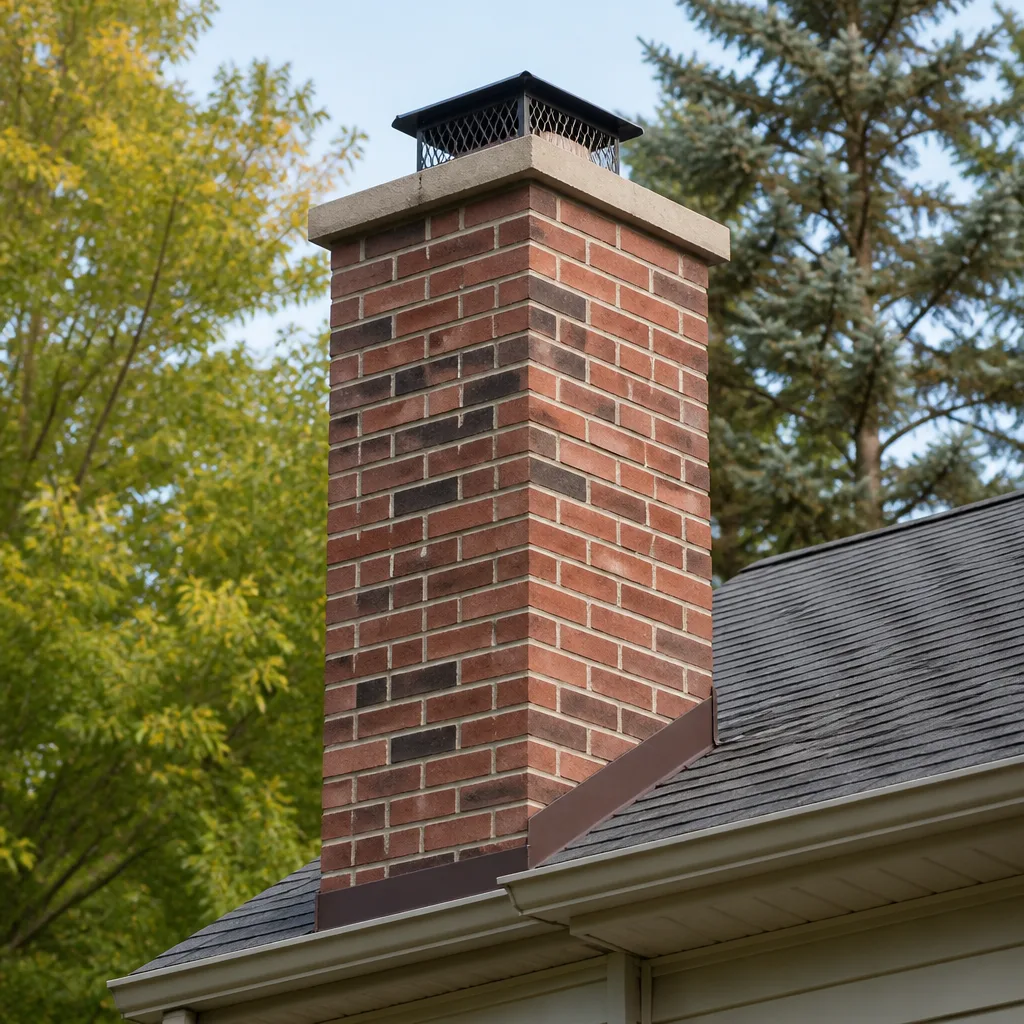 Masonry repair
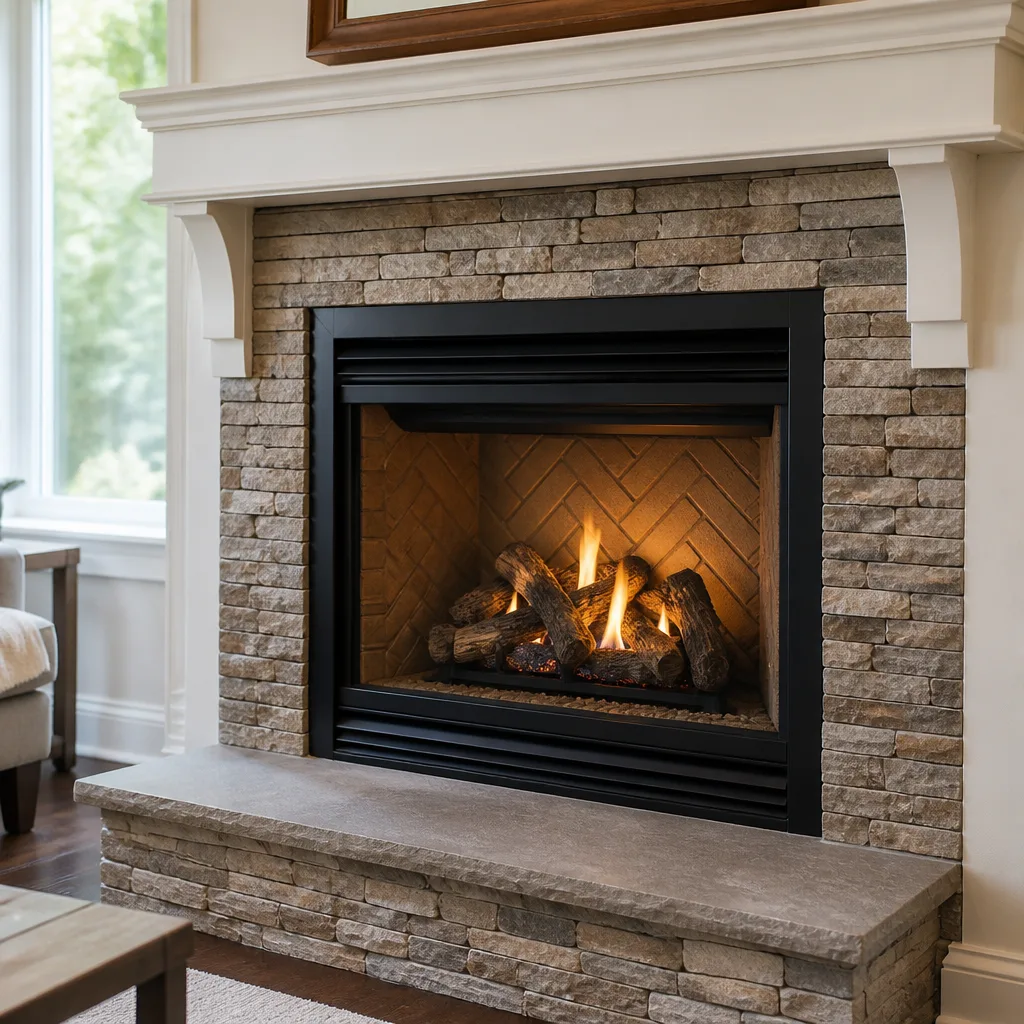 Gas fireplace service
Level 1 sweep and inspection to the NFPA 211 annual standard - flue, crown, cap, and flashing checked and photographed
Chimney sweep logs do not sweep chimneys. They loosen some creosote - which then falls where a brush and vacuum still have to collect it.
DuraFlex Flue Liner Replacement: The Queens Owner’s Guide
A DuraFlex flue liner replacement in Queens typically costs between $2,800 and $5,800 installed, depending on the liner diameter, the height of your flue, and whether we’re doing a straight reline or also replacing the top plate and rain cap. We stock DuraFlex-compatible stainless steel liner sections on our trucks, so in most cases we can complete the swap in a single visit. Most Queens homeowners discover their liner is failing after a Level 2 camera inspection: they call for a sweep, we run the scope, and the video shows the old liner has corroded through, separated at a seam, or cracked from years of hot-and-cold stress in our damp winters and humid summers.
Ruben Castellano has pulled liners out of Forest Hills pre-wars that looked like lace curtains from the inside. If your furnace or boiler exhausts through a masonry chimney without a functioning liner, you’re pumping warm, acidic moisture into the brick, and it eats the mortar from the inside out. That’s not a theory; that’s what we’ve seen on scope video from Jackson Heights to Bayside.
Which DuraFlex Models This Applies To
DuraFlex is a flexible 316L stainless steel liner system used for both gas and oil appliances. The most common lines we replace in Queens are the DuraFlex 316 and the DuraFlex Pro (sometimes stamped “DuraFlex SS316”). The alloy matters: 316L resists the acidic condensate that modern high-efficiency gas appliances produce, while cheaper 304 stainless liners or aluminum liners get eaten away in a few seasons. If someone installed an aluminum liner in your flue back in the 2000s, it’s probably why you’re reading this page.
The compatibility gotcha to know: DuraFlex liners are sized by both diameter (typically 4, 5, 6, or 7 inches) and the specific appliance connector kit. Your liner’s diameter must match the BTU output of your furnace or boiler, not just the hole it fits through. We run the math on every job because an undersized liner creates backdrafting, and backdrafting puts carbon monoxide in the living space. That’s not a corner anyone should cut.
One more Queens-specific reality: the original installer usually leaves a label or stamp near the top plate or on the first liner section visible from the roof. If that label is gone, which it usually is after a decade of weather, we identify the exact replacement by measuring the inner diameter and wall thickness and matching the alloy flex pattern. When the label is there and legible, half the job is already solved.
Styles & brands we work with
Signs Your DuraFlex Flue Liner Replacement Is Failing
- Rust staining at the cleanout door or around the vent connector. Condensate is acidic and it eats the liner from the inside. By the time rust shows at the base of the chimney, the liner usually has pinholes or open seams higher up that you can’t see without a camera.
- Flakes of metal or debris in the cleanout. If you open the cleanout at the bottom of the chimney and find small metallic bits, that’s liner material shedding. It means the liner is actively losing wall thickness, and the deterioration only accelerates from here.
- Unusual furnace or boiler behavior: cycling on and off, pilot outages, or lazy yellow flames. A liner with a broken seam or blockage disrupts draft. The appliance senses the problem but can’t tell you what it is. It just runs badly.
- Moisture inside the firebox or a musty, sulfurous smell near the chimney. Combustion gases aren’t making it out cleanly. Moisture condensing inside the masonry and the odor of incomplete draft are both late-stage failure signs.
- A neighbor or roofer mentions rust at the chimney cap. The top plate and cap are part of the liner system. Rust at the top almost always means rust below. We hear some version of this from homeowners in Flushing and Kew Gardens every winter.
See the difference
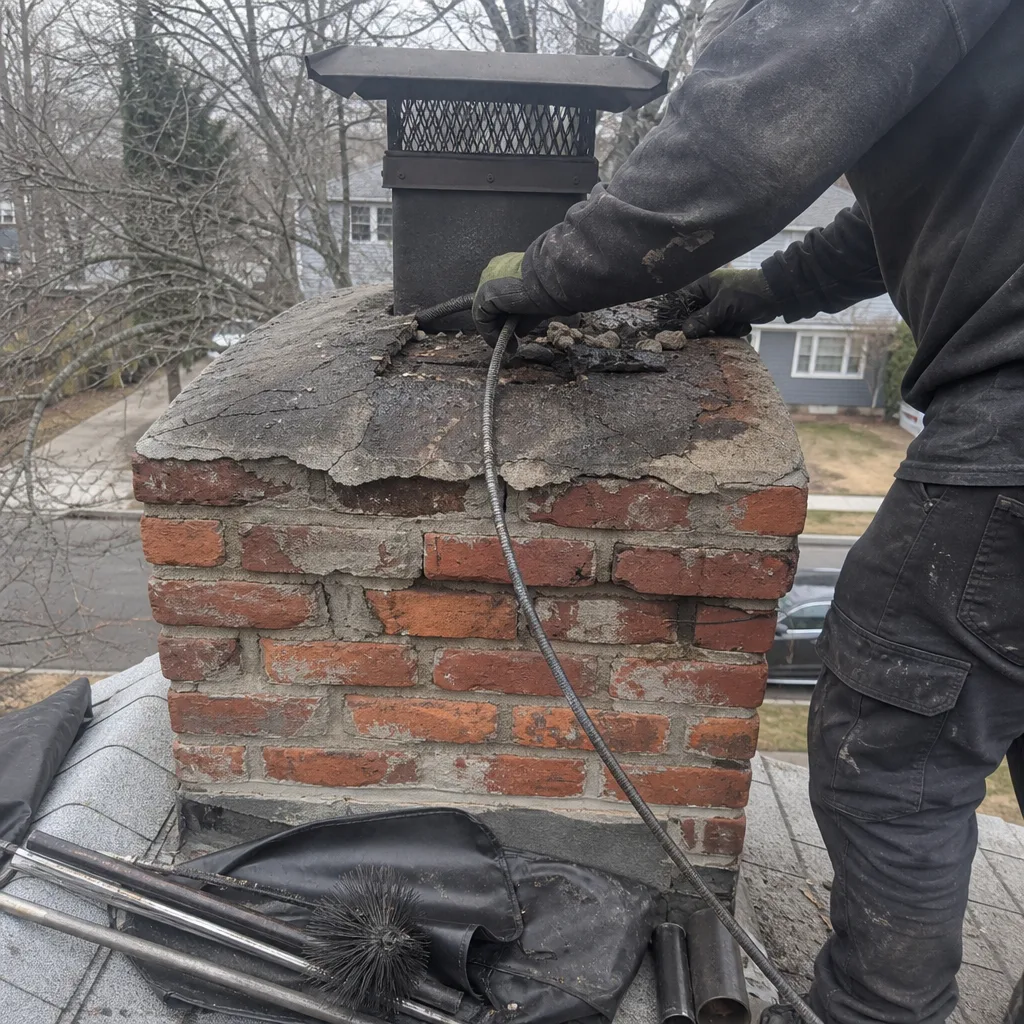 Before
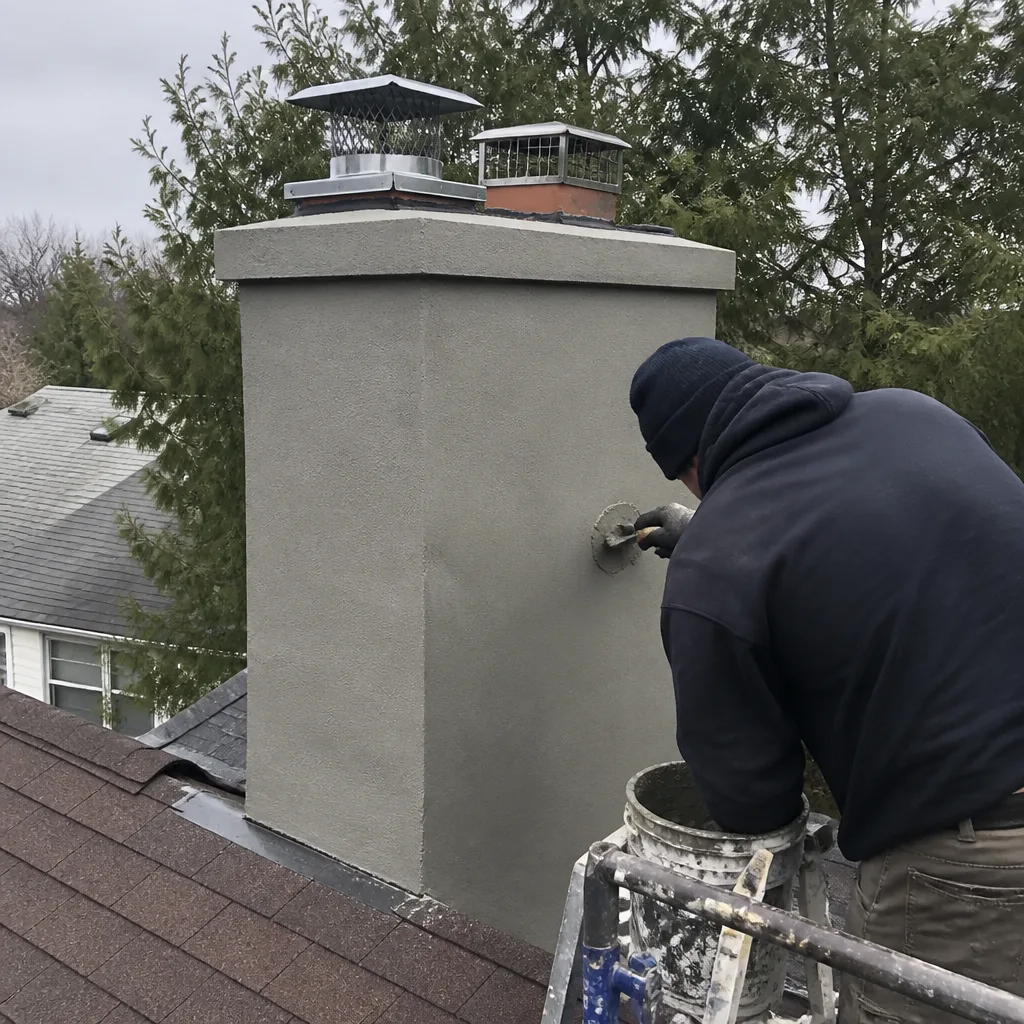 After
After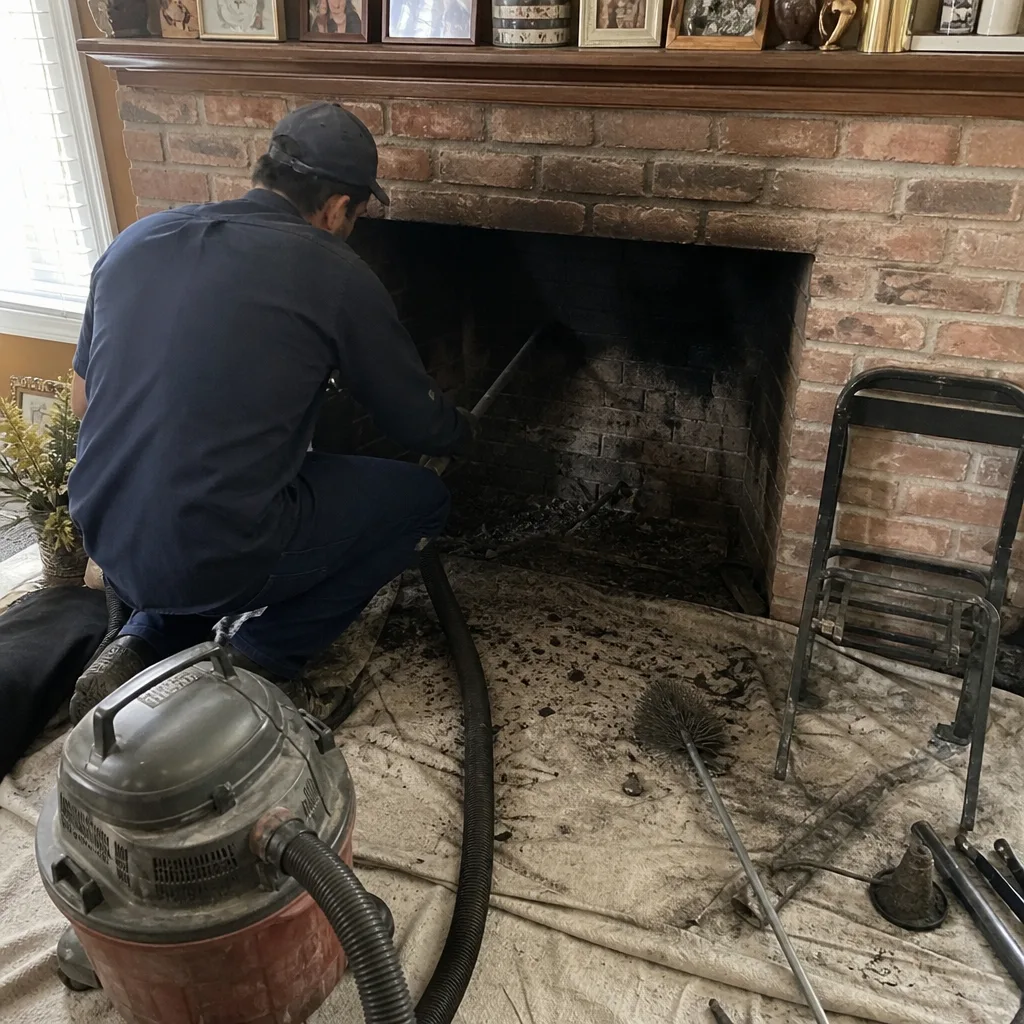 Before
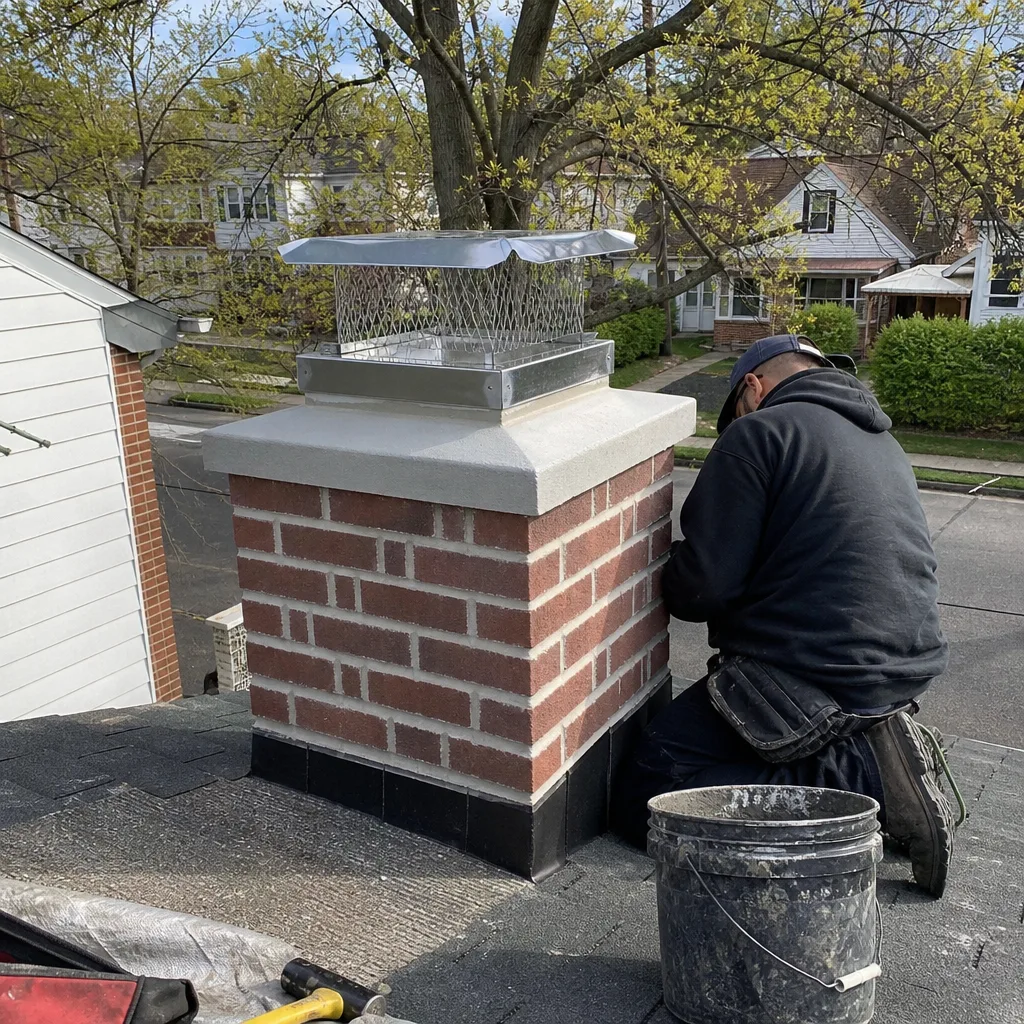 After
After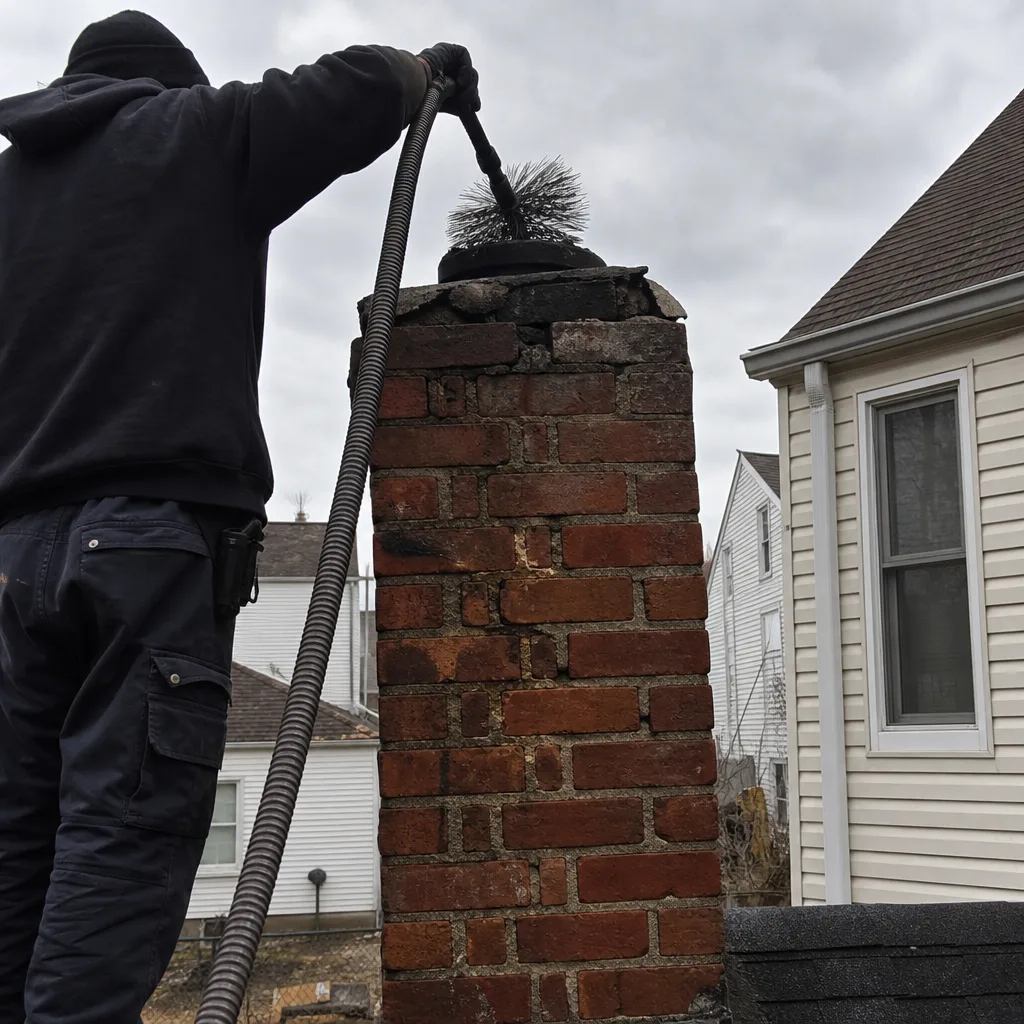 Before
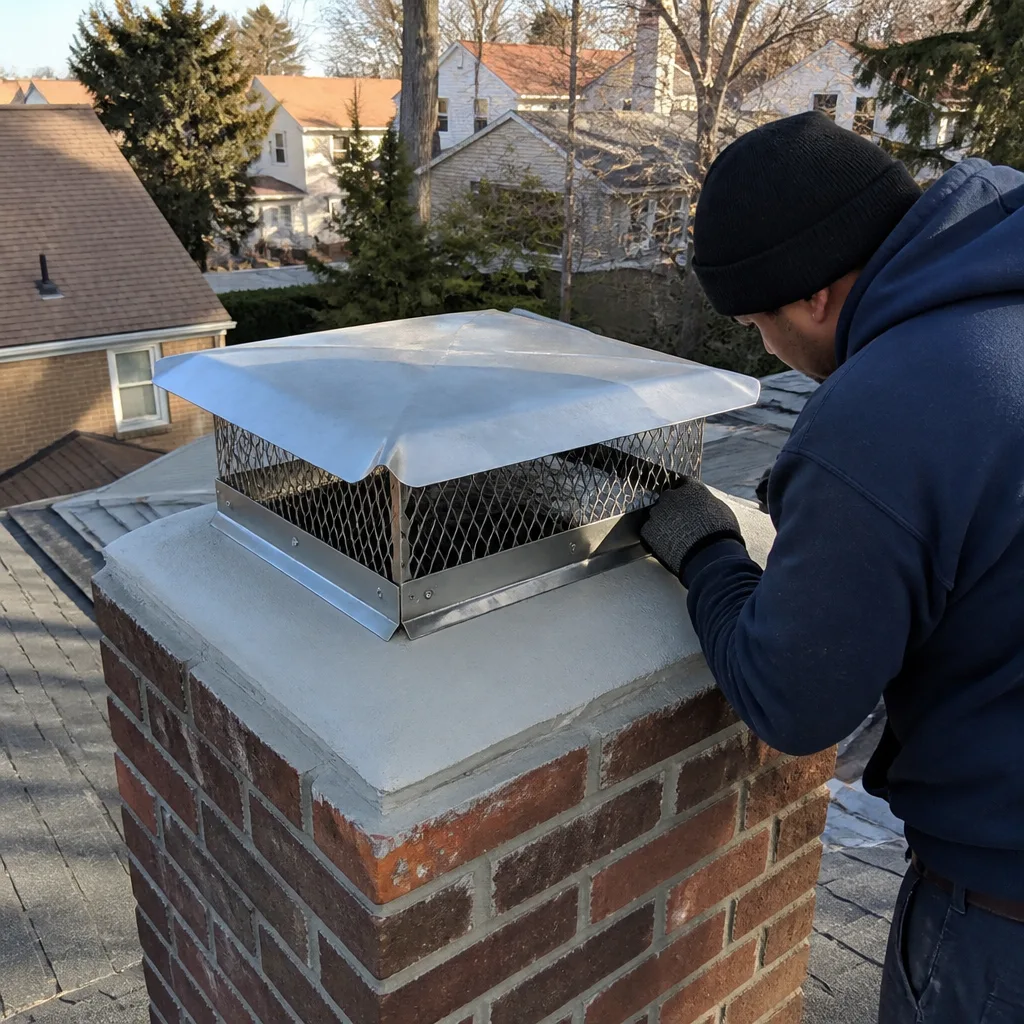 After
AfterReplacement Cost & What’s Included
A DuraFlex-compatible flue liner replacement in Queens runs from about $2,800 on the low end for a short, straight, small-diameter reline on a single-story home, up to $5,800 or more for a two-story run, an oversized flue that needs insulation, a new top plate and cap, or a liner that has to be fished through an offset smoke chamber. The spread is real and it depends on what our camera shows.
Every quote is a written, itemized price delivered before any work starts. The parts line shows exactly what liner we’re installing, the diameter, the alloy, and the brand. The labor line shows the time. There’s no “miscellaneous” fee buried at the bottom. Our 365-Day Done Right Promise applies to every liner replacement: if the repair fails within the first year, the second visit is free. That’s not something we say to close a sale; it’s the way the work is warrantied.
DIY or Call Us?
Here’s the honest split. You can open the cleanout door at the base of your chimney and look for rust flakes, standing water, or metallic debris. That inspection takes five minutes and tells you whether you need to call someone. What you shouldn’t do is drop a liner section or attempt to pull the old liner yourself. A failed liner is often snagged on mortar joints, broken damper frames, or old connector parts, and yanking on it from the roof can dislodge bricks onto your head or your neighbor’s car. Chimney liners are installed from the top down and require a trained technician with proper fall protection and the right pulling equipment.
If you’re not sure whether your liner is failing, call us at (518) 719-4643. We’ll run a camera inspection and show you the video. Tell me what you’re seeing and I’ll tell you what it actually means. If the liner is fine, we’ll say so and you owe us nothing beyond the inspection.
FAQs
A properly sized DuraFlex 316L liner typically lasts between 15 and 25 years, but Queens sees real variation: high-efficiency gas appliances that run long cycles in winter produce more acidic condensate, and that shortens liner life compared to a conventional furnace. We’ve replaced 12-year-old liners in Queens that were heavily pitted at the seams, and we’ve inspected 25-year-old liners that were still holding. The only way to know is a camera inspection. Call (518) 719-4643 to schedule yours.
Usually not. Pinholes or a single separated seam can sometimes be addressed with a patch, but that’s a temporary fix, and most failures we see in Queens involve corrosion spread across multiple sections. By the time it’s visible on camera, patching is throwing money into a liner that’s near the end. We’ll tell you plainly if repair is worth it; more often, the honest answer is replacement.
A standard single-story liner replacement with direct access takes 3 to 4 hours from roof setup to firing the appliance back up. A two-story run, an offset flue, or a chimney that needs a new crown or top plate can stretch to 6 or 8 hours. We’ll give you a time window when we book, and you’ll know the technician’s name and see their photo before we arrive.
We stock DuraFlex-compatible 316L liner sections, top plates, rain caps, and connector kits on our trucks. We also carry parts for HeatShield and Gelco systems. In most cases we don’t need a second trip. There are odd sizes we have to order, but that’s rare, and we’ll tell you before we leave if that’s the case.
Written by Ruben Castellano, Owner, Alcott Chimney Queens at Alcott Chimney Queens, serving Queens and nearby areas.