
 Gas fireplace service
 Sweep & inspection
 Caps & crowns
 Flue relining
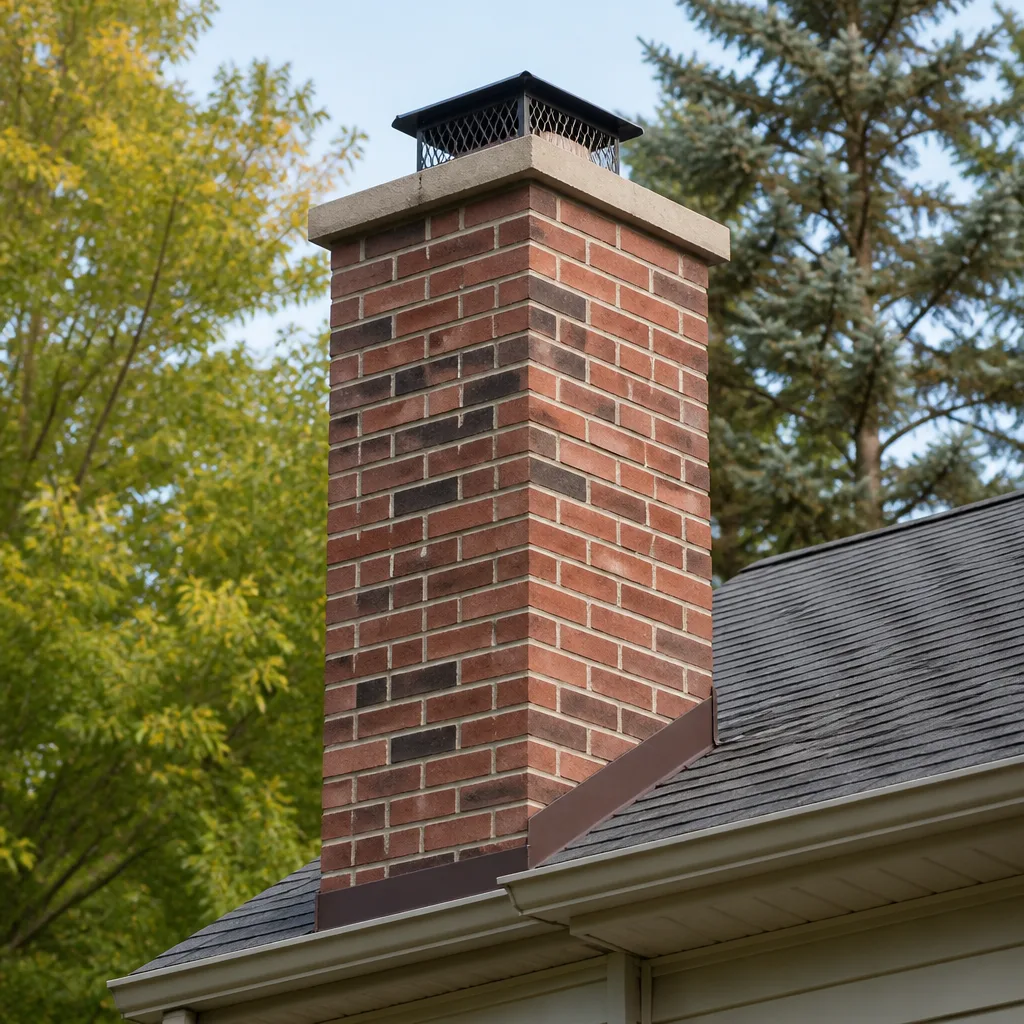 Masonry repair
Level 1 sweep and inspection to the NFPA 211 annual standard - flue, crown, cap, and flashing checked and photographed
Chimney sweep logs do not sweep chimneys. They loosen some creosote - which then falls where a brush and vacuum still have to collect it.
Why Queens Homeowners Choose HeatShield Chimney Cleaning
We provide independent HeatShield Chimney Cleaning in Queens, NY, repair, and resurfacing service across the borough, from Astoria row houses to detached homes near Flushing Meadows. Our technicians work with genuine HeatShield CeCure, Cerfractory, and Joint Repair System materials, and we’ve re-coated hundreds of flues in neighborhoods where pre-war brick and shared chimney stacks create problems a national support line can’t diagnose over the phone. We are not a HeatShield-authorized dealer, and we don’t pretend to be. What we are is a Queens chimney company that has spent years learning exactly how HeatShield products behave in this borough’s damp, freeze-thaw climate, and we’ll give you a straight read on whether your flue is a good candidate for resurfacing or needs something more.
If you’ve got a HeatShield-coated flue that’s flaking, cracked, or drafting poorly, call (518) 719-4643. Ruben Castellano and our crew will tell you what you’re actually looking at.
Why Trust Alcott Chimney Queens for Your HeatShield Chimney Cleaning?
HeatShield is a specific product family, not a generic coating. It requires specific surface preparation, specific application temperatures, and specific cure windows. Get any of those wrong and the coating fails early, which is exactly what happens when a generalist Chimney Sweep services provider decides they can “figure it out” on a Queens brownstone flue that’s been absorbing Atlantic moisture since the McKinley administration.
Ruben Castellano grew up in East Los Angeles and picked up his first trade skills at Los Angeles Trade-Technical College before moving east and building a chimney operation that now serves Queens homeowners every season. He and the crew have worked on everything from century-old row houses with Astoria Heatshield service needs to newer construction closer to Flushing Meadows, and he’s known for giving people an honest read on what their flue actually needs, not a worst-case sales pitch. That matters when you’re deciding between a HeatShield re-coat and a full stainless liner replacement. We’ve seen enough HeatShield failures in Queens to know the difference between surface flaking and structural compromise, and we’ll show you the evidence before you spend a dollar.
Every technician who arrives at your door is background-checked and identity-verified under the Threshold Standard. You’ll know the technician’s name and see their photo before we arrive, and they’ll show a photo ID badge at the door. You get a written price before any work begins, and every repair carries a written guarantee. If a repair fails within the coverage period, the second visit is free. That’s the 365-Day Done Right Promise, and it applies to HeatShield work the same as everything else we do.
Styles & brands we work with
Common HeatShield Chimney Cleaning Problems We Fix in Queens
HeatShield systems fail in predictable ways when they’re installed wrong, applied over the wrong surface, or exposed to conditions they weren’t prepped for. Here’s what we actually see in Queens flues:
- HeatShield CeCure losing bond on moisture-laden brick. This is the most common failure we walk into. CeCure is a cementitious resurfacing product, which means it needs a clean, dry, sound substrate to bond to. In poorly vented Queens flues, especially in attached row houses where the chimney stack is shared and airflow is limited, brick stays damp. The coating goes on, looks fine for a season, then starts flaking as trapped moisture pushes it off. The fix is rarely “add more CeCure.” It’s usually moisture control first: crown repair, flashing, waterproofing, then re-coat.
- Cerfractory hairline cracking at flue offsets and corbels. Cerfractory is HeatShield’s ceramic refractory sealant, designed to handle higher temperatures and minor surface sealing. But when a Queens chimney shifts through freeze-thaw cycles, which happens every winter here, the stress concentrates at offsets and corbels where the flue changes direction. Cerfractory cracks there first. It’s not a product defect. It’s what happens when you apply a thin ceramic coating to a structure that moves. We see it most often on unlined or clay-tile flues in chimneys that haven’t been repointed in decades.
- Joint Repair System shrinkage over creosote-contaminated mortar. HeatShield’s Joint Repair System is designed for mortar joints and minor cracks, but it will not bond properly to creosote. When someone applies it over a joint that hasn’t been thoroughly cleaned, the creosote acts as a barrier, and the repair shrinks and pulls away within months. We’ve opened flues in Sunnyside where the joints looked sealed from the top but were leaking smoke into the wall cavity because the previous applicator skipped the creosote removal step. You can’t short-cut surface prep on HeatShield products.
- Blistering and peeling after a nor’easter drives rain through an uncapped crown. Queens gets hit hard by coastal storms, and an uncapped or poorly flashed chimney crown sends water straight down the flue. If HeatShield is applied over brick that hasn’t been tested for moisture content, that trapped water turns to steam during the first firing and blisters the coating from underneath. We’ve seen entire resurfacing jobs peel off in sheets because nobody checked the crown first. Before we ever apply HeatShield in Queens, we check the crown, the flashing, and the moisture content of the flue.
- Re-exposure of underlying masonry after glazed creosote removal. Some flues have a thick layer of glazed creosote, the dense, shiny buildup that forms during hot fires and is notoriously hard to remove. When a previous contractor removed the creosote but didn’t deal with the spalled or crumbling clay tile underneath, then applied HeatShield over a rough surface, the coating started failing within a year. The real problem was the underlying flue condition, not the HeatShield. We strip failing parging, remove glazed creosote properly, and only then evaluate whether HeatShield is the right call.
On a 1920s row house off Jamaica Avenue, our tech found the clay flue tiles spalling badly and the homeowner desperate to avoid a $9,000 rebuild. After a Level 2 inspection confirmed no structural compromise, we stripped the failing parging, removed a thick layer of glazed creosote, then applied HeatShield CeCure in three passes with proper cure time between coats. Six months later, a re-inspection showed the coating bonded tightly and the flue drafting at full capacity, all for about a third of the rebuild cost. That’s the right application of HeatShield, done on a flue that was actually a good candidate for it.
HeatShield Parts & Our Repair-vs-Replace Approach
We use genuine HeatShield materials: CeCure, Cerfractory, HeatShield primer, and the Joint Repair System. Mixing other refractory products into the system voids performance and leaves a patchwork finish that fails unevenly. If a flue has been partially coated with a different product, we’ll tell you, and we’ll explain what it means for the life of the repair.
Our repair-vs-replace stance is simple. We repair rather than replace whenever the underlying flue liner is structurally sound. If the damage exceeds HeatShield’s maximum repair depth, we say so plainly and recommend a stainless liner or full rebuild instead of overcoating. We won’t sell you a HeatShield re-coat on a flue that needs a DuraFlex stainless liner, and we won’t sell you a liner when HeatShield will do the job. The decision comes down to what the camera shows us and what the moisture readings tell us. If you want to talk through your options before committing, call (518) 719-4643 and we’ll walk you through it.
Our HeatShield Service Process – Step by Step
- 1
Diagnosis. We run a Level 2 inspection with a camera system, checking the existing coating bond, the condition of the underlying liner or masonry, the crown, the flashing, and the moisture content of the flue. In Queens, where shared chimney stacks are common in Astoria and Sunnyside, we also check for cross-flue damage between units. Tell me what you’re seeing and I’ll tell you what it actually means.
- 2
Surface preparation. Any existing creosote, parging, or failed coating is removed. For HeatShield to bond, the surface has to be clean and dry. We test moisture content, and if it’s too high, we stop and address the water intrusion first, because applying HeatShield to a wet flue in Queens is a guarantee of early failure.
- 3
HeatShield application. We apply CeCure, Cerfractory, or the Hybrid System in the passes specified by the product, with proper cure time between coats. HeatShield has application temperature windows, and we schedule work accordingly. We don’t force a cure with heat, and we don’t cut corners on drying time.
- 4
Verification and test. After the final coat cures, we run the camera again to verify complete coverage and proper thickness. Then we do a draft test to confirm the flue is pulling smoke the way it should.
- 5
Written guarantee. Every HeatShield repair carries our written guarantee. If the repair fails within the coverage period, the second visit is free. That’s the 365-Day Done Right Promise, in writing, before you pay.
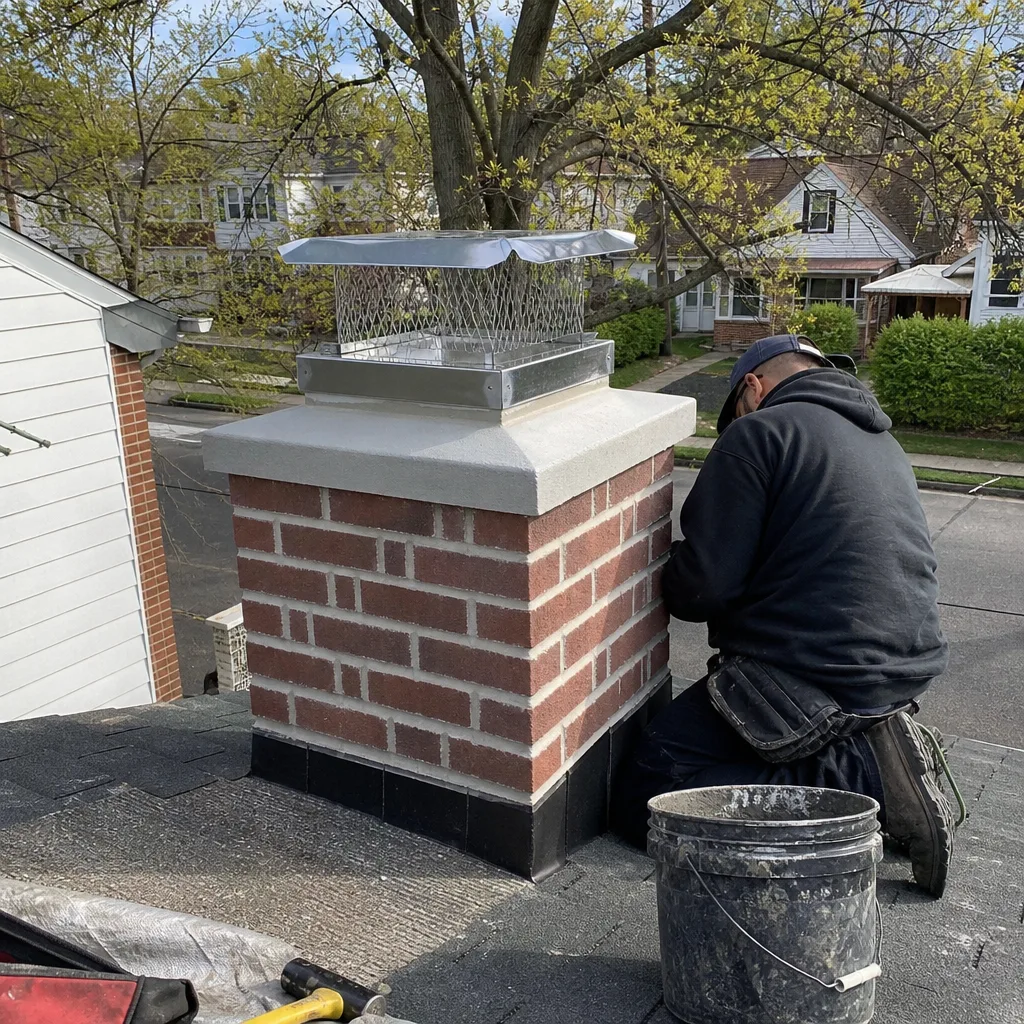
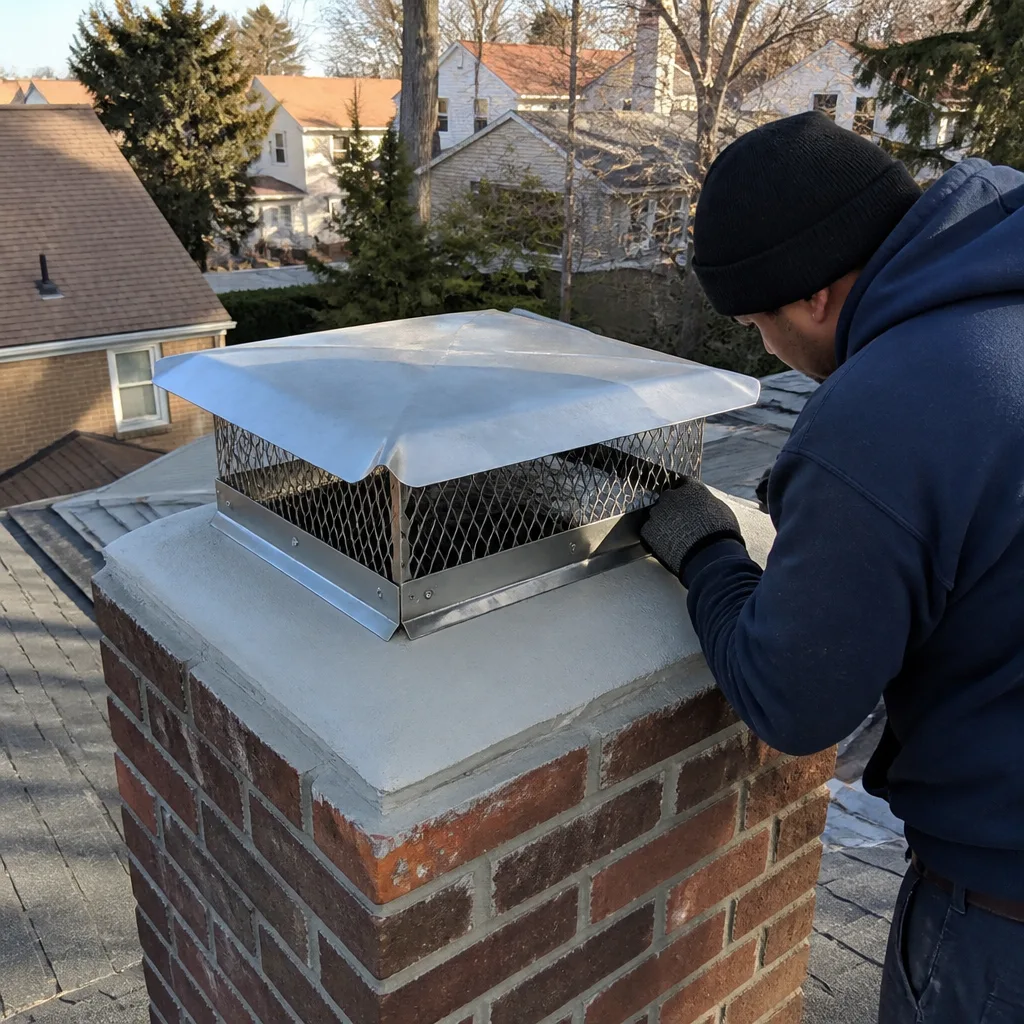
See the difference
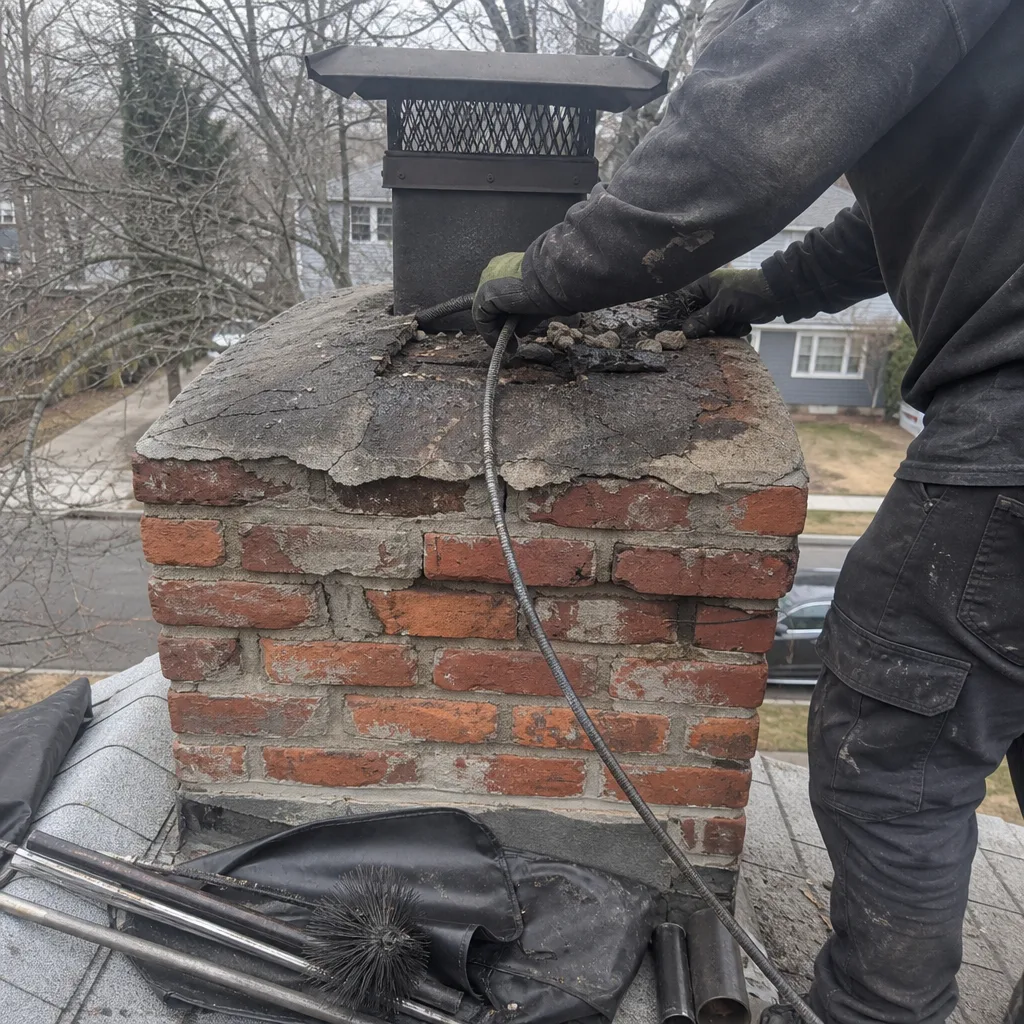 Before
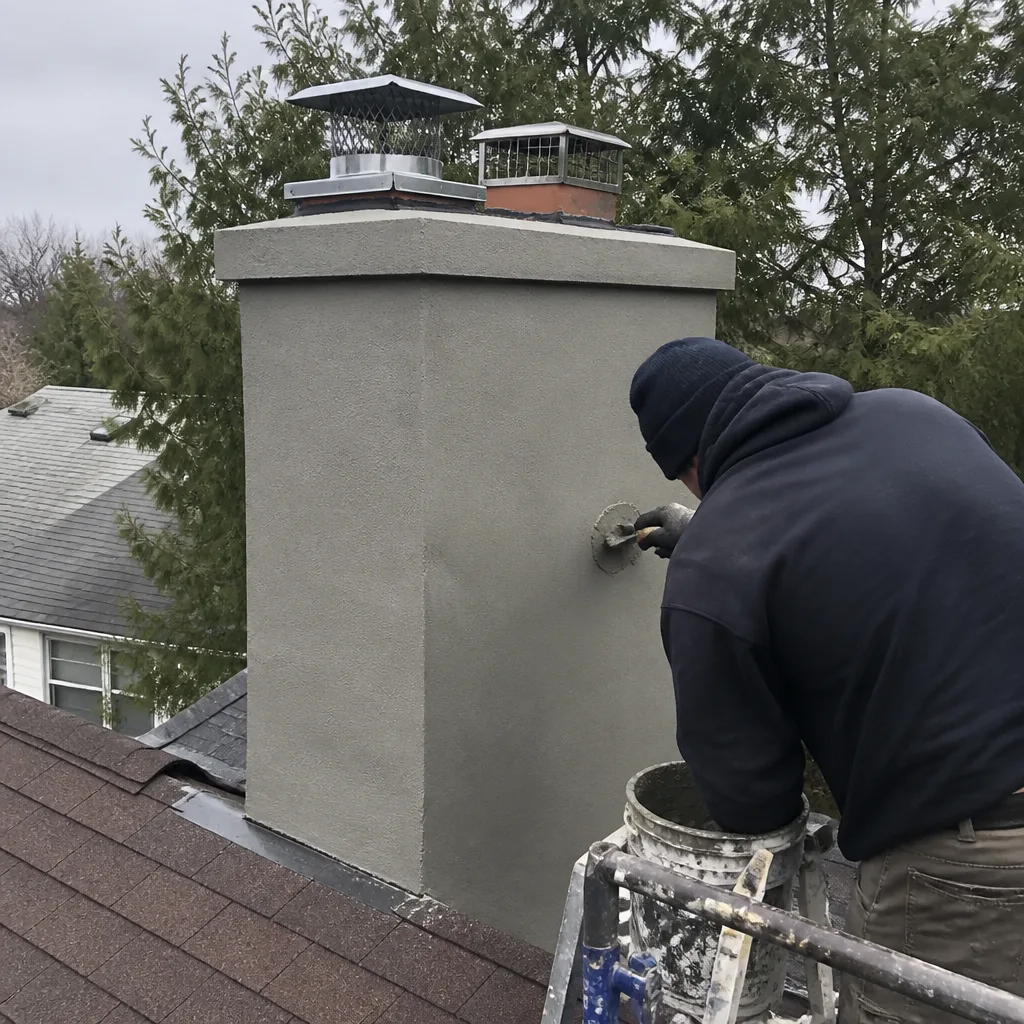 After
After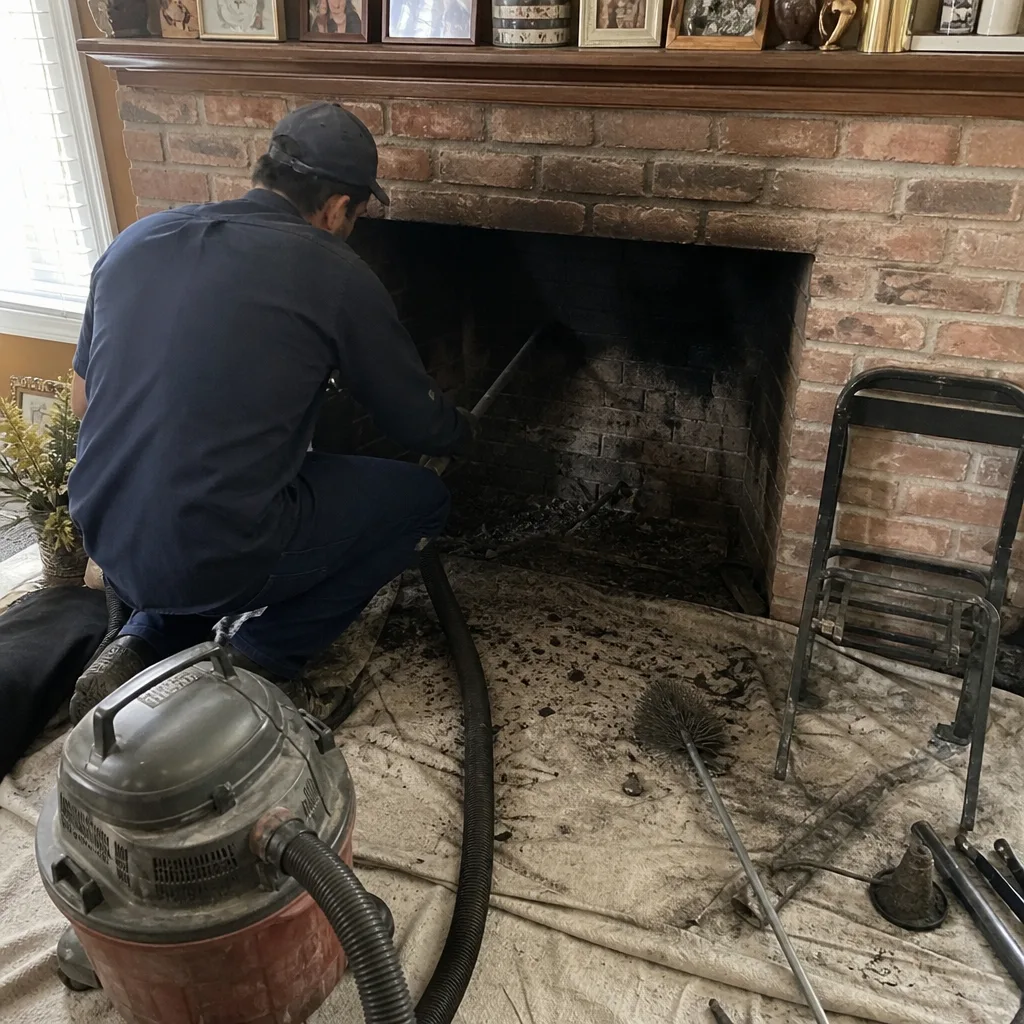 Before
 After
After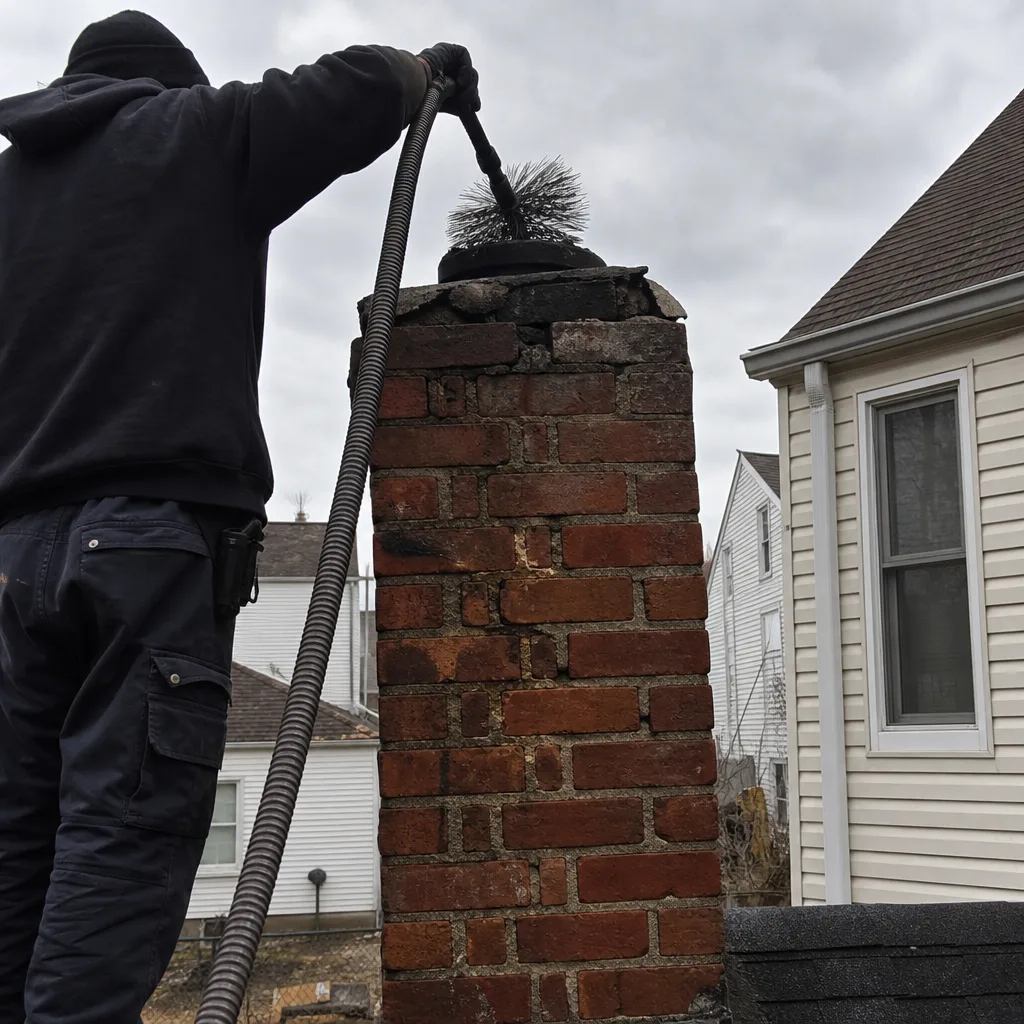 Before
 After
AfterHeatShield Products We Service & Install in Queens
We work with the full HeatShield product line:
- HeatShield CeCure. The cementitious resurfacing system used to repair spalled or deteriorating clay tile flues and parging. We stock CeCure for common residential flue sizes.
- HeatShield Cerfractory. The ceramic refractory sealant used for smaller surface repairs, hairline cracks, and sealing applicator access points. We use Cerfractory in conjunction with CeCure on most full resurfacing jobs.
- HeatShield Joint Repair System. For mortar joints and minor cracks in flues that don’t require full resurfacing. We stock this for targeted repairs.
- HeatShield Hybrid System. The combined CeCure and Cerfractory system used for severe damage that requires both structural repair and surface sealing. This is the system we most often specify for Queens pre-war chimneys with spalling tile and cracked mortar joints.
We keep genuine HeatShield primer and application materials stocked locally, which means faster turnaround on Queens jobs, especially during the fall and early winter rush when every homeowner in the borough is trying to get their fireplace working before the first real cold snap.
We Also Service These Brands
HeatShield is one good system, but it’s not the only one. We also install and service DuraFlex stainless steel liner systems and Gelco chimney products. If a HeatShield re-coat isn’t the right answer for your flue, we’ll tell you what is, whether that’s a liner or a different repair approach.
FAQs – HeatShield Chimney Cleaning Service in Queens
No. We are an independent HeatShield service provider. We are not an authorized dealer, and we’ve never claimed to be. What we are is a Queens chimney company that has repaired and re-coated hundreds of HeatShield systems and knows the product’s application windows, surface-prep requirements, and failure modes better than most. We use genuine HeatShield materials because they work, not because HeatShield pays us to.
Yes. We use genuine HeatShield CeCure, Cerfractory, Joint Repair System, and HeatShield primer on every HeatShield job. We don’t substitute other refractory products, because mixing materials voids the system’s performance and leaves a patchy finish that fails unevenly. If you’ve had a previous contractor apply a different product over your HeatShield, we’ll identify it and explain what it means for your flue.
A standard HeatShield cleaning and inspection in Queens takes about one to two hours. A full CeCure resurfacing job takes longer, usually two to four hours of application time spread across multiple coats with cure time between, which can mean a full day or a return visit depending on weather conditions. Queens humidity slows cure times, and we don’t rush it. Call (518) 719-4643 for a time estimate on your specific job.
We service all four HeatShield product lines: CeCure, Cerfractory, Joint Repair System, and the Hybrid System. We also work on flues that have had partial or failed HeatShield applications from other contractors and need remediation before re-coating.
Using an independent provider generally won’t void a HeatShield warranty, but mixing non-HeatShield materials into the system can. We use genuine HeatShield materials exclusively, which keeps the system’s performance characteristics consistent. We recommend checking your specific warranty terms, and we’ll document everything we do so you have a record if you ever need to make a claim.
HeatShield chimney cleaning in Queens typically costs $250 to $450 for a standard sweeping and inspection, depending on flue condition and creosote buildup. Full HeatShield CeCure resurfacing runs $2,500 to $5,500 for a typical Queens single-flue chimney, with Hybrid System jobs at the higher end. These are real numbers, not teaser prices. We give you a written price before any work begins, and that price doesn’t change unless we find something that genuinely changes the scope. Call (518) 719-4643 for an exact quote. Estimates are free.
Generally, no. HeatShield is designed as a resurfacing product for masonry flues and clay tile liners. If you have a stainless steel liner already installed, HeatShield isn’t applied to the liner itself. The relevant question is whether the liner is still sound. If it is, you don’t need HeatShield. If it isn’t, you may need a liner replacement, not a resurfacing product.
That pattern usually points to moisture intrusion from above. The top of the flue is exposed to rain, snow, and the freeze-thaw cycle, and if the crown is cracked or the flashing is loose, water gets into the masonry right where the coating is failing. The coating flakes because the brick underneath is wet. The fix is crown repair or replacement and possibly waterproofing, then re-coating once the area dries out. Coating over it without fixing the water problem is throwing money away.
HeatShield has specific application temperature windows. Cold weather applications fail early because the product doesn’t cure properly. For Heatshield repair in New York, we typically schedule work from late spring through early fall, though mild winter days can sometimes work depending on the specific product and the flue’s temperature. We won’t apply HeatShield outside the manufacturer’s specified temperature range, even if it means rescheduling. A failed application costs you more than waiting a few weeks.
With proper surface preparation and moisture control, HeatShield CeCure on a wood-burning flue should last 15 to 20 years in Queens’s climate. The variables are creosote management, crown integrity, and how hot and how often you burn. If you burn green wood and skip annual cleanings, the coating degrades faster. If the crown fails and water gets in, the coating fails quickly regardless of application quality. We recommend an annual inspection to catch problems early.
Yes. All of it. HeatShield will not bond to creosote, whether it’s fluffy first-degree creosote or glazed third-degree creosote. Anything left on the surface acts as a barrier, and the coating will peel or shrink within a year. We do a full creosote removal before any HeatShield application, and we document the flue condition with camera footage so you can see the surface before we coat it.
Book Your HeatShield Service in Queens, NY
If your HeatShield flue is flaking, cracked, or just hasn’t been looked at in a few years, call us. We’ll send a background-checked, identity-verified technician whose name and photo you’ll have before they arrive. You’ll get a written price before work begins, and a written guarantee on the repair. Call (518) 719-4643 for a free estimate.
Written by Ruben Castellano, Owner at Alcott Chimney Queens, serving Queens since 2002.