
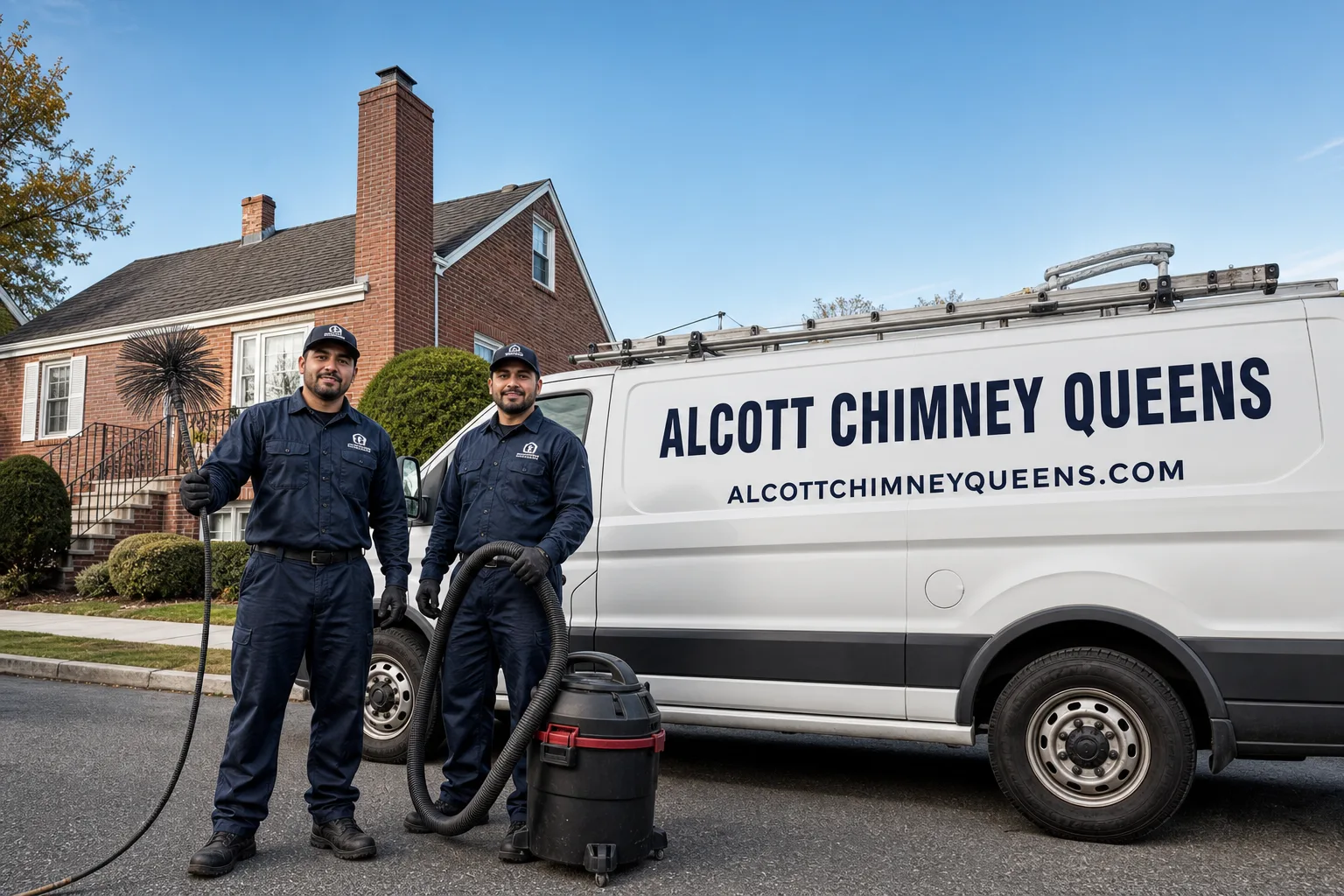
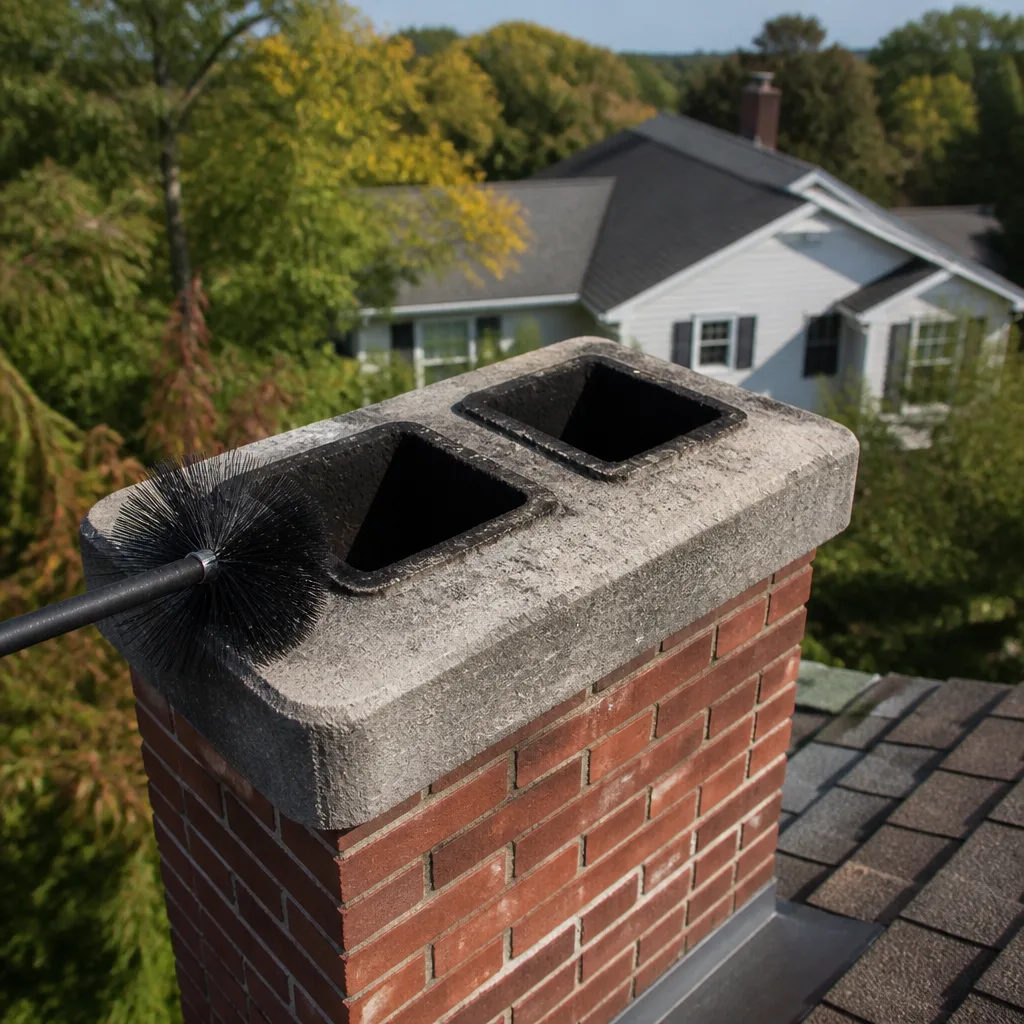
 Sweep & inspection
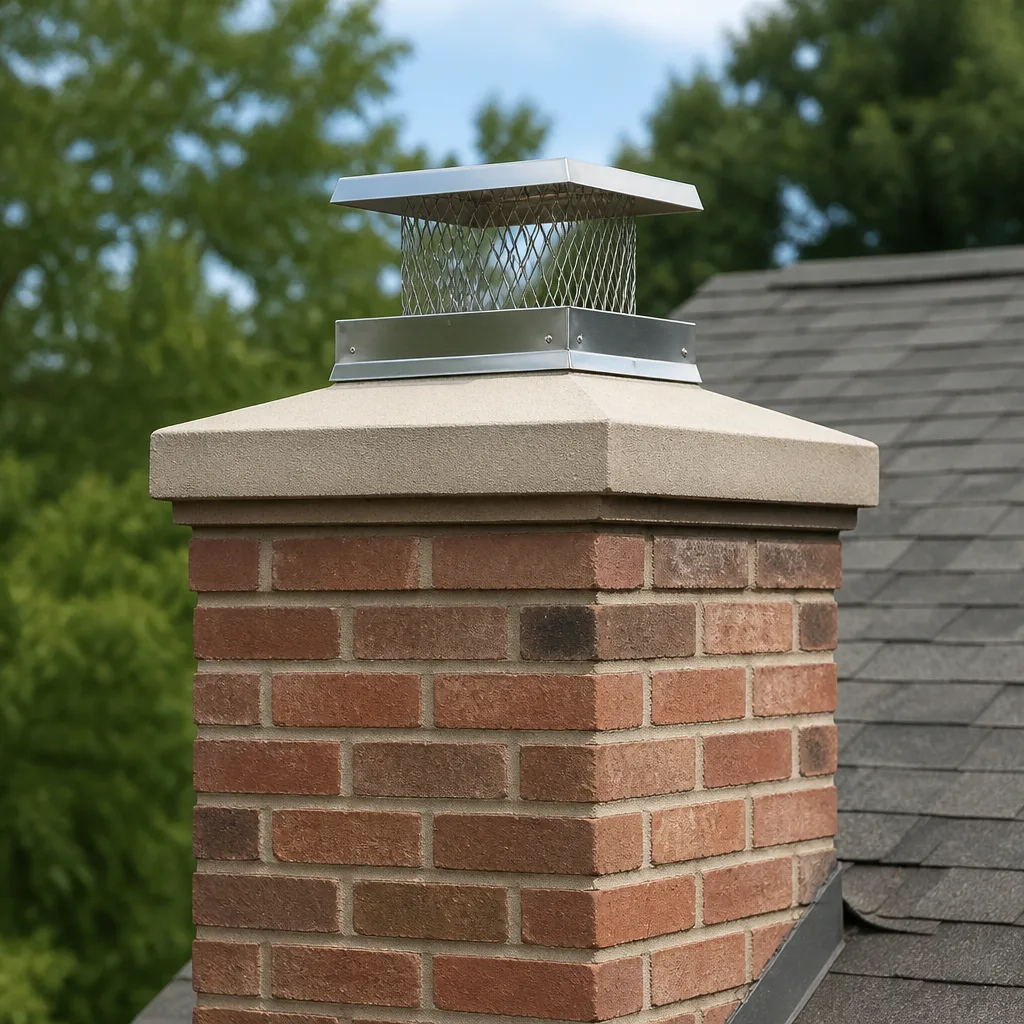 Caps & crowns
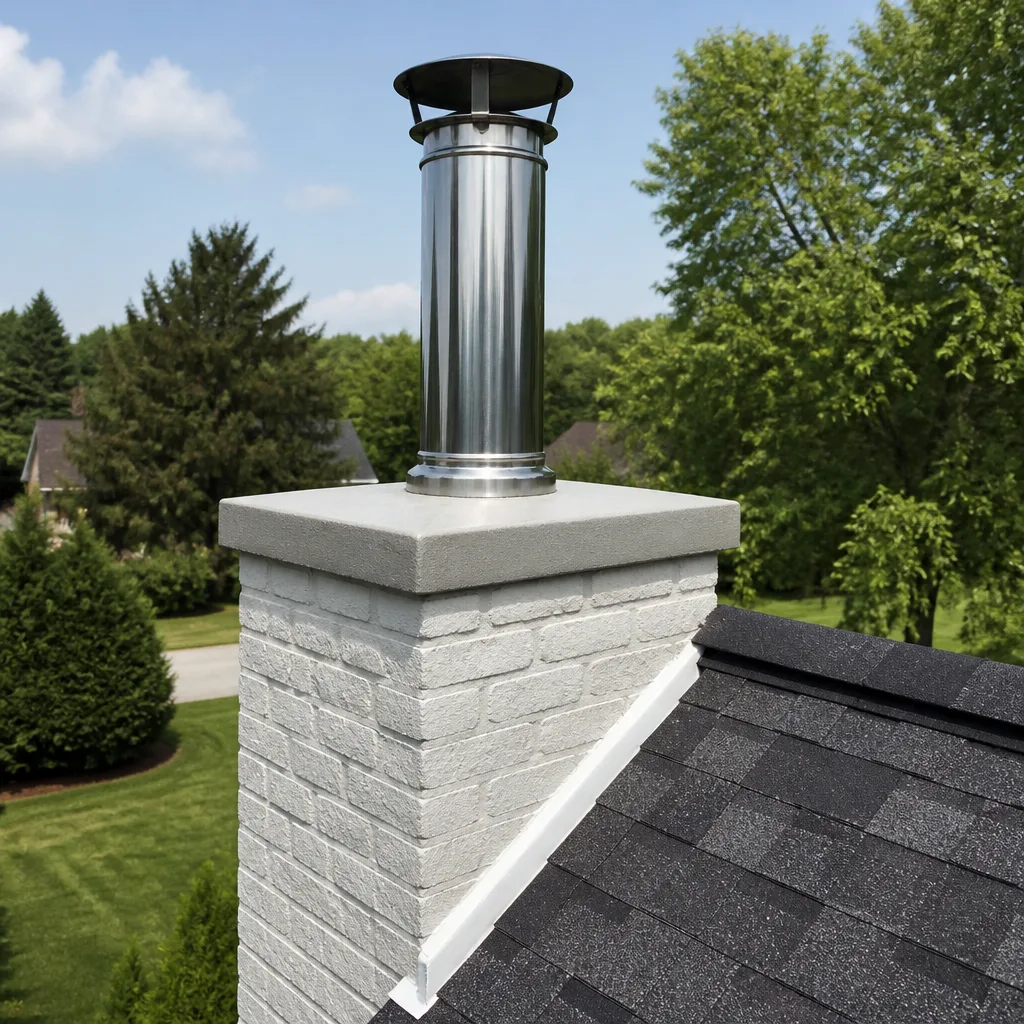 Flue relining
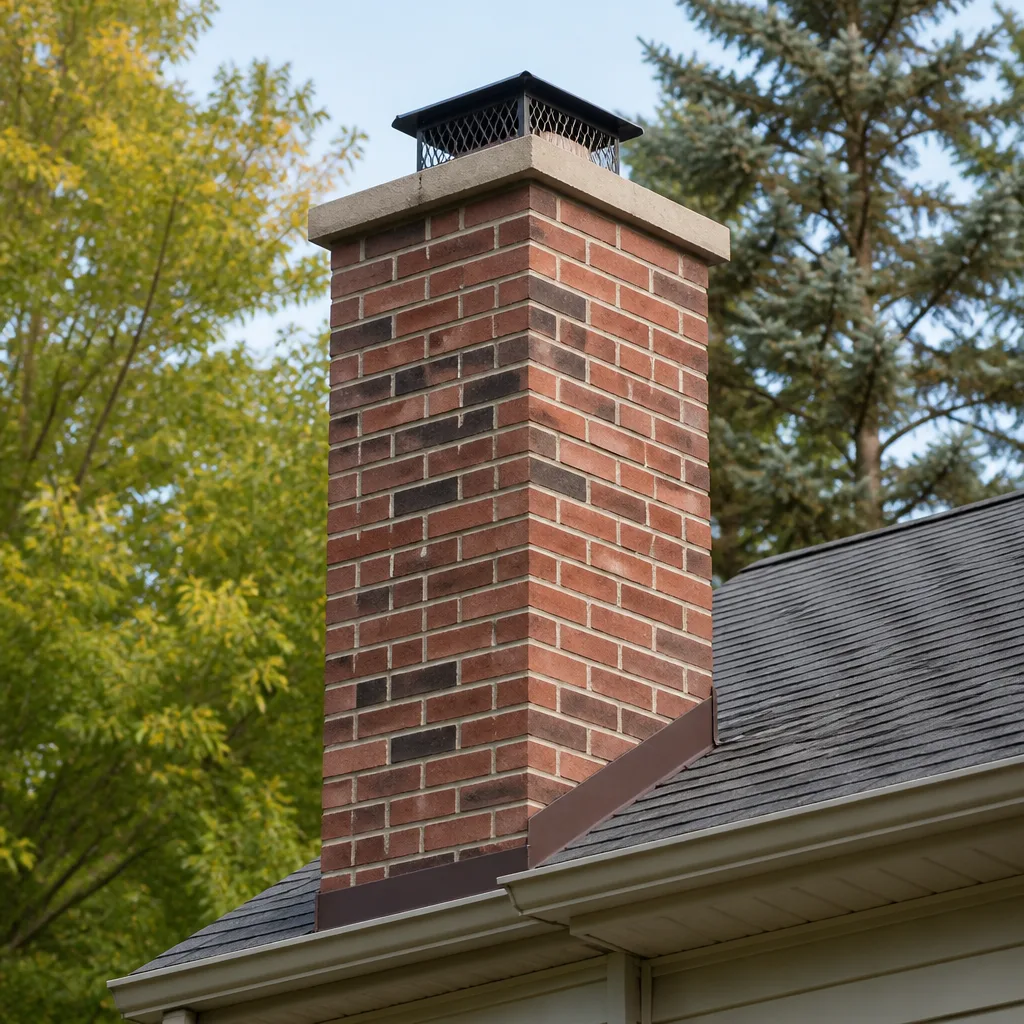 Masonry repair
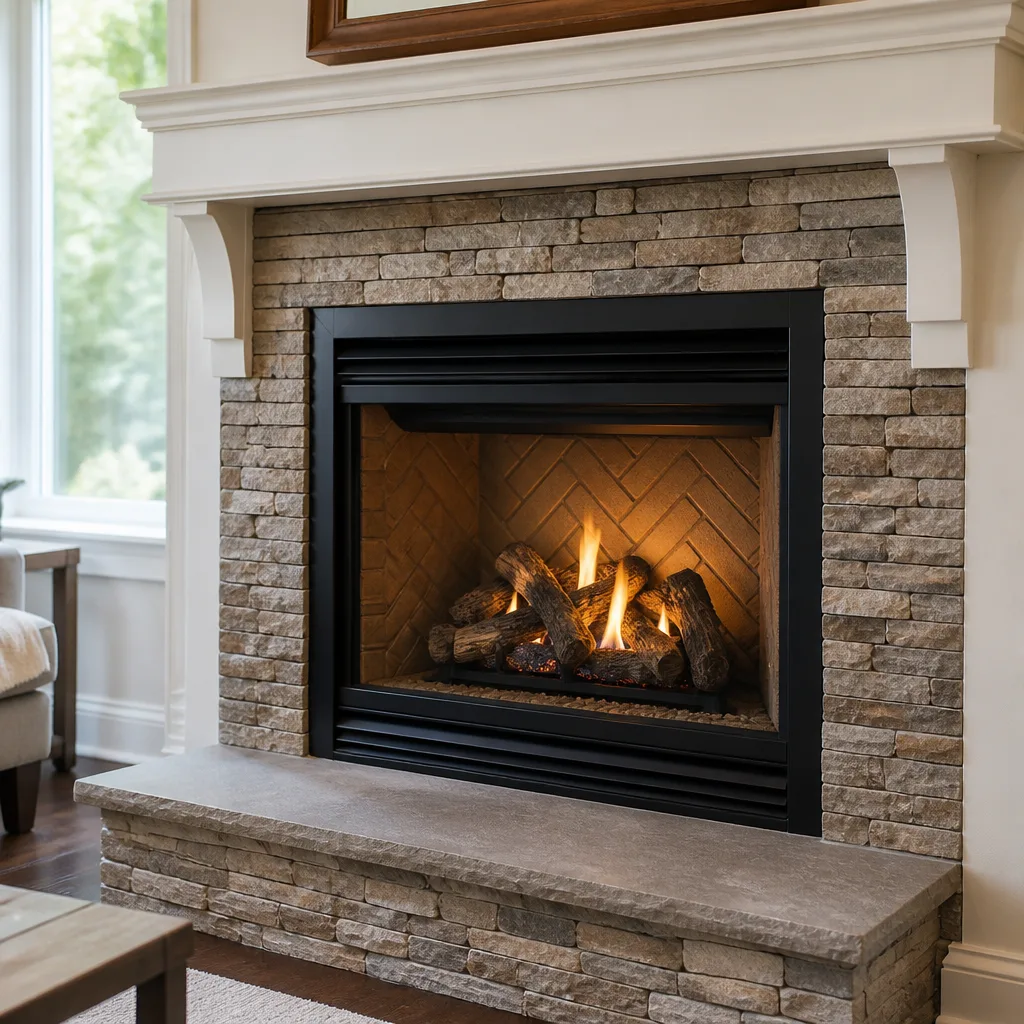 Gas fireplace service
Level 1 sweep and inspection to the NFPA 211 annual standard - flue, crown, cap, and flashing checked and photographed
Chimney sweep logs do not sweep chimneys. They loosen some creosote - which then falls where a brush and vacuum still have to collect it.
Styles & brands we work with
See the difference
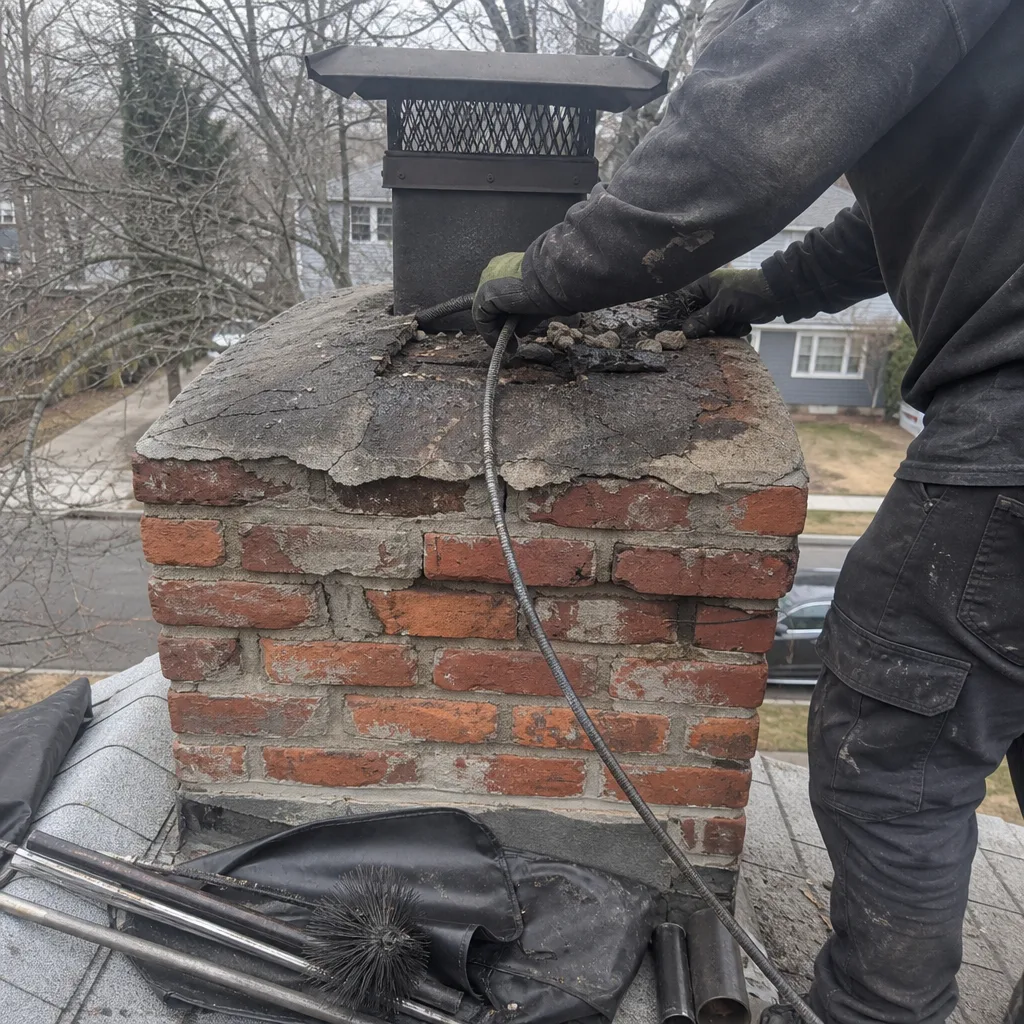 Before
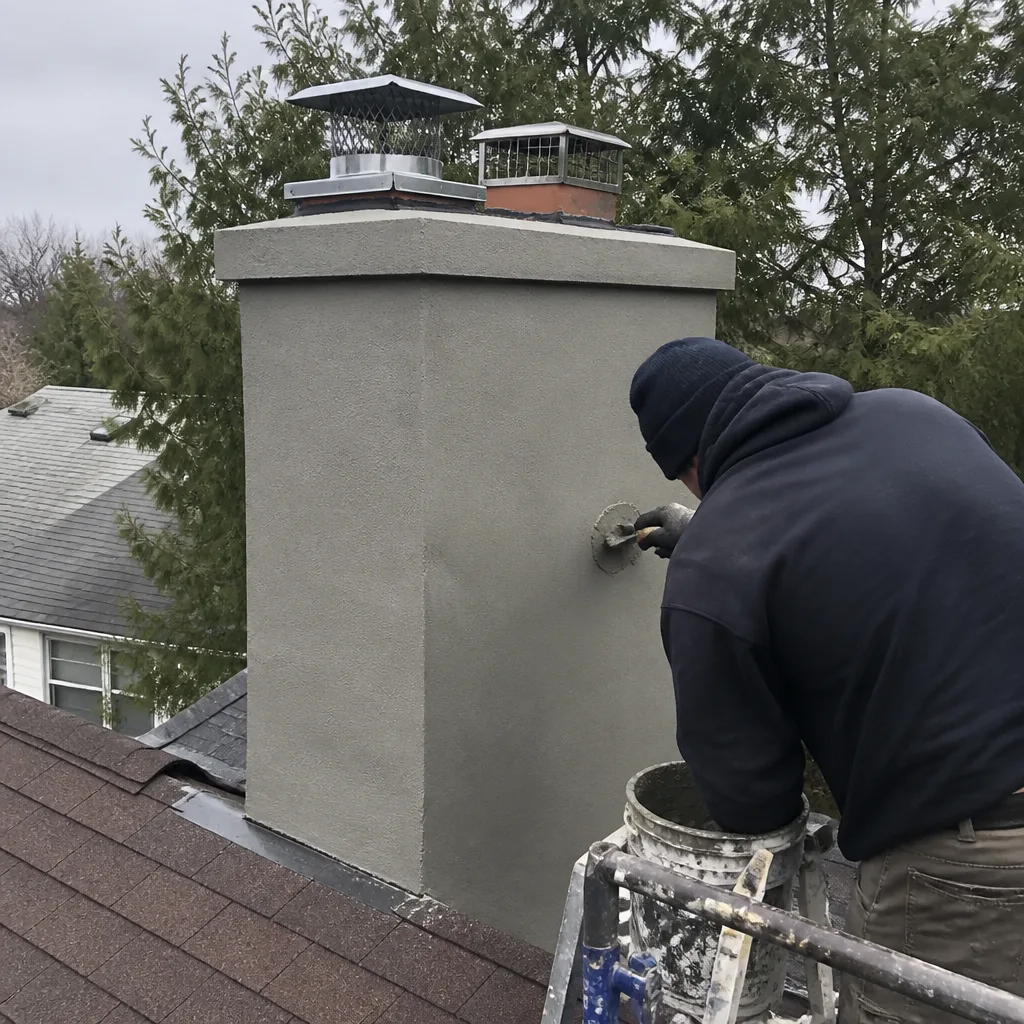 After
After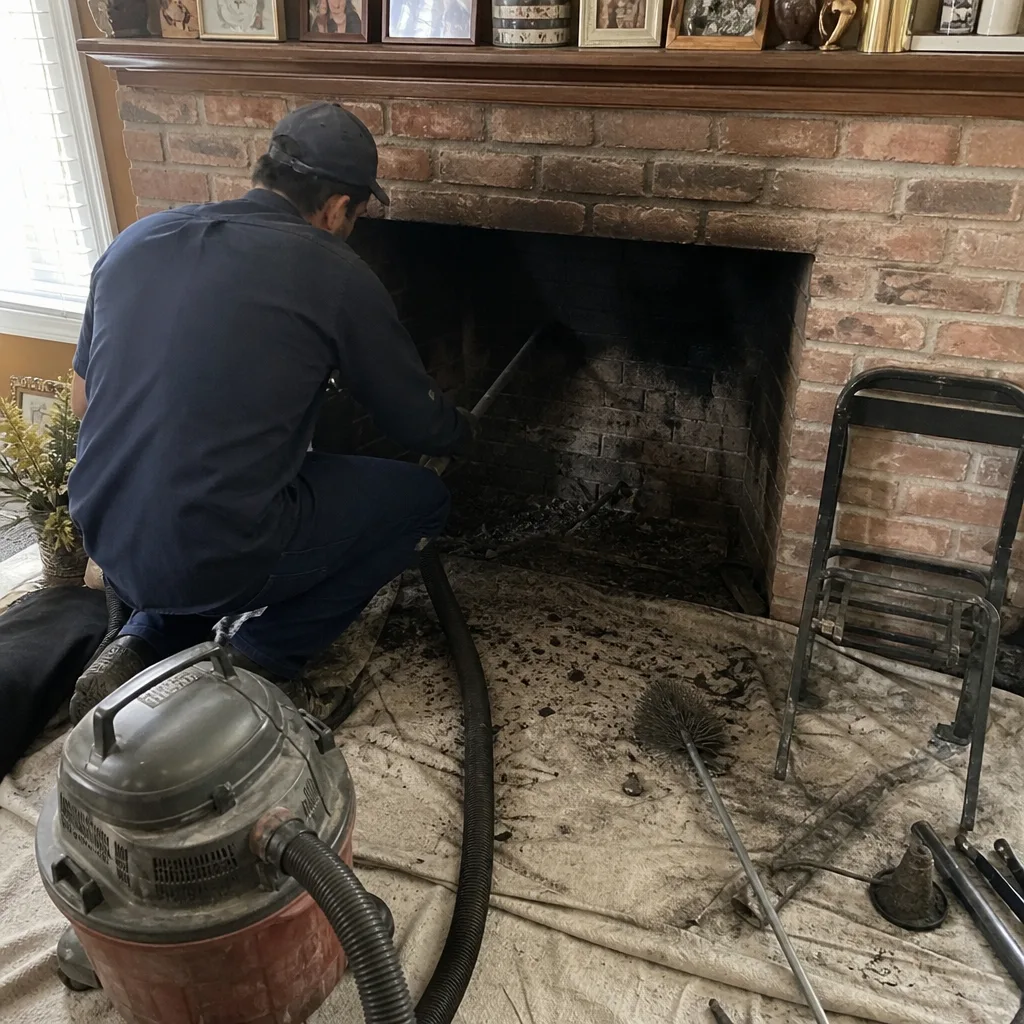 Before
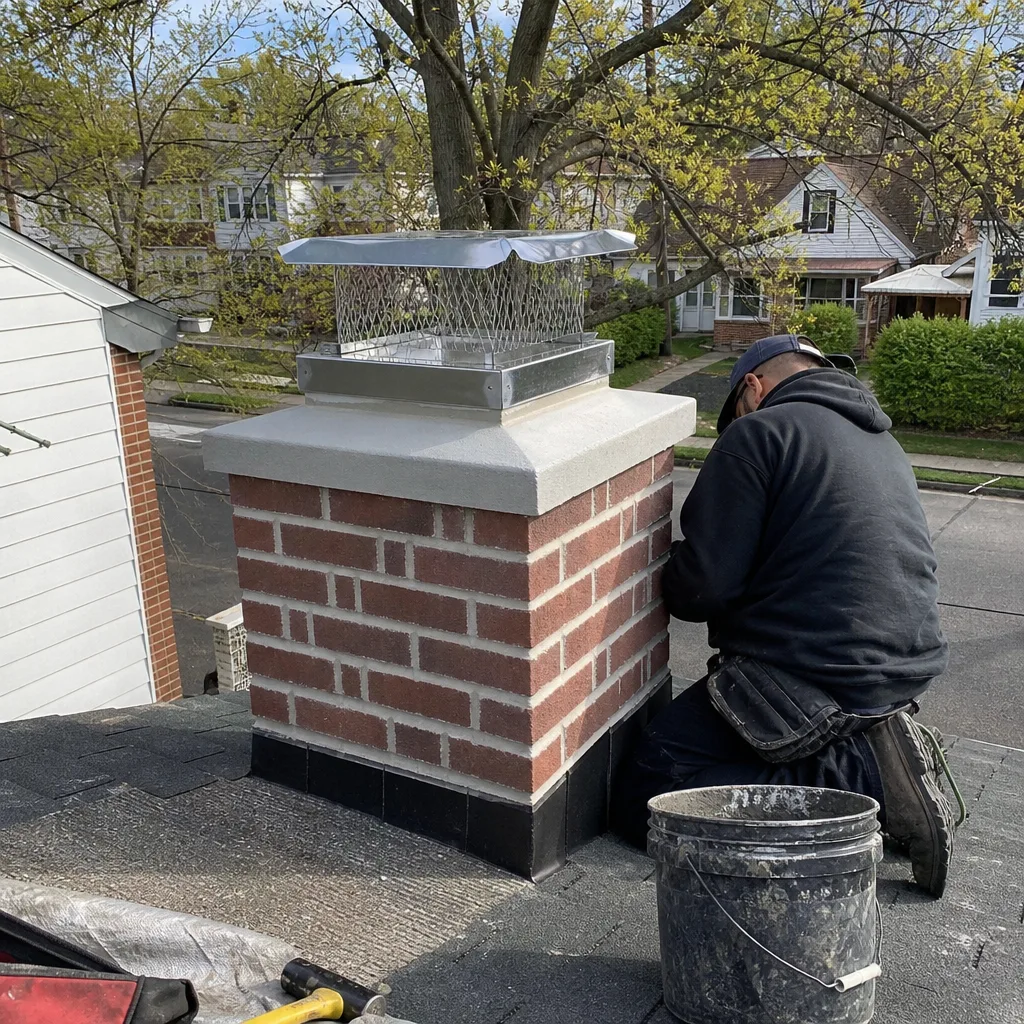 After
After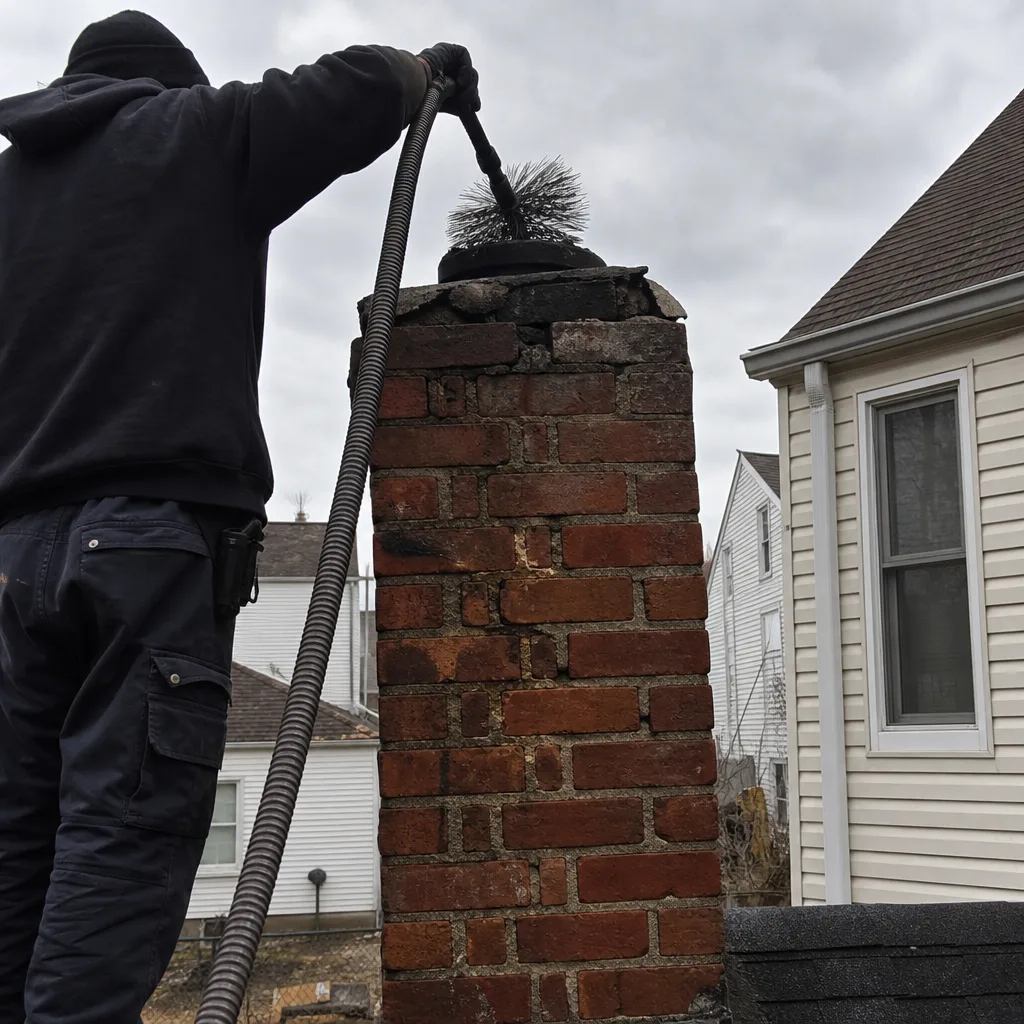 Before
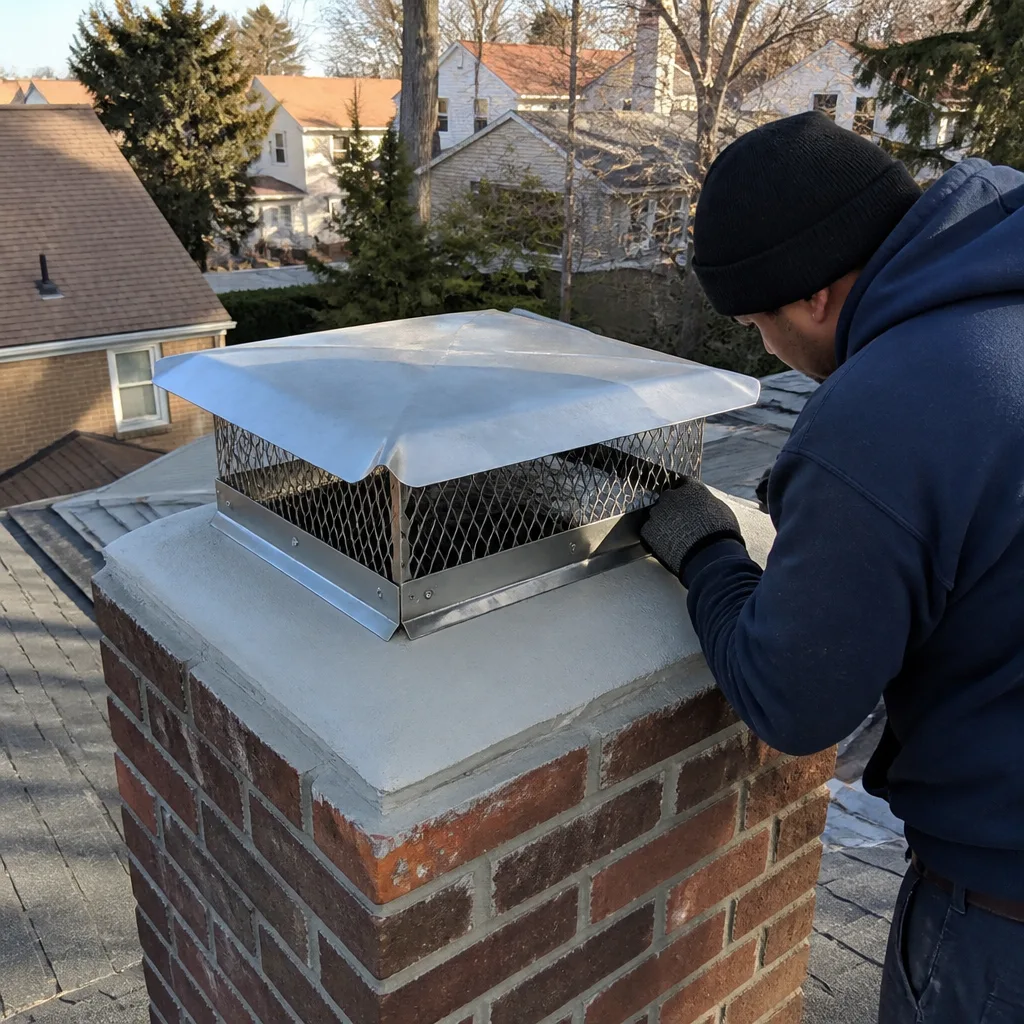 After
AfterHow Much Does Chimney Cap & Crown Cost in Queens?
Chimney cap and crown work in Queens typically runs $185 to $1,850 depending on what’s needed. A basic stainless steel cap installation averages $285 to $520, while a chimney crown rebuild usually lands between $950 and $1,850. Most Queens homeowners pay somewhere around $650 when both components need attention.
Those are the real numbers we see in this market, not national averages pulled from a database. Queens has specific conditions, older housing stock, row houses with shared chimneys, coastal humidity that accelerates masonry wear, that push prices toward the higher end of what you’ll read online.
At Alcott Chimney Queens, we’ve been servicing chimneys across the borough since 2002. Every job gets a written price before we touch a single brick, and every crown or cap repair carries our 365-Day Done Right Promise in writing. If it fails within a year, we come back and fix it free. That’s the deal, stated plainly.
Chimney Cap & Crown Cost Breakdown (2026)
Here’s what you can expect to pay in Queens this year, broken down by the specific job. These ranges reflect the borough’s housing mix, from prewar brick row houses in Astoria to detached Colonials in Bayside.
| Service | Typical Queens Price Range | What’s Included |
|---|---|---|
| Standard stainless steel chimney cap (single flue) | $185 to $420 | Cap, screen, installation, sealant |
| Custom stainless steel cap (multi-flue or odd dimensions) | $420 to $850 | Custom fabrication, installation, hardware |
| Copper chimney cap | $650 to $1,400 | Copper cap, installation, fasteners |
| Chimney crown repair (minor cracks, resealing) | $285 to $680 | Crack filling, sealant, surface prep |
| Full chimney crown rebuild | $950 to $1,850 | Demolition of old crown, new concrete crown, curing time |
| Cap + crown replacement together | $1,100 to $2,200 | Both components, full inspection before and after |
Those numbers include labor. We don’t play the game of quoting a low number for parts and then stacking “labor fees” on at the end. The price you see before we start is the price you pay when we finish. It’s written down, on paper, before any work begins.
What pushes a job toward the top of those ranges? A few things. Queens has a lot of older homes, and chimneys built in the 1920s and 1930s rarely have standard dimensions. That means custom cap fabrication, which costs more than an off-the-shelf piece. Roof access matters too. A two-story row house in Ridgewood with a flat rubber roof is usually easier to reach than a steep-pitched roof in Douglaston, and steep pitches mean more setup time, more safety equipment, more labor hours.
The crown is the concrete slab that sits on top of the chimney, sealing the gap between the flue liner and the outer brick. When it cracks, which is common in Queens because freeze-thaw cycles work on concrete like a crowbar, water gets in and starts doing real damage. We see it all the time in College Point and Whitestone, where salty air from the East River and Long Island Sound accelerates masonry spalling.
What Affects Chimney Cap & Crown Pricing in Queens
- Roof accessibility and pitch. A flat roof in Astoria is simple to work from. A 12/12 pitch in Bayside Hills requires harnesses, roof brackets, and more time. That labor difference shows up in the price.
- Number of flues. Single-flue caps are standard stock. A chimney serving a furnace and a fireplace, two flues side by side, needs a wider cap, sometimes a custom piece fabricated to order.
- Masonry condition around the crown. If the top three courses of brick are spalled or loose, we have to address that before a new crown goes on. No one wants a new crown sitting on crumbling brick.
- Material choice. Stainless steel is the workhorse, durable and sensibly priced. Copper costs more but lasts decades longer and looks sharp on certain architectural styles, especially the Tudor and Mediterranean Revival homes you see in Forest Hills Gardens.
- Chimney height and flue liner condition. A tall chimney on a three-story house in Flushing takes longer to work on. If the clay flue liner is cracked or missing sections, the cap alone won’t solve the problem, and the scope grows.
- Permit requirements. Most cap and crown work in Queens doesn’t require a DOB permit, but certain situations, especially landmarked districts like parts of Jackson Heights or Douglaston, can trigger additional approval steps that add time.
How to Save on Chimney Cap & Crown
You don’t save money on chimney work by finding the cheapest bid. You save money by catching problems before they compound, and by working with a company that gets it right the first visit so you’re not paying for a second repair six months later.
Here’s what actually works in Queens:
- Inspect twice, pay once. A chimney inspection costs a fraction of a crown rebuild. If you’re seeing water stains on the ceiling near the chimney, or noticing bits of concrete on the roof, get it looked at now. A small crack sealed today is a $300 job. A cracked crown ignored for two winters becomes a $1,600 rebuild plus whatever interior water damage got done along the way.
- Bundle the work. If you need a cap and the crown has seen better days, doing both in one visit saves on mobilization and setup costs. We charge less for combined work because we’re already up there with the tools.
- Get the written guarantee in hand. Alcott’s 365-Day Done Right Promise means the repair is covered for a full year. If something fails within that window, the second visit is free. That’s real money saved compared to a company that gives you a handshake and a vague “call us if anything goes wrong.”
- Ask for the written price before work starts. This is non-negotiable with us and it should be non-negotiable for you with any contractor. A written price eliminates surprise charges. If a company won’t put it in writing, walk away.
- Don’t DIY a crown repair. Concrete work on a roof is genuinely dangerous. A slipped foot on a sloped surface, a dropped trowel from three stories up, the risk isn’t worth the $500 you think you’re saving. A proper crown pour also requires specific curing conditions, and getting the slope right so water sheds properly is an actual skill. Call a professional, and if you want to know what to look for before they arrive, we’ll walk you through it. Just call (518) 719-4643.
Why Queens Chimneys Need More Attention Than Most
Queens isn’t like other markets. The housing stock is old, the weather is aggressive on masonry, and the roof configurations range from simple to genuinely tricky. Here’s what we see on a weekly basis.
Freeze-thaw cycling. Queens winters aren’t brutal by upstate standards, but temperatures hover right around freezing more often than people realize. That’s the worst case for concrete and brick. Water seeps into tiny cracks, freezes overnight, expands, and the cracks grow. Do that 40 times in a winter and a hairline crack becomes a structural gap. Crowns take the brunt of it because they sit flat and horizontal, the perfect surface for water to pool if the slope wasn’t done right originally.
Salt air and coastal humidity. Homes in Howard Beach, Broad Channel, and the Rockaways sit close enough to the water that salt mist works on metal components year-round. Stainless steel caps hold up well, but the fasteners and mesh screens need to be corrosion-resistant grades. We install professional trade brands, Copperfield and Olympia Chimney among them, specifically because their stainless formulations are built for coastal environments. The box-store import caps won’t last five years out there.
Shared chimneys in row houses. Queens has thousands of attached and semi-attached row houses, particularly in Woodside, Sunnyside, and Maspeth. Shared chimneys mean shared responsibility between neighbors, but also shared access issues. When we work on a row house chimney, we’re often coordinating around parapet walls, party walls, and roof hatches that haven’t been opened in a decade. It’s doable, it just takes more care and more time than a detached home.
Historic districts and landmark requirements. Jackson Heights, parts of Douglaston, and sections of Forest Hills and Kew Gardens fall under landmark or historic district oversight. That can mean specific material requirements for caps, restrictions on visible alterations, and additional paperwork. We’ve done enough landmarked work in Queens to know the drill, but it’s something to know before you’re surprised by it.
What Does a Chimney Cap Actually Do?
The cap is the metal lid over the flue opening. It does three jobs, and all three matter in Queens specifically.
First, it keeps rain out. An uncapped flue is a direct channel for water into the interior of the chimney, where it mixes with creosote, the tar-like byproduct of wood burning, and creates an acidic slurry that eats mortar joints from the inside. We see this constantly in neighborhoods with active fireplace use, places like Bayside and Little Neck where wood-burning fireplaces are common features.
Second, it keeps animals out. Squirrels, raccoons, and birds love an open flue as a nesting site. Queens squirrels are resourceful. Once a nest is established, the removal and cleaning cost often exceeds the price of the cap that would have prevented it.
Third, it arrests sparks. On a windy day in the Rockaways or along the waterfront, embers can travel. A properly fitted cap with the right mesh size handles this. This is also the reason we don’t recommend the cheapest caps with wide mesh, they defeat the purpose.
What Does a Chimney Crown Actually Do?
While the cap covers the flue opening, the crown is the concrete slab that seals the entire top of the chimney structure. It’s the roof of the chimney, in a sense. A good crown overhangs the brick edges slightly, has a downward slope to shed water, and is cast in one piece if possible.
When a crown is cracked, here’s what happens in Queens over time. Water enters through the crack, saturates the brick below, and during the next freeze cycle, that water expands and pops the face off the brick. That’s spalling, and spalled brick is structurally compromised. Left long enough, the chimney top shifts, the flue liner cracks, and you’re now looking at a chimney rebuild, not a crown repair.
We also see the opposite problem: crowns that were originally poured too thin, or with the wrong mix. A crown should be at least two inches thick at the edges, preferably more. The original crowns on many 1930s Queens homes were poured with whatever mix was on the truck, no expansion joints, no slope. They lasted 70 years, which is admirable, but they’re done now.
Choosing Between Repair and Replacement
Sometimes repair is the right call. Sometimes it’s throwing money at a problem that needs a full reset. Here’s how we think about it, and how we’ll explain our recommendation on your roof.
Repair makes sense when: the crown has small hairline cracks, less than a quarter inch wide, with no shifting or spalling of surrounding brick. The cap is intact but the mesh screen is torn. The sealant around the cap base has failed but the cap itself is sound. These are $300 to $600 fixes that can buy several more years of service.
Replacement makes sense when: the crown is cracked in multiple places, has visible pieces missing, or shows signs of separation from the brick below. The cap is rusted through, bent, or the wrong size. The chimney has blown-out brick faces at the top. These repair attempts fail quickly, we tell you that before you spend money on them. A crown rebuild in Queens runs $950 to $1,850, and that’s money well spent compared to a $300 patch that fails in 18 months.
We’ll give you our honest read, because the 365-Day Done Right Promise means we have skin in the game. If we recommend a repair and it fails within a year, we’re back up there for free. That’s not a marketing slogan; it’s a structural reason we don’t recommend shaky patches.
What to Expect When We Come to Queens
This is how it works with Alcott Chimney Queens, and it’s different from what you’ll get with most companies. Ruben Castellano runs this operation with a chip on his shoulder about how chimney companies have historically treated customers. You will know exactly who is coming before the doorbell rings.
The Threshold Standard applies to every technician we send. That means every technician passes a background check and identity verification before they ever step foot on a customer’s property. It’s not an optional upgrade. It’s the minimum bar to wear our uniform.
Before we arrive, you’ll get the technician’s name and photo sent to you. When they show up, they will have a photo ID badge visible, and they will match the person you were told to expect. No surprises, no strangers. We know that for many Queens homeowners, especially people who are home alone, parents with young kids, and older residents, opening the door to an unknown contractor is the hardest part of the whole interaction. We removed that problem entirely.
Once on site, the technician assesses the chimney from the roof, shows you photos of what’s going on up there, and gives you a written price before any work begins. If you approve, the work happens, usually same day for cap installations and minor crown repairs. A full crown rebuild may require a second visit for the pour and cure, but we’ll map that timeline clearly before we start.
Every repair carries a written guarantee. If it fails within a year, the second visit is free. We use trade-grade materials from DuraFlex, HeatShield, Gelco, Olympia Chimney, Famco, and Copperfield. These are the brands chimney professionals specify when they’re writing specs for their own jobs. Not box-store substitutes.
And the phone. If you call at 11 p.m. because you smell smoke or hear something scrabbling in the chimney, a live person answers. Not a voicemail. Not a callback queue. A human being on the line, 24 hours a day, every day. That’s been true since 2002 and it’s not changing.
FAQs – Chimney Cap & Crown Cost in Queens
Is it cheaper to repair or replace a chimney crown?
Repair is cheaper upfront. Minor crown crack repair and resealing in Queens runs $285 to $680. A full crown rebuild runs $950 to $1,850. But if the crown has multiple cracks, missing pieces, or visible separation from the brick, repair will fail, and you’ll end up paying for both the failed repair and the eventual rebuild. We’ll show you photos and give you our honest read before you decide. Call (518) 719-4643 and we’ll schedule a look.
How much does a chimney cap cost in Queens, NY?
A standard stainless steel chimney cap for a single flue runs $185 to $420 installed. Custom caps for multi-flue or nonstandard chimneys run $420 to $850. Copper caps run $650 to $1,400. The Queens-specific factors that push pricing are roof pitch, number of flues, and whether the chimney is on a landmarked structure. Your Chimney Cap & Crown service page has more detail on material options.
Can you install a chimney cap the same day?
Yes, in most cases. Standard cap installations on accessible roofs are same-day work. If the cap needs custom fabrication because of unusual dimensions, that adds a few days for the piece to be made. If you need it done quickly, call (518) 719-4643 and tell us what’s going on. We’ll tell you honestly whether same day is realistic for your specific chimney.
How long does a chimney cap or crown last in Queens?
A quality stainless steel cap in Queens typically lasts 12 to 20 years, longer if it’s a coastal-grade unit from a manufacturer like Copperfield or Olympia Chimney. A properly poured concrete crown should last 30 to 50 years, but many original Queens crowns are already 60 to 80 years old and well past their service life. Coastal exposure in neighborhoods like the Rockaways and Howard Beach shortens both timelines. Our home page covers our full service area and what we see in different parts of the borough.
Does Alcott Chimney Queens offer free estimates?
Yes. Every estimate is free, and every job gets a written price before work begins. No hidden fees, no surprise line items at the end. Ruben Castellano has run Alcott this way since 2002, and the written-price-before-work rule has never been negotiable. Call (518) 719-4643 to schedule yours.
What does the 365-Day Done Right Promise cover?
It covers every repair we complete for a full year from the completion date. If the repair fails within that window, we come back and fix it at no charge. That includes crown repairs, cap installations, and any other repair work we perform. The promise is written into every job quote, so you have it in your hands before you pay a dollar.
Pricing reflects the Queens market as of 2026. Alcott Chimney Queens offers free estimates, call (518) 719-4643.
Written by Ruben Castellano, Owner at Alcott Chimney Queens, serving Queens homeowners since 2002.
What Our Customers Say
"Gas fireplace pilot kept going out. Cleaned the burner, replaced the thermocouple, and explained what failed. Works first try now."
- Alicia R."Annual inspection and sweep. He used a camera to check the liner and found a cracked tile I had no idea about. Gave me a written estimate and did not push."
- Janet W."The report he wrote up had pictures and clear notes for the insurance. That alone was worth it."
- Garrett I.